


Více o knize
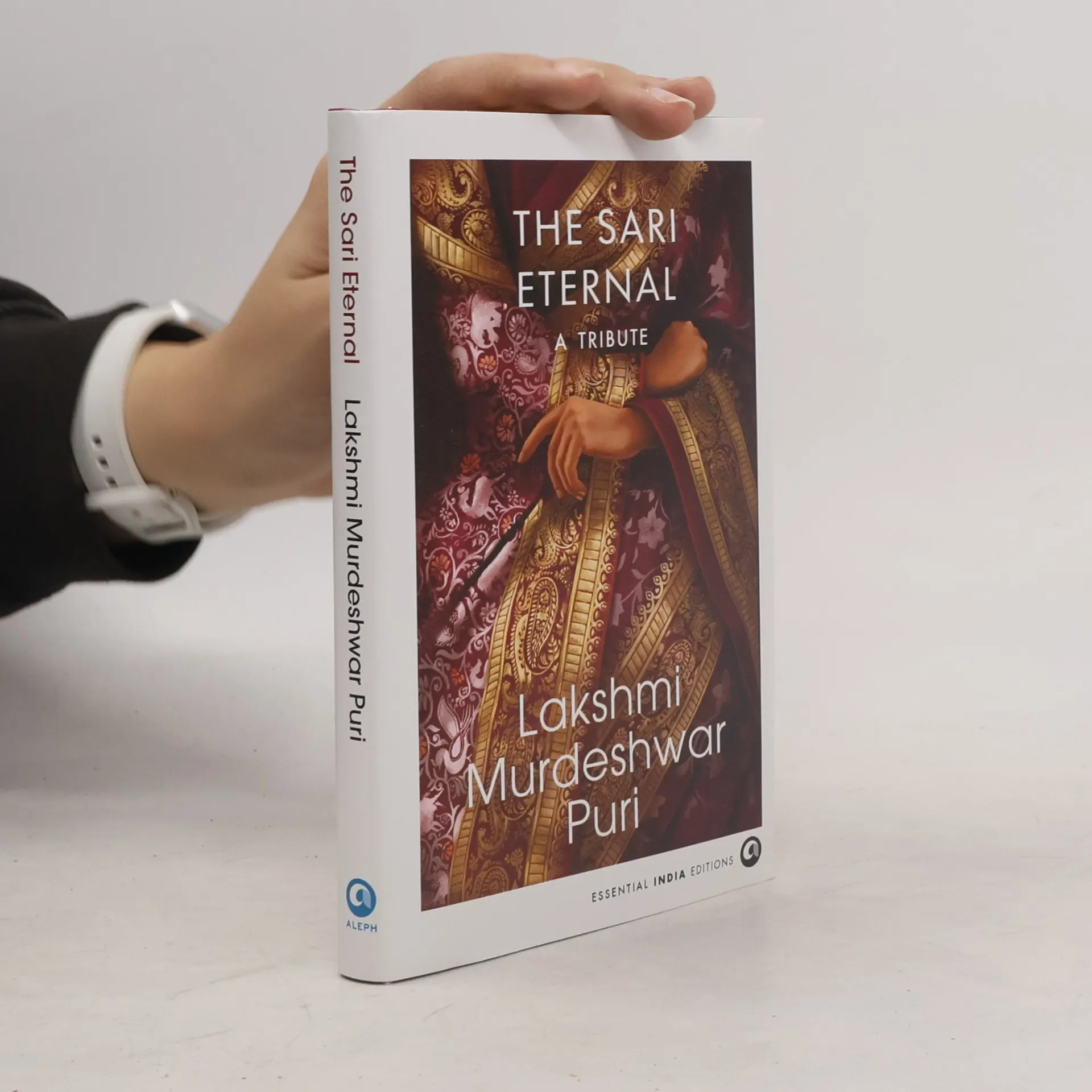
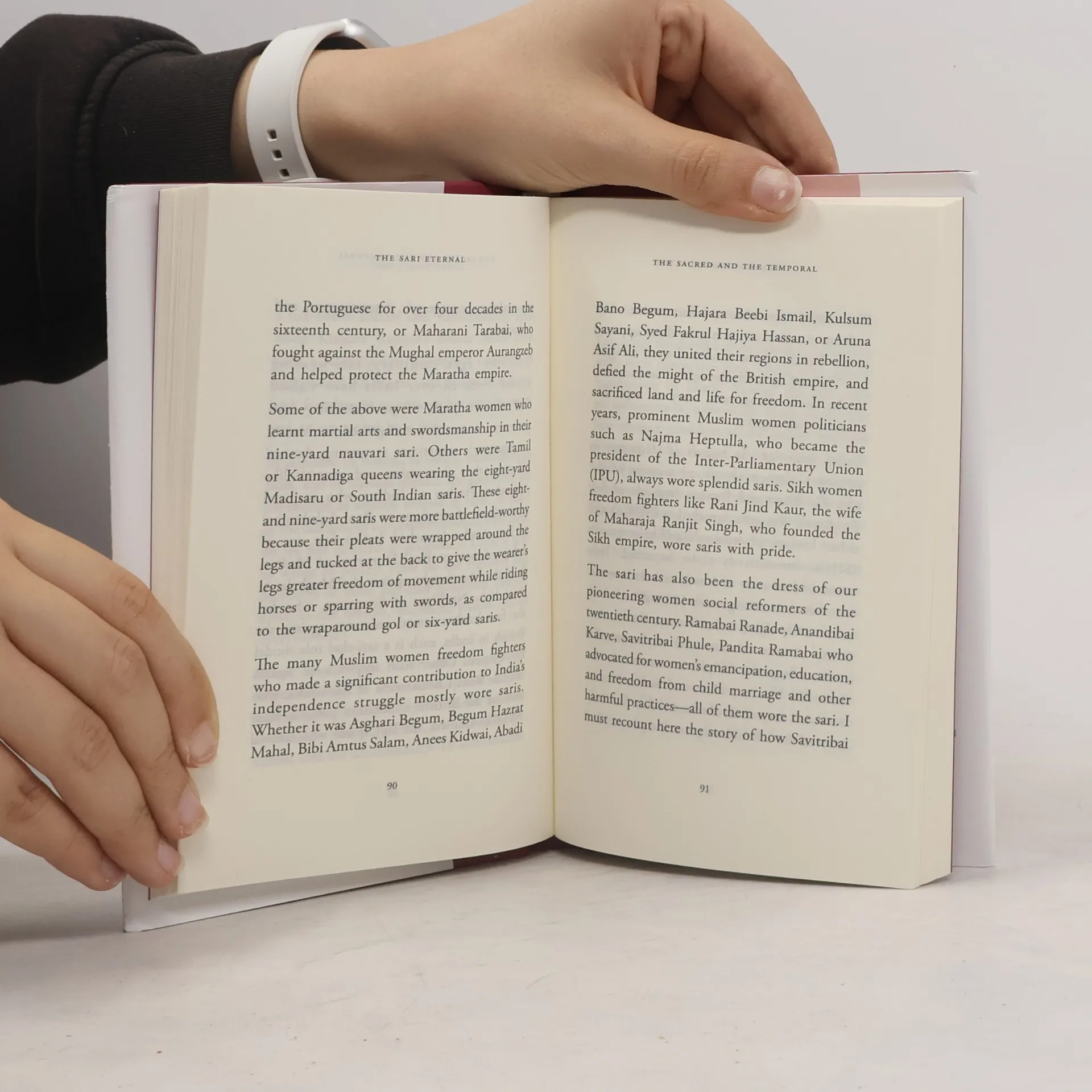
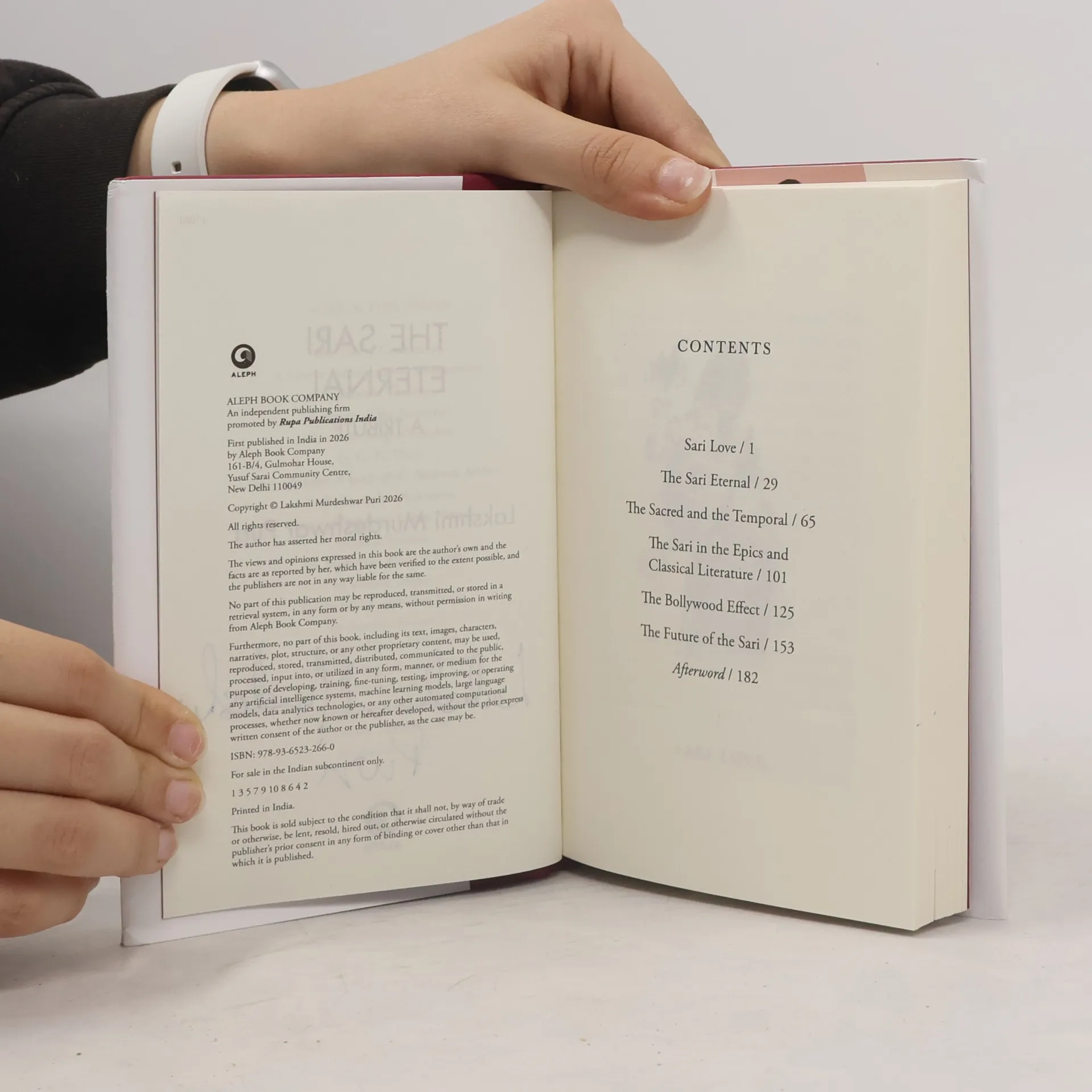
Throughout history, the sari has been synonymous with Indian womanhood, being the oldest surviving garment, originating from the Indus Valley civilization around 5,000 years ago. In this exploration, award-winning writer Lakshmi Murdeshwar Puri delves into the evolution of the unstitched fabric within India's cultural imagination. She begins with her childhood in Delhi and Kathmandu, highlighting her mother Malati, a proud sari wearer. As a college student, Puri, inspired by Indira Gandhi, embraced the sari, and later, as an Indian diplomat, she challenged Western norms by opting for a sari over traditional Western formal wear. Puri examines the sari's historical significance, tracing its roots in sacred Vedic literature and its representation in the sculptures of Sanchi, Khajuraho, and Konark, as well as in the works of artists like Raja Ravi Varma and M. F. Husain. The sari embodies feminine shakti, reflected in the figures of goddesses, queens, freedom fighters, and contemporary influencers. This exploration reveals the sari as a vital component of India's cultural and spiritual ethos, offering a luminous account of its enduring legacy.
Nákup knihy
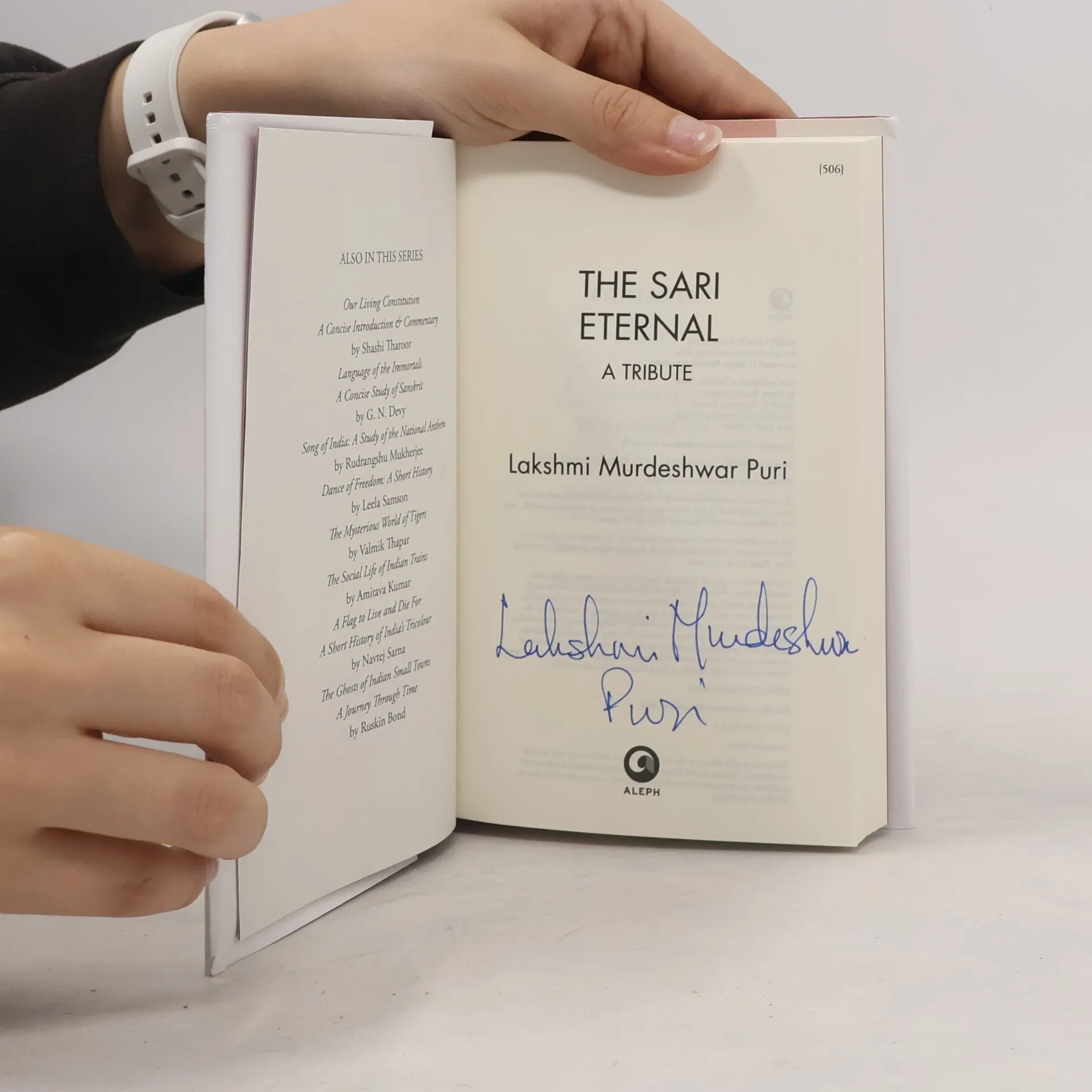
The Sari Eternal, Lakshmi Murdeshwar Puri
- Jazyk

- Rok vydání
- 2026
- Vazba
- (pevná),
- Stav knihy
- Velmi dobrá
- Cena
- 164 Kč
Nikdo zatím neohodnotil.
- Titul
- The Sari Eternal
- Podtitul
- A Tribute
- Jazyk
- anglicky
- Autoři
- Lakshmi Murdeshwar Puri
- Vydavatel
- Aleph Book Company
- Rok vydání
- 2026
- Vazba
- pevná
- ISBN10
- 936523266X
- ISBN13
- 9789365232660
- Série
- Štítky
- Anotace
- Throughout history, the sari has been synonymous with Indian womanhood, being the oldest surviving garment, originating from the Indus Valley civilization around 5,000 years ago. In this exploration, award-winning writer Lakshmi Murdeshwar Puri delves into the evolution of the unstitched fabric within India's cultural imagination. She begins with her childhood in Delhi and Kathmandu, highlighting her mother Malati, a proud sari wearer. As a college student, Puri, inspired by Indira Gandhi, embraced the sari, and later, as an Indian diplomat, she challenged Western norms by opting for a sari over traditional Western formal wear. Puri examines the sari's historical significance, tracing its roots in sacred Vedic literature and its representation in the sculptures of Sanchi, Khajuraho, and Konark, as well as in the works of artists like Raja Ravi Varma and M. F. Husain. The sari embodies feminine shakti, reflected in the figures of goddesses, queens, freedom fighters, and contemporary influencers. This exploration reveals the sari as a vital component of India's cultural and spiritual ethos, offering a luminous account of its enduring legacy.