

Více o knize
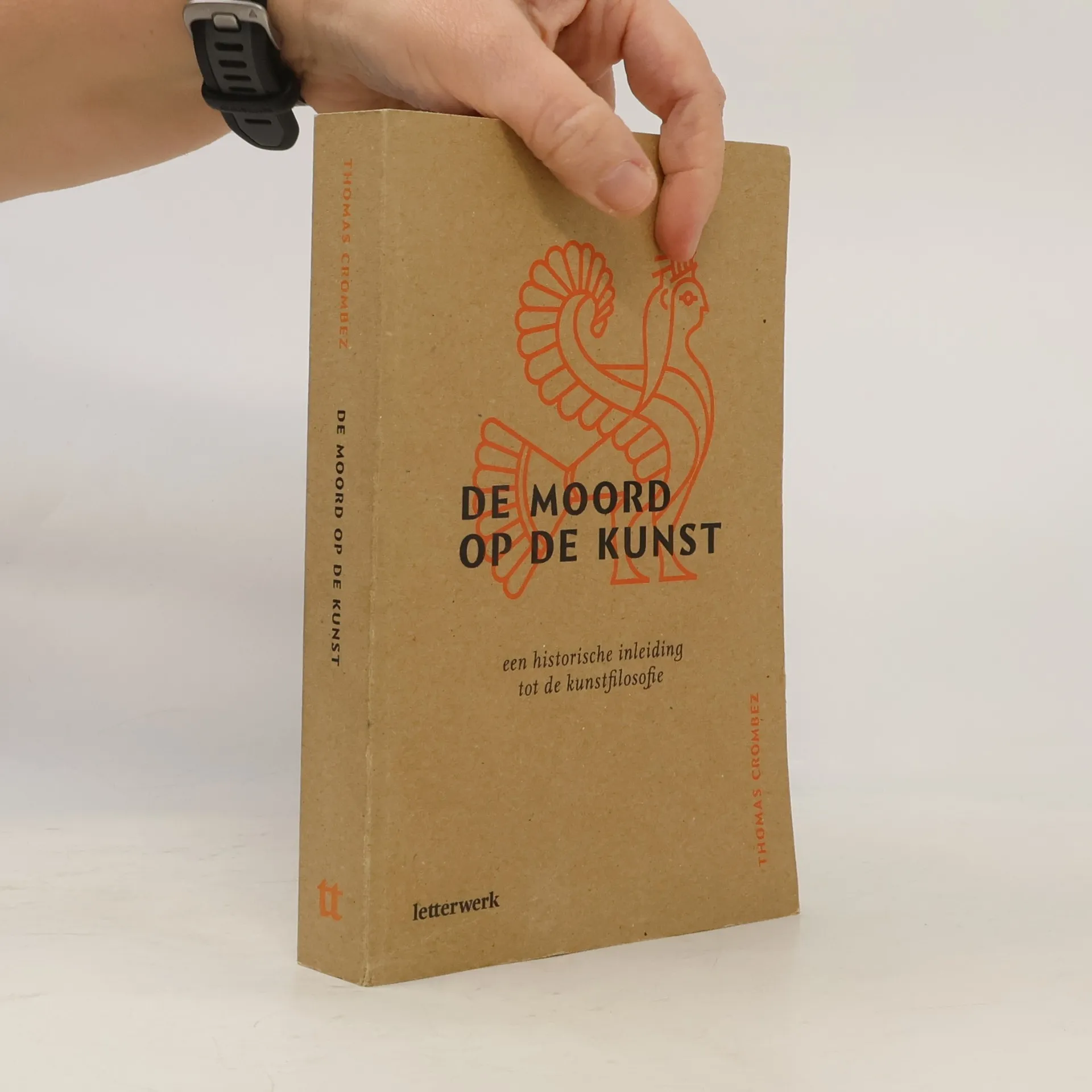
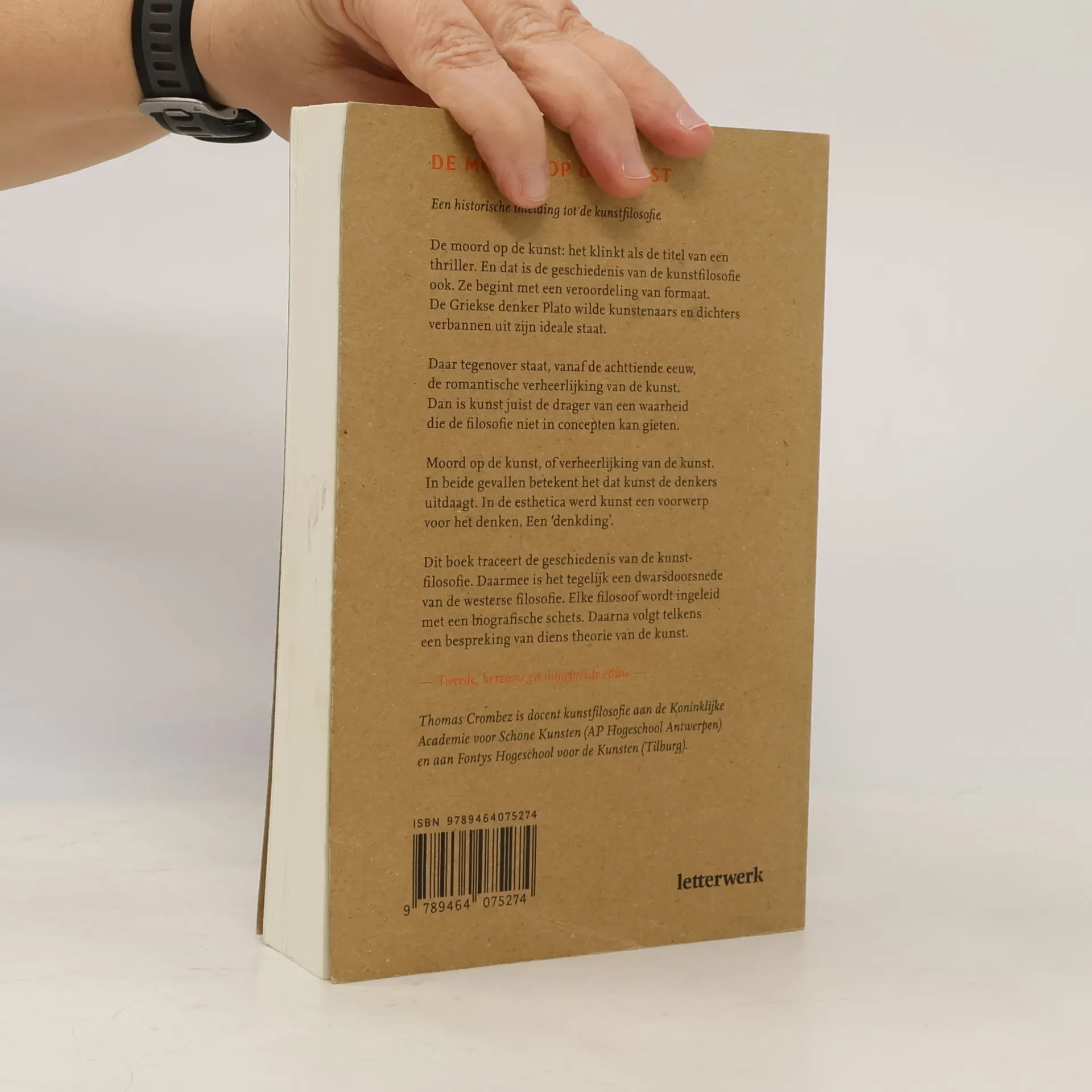
The history of aesthetics in the West begins with a formidable condemnation of art. According to the Greek philosopher Plato, artists and poets should be banished from his ideal society. 0In contrast, from the eighteenth century onwards, art was also glorified by numerous thinkers. According to the Romantics, art was the bearer of a truth that escaped the concepts of philosophy. 0The murder of art, or the glorification of art. In both cases, art functioned as a challenge to philosophy. Aesthetics turned art into an object of thought. The?murder? of art is an apt metaphor for that phenomenon.0This book traces the history of Western philosophy of art. At the same time, it provides a cross section of philosophy in the West. Each philosopher is introduced with a biographical sketch, which is followed by a discussion of his theory of art. 0.
Nákup knihy
De moord op de kunst, Thomas Crombez
- Jazyk

- Rok vydání
- 2021
- Vazba
- (měkká),
- Stav knihy
- Poškozená
- Cena
- 709 Kč
Nikdo zatím neohodnotil.
- Titul
- De moord op de kunst
- Jazyk
- nizozemsky
- Autoři
- Thomas Crombez
- Vydavatel
- Letterwerk
- Rok vydání
- 2021
- Vazba
- měkká
- Počet stran
- 295
- ISBN10
- 9464075279
- ISBN13
- 9789464075274
- Série
- Štítky
- Teorie umění
- Anotace
- The history of aesthetics in the West begins with a formidable condemnation of art. According to the Greek philosopher Plato, artists and poets should be banished from his ideal society. 0In contrast, from the eighteenth century onwards, art was also glorified by numerous thinkers. According to the Romantics, art was the bearer of a truth that escaped the concepts of philosophy. 0The murder of art, or the glorification of art. In both cases, art functioned as a challenge to philosophy. Aesthetics turned art into an object of thought. The?murder? of art is an apt metaphor for that phenomenon.0This book traces the history of Western philosophy of art. At the same time, it provides a cross section of philosophy in the West. Each philosopher is introduced with a biographical sketch, which is followed by a discussion of his theory of art. 0.