

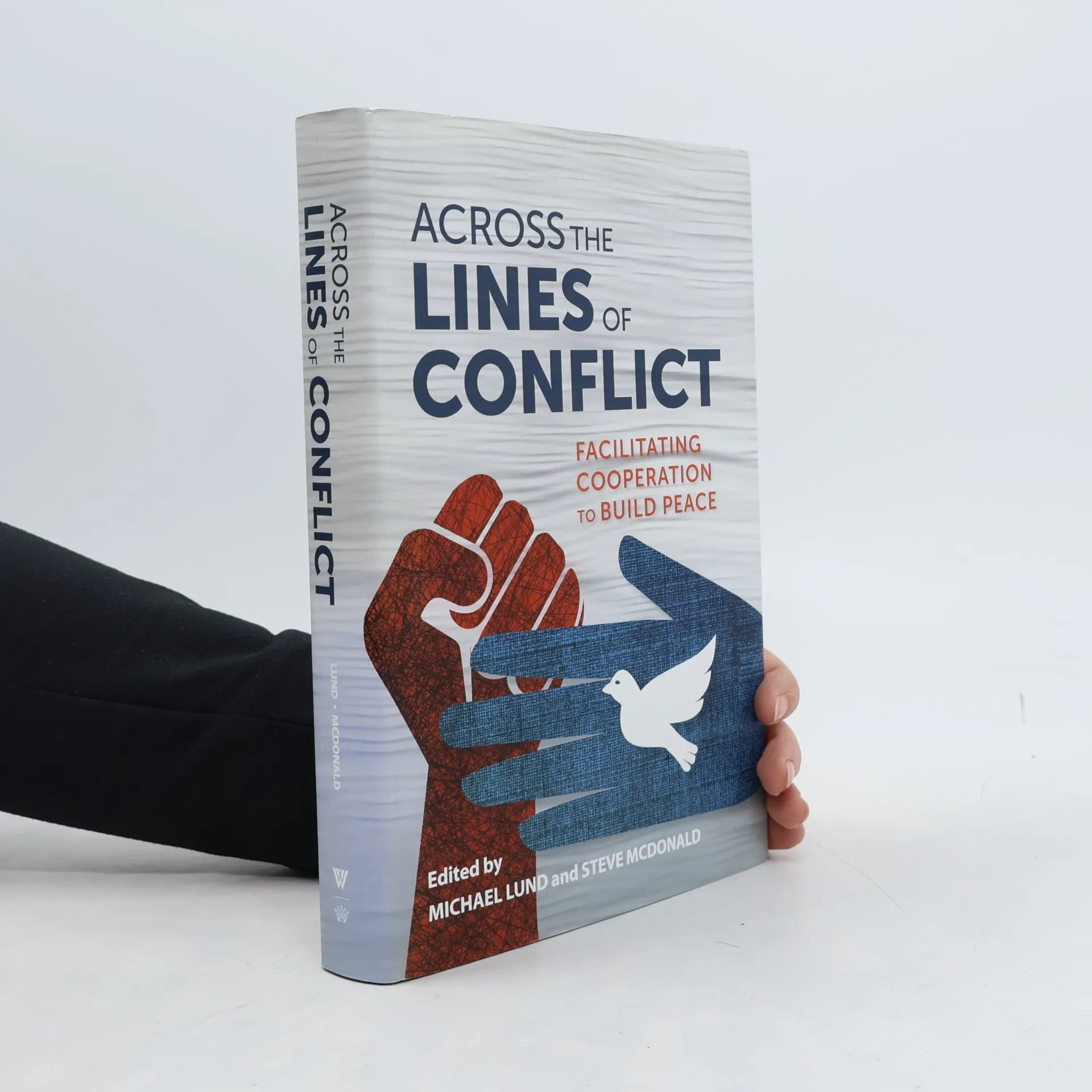
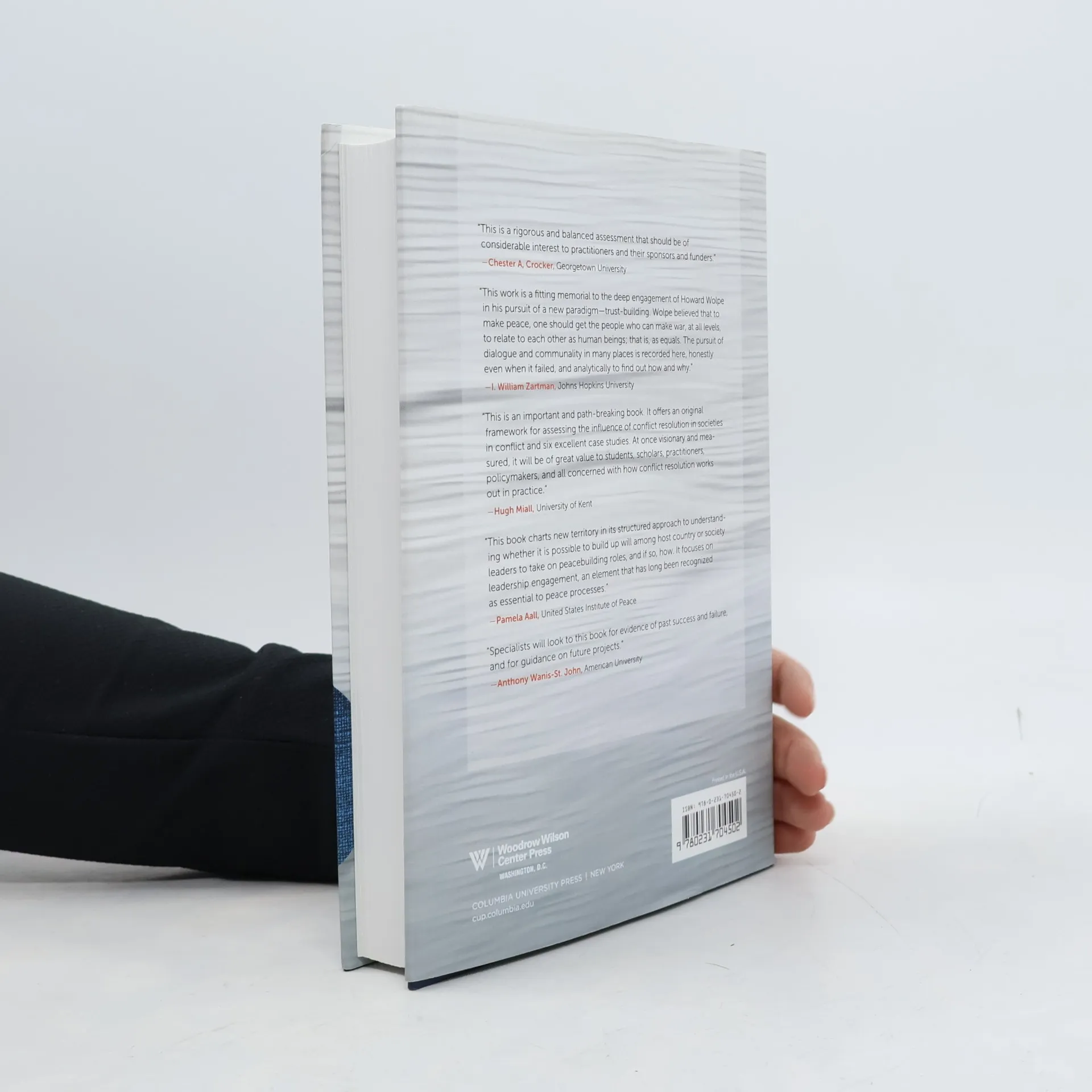

Woodrow Wilson Center - 1: Across the Lines of Conflict
Facilitating Cooperation to Build Peace
Parametry
- 448 stránek
- 16 hodin čtení
Více o knize
Through a comparative analysis of six case studies, this work illustrates key conflict-resolution techniques for peacebuilding. It demonstrates how outside parties can facilitate cooperation by engaging local leaders in intensive workshops. The leaders come from small, ethnically divided countries—Burundi, Cyprus, Estonia, Guyana, Sri Lanka, and Tajikistan—that have faced communal conflicts in recent years. In Estonia and Guyana, initiatives aimed to prevent violence, while in Burundi and Sri Lanka, efforts focused on ending ongoing hostilities. In Cyprus and Tajikistan, peacebuilding initiatives sought to consolidate peace after violence had subsided. The contributors employ a systematic assessment framework, utilizing a common set of questions for participant interviews to yield comparable results across diverse cases. Their findings evaluate the successes and failures of these conflict resolution approaches, drawing conclusions about the conditions under which interactive methods are effective and assessing the audience and methodologies used. This research is part of the Working Group on Preventing and Rebuilding Failed States, convened by the Wilson Center's Project on Leadership and Building State Capacity. Michael Lund serves as a senior specialist for conflict and peacebuilding, while Steve McDonald is a global fellow and former director of the Africa Program at the Wilson Center.
Nákup knihy
Woodrow Wilson Center - 1: Across the Lines of Conflict, Steve McDonald, Michael S. Lund
- Jazyk

- Rok vydání
- 2015
- Vazba
- (pevná),
- Stav knihy
- Dobrá
- Cena
- 159 Kč
Doručení
Platební metody
Nikdo zatím neohodnotil.
- Titul
- Woodrow Wilson Center - 1: Across the Lines of Conflict
- Podtitul
- Facilitating Cooperation to Build Peace
- Jazyk
- anglicky
- Autoři
- Steve McDonald, Michael S. Lund
- Vydavatel
- Columbia University Press
- Rok vydání
- 2015
- Vazba
- pevná
- Počet stran
- 448
- ISBN10
- 023170450X
- ISBN13
- 9780231704502
- Série
- Štítky
- USA, Politické teorie, Mezinárodní vztahy, Lidská práva, Mír, Kazuistiky, Diplomacie
- Anotace
- Through a comparative analysis of six case studies, this work illustrates key conflict-resolution techniques for peacebuilding. It demonstrates how outside parties can facilitate cooperation by engaging local leaders in intensive workshops. The leaders come from small, ethnically divided countries—Burundi, Cyprus, Estonia, Guyana, Sri Lanka, and Tajikistan—that have faced communal conflicts in recent years. In Estonia and Guyana, initiatives aimed to prevent violence, while in Burundi and Sri Lanka, efforts focused on ending ongoing hostilities. In Cyprus and Tajikistan, peacebuilding initiatives sought to consolidate peace after violence had subsided. The contributors employ a systematic assessment framework, utilizing a common set of questions for participant interviews to yield comparable results across diverse cases. Their findings evaluate the successes and failures of these conflict resolution approaches, drawing conclusions about the conditions under which interactive methods are effective and assessing the audience and methodologies used. This research is part of the Working Group on Preventing and Rebuilding Failed States, convened by the Wilson Center's Project on Leadership and Building State Capacity. Michael Lund serves as a senior specialist for conflict and peacebuilding, while Steve McDonald is a global fellow and former director of the Africa Program at the Wilson Center.