

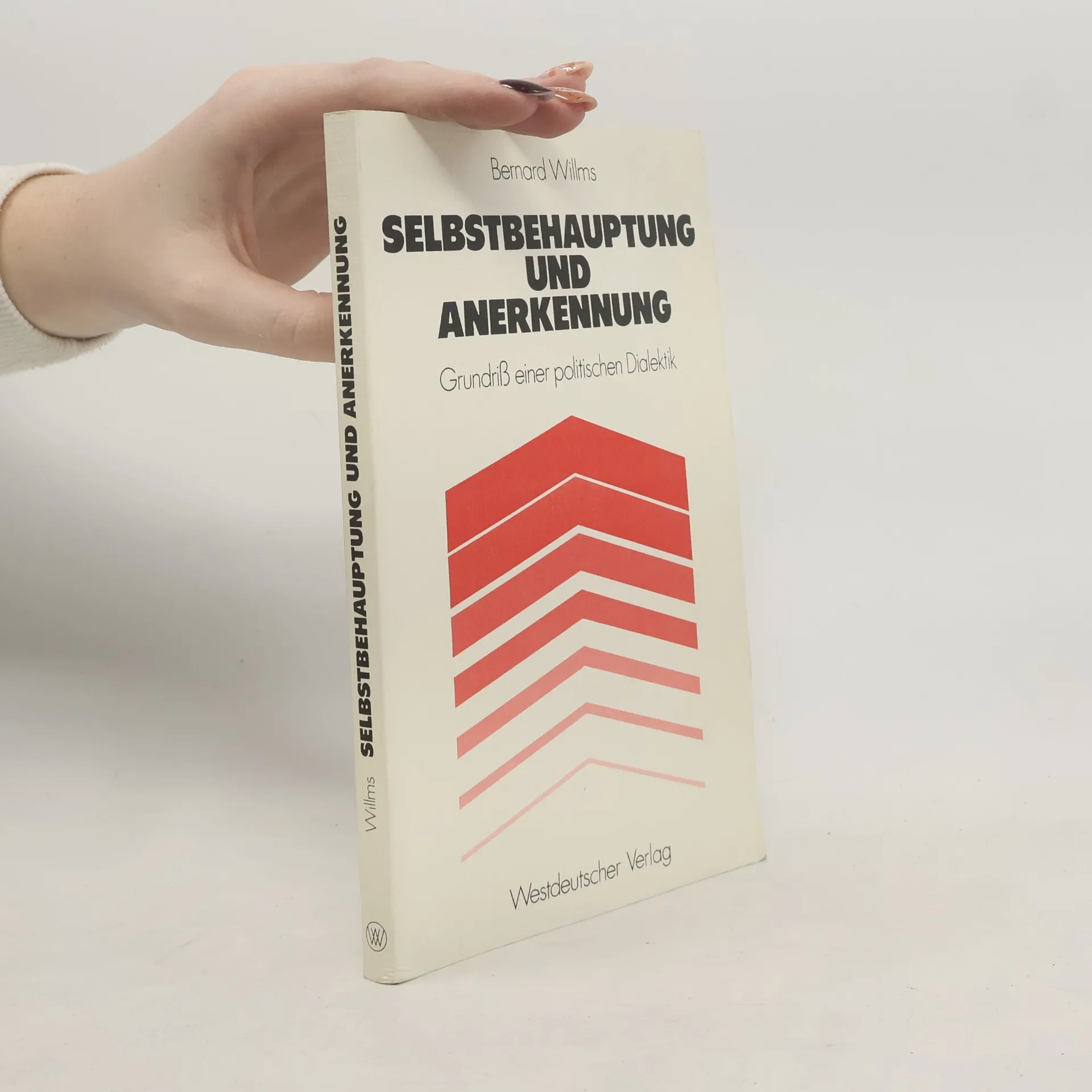


Selbstbehauptung und Anerkennung
Grundriß einer politischen Dialektik
Autoři
Více o knize
The text presents a structured exploration of political concepts, beginning with an introduction to politics, political thinking, and dialectics. It delves into the individual as a unique entity, examining self-reference, freedom, equality, and the right to negativity. The discussion then transitions to the state, addressing abstract freedom versus reality, the essence of the general, and the nature of legal relationships, political subjects, state identity, and citizenship. Next, the focus shifts to the logic of bourgeois democracy, highlighting the significance of democratic theory, the distinction of political democracy, and the interplay between the recognition of individuality and democratic institutions. It also considers the state as a democracy and the ideological complexities surrounding democracy and radicalism. The exploration continues with a concrete totality in world politics, discussing dialectics, totality, political negativity, and the dynamics of war and peace. It critiques various world ideologies and examines self-assertion and recognition in international relations, alongside a theory of development that categorizes primary, secondary, and tertiary growth, as well as dimensions of geopolitical tension. The concluding thoughts emphasize the obligation to the state and the virtues of democrats, underscoring the intricate relationship between individual and collective political existence.
Nákup knihy
Selbstbehauptung und Anerkennung, Bernard Willms
- Jazyk

- Rok vydání
- 1977
- Vazba
- (měkká),
- Stav knihy
- Dobrá
- Cena
- 999 Kč
Doručení
Platební metody
Nikdo zatím neohodnotil.
- Titul
- Selbstbehauptung und Anerkennung
- Podtitul
- Grundriß einer politischen Dialektik
- Jazyk
- německy
- Autoři
- Bernard Willms
- Vydavatel
- Westdeutscher Verlag
- Rok vydání
- 1977
- Vazba
- měkká
- Počet stran
- 202
- ISBN10
- 3531114131
- ISBN13
- 9783531114132
- Série
- Kategorie
- Štítky
- Německo, Společnost, Politické teorie, Násilí, Civilizace, Utopie, Ideologie, Kritická teorie, Funkcionalismus
- Anotace
- The text presents a structured exploration of political concepts, beginning with an introduction to politics, political thinking, and dialectics. It delves into the individual as a unique entity, examining self-reference, freedom, equality, and the right to negativity. The discussion then transitions to the state, addressing abstract freedom versus reality, the essence of the general, and the nature of legal relationships, political subjects, state identity, and citizenship. Next, the focus shifts to the logic of bourgeois democracy, highlighting the significance of democratic theory, the distinction of political democracy, and the interplay between the recognition of individuality and democratic institutions. It also considers the state as a democracy and the ideological complexities surrounding democracy and radicalism. The exploration continues with a concrete totality in world politics, discussing dialectics, totality, political negativity, and the dynamics of war and peace. It critiques various world ideologies and examines self-assertion and recognition in international relations, alongside a theory of development that categorizes primary, secondary, and tertiary growth, as well as dimensions of geopolitical tension. The concluding thoughts emphasize the obligation to the state and the virtues of democrats, underscoring the intricate relationship between individual and collective political existence.