

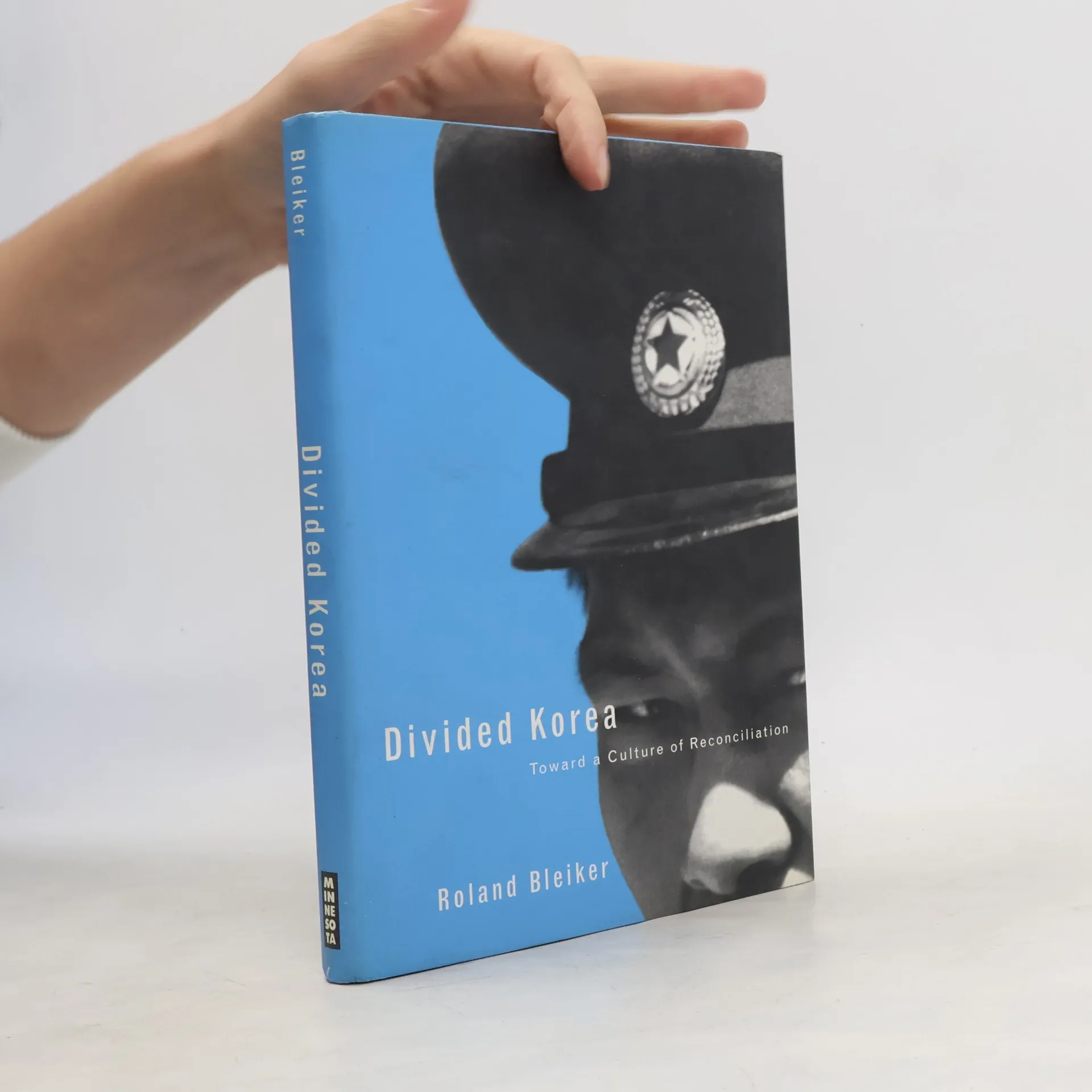
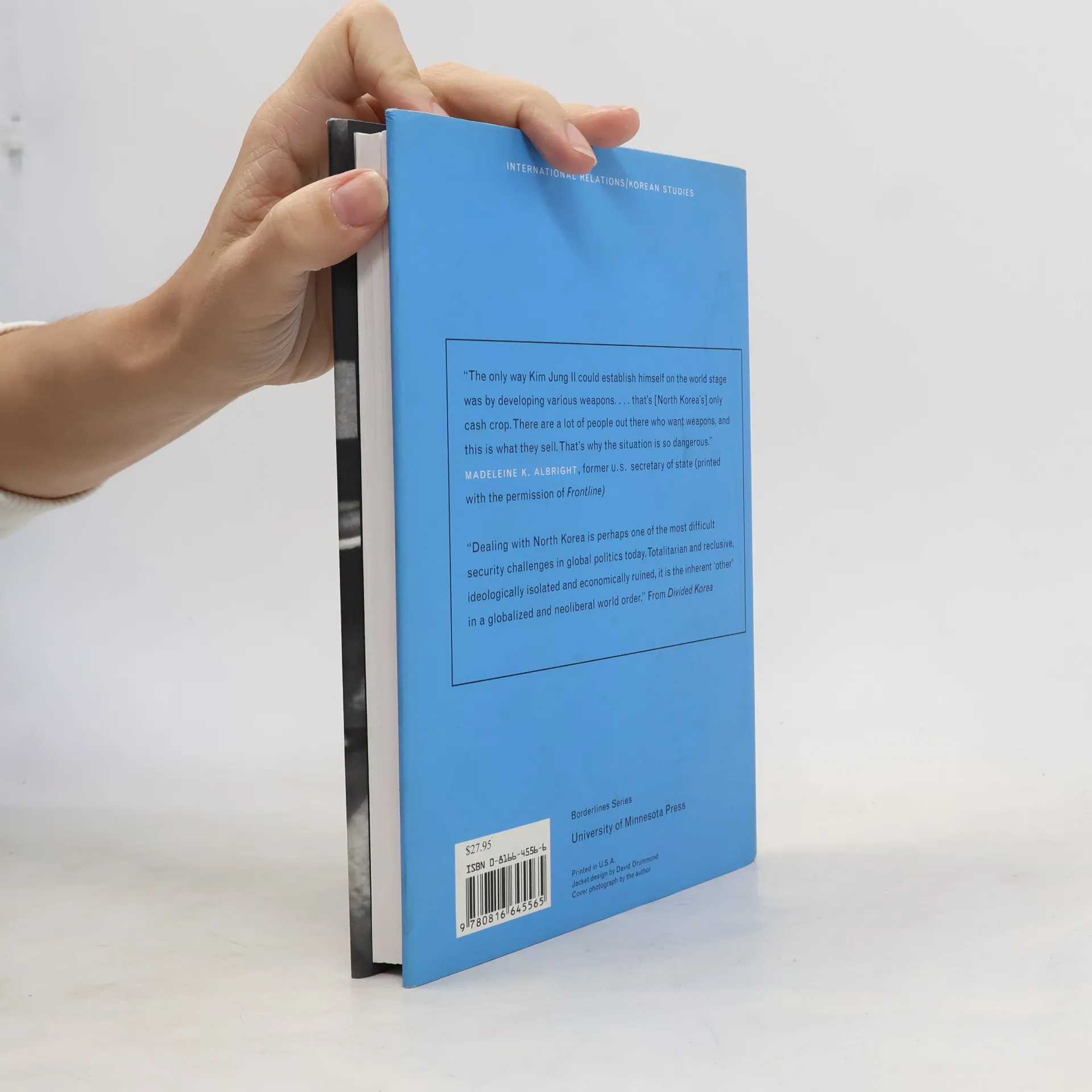

Borderlines - 25: Divided Korea
Toward a Culture of Reconciliation
Autoři
Více o knize
In 2002, North Korea sparked a significant international crisis by revealing a secret nuclear weapons program and withdrawing from the Nuclear Nonproliferation Treaty. This announcement followed George W. Bush's designation of North Korea as part of the "axis of evil," leading to its classification as a potential target for a preemptive nuclear strike. Pyongyang's response resulted in a complete breakdown of relations on the Korean peninsula, where just two years prior, historic talks between North and South Korea had taken place. The conflict in Korea remains one of the most volatile and seemingly intractable, fueled by mutual distrust, Cold War-era hostilities, and the looming threat of North Korea's economic collapse, which endangers regional security. Roland Bleiker argues that the ongoing tensions reveal deep-seated structural issues within and between the Koreas that have largely gone unrecognized. By shifting the focus beyond geopolitics and ideology, he explores the struggle over competing Korean identities, examining domestic and international perceptions, the war's legacy, and the complexities surrounding unification. Bleiker calls for a reassessment of the conflict's roots and advocates for a reconciliation process that embraces acceptance of differences and forgiveness, essential for achieving lasting peace.
Nákup knihy
Borderlines - 25: Divided Korea, Roland Bleiker
- Jazyk

- Rok vydání
- 2005
- Vazba
- (pevná),
- Stav knihy
- Dobrá
- Cena
- 409 Kč
Doručení
Platební metody
Nikdo zatím neohodnotil.
- Titul
- Borderlines - 25: Divided Korea
- Podtitul
- Toward a Culture of Reconciliation
- Jazyk
- anglicky
- Autoři
- Roland Bleiker
- Vydavatel
- University of Minnesota Press
- Rok vydání
- 2005
- Vazba
- pevná
- Počet stran
- 179
- ISBN10
- 0816645566
- ISBN13
- 9780816645565
- Série
- Štítky
- Historické téma, USA, Asie, Politické teorie, Mezinárodní vztahy, Korea, Jižní Korea
- Anotace
- In 2002, North Korea sparked a significant international crisis by revealing a secret nuclear weapons program and withdrawing from the Nuclear Nonproliferation Treaty. This announcement followed George W. Bush's designation of North Korea as part of the "axis of evil," leading to its classification as a potential target for a preemptive nuclear strike. Pyongyang's response resulted in a complete breakdown of relations on the Korean peninsula, where just two years prior, historic talks between North and South Korea had taken place. The conflict in Korea remains one of the most volatile and seemingly intractable, fueled by mutual distrust, Cold War-era hostilities, and the looming threat of North Korea's economic collapse, which endangers regional security. Roland Bleiker argues that the ongoing tensions reveal deep-seated structural issues within and between the Koreas that have largely gone unrecognized. By shifting the focus beyond geopolitics and ideology, he explores the struggle over competing Korean identities, examining domestic and international perceptions, the war's legacy, and the complexities surrounding unification. Bleiker calls for a reassessment of the conflict's roots and advocates for a reconciliation process that embraces acceptance of differences and forgiveness, essential for achieving lasting peace.