

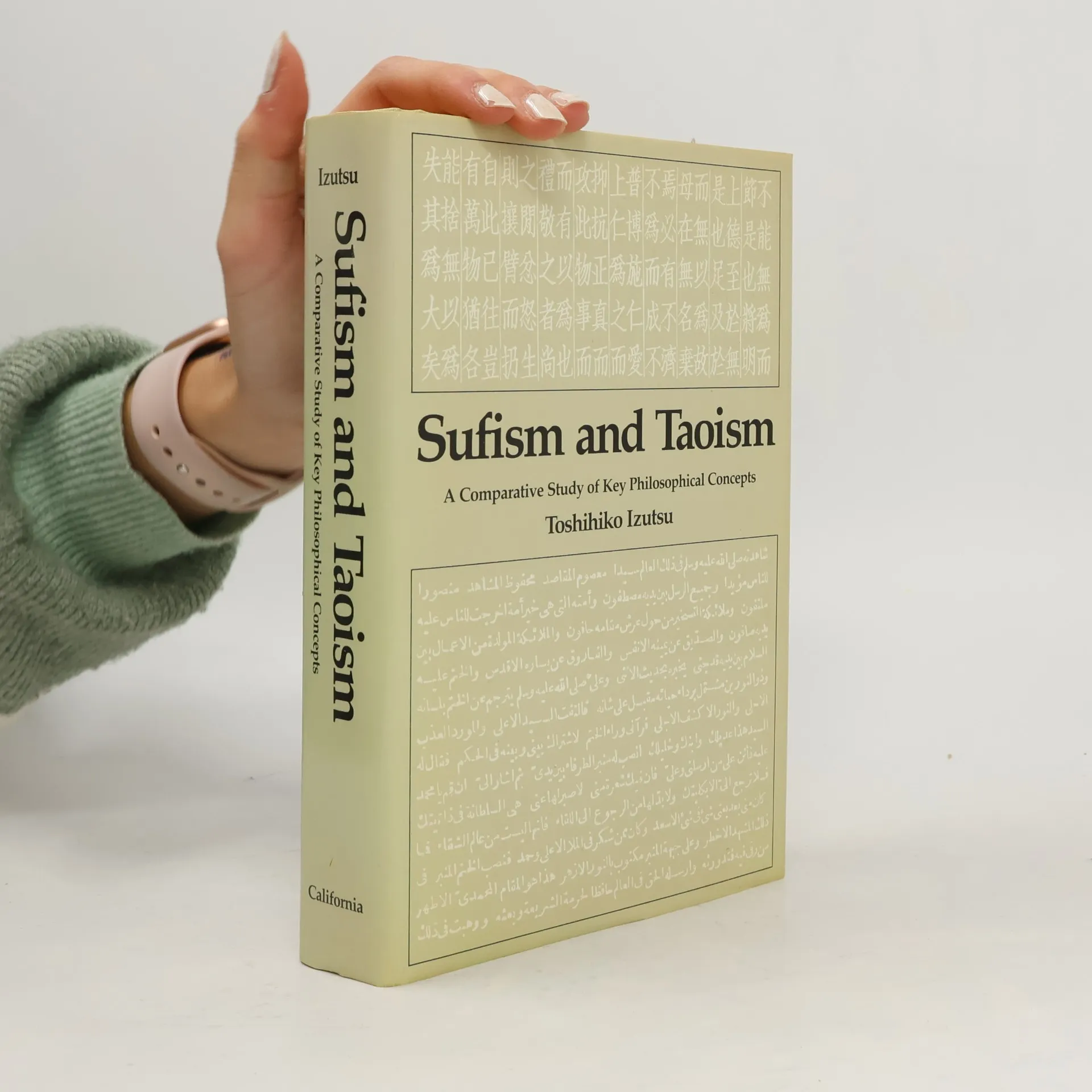

Sufism and Taoism
A Comparative Study of Key Philosophical Concepts
Autoři
Více o knize
In this deeply learned work, Toshihiko Izutsu compares the metaphysical and mystical thought-systems of Sufism and Taoism, uncovering shared features that facilitate a transhistorical dialogue despite their historical unrelatedness. His original approach opens new avenues in the study of comparative philosophy and mysticism. Izutsu begins with an analysis of Ibn 'Arabi, isolating key ontological concepts from this complex Islamic thinker. In the second part, he examines parallel ideas from the Taoist philosophers Lao-tzu and Chuang-tzu. By first elucidating the fundamental structures of each worldview, Izutsu ensures that his comparative analysis avoids superficiality. He posits that both Sufi and Taoist perspectives are anchored by two central figures—the Absolute Man and the Perfect Man—around which a comprehensive ontological system is constructed. Izutsu highlights similarities in these ontological frameworks and proposes that certain patterns of mystical and metaphysical thought may be common even among systems with no direct historical ties. This second edition is the first published in the United States, expanding on the original edition that was well-regarded among English-speaking scholars. It includes new material that enriches the comparison, fulfilling Izutsu's aim to "open a new vista in the domain of comparative philosophy."
Nákup knihy
Sufism and Taoism, Toshihiko Izutsu
- Jazyk

- Rok vydání
- 1984
- Vazba
- (pevná)
Doručení
Platební metody
Nikdo zatím neohodnotil.
- Titul
- Sufism and Taoism
- Podtitul
- A Comparative Study of Key Philosophical Concepts
- Jazyk
- anglicky
- Autoři
- Toshihiko Izutsu
- Vydavatel
- University of California Press
- Rok vydání
- 1984
- Vazba
- pevná
- Počet stran
- 493
- ISBN10
- 0520052641
- ISBN13
- 9780520052642
- Série
- Kategorie
- Štítky
- Náboženská témata, Filosofická tématika, Láska, Spiritualita a duchovno, Židé, Judaica, Etika, Židovská literatura, Mystika, Metafyzika, Historie náboženství, Krása, Religionistika, Súfismus
- Anotace
- In this deeply learned work, Toshihiko Izutsu compares the metaphysical and mystical thought-systems of Sufism and Taoism, uncovering shared features that facilitate a transhistorical dialogue despite their historical unrelatedness. His original approach opens new avenues in the study of comparative philosophy and mysticism. Izutsu begins with an analysis of Ibn 'Arabi, isolating key ontological concepts from this complex Islamic thinker. In the second part, he examines parallel ideas from the Taoist philosophers Lao-tzu and Chuang-tzu. By first elucidating the fundamental structures of each worldview, Izutsu ensures that his comparative analysis avoids superficiality. He posits that both Sufi and Taoist perspectives are anchored by two central figures—the Absolute Man and the Perfect Man—around which a comprehensive ontological system is constructed. Izutsu highlights similarities in these ontological frameworks and proposes that certain patterns of mystical and metaphysical thought may be common even among systems with no direct historical ties. This second edition is the first published in the United States, expanding on the original edition that was well-regarded among English-speaking scholars. It includes new material that enriches the comparison, fulfilling Izutsu's aim to "open a new vista in the domain of comparative philosophy."