


Více o knize
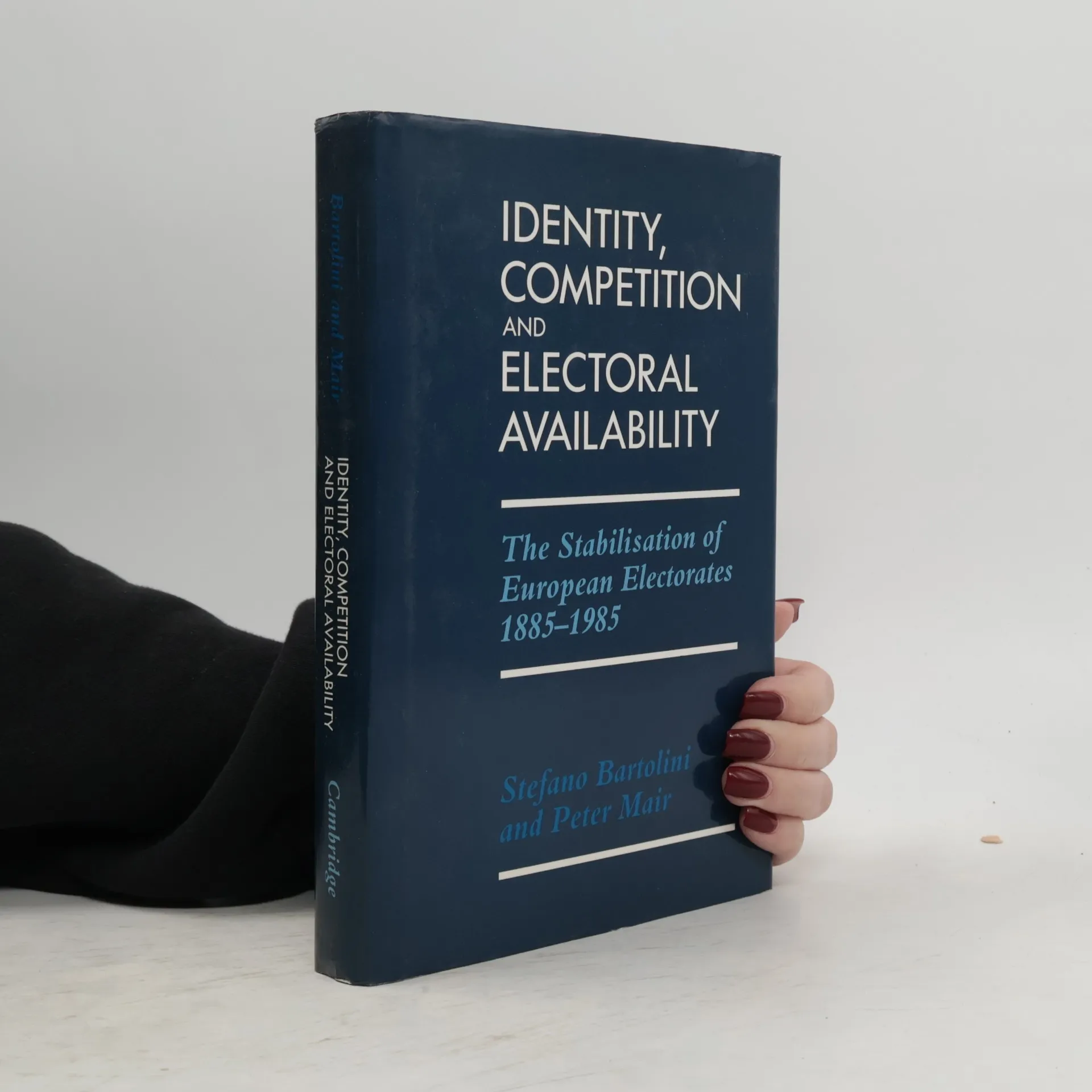
By the late 1970s, the stability of Western party systems and the volatility of electorates had become pivotal in modern European studies. Much of the contemporary literature suggested that Western Europe was undergoing a phase of party breakdown and dealignment, indicating a transformation in traditional mass politics. In their first comprehensive analysis, Stefano Bartolini and Peter Mair challenged this prevailing narrative, arguing that the focus on change was largely misguided. Their work uniquely integrates the study of electoral change with the persistence of social cleavages, particularly class, and has become a foundational text in electoral politics in Europe. The authors explore electoral patterns from 1885 to 1985, assessing how these patterns reflect the enduring nature of traditional cleavages while also varying across political, institutional, and social contexts. They analyze electoral competition across different European nations and historical periods, illustrating how cleavages can endure and re-emerge despite significant social shifts. Their sophisticated model of aggregate electoral change posits that national electorates navigate between stability from cultural identities and organizational structures and the pressures for change from party competition and institutional evolution. This work was awarded the Stein Rokkan Prize and is now available in paperback for the first time.
Nákup knihy
Identity, Competition and Electoral Availability, Stefano Bartolini, Peter Mair
- Jazyk

- Rok vydání
- 1990
- Vazba
- (pevná),
- Stav knihy
- Dobrá
- Cena
- 1 199 Kč
Doručení
Platební metody
Nikdo zatím neohodnotil.
- Titul
- Identity, Competition and Electoral Availability
- Podtitul
- The Stabilisation of European Electorates 1885-1985
- Jazyk
- anglicky
- Autoři
- Stefano Bartolini, Peter Mair
- Vydavatel
- Cambridge University Press
- Rok vydání
- 1990
- Vazba
- pevná
- Počet stran
- 383
- ISBN10
- 0521382920
- ISBN13
- 9780521382922
- Série
- Štítky
- Historické téma, 20. století, Evropa, Politické teorie, Západní Evropa, Politická ekonomie, Volby
- Anotace
- By the late 1970s, the stability of Western party systems and the volatility of electorates had become pivotal in modern European studies. Much of the contemporary literature suggested that Western Europe was undergoing a phase of party breakdown and dealignment, indicating a transformation in traditional mass politics. In their first comprehensive analysis, Stefano Bartolini and Peter Mair challenged this prevailing narrative, arguing that the focus on change was largely misguided. Their work uniquely integrates the study of electoral change with the persistence of social cleavages, particularly class, and has become a foundational text in electoral politics in Europe. The authors explore electoral patterns from 1885 to 1985, assessing how these patterns reflect the enduring nature of traditional cleavages while also varying across political, institutional, and social contexts. They analyze electoral competition across different European nations and historical periods, illustrating how cleavages can endure and re-emerge despite significant social shifts. Their sophisticated model of aggregate electoral change posits that national electorates navigate between stability from cultural identities and organizational structures and the pressures for change from party competition and institutional evolution. This work was awarded the Stein Rokkan Prize and is now available in paperback for the first time.