

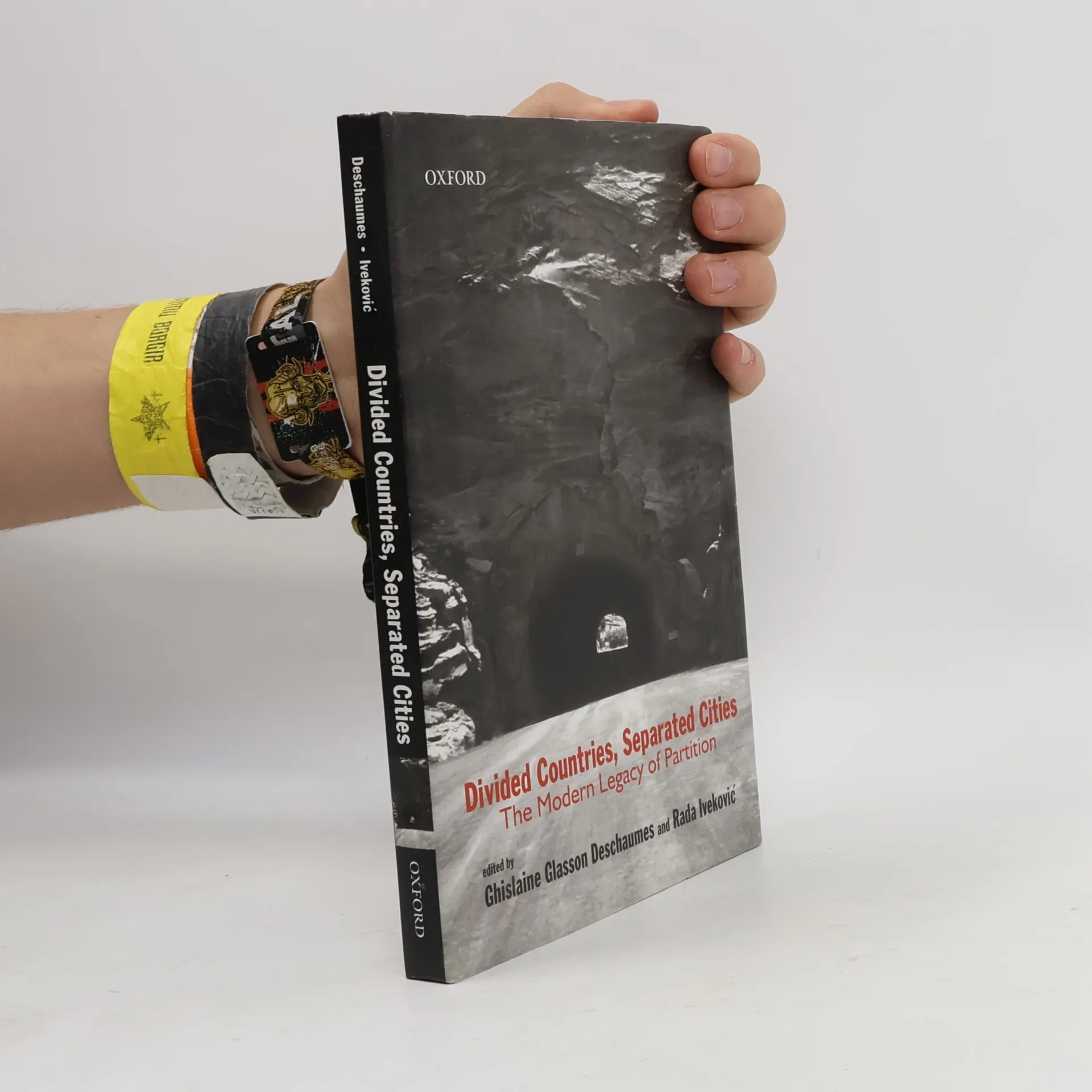
Divided Countries, Separated Cities
The Modern Legacy of Partition
Více o knize
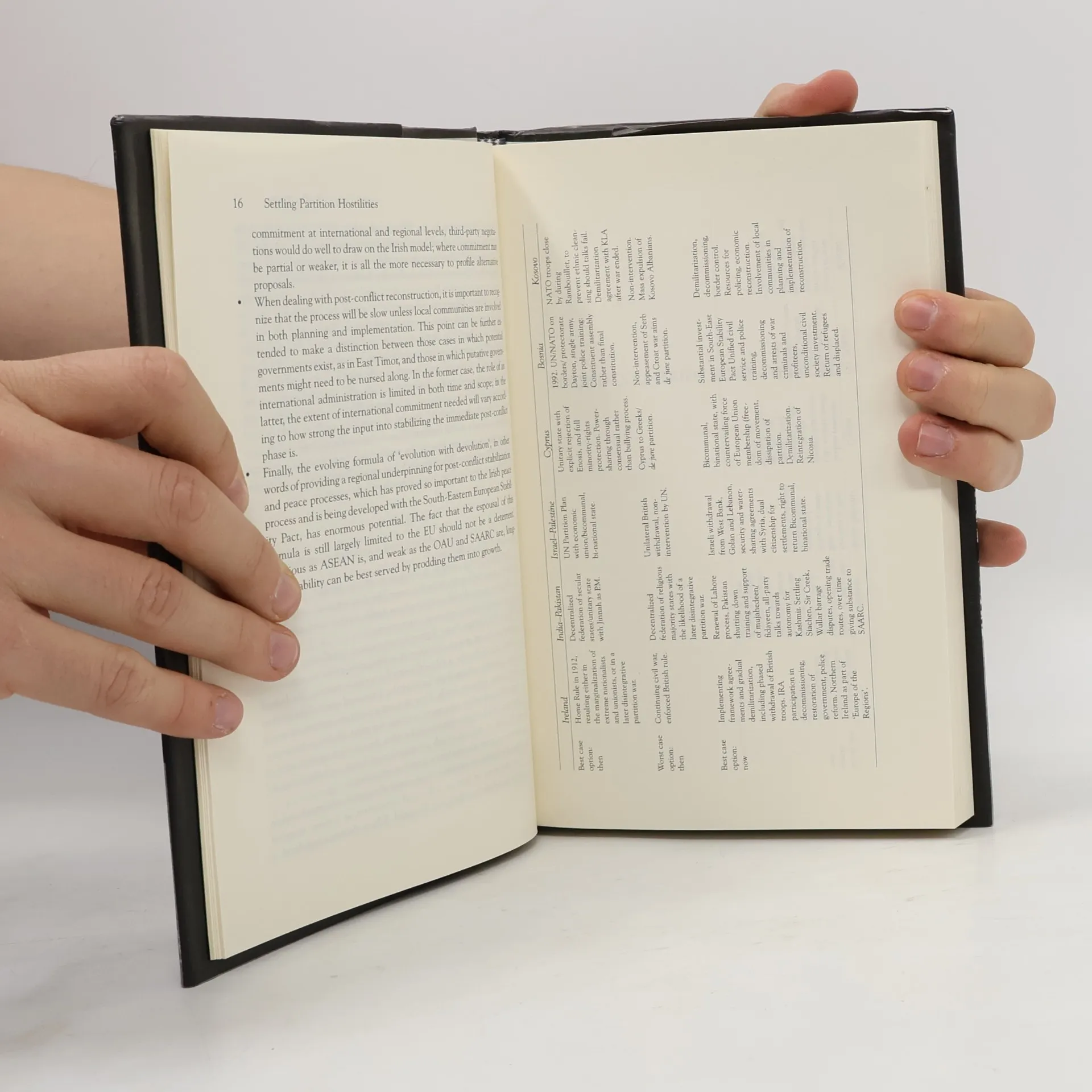
This collection of writings offers a nuanced analysis of nation-building mechanisms in partition contexts, focusing on both post-colonial scenarios and post-1989 transitions in Eastern Europe and the Balkans. The partition of the Indian subcontinent serves as a key reference point. The texts critically examine how narratives of nationhood often naturalize and essentialize differences and hierarchies, while mainstream histories tend to erase alternative narratives arising from shared experiences. Although the histories of nationalism and partition differ across countries, striking commonalities emerge in narrative structures, state and nation-building strategies, and patriarchal control mechanisms, particularly in how exclusive national identities are shaped through gendered representations. The analysis delves into the power dynamics inherent in state and nation-building projects, simultaneously critiquing and dismantling these power relations. However, the transformation processes across various countries occur at different speeds and within distinct historical contexts, leading to a lack of transparency and potential clashes in interpretations. The events post-1989 and at the end of the colonial era highlight these conflicts. The authors engage with these complexities, viewing the entangled processes not as a deadlock but as a challenge for both theory and practice.
Nákup knihy
Divided Countries, Separated Cities, Rada Ivekovic, Ghislaine Glasson Deschaumes
- Jazyk

- Rok vydání
- 2003
- Vazba
- (pevná),
- Stav knihy
- Velmi dobrá
- Cena
- 489 Kč
Doručení
Platební metody
Nikdo zatím neohodnotil.
- Titul
- Divided Countries, Separated Cities
- Podtitul
- The Modern Legacy of Partition
- Jazyk
- anglicky
- Vydavatel
- Oxford University Press
- Rok vydání
- 2003
- Vazba
- pevná
- Počet stran
- 250
- ISBN10
- 0195665406
- ISBN13
- 9780195665406
- Série
- Kategorie
- Štítky
- Evropa, Odborná literatura, Indie, Asijská literatura, Kolonialismus, Nacionalismus, Sociální skupiny
- Anotace
- This collection of writings offers a nuanced analysis of nation-building mechanisms in partition contexts, focusing on both post-colonial scenarios and post-1989 transitions in Eastern Europe and the Balkans. The partition of the Indian subcontinent serves as a key reference point. The texts critically examine how narratives of nationhood often naturalize and essentialize differences and hierarchies, while mainstream histories tend to erase alternative narratives arising from shared experiences. Although the histories of nationalism and partition differ across countries, striking commonalities emerge in narrative structures, state and nation-building strategies, and patriarchal control mechanisms, particularly in how exclusive national identities are shaped through gendered representations. The analysis delves into the power dynamics inherent in state and nation-building projects, simultaneously critiquing and dismantling these power relations. However, the transformation processes across various countries occur at different speeds and within distinct historical contexts, leading to a lack of transparency and potential clashes in interpretations. The events post-1989 and at the end of the colonial era highlight these conflicts. The authors engage with these complexities, viewing the entangled processes not as a deadlock but as a challenge for both theory and practice.