






Parametry
- 176 stránek
- 7 hodin čtení
Více o knize
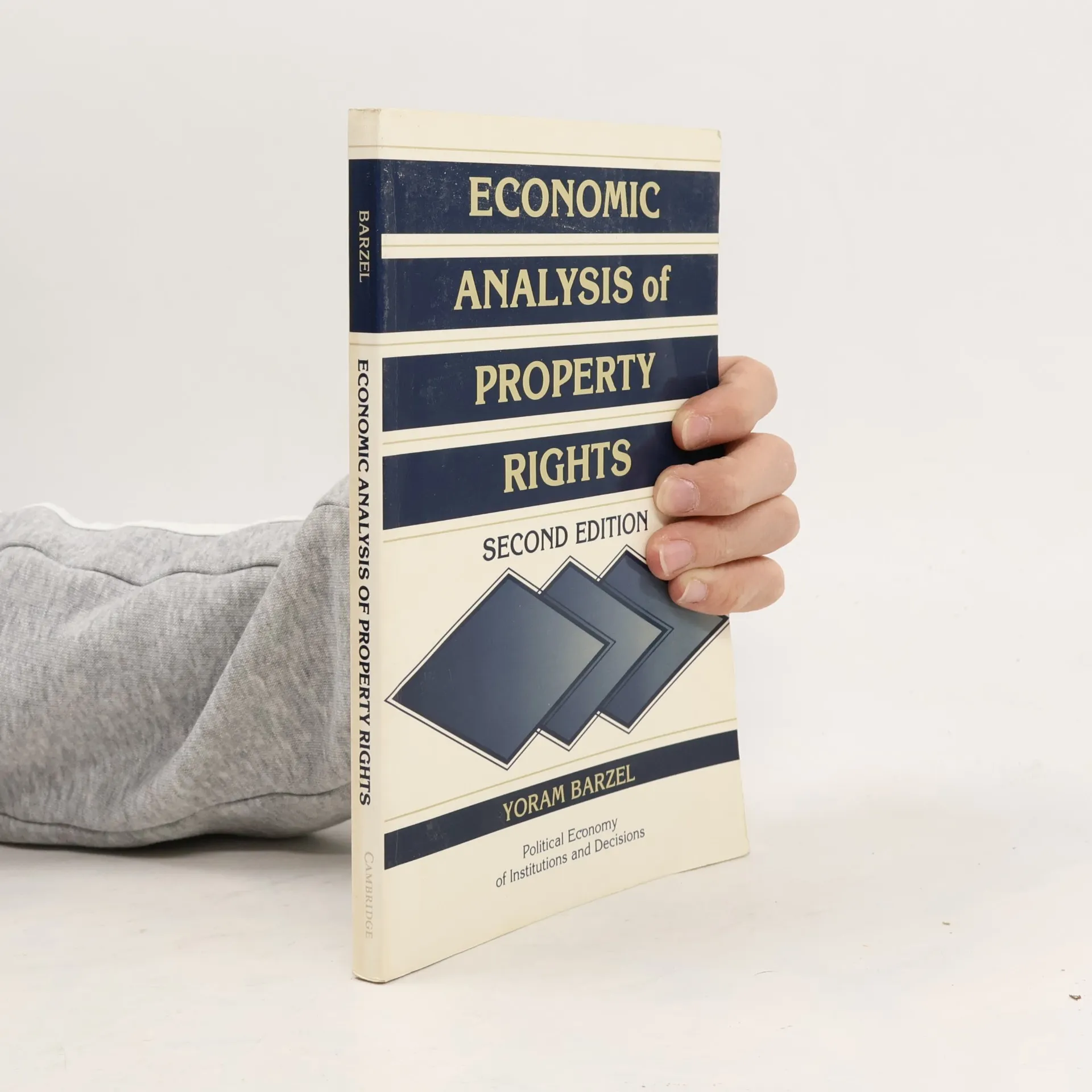
This study offers a unified theoretical structure to analyze exchange, formation of economic rights, and organization. The cost of measuring accurately all assets' attributes is prohibitive. Therefore, rights are never fully delineated and others (using theft, adverse selection, free riding, and shirking) may appropriate one's assets. The central question is how people allocate resources and organize their activities to maximize the value of their rights. The approach emphasizes nonmarket constraints, but is also applicable to market economies. It is useful for analyzing allocations within organizations as well as allocation by voting and charity. Chapters have been extended for this second edition and a new chapter devoted to the firm has been added.
Nákup knihy
Economic Analysis of Property Rights, Yoram Barzel
- Jazyk

- Rok vydání
- 1999
- Vazba
- (měkká),
- Stav knihy
- Poškozená
- Cena
- 149 Kč
Doručení
Platební metody
Nikdo zatím neohodnotil.
- Titul
- Economic Analysis of Property Rights
- Podtitul
- Political Economy of Institutions and Decisions - Second Edition
- Jazyk
- anglicky
- Autoři
- Yoram Barzel
- Vydavatel
- Cambridge University Press
- Rok vydání
- 1999
- Vazba
- měkká
- Počet stran
- 176
- ISBN10
- 0521597137
- ISBN13
- 9780521597135
- Série
- Kategorie
- Štítky
- Odborná literatura, Anglie, Lidská práva, Hospodářská politika, Politická ekonomie, Majetek, vlastnictví
- Anotace
- This study offers a unified theoretical structure to analyze exchange, formation of economic rights, and organization. The cost of measuring accurately all assets' attributes is prohibitive. Therefore, rights are never fully delineated and others (using theft, adverse selection, free riding, and shirking) may appropriate one's assets. The central question is how people allocate resources and organize their activities to maximize the value of their rights. The approach emphasizes nonmarket constraints, but is also applicable to market economies. It is useful for analyzing allocations within organizations as well as allocation by voting and charity. Chapters have been extended for this second edition and a new chapter devoted to the firm has been added.