

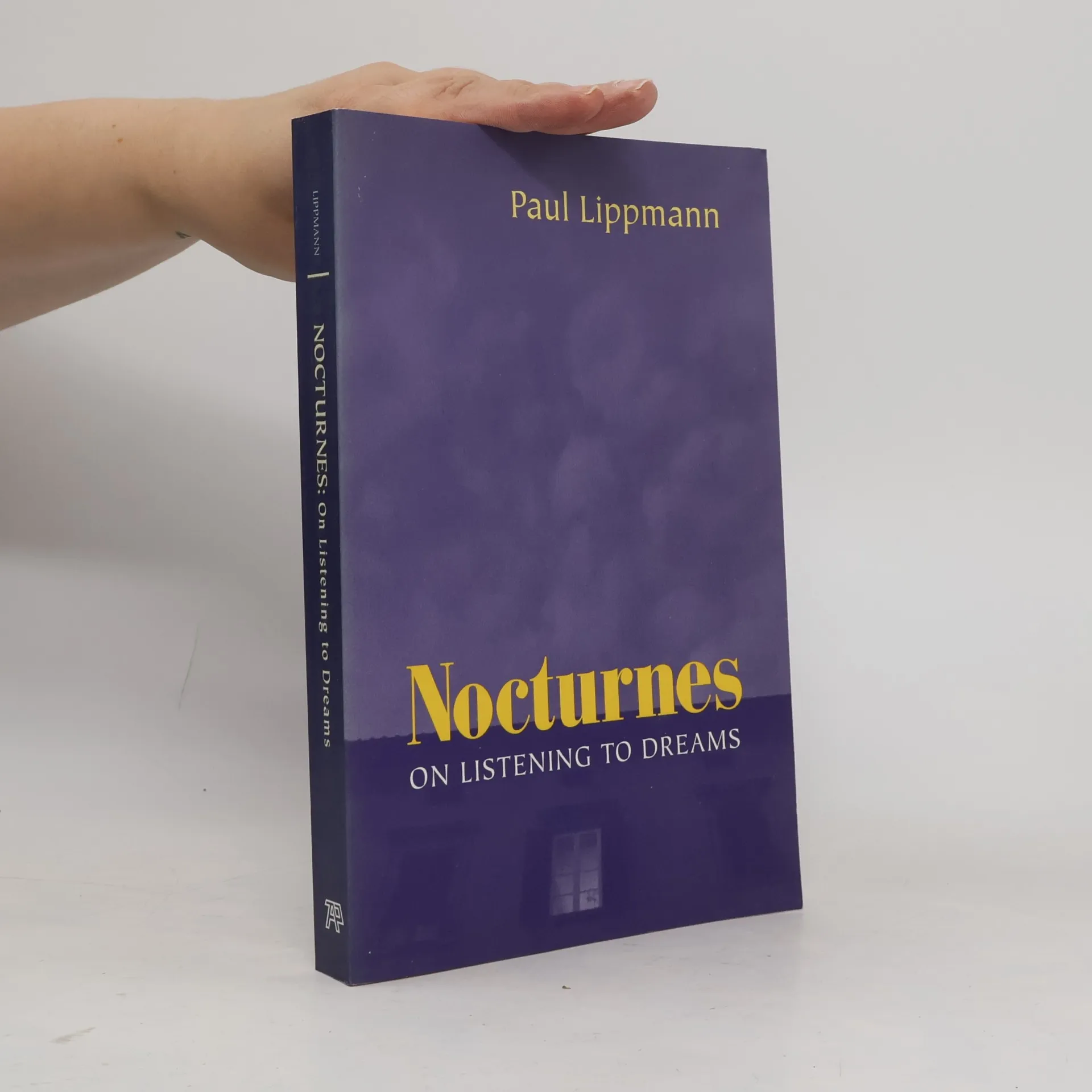
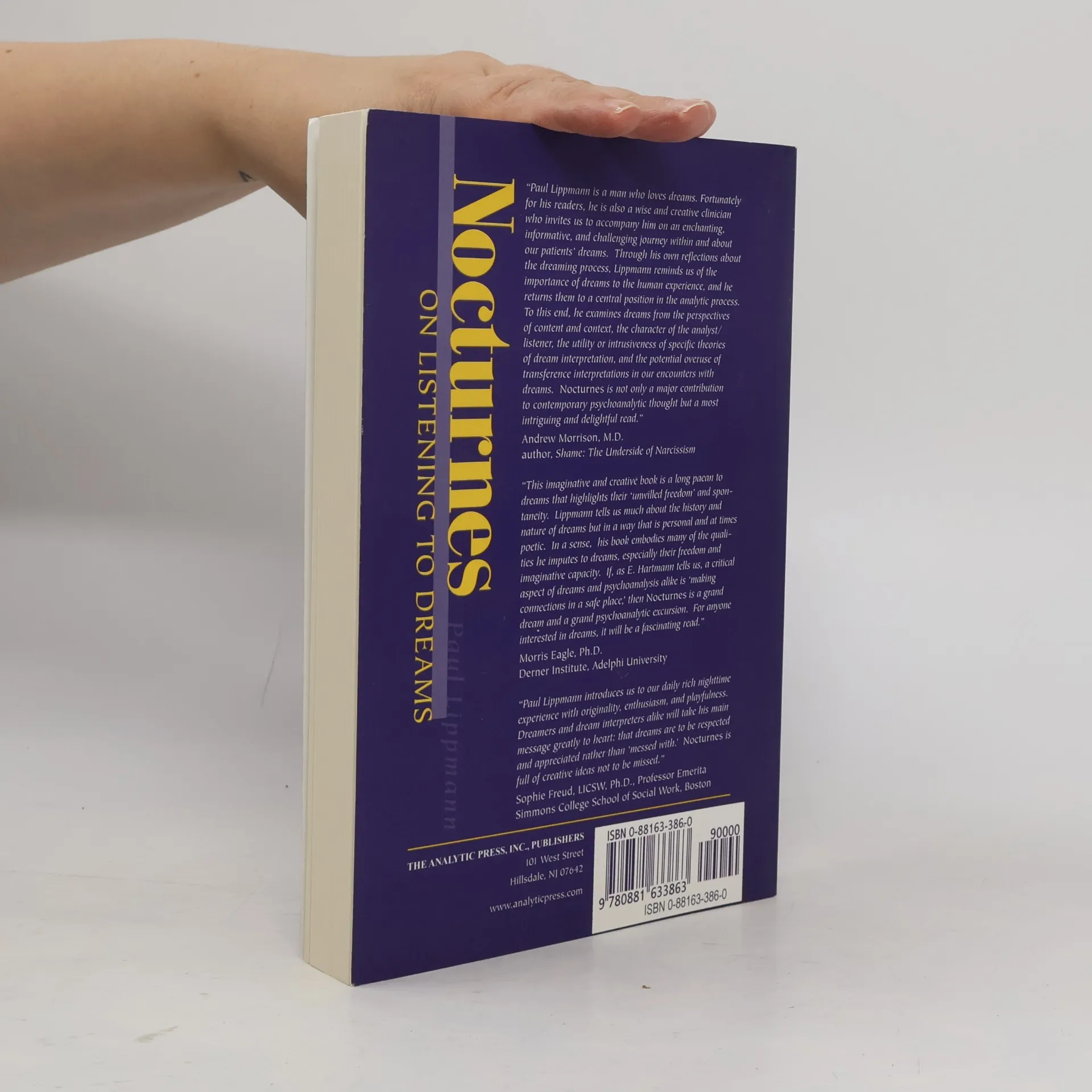

Nocturnes
Autoři
Parametry
- 280 stránek
- 10 hodin čtení
Více o knize
Nocturnes is an impressionistic exploration of the enigmatic realm of dreams, emphasizing what remains unknown about them. Instead of offering a conventional dream interpretation strategy, Lippmann advocates for a naturalistic approach that embraces the playful and complex creativity inherent in dreams. He encourages readers to engage with dreams on their own terms, allowing for an authentic experience of the unconscious that contrasts sharply with waking thought. With humor and practicality, Lippmann captivates both lay readers and professionals alike. He addresses intriguing questions that prompt a shift in perspective, such as how children learn about dreams, why most dreams are forgotten, and the nature of dreams related to sleeping and waking. He revisits timeless topics like dream disguise, forgetting, and the dynamics between the therapist and the patient when discussing dreams. Lippmann critiques the common scenario where a patient’s recollection of a dream leads to a struggle for interpretation, highlighting the absurdity of seeking immediate, practical insights from something so magical and mysterious. After engaging with this work, clinicians at any level will reconsider their responses to the phrase, "Oh, I had a dream last night."
Nákup knihy
Nocturnes, Paul Lippmann
- Jazyk

- Rok vydání
- 2002
- Vazba
- (měkká),
- Stav knihy
- Dobrá
- Cena
- 359 Kč
Doručení
Platební metody
Nikdo zatím neohodnotil.
- Titul
- Nocturnes
- Jazyk
- anglicky
- Autoři
- Paul Lippmann
- Vydavatel
- Routledge
- Rok vydání
- 2002
- Vazba
- měkká
- Počet stran
- 280
- ISBN10
- 0881633860
- ISBN13
- 9780881633863
- Série
- Kategorie
- Štítky
- Příručky a návody, USA, Odborná literatura, Život, Duševní zdraví, Psychoterapie, Sny, Psychoanalýza, Klinická psychologie, Hypnóza, Konverzace, Logické myšlení
- Anotace
- Nocturnes is an impressionistic exploration of the enigmatic realm of dreams, emphasizing what remains unknown about them. Instead of offering a conventional dream interpretation strategy, Lippmann advocates for a naturalistic approach that embraces the playful and complex creativity inherent in dreams. He encourages readers to engage with dreams on their own terms, allowing for an authentic experience of the unconscious that contrasts sharply with waking thought. With humor and practicality, Lippmann captivates both lay readers and professionals alike. He addresses intriguing questions that prompt a shift in perspective, such as how children learn about dreams, why most dreams are forgotten, and the nature of dreams related to sleeping and waking. He revisits timeless topics like dream disguise, forgetting, and the dynamics between the therapist and the patient when discussing dreams. Lippmann critiques the common scenario where a patient’s recollection of a dream leads to a struggle for interpretation, highlighting the absurdity of seeking immediate, practical insights from something so magical and mysterious. After engaging with this work, clinicians at any level will reconsider their responses to the phrase, "Oh, I had a dream last night."