

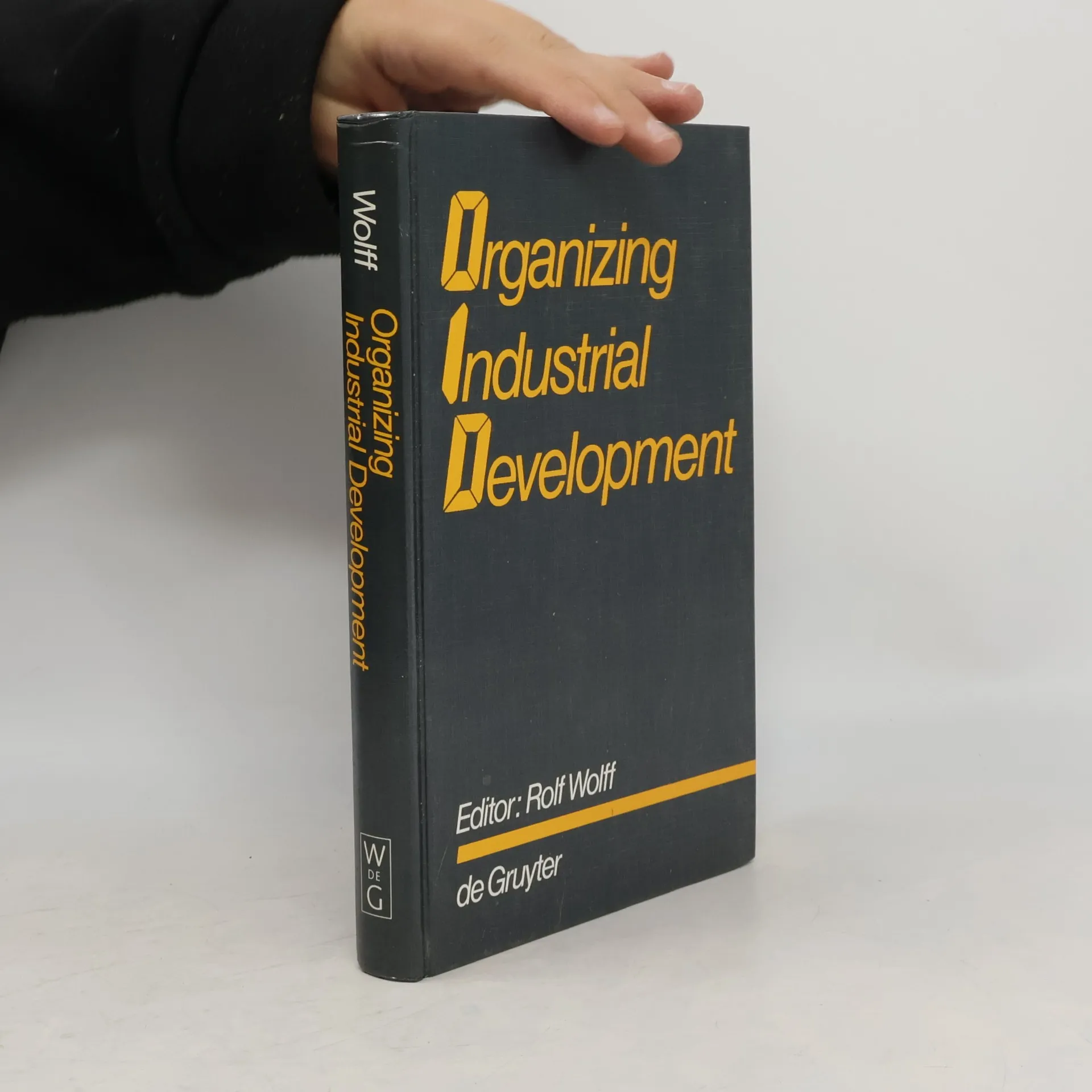


Organizing Industrial Development
Autoři
Parametry
- 402 stránek
- 15 hodin čtení
Více o knize
This work explores organization theory and its relevance to understanding industrial dynamics and development. It begins with an introduction to the visible hand of management and its impact on productivity growth. The first part addresses general problems in industrial dynamics, including the productivity slump, the politics of organizational economy, and Japan's unique decision-making processes. It examines the public roles of large corporations and the effects of mental standardization on industrial progress. The second part delves into the interplay between the private and public sectors, focusing on governmental influence on organizational decision-making in Britain, the nature of industrial policy, and innovation within specific sectors like remote sensing and bioenergy. It also discusses the relationship between politics and business strategy. The third part presents strategies for industrial development, emphasizing leadership in changing business environments, innovation management in diversified firms, and the implications of electronic communication on organizations. It considers the information society as a potential model for developing nations. Finally, the work discusses research and change, exploring decision-making theories, rationalization philosophy, and the need for effective organizational design. It concludes with a biography of Walter Goldberg and insights from the authors.
Nákup knihy
Organizing Industrial Development, Rolf H. Wolff
- Jazyk

- Rok vydání
- 1986
- Vazba
- (pevná),
- Stav knihy
- Dobrá
- Cena
- 249 Kč
Doručení
Platební metody
Nikdo zatím neohodnotil.
- Titul
- Organizing Industrial Development
- Jazyk
- anglicky
- Autoři
- Rolf H. Wolff
- Vydavatel
- De Gruyter
- Rok vydání
- 1986
- Vazba
- pevná
- Počet stran
- 402
- ISBN10
- 3110106698
- ISBN13
- 9783110106695
- Série
- Kategorie
- Anotace
- This work explores organization theory and its relevance to understanding industrial dynamics and development. It begins with an introduction to the visible hand of management and its impact on productivity growth. The first part addresses general problems in industrial dynamics, including the productivity slump, the politics of organizational economy, and Japan's unique decision-making processes. It examines the public roles of large corporations and the effects of mental standardization on industrial progress. The second part delves into the interplay between the private and public sectors, focusing on governmental influence on organizational decision-making in Britain, the nature of industrial policy, and innovation within specific sectors like remote sensing and bioenergy. It also discusses the relationship between politics and business strategy. The third part presents strategies for industrial development, emphasizing leadership in changing business environments, innovation management in diversified firms, and the implications of electronic communication on organizations. It considers the information society as a potential model for developing nations. Finally, the work discusses research and change, exploring decision-making theories, rationalization philosophy, and the need for effective organizational design. It concludes with a biography of Walter Goldberg and insights from the authors.