

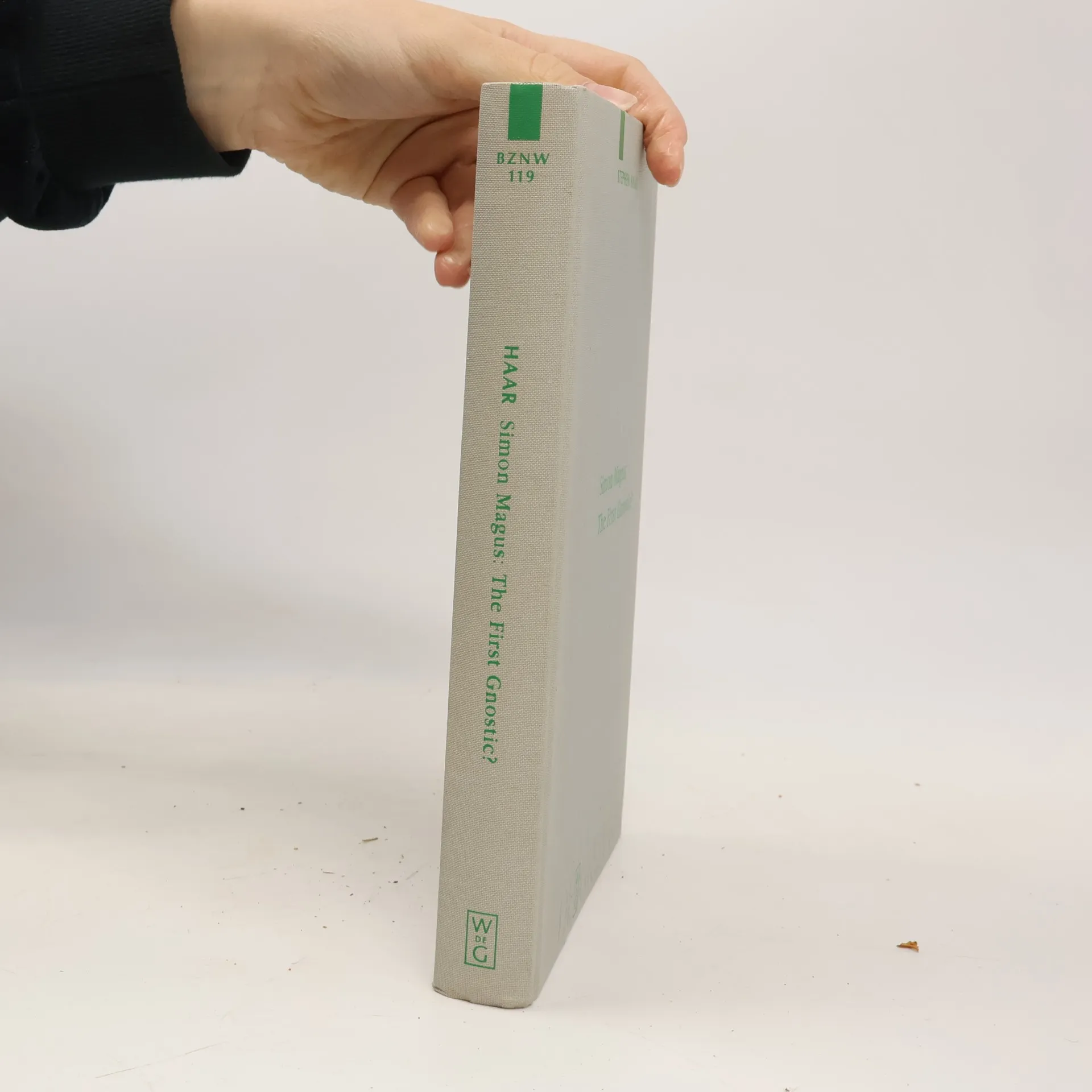

Beihefte zur Zeitschrift für die Neutestamentliche Wissenschaft und die Kunde der Älteren Kirche - 119: Simon Magus
The First Gnostic?
Autoři
Více o knize
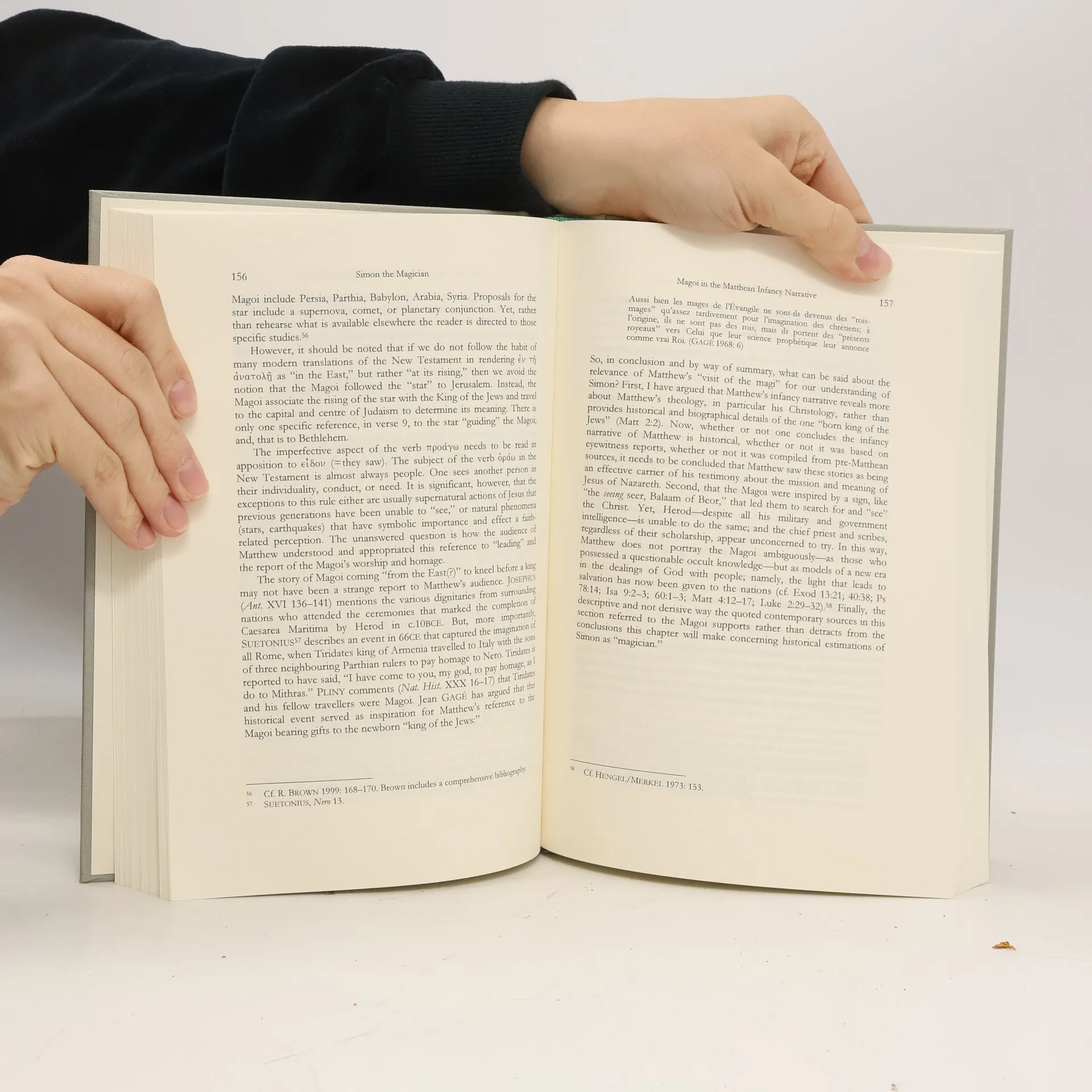
This latest comprehensive work on Simon Magus lends new impetus to the investigation of Early Christianity and questions surrounding the origin and nature of Gnosticism. Major contributions of this study (1), a departure from thetraditional exegesis of Acts 8, 5-24 (the first narrative source of Simon), and the later following reports of ancient Christianwriters; (2), an overview of the literature of Graeco-Roman antiquity to determine the contribution of "magic" and"the Magoi" in the development of perceptions and descriptions of Simon; and (3), the inclusion of social scienceexplanation models and modern estimations of "identity", in a creative approach to questions surrounding the phenomenon of Simon.
Nákup knihy
Beihefte zur Zeitschrift für die Neutestamentliche Wissenschaft und die Kunde der Älteren Kirche - 119: Simon Magus, Stephen Charles Haar
- Jazyk

- Rok vydání
- 2003
- Vazba
- (pevná),
- Stav knihy
- Poškozená
- Cena
- 3 099 Kč
Doručení
Platební metody
Nikdo zatím neohodnotil.
- Titul
- Beihefte zur Zeitschrift für die Neutestamentliche Wissenschaft und die Kunde der Älteren Kirche - 119: Simon Magus
- Podtitul
- The First Gnostic?
- Jazyk
- anglicky
- Autoři
- Stephen Charles Haar
- Vydavatel
- De Gruyter
- Rok vydání
- 2003
- Vazba
- pevná
- Počet stran
- 408
- ISBN10
- 3110176890
- ISBN13
- 9783110176896
- Série
- Štítky
- Historické téma, Náboženská témata, Křesťanská témata, Magie, Teologie, Bible, Inspirace, Etika, Nový zákon, Sekty a kulty, Historie náboženství, Rané křesťanství, Gnosticismus, gnóze, Hláskosloví, fonologie
- Anotace
- This latest comprehensive work on Simon Magus lends new impetus to the investigation of Early Christianity and questions surrounding the origin and nature of Gnosticism. Major contributions of this study (1), a departure from thetraditional exegesis of Acts 8, 5-24 (the first narrative source of Simon), and the later following reports of ancient Christianwriters; (2), an overview of the literature of Graeco-Roman antiquity to determine the contribution of "magic" and"the Magoi" in the development of perceptions and descriptions of Simon; and (3), the inclusion of social scienceexplanation models and modern estimations of "identity", in a creative approach to questions surrounding the phenomenon of Simon.