

Drehscheibe Dresden
Více o knize
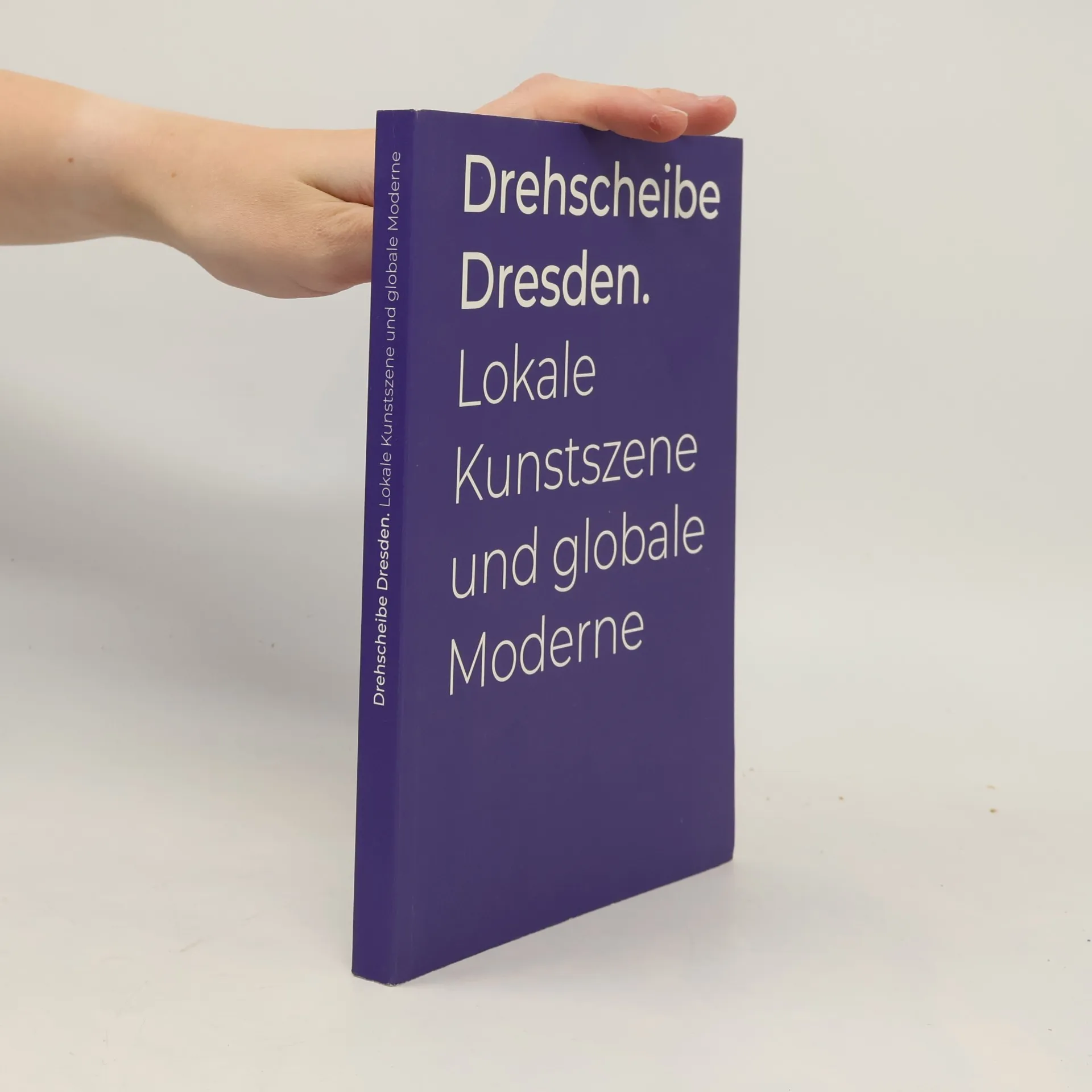
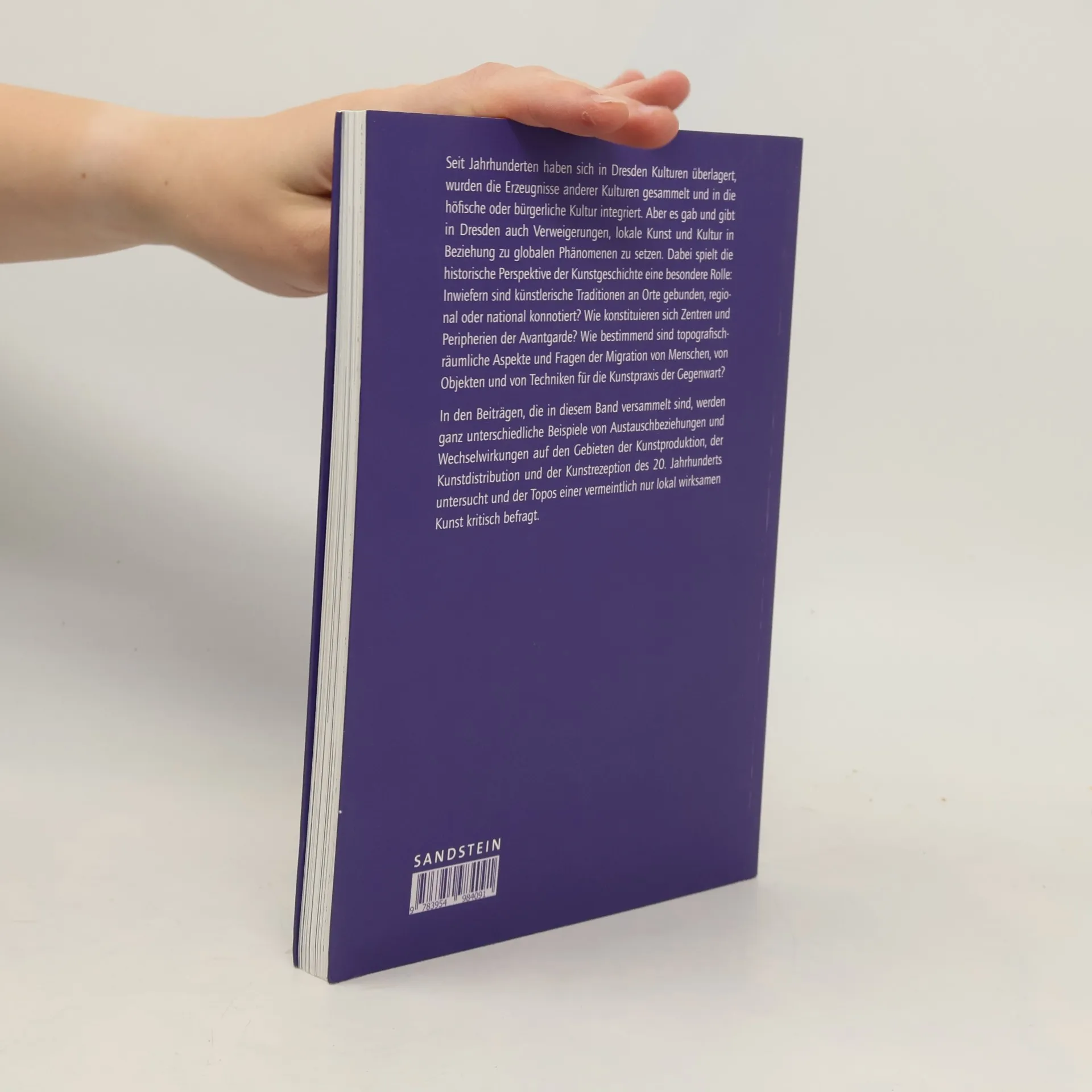
Dresden as a Hub. Local Art Scene and and Global Modernity For centuries, Dresden has been a city where different cultures overlap and where products from other cultures were collected and incorporated into the courtly and bourgeois cultures. However, there also existed, and exists, a refusal to relate the local art and culture to global phenomena. In this, the historical perspective assumed by the history of art is capable of playing a special role. To what extent are artistic traditions tied to places and impregnated with regional or national connotations? What factors constitute the centers and peripheries of the avant-garde? What significance do topographical and spatial aspects, questions concerning human migration, objects and techniques have for the contemporary art practice? The contributions to this volume examine different examples of exchange relationships and interactions in the fields of art production, art distribution, and art reception in the 20th century, critically questioning the topos of an only locally effective art.
Nákup knihy
Drehscheibe Dresden, Gilbert Lupfer, Maria Obenaus, Susanne König, Germany) Deutscher Kunsthistorkertag (34th 2017 Dresden
- Jazyk

- Rok vydání
- 2018
- Vazba
- (měkká),
- Stav knihy
- Dobrá
- Cena
- 419 Kč
Doručení
Platební metody
Nikdo zatím neohodnotil.
- Titul
- Drehscheibe Dresden
- Jazyk
- německy
- Autoři
- Gilbert Lupfer, Maria Obenaus, Susanne König, Germany) Deutscher Kunsthistorkertag (34th 2017 Dresden
- Vydavatel
- Sandstein Kommunikation
- Rok vydání
- 2018
- Vazba
- měkká
- Počet stran
- 159
- ISBN10
- 3954984091
- ISBN13
- 9783954984091
- Série
- Anotace
- Dresden as a Hub. Local Art Scene and and Global Modernity For centuries, Dresden has been a city where different cultures overlap and where products from other cultures were collected and incorporated into the courtly and bourgeois cultures. However, there also existed, and exists, a refusal to relate the local art and culture to global phenomena. In this, the historical perspective assumed by the history of art is capable of playing a special role. To what extent are artistic traditions tied to places and impregnated with regional or national connotations? What factors constitute the centers and peripheries of the avant-garde? What significance do topographical and spatial aspects, questions concerning human migration, objects and techniques have for the contemporary art practice? The contributions to this volume examine different examples of exchange relationships and interactions in the fields of art production, art distribution, and art reception in the 20th century, critically questioning the topos of an only locally effective art.