

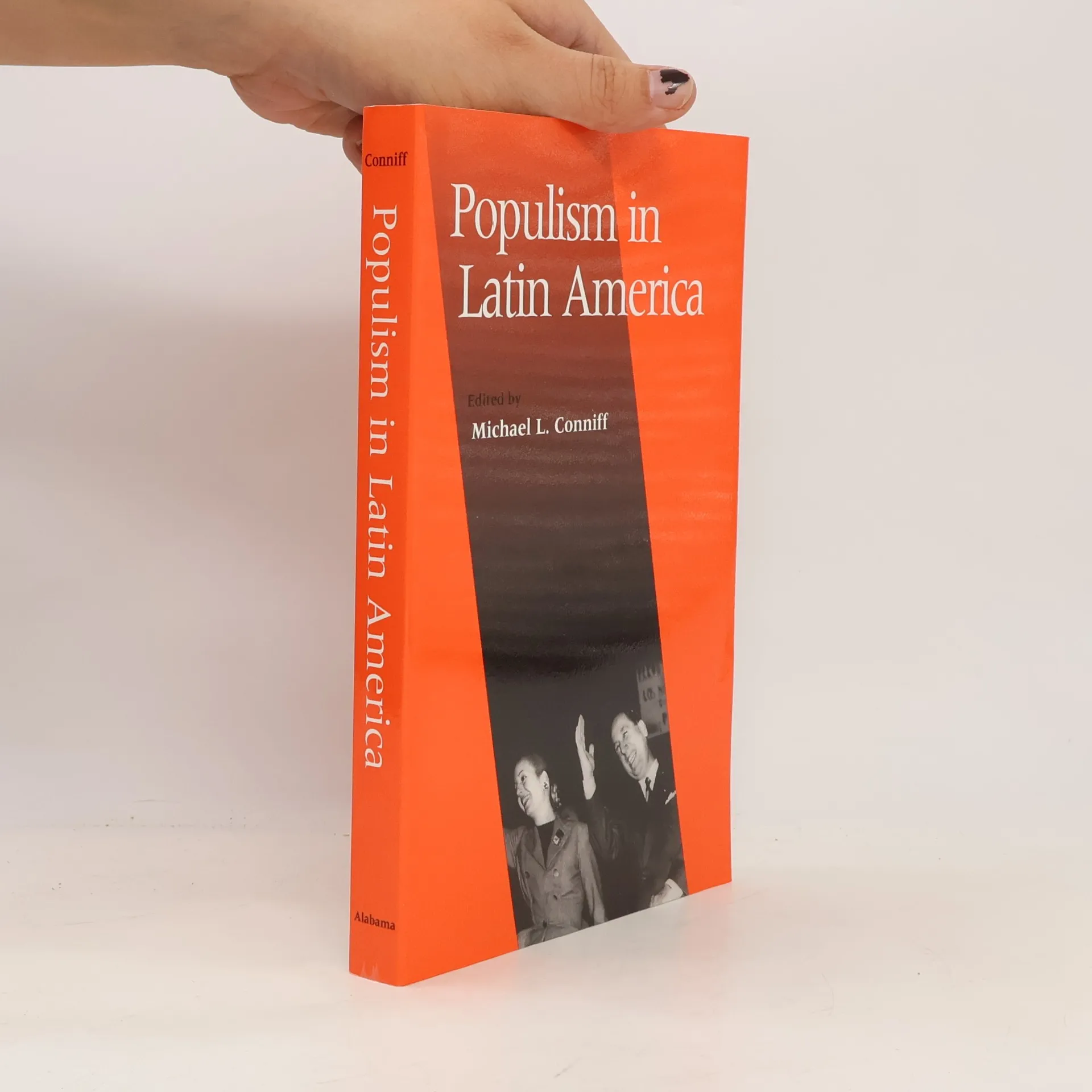

Populism in Latin America
Parametry
- 272 stránek
- 10 hodin čtení
Více o knize
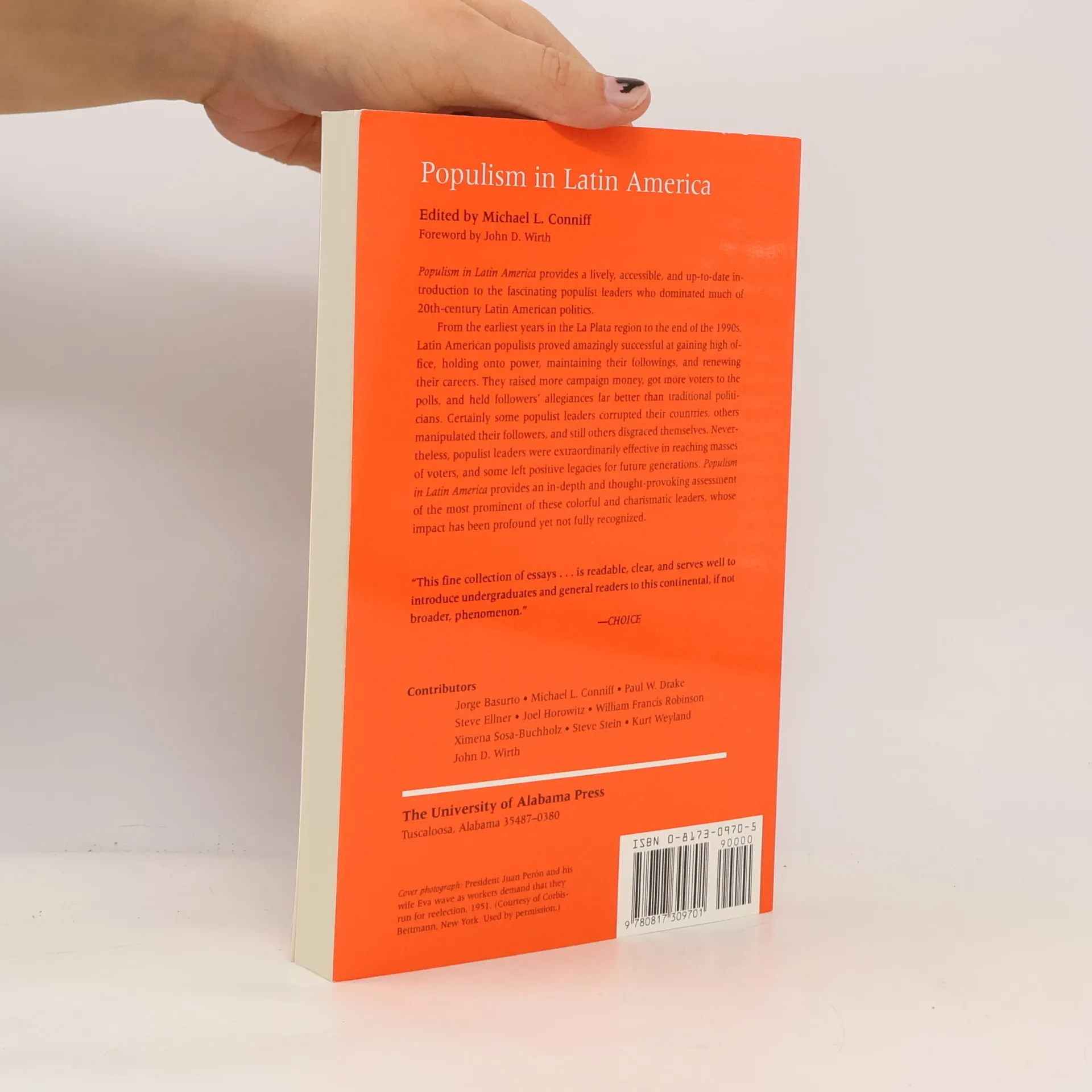
This work offers an engaging and current introduction to the influential populist leaders who shaped 20th-century Latin American politics. Covering the La Plata region to the late 1990s, it highlights how these populists excelled in securing high office, maintaining power, and cultivating loyal followings, often outpacing traditional politicians in campaign funding and voter turnout. While some leaders corrupted their nations or manipulated supporters, others left positive legacies. The book presents a thoughtful assessment of notable populist figures whose profound impact remains underappreciated. Scholars explore populism in countries significantly affected by this unique approach to governance, including Argentina, Brazil, Chile, Mexico, Peru, Venezuela, Ecuador, and Panama. For instance, Joel Horowitz investigates Argentina’s rich populist history, from Hipólito Yrigoyen to Juan and Evita Perón, concluding with Carlos Menem. Ximena Sosa-Buchholz sheds light on Ecuador's populism, often overlooked in modern political studies. Kurt Weyland challenges the idea that neoliberal economic policies cannot coexist with populism. Additional leaders discussed include Lázaro Cárdenas, Rómulo Betancourt, and Alberto Fujimori. In the epilogue, editor Michael Conniff suggests new research avenues and provides a comprehensive overview of key writings and methodologies in the field.
Nákup knihy
Populism in Latin America, John D. Wirth, Steve Stein, Steve Ellner, Michael L. Conniff
- Jazyk

- Rok vydání
- 1999
- Vazba
- (měkká)
Doručení
Platební metody
Nikdo zatím neohodnotil.
- Titul
- Populism in Latin America
- Jazyk
- anglicky
- Vydavatel
- University of Alabama Press
- Rok vydání
- 1999
- Vazba
- měkká
- Počet stran
- 272
- ISBN10
- 0817309705
- ISBN13
- 9780817309701
- Série
- Kategorie
- Štítky
- Sborníky, antologie, Politika, USA, Odborná literatura, Sebrané spisy, Jižní Amerika, Latinská Amerika, Populismus
- Anotace
- This work offers an engaging and current introduction to the influential populist leaders who shaped 20th-century Latin American politics. Covering the La Plata region to the late 1990s, it highlights how these populists excelled in securing high office, maintaining power, and cultivating loyal followings, often outpacing traditional politicians in campaign funding and voter turnout. While some leaders corrupted their nations or manipulated supporters, others left positive legacies. The book presents a thoughtful assessment of notable populist figures whose profound impact remains underappreciated. Scholars explore populism in countries significantly affected by this unique approach to governance, including Argentina, Brazil, Chile, Mexico, Peru, Venezuela, Ecuador, and Panama. For instance, Joel Horowitz investigates Argentina’s rich populist history, from Hipólito Yrigoyen to Juan and Evita Perón, concluding with Carlos Menem. Ximena Sosa-Buchholz sheds light on Ecuador's populism, often overlooked in modern political studies. Kurt Weyland challenges the idea that neoliberal economic policies cannot coexist with populism. Additional leaders discussed include Lázaro Cárdenas, Rómulo Betancourt, and Alberto Fujimori. In the epilogue, editor Michael Conniff suggests new research avenues and provides a comprehensive overview of key writings and methodologies in the field.