

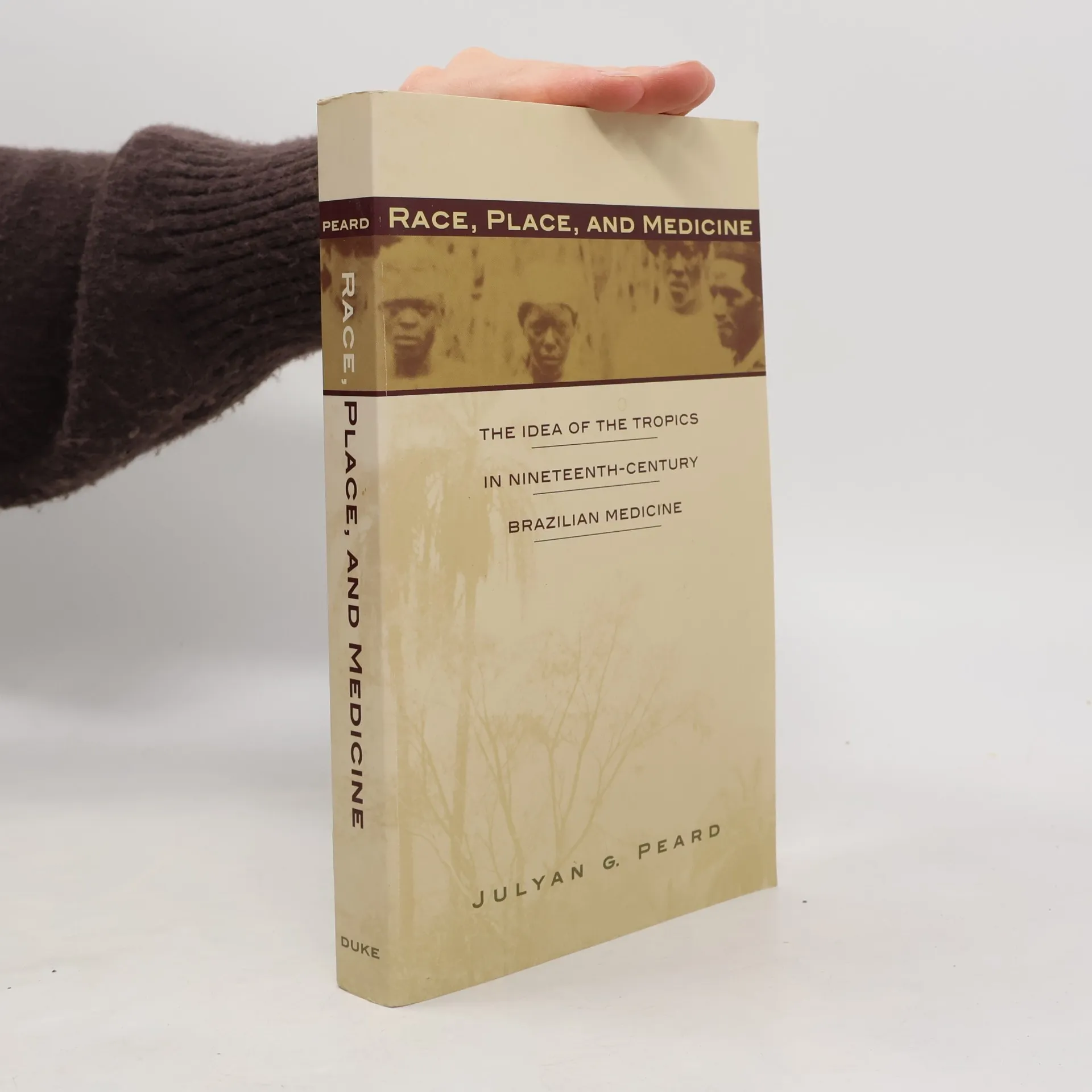



Race, Place, and Medicine
The Idea of the Tropics in Nineteenth-Century Brazil
Autoři
Parametry
- 328 stránek
- 12 hodin čtení
Více o knize
Race, Place, and Medicine explores the influence of the Bahian Tropicalista School of Medicine, a group of nineteenth-century Brazilian physicians who significantly impacted medical practices in Brazil. Julyan G. Peard details how these clinicians engaged in international debates, adapting Western medicine to challenge the prevailing Brazilian medical norms. They sought to determine whether tropical diseases were distinct from those in temperate Europe, conducting groundbreaking research in parasitology, herpetology, and tropical disorders. Their findings countered European notions of Brazilian racial and cultural inferiority. In response to European pessimism regarding tropical health care, the Tropicalistas developed a unique medical approach, emphasizing that public health improvements required addressing major social issues like slavery and abolition. They advocated for inclusive health care that reached marginalized groups, particularly women. However, their ambitious agenda, which included social critiques and calls for broader health measures, ultimately faltered. The book reveals how imported tropical medicine models, designed by colonial powers, overlooked the socioeconomic factors influencing tropical diseases. This examination of a neglected chapter in Latin American history will appeal to Brazilianists and scholars of Latin American, medical, and scientific history.
Nákup knihy
Race, Place, and Medicine, Julyan G. Peard
- Jazyk

- Rok vydání
- 1999
- Vazba
- (pevná),
- Stav knihy
- Poškozená
- Cena
- 365 Kč
Doručení
Platební metody
Nikdo zatím neohodnotil.
- Titul
- Race, Place, and Medicine
- Podtitul
- The Idea of the Tropics in Nineteenth-Century Brazil
- Jazyk
- anglicky
- Autoři
- Julyan G. Peard
- Vydavatel
- Duke University Press
- Rok vydání
- 1999
- Vazba
- pevná
- Počet stran
- 328
- ISBN10
- 0822323761
- ISBN13
- 9780822323761
- Série
- Kategorie
- Štítky
- USA, Lékařská tématika, Odborná literatura, 19. století, Sociální historie, Jižní Amerika, Brazílie, Latinská Amerika, Historie lékařství, Tropické lékařství
- Anotace
- Race, Place, and Medicine explores the influence of the Bahian Tropicalista School of Medicine, a group of nineteenth-century Brazilian physicians who significantly impacted medical practices in Brazil. Julyan G. Peard details how these clinicians engaged in international debates, adapting Western medicine to challenge the prevailing Brazilian medical norms. They sought to determine whether tropical diseases were distinct from those in temperate Europe, conducting groundbreaking research in parasitology, herpetology, and tropical disorders. Their findings countered European notions of Brazilian racial and cultural inferiority. In response to European pessimism regarding tropical health care, the Tropicalistas developed a unique medical approach, emphasizing that public health improvements required addressing major social issues like slavery and abolition. They advocated for inclusive health care that reached marginalized groups, particularly women. However, their ambitious agenda, which included social critiques and calls for broader health measures, ultimately faltered. The book reveals how imported tropical medicine models, designed by colonial powers, overlooked the socioeconomic factors influencing tropical diseases. This examination of a neglected chapter in Latin American history will appeal to Brazilianists and scholars of Latin American, medical, and scientific history.