

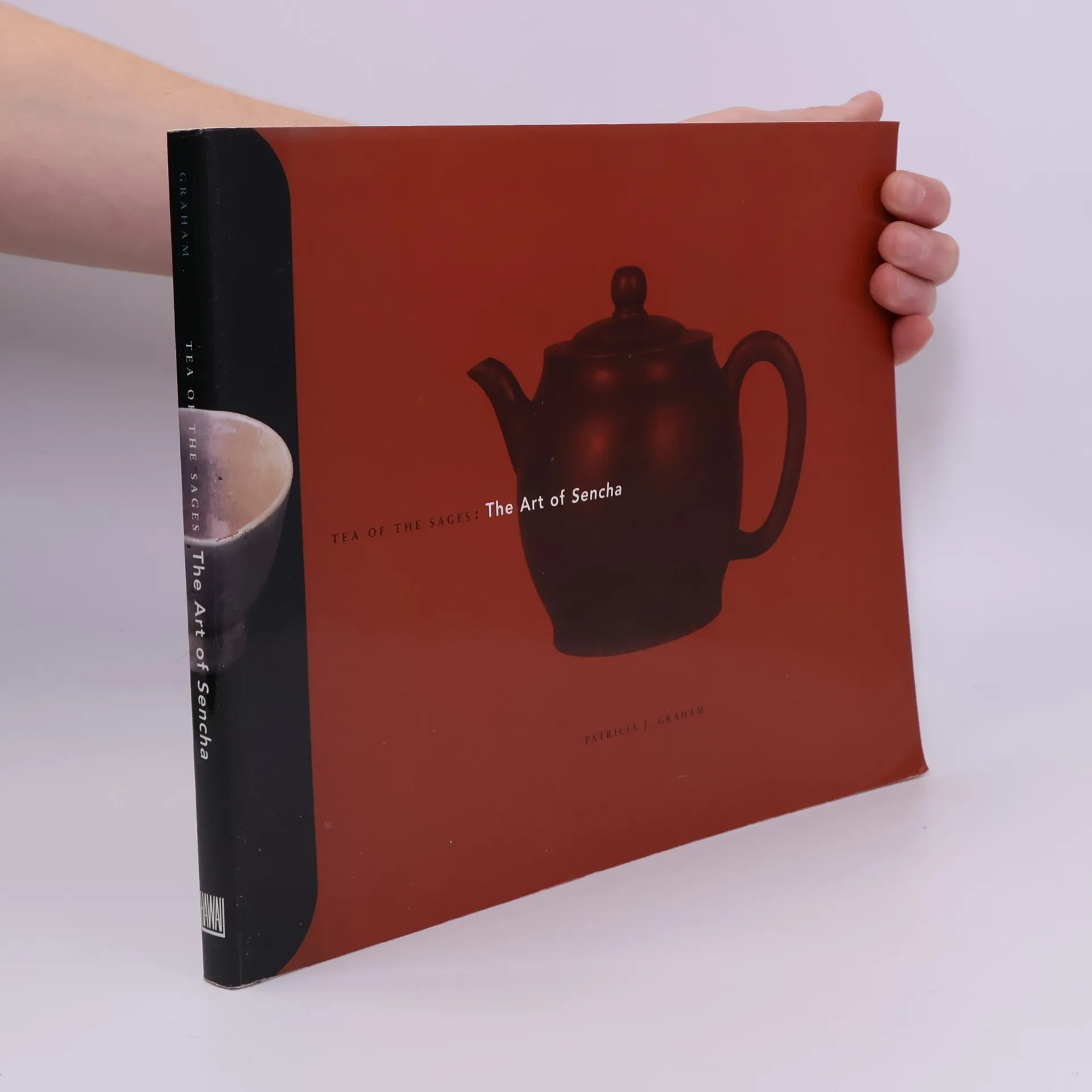
Tea of the Sages
The Art of Sencha
Autoři
Parametry
- 272 stránek
- 10 hodin čtení
Více o knize
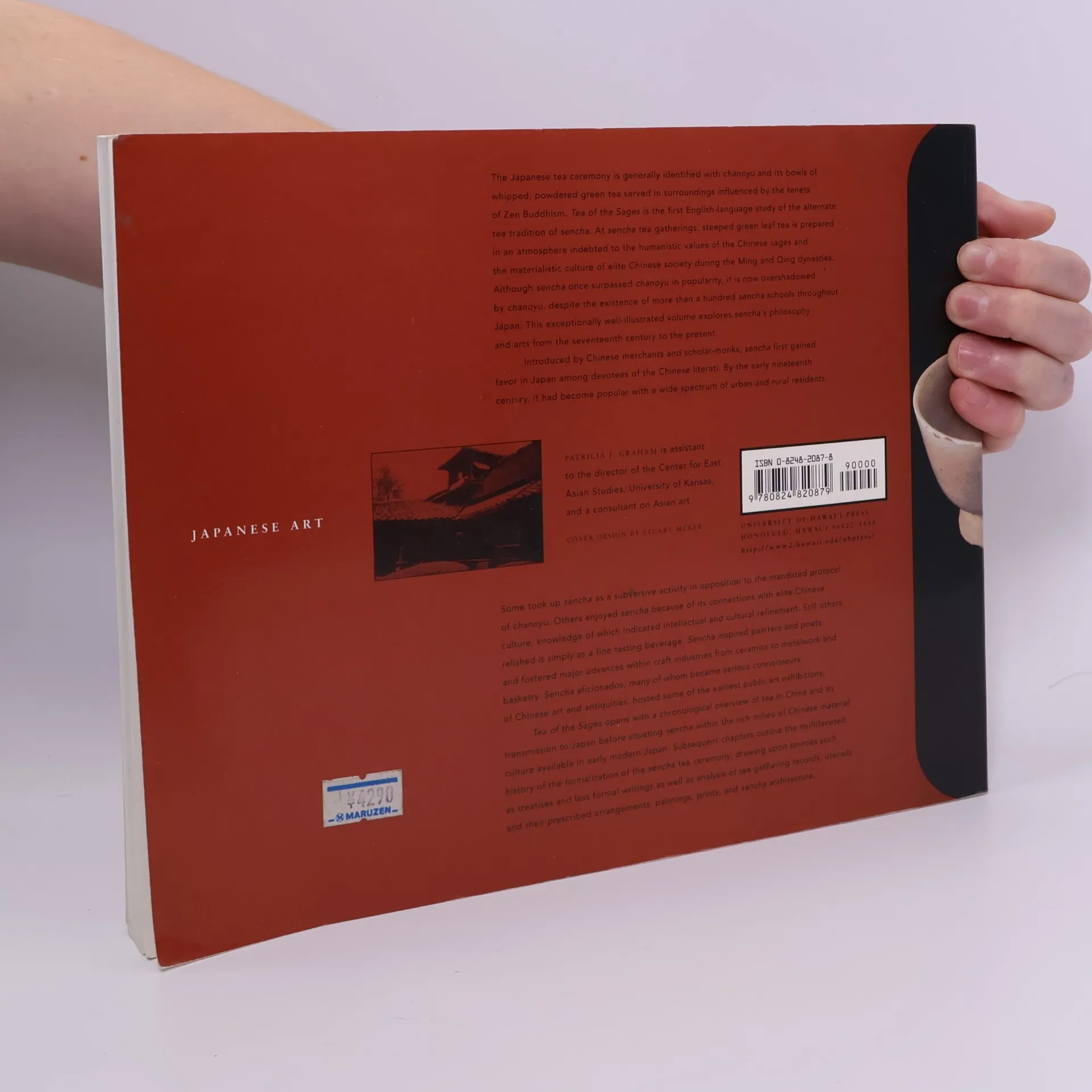
The Japanese tea ceremony is commonly associated with chanoyu, featuring bowls of whipped, powdered green tea in settings influenced by Zen Buddhism. This volume presents the first English study of the alternative tea tradition of sencha, where steeped green leaf tea is enjoyed in an atmosphere shaped by the humanistic values of Chinese sages and the elite material culture of the Ming and Qing dynasties. Once more popular than chanoyu, sencha is now overshadowed despite over a hundred sencha schools in Japan. This well-illustrated work delves into sencha's philosophy and arts from the seventeenth century to today. Introduced by Chinese merchants and scholar-monks, sencha gained favor among Japanese devotees of the Chinese literati and became popular by the early nineteenth century among diverse urban and rural residents. Some embraced sencha as a subversive alternative to chanoyu's strict protocols, while others appreciated its ties to elite Chinese culture, indicating intellectual refinement. Sencha also inspired artists and fostered advancements in craft industries, leading to early public art exhibitions. The book begins with a chronological overview of tea in China and its introduction to Japan, then situates sencha within the rich context of early modern Japanese material culture. Subsequent chapters detail the formalization of the sencha tea ceremony, drawing from treatises, writings, gathering records, utensils, and art
Nákup knihy
Tea of the Sages, Patricia Jane Graham
- Jazyk

- Rok vydání
- 1999
- Vazba
- (měkká)
Doručení
Platební metody
Nikdo zatím neohodnotil.
- Titul
- Tea of the Sages
- Podtitul
- The Art of Sencha
- Jazyk
- anglicky
- Autoři
- Patricia Jane Graham
- Vydavatel
- University of Hawaii Press
- Rok vydání
- 1999
- Vazba
- měkká
- Počet stran
- 272
- ISBN10
- 0824820878
- ISBN13
- 9780824820879
- Série
- Kategorie
- Štítky
- Historické téma, Umění, USA, Kultura a společnost, Asie, Čaj, Dálný východ
- Anotace
- The Japanese tea ceremony is commonly associated with chanoyu, featuring bowls of whipped, powdered green tea in settings influenced by Zen Buddhism. This volume presents the first English study of the alternative tea tradition of sencha, where steeped green leaf tea is enjoyed in an atmosphere shaped by the humanistic values of Chinese sages and the elite material culture of the Ming and Qing dynasties. Once more popular than chanoyu, sencha is now overshadowed despite over a hundred sencha schools in Japan. This well-illustrated work delves into sencha's philosophy and arts from the seventeenth century to today. Introduced by Chinese merchants and scholar-monks, sencha gained favor among Japanese devotees of the Chinese literati and became popular by the early nineteenth century among diverse urban and rural residents. Some embraced sencha as a subversive alternative to chanoyu's strict protocols, while others appreciated its ties to elite Chinese culture, indicating intellectual refinement. Sencha also inspired artists and fostered advancements in craft industries, leading to early public art exhibitions. The book begins with a chronological overview of tea in China and its introduction to Japan, then situates sencha within the rich context of early modern Japanese material culture. Subsequent chapters detail the formalization of the sencha tea ceremony, drawing from treatises, writings, gathering records, utensils, and art