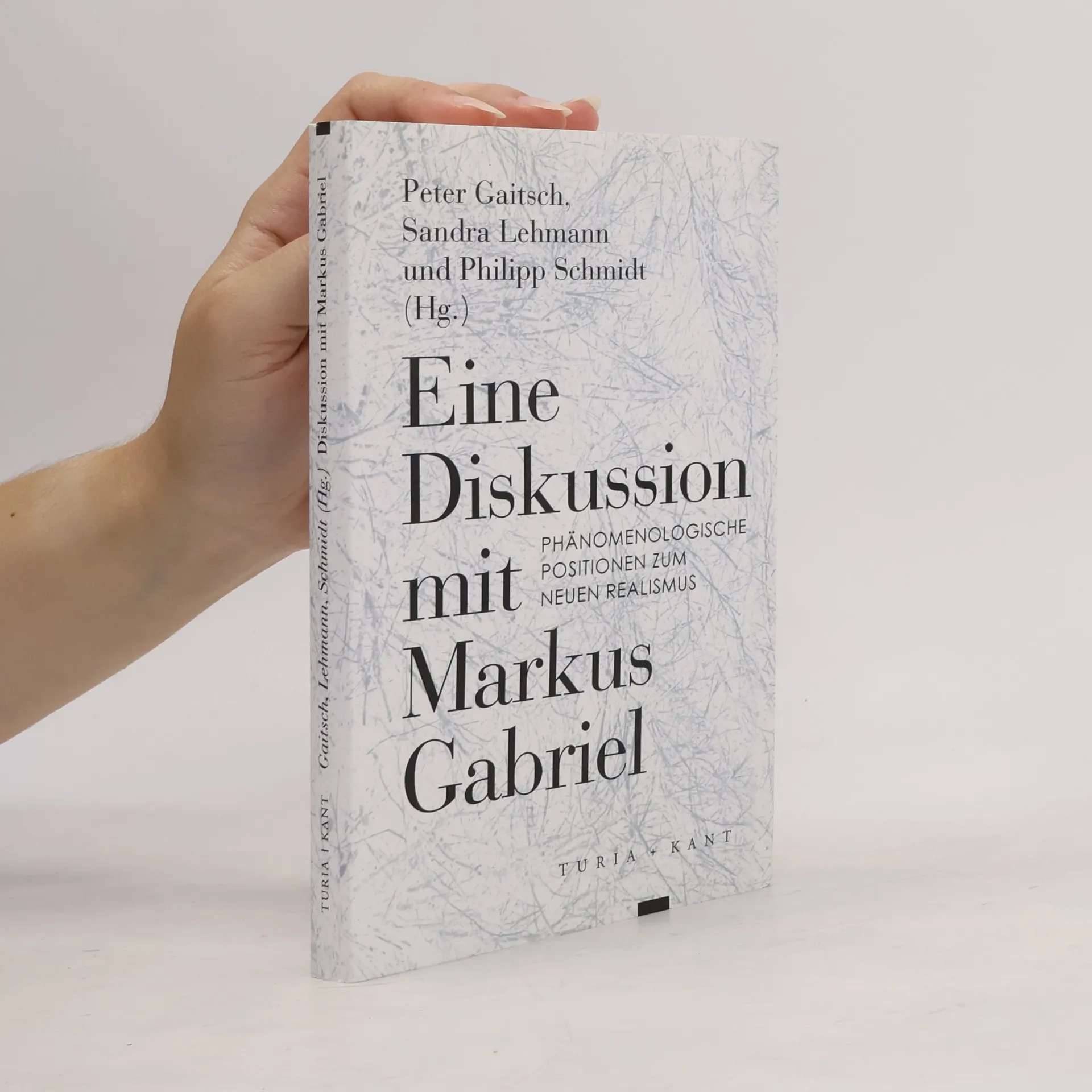

Knihobot

Markus Gabriel

    6. duben 1980

    Markus Gabriel je mladý německý filozof, který se zaměřuje na epistemologii. Jeho práce zkoumá hranice našeho poznání a způsoby, jakými konstruujeme realitu. Gabriel je známý svým inovativním myšlením a schopností přinášet filozofické koncepty do současného světa. Jeho texty vyzývají čtenáře k zamyšlení nad podstatou skutečnosti a našeho místa v ní.

    The Human Animal
    I am not a brain
    The Power of Art
    Stefan Heyne - Naked light
    Towards a New Enlightenment - The Case for Future-Oriented Humanities
    Sense, Nonsense, and Subjectivity
    • Markus Gabriel explores the often-neglected negative aspects of knowledge, such as ignorance and delusion, arguing that being wrong is inherent to subjectivity. This work offers a fresh perspective on epistemic failures within the framework of New Realism, challenging traditional philosophical views.

      Sense, Nonsense, and Subjectivity
      4,7
    • What role can the humanities play in shaping our common future? What are the values that guide us in the 21st century? How can we unleash the potential the humanities offer in a time of multiple crises? This volume tackles some of these fundamental questions, acknowledging and developing the changing role of academic discourse in a turbulent world. This timely book argues that the humanities engender conceptual tools that are capable of reconciling theory and practice. In a bold move, we call for the humanities to reach beyond the confines of universities and engage in the most urgent debates facing humanity today - in a multidisciplinary, transformative, and constructive way. This is a blueprint for how societal change can be inclusive and equitable for the good of humans and non-humans alike.

      Towards a New Enlightenment - The Case for Future-Oriented Humanities
      4,0
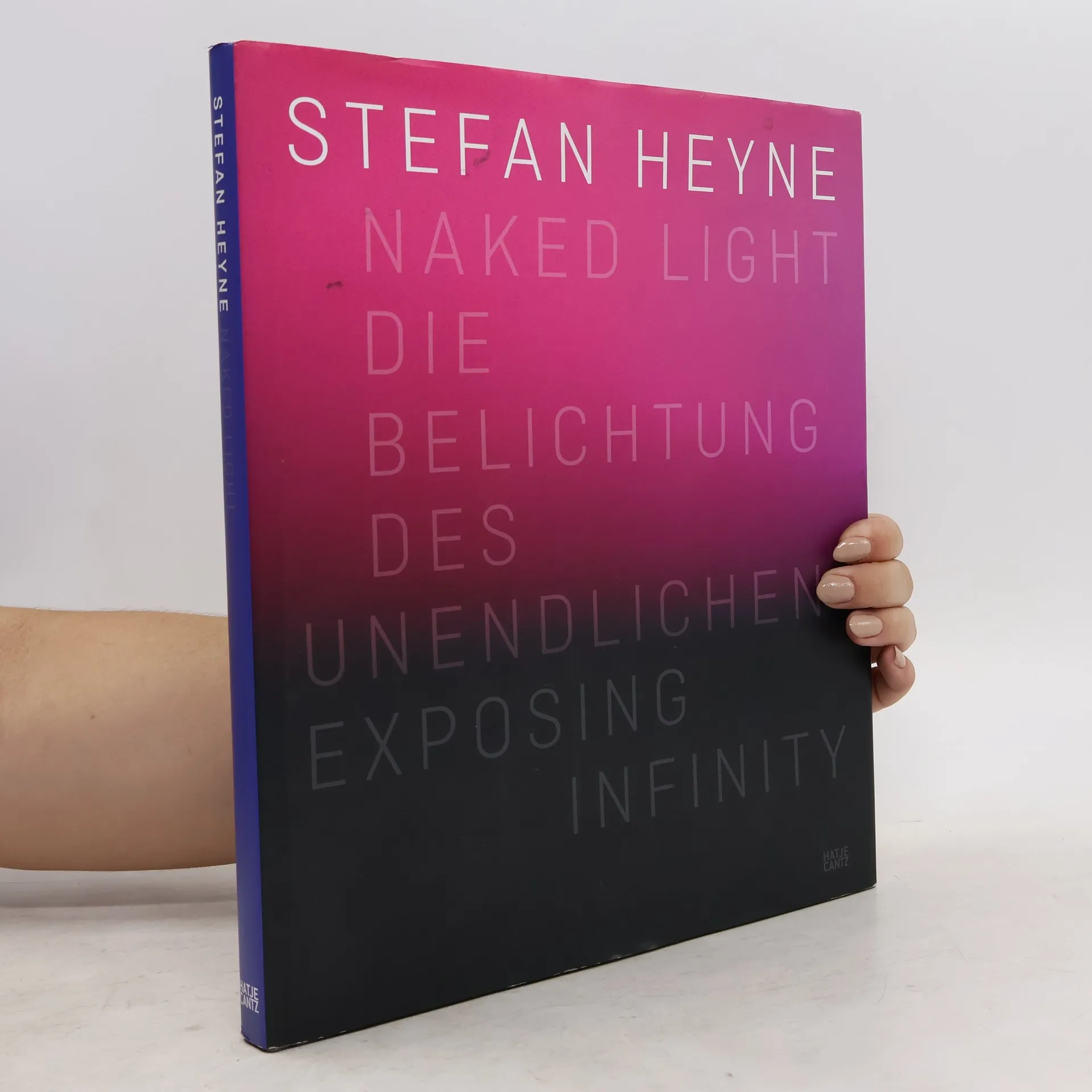
    • Stefan Heyne - Naked light

      • 128 stránek
      • 5 hodin čtení

      Die Fotografien von Stefan Heyne (*1965) sind gegenstandslos – bewusst und betont. Er lässt weg, was Fotografie gemeinhin ausmacht, verzichtet auf jede Identifizierbarkeit des Motivs. Heyne treibt die Abstraktion auf die Spitze, reduziert seine Bilder auf ein unscharfes Wechselspiel aus Licht und Schatten, bei einer völligen Offenheit der Form. In seiner jüngsten Serie verzichtet der Künstler jedoch ausdrücklich auf die Unschärfe als künstlerisches Mittel und setzt nun im Gegenteil auf die gestochen scharfe Reproduktion des vielleicht puristischsten aller Motive: Aus dem Flugzeugfenster fotografiert er in der Dämmerung den wolkenlosen Himmel. Die sich in diesen Aufnahmen zeigenden Farbspektren des reinen Lichts erscheinen weich gezeichnet und unscharf, sind es jedoch nicht. Damit wirft Stefan Heyne die Frage auf, ob die Wirklichkeit nicht doch letztlich unscharf ist, und erreicht die in seinem Werk bisher radikalste Abstraktion. Diese Bilder konfrontieren den Betrachter mit der endlosen Tiefe des Raumes, mit der Unendlichkeit. Ausstellung/Exhibition: Städtische Galerie Dresden 13.6.–14.9.201
      Stefan Heyne - Naked light
      3,0
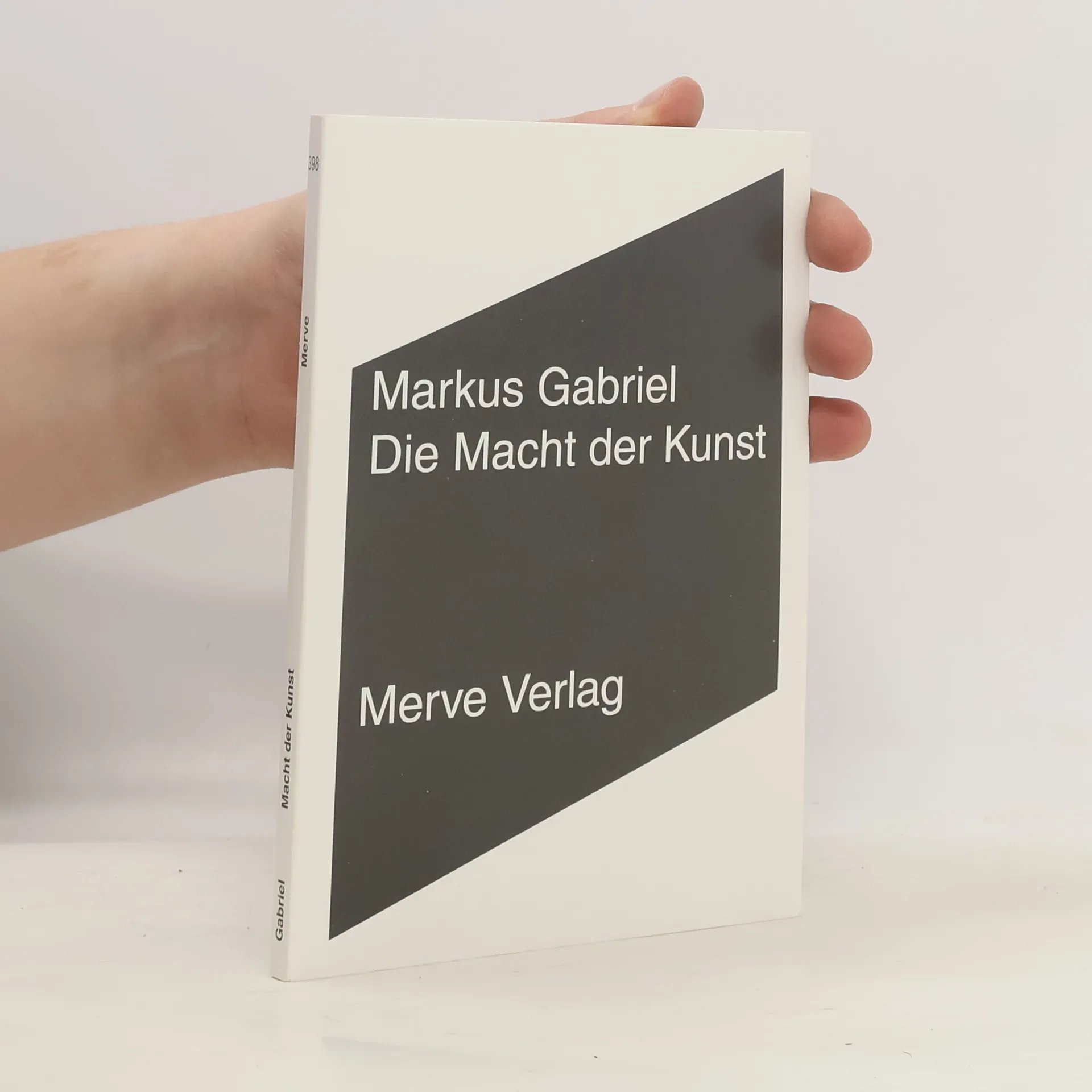
    • The Power of Art

      • 100 stránek
      • 4 hodiny čtení

      First published in French as Le Pouvoir de l'art (c) Editions Saint-Simon, 2018--T.p. verso.

      The Power of Art
      4,0
    • I am not a brain

      • 244 stránek
      • 9 hodin čtení

      Many consider the nature of human consciousness to be one of the last great unsolved mysteries. Why should the light turn on, so to speak, in human beings at all? And how is the electrical storm of neurons under our skull connected with our consciousness? Is the self only our brain’s user interface, a kind of stage on which a show is performed that we cannot freely direct? In this book, philosopher Markus Gabriel challenges an increasing trend in the sciences towards neurocentrism, a notion which rests on the assumption that the self is identical to the brain. Gabriel raises serious doubts as to whether we can know ourselves in this way. In a sharp critique of this approach, he presents a new defense of the free will and provides a timely introduction to philosophical thought about the self – all with verve, humor, and surprising insights. Gabriel criticizes the scientific image of the world and takes us on an eclectic journey of self-reflection by way of such concepts as self, consciousness, and freedom, with the aid of Kant, Schopenhauer, and Nagel but also Dr. Who, The Walking Dead, and Fargo.

      I am not a brain
      3,6
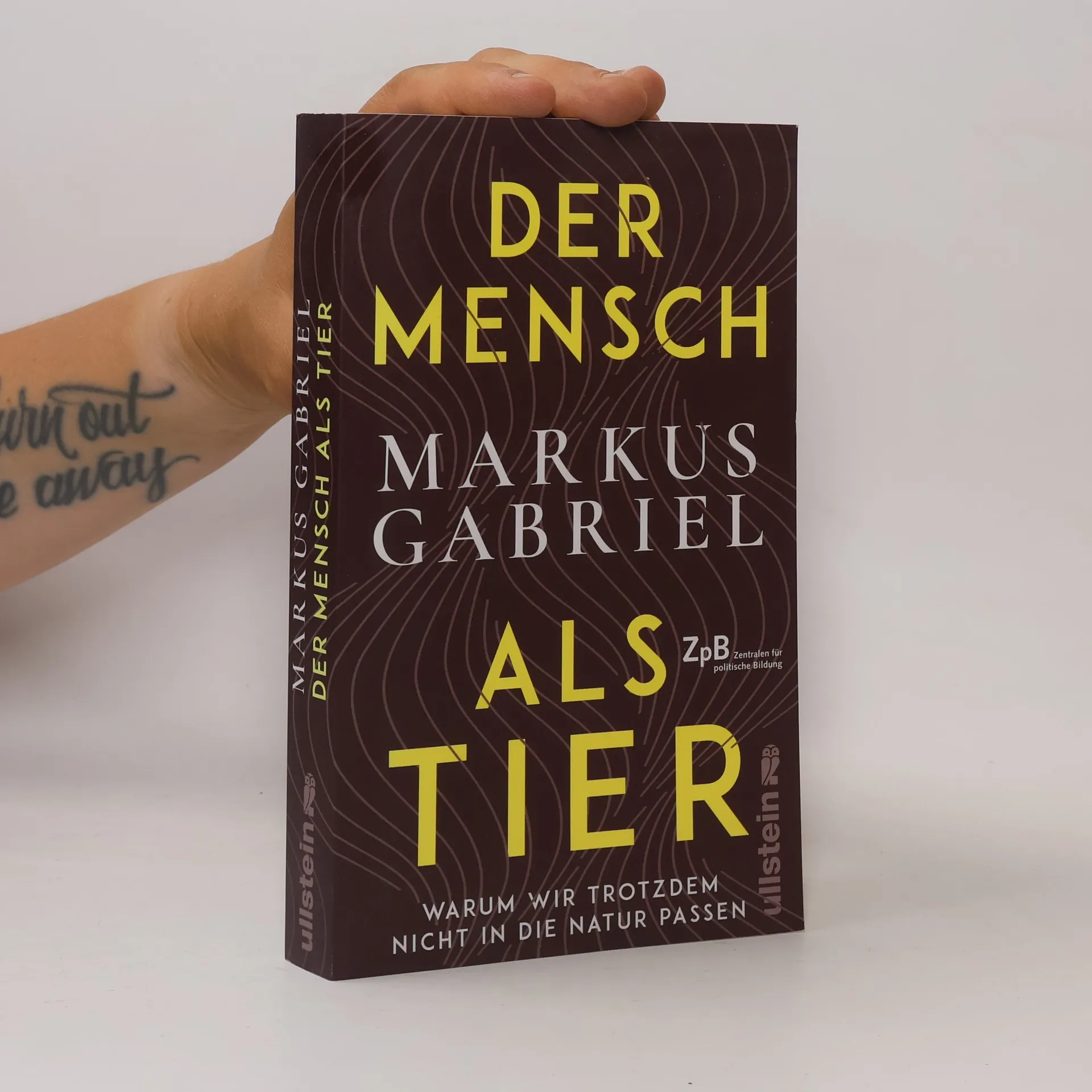
    • The Human Animal

      Why We Still Don't Fit into Nature

      • 292 stránek
      • 11 hodin čtení

      The book explores the intricate relationship between humans and nature, emphasizing that our survival hinges on recognizing our interconnectedness with the environment. It posits that what sets humans apart from other animals is our capacity for understanding and ethical reflection. This unique trait brings a responsibility to consider our actions in relation to other living beings. The author advocates for an ethics of not-knowing, acknowledging the limits of our understanding, which can help us navigate the challenges posed by the climate crisis.

      The Human Animal
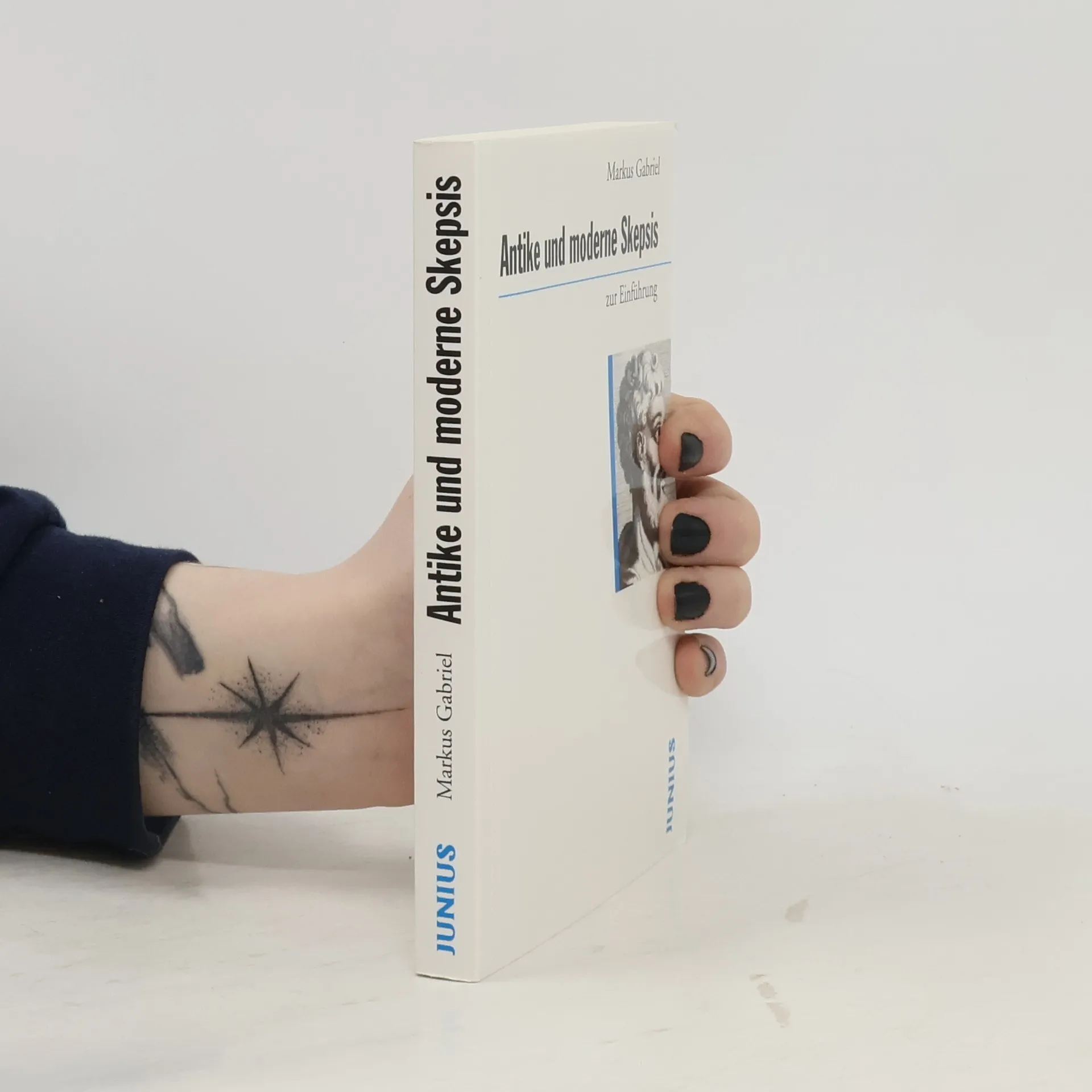
    • Skepsis ist die Bezeichnung für eine philosophische Haltung, die grundsätzlich in Frage stellt, dass wir überhaupt irgendetwas wissen können. Trotz der Erfolge der modernen Naturwissenschaften kehrt diese Frage in der gegenwärtigen Philosophie wieder. Denn es ist gerade die Wissenschaft, die uns lehrt, dass die Welt anders ist, als sie uns erscheint. Daher stellt sich für einen Skeptiker die Frage, ob sie nicht auch anders sein könnte, als sie der Wissenschaft erscheint. Diese Frage führt auf den Unterschied von Sein und Schein, von dem die antike Skepsis ihren Ausgang nimmt und der in der modernen Skepsis wiederkehrt. Allerdings besteht die Skepsis nicht nur aus kritischen Rückfragen an Wissensansprüche, sondern auch in einer Lebensform. Wenn wir nichts wissen können, was sollen wir dann tun? Auch diese Frage muss thematisieren, wer sich der Skepsis stellt.

      Antike und moderne Skepsis zur Einführung
      4,3
    • Lehrbuch

      • 240 stránek
      • 9 hodin čtení
      Lehrbuch
      4,0
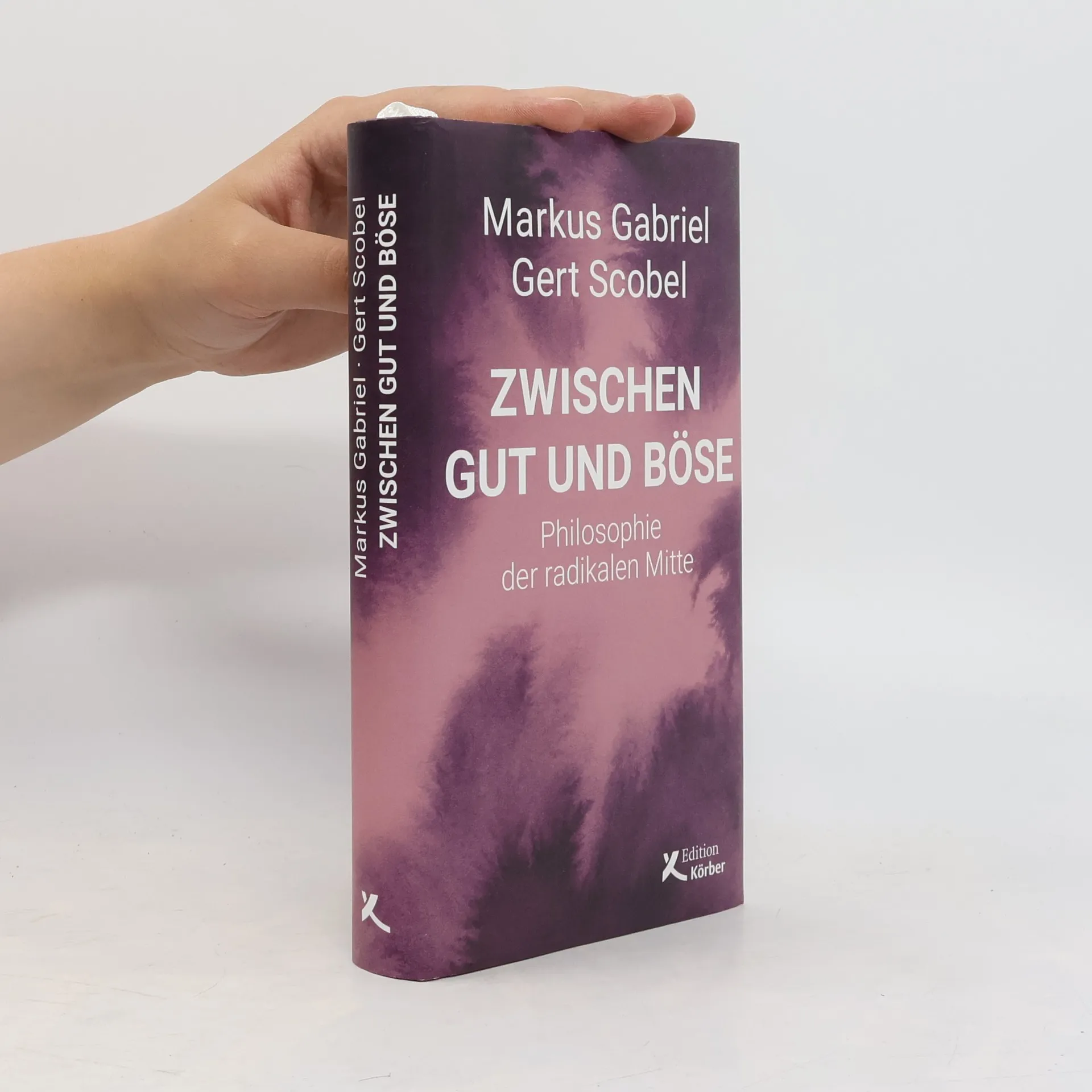
    • Zwischen Gut und Böse

      Philosophie der radikalen Mitte

      Ein gutes Leben, das Richtige tun: Wie kann das gelingen? Gert Scobel und Markus Gabriel entwerfen eine neue Ethik, auf die wir – als Einzelne, als Gesellschaft und als Staat – unser Handeln auch in Krisenzeiten aufbauen können. Zwischen Gut und Böse liegen unzählige Möglichkeiten. Entsprechend weit spannen die beiden Philosophen ihre Gedanken: Anknüpfend an Traditionen der guten Lebenspraxis, an abendländische und asiatische Denkwege gehen sie der Frage nach, wie wir in einem komplexen Leben mit begrenzter Erkenntnis gute Entscheidungen treffen können. Im Dialog entwickeln Gabriel und Scobel das Prinzip der »radikalen Mitte«, in der sich unser Wissen, Denken, Fühlen, unsere Werte und Erfahrungen in einer Entscheidung und zugleich im Handeln verdichten. Werden wir uns dieser Mitte bewusst und kultivieren sie, erkennen wir in ihr die Wirklichkeit, aber auch den gewaltigen Raum der Möglichkeiten: und dazwischen uns selbst. In dieser Mitte, davon sind Markus Gabriel und Gert Scobel überzeugt, ist das Gute immer eine reale Option. Ursprünglich erschienen in der Edition Körber.

      Zwischen Gut und Böse
      4,0