
Paul Thek's work straddles the line between high and low art, blending the epic with the everyday. Throughout his life (1933-1988), he challenged prevailing art trends, infusing institutional spaces with humor, spirituality, and a distinct character. Two decades after his death from AIDS, Thek's influence is evident in the works of contemporary artists such as Vito Acconci, Bruce Nauman, Matthew Barney, and Mike Kelley. This book compiles over 300 of Thek's works, many published for the first time, presenting the most extensive collection of his art to date. Accompanying an exhibition at ZKM – Museum of Contemporary Art, the book showcases Thek's paintings, sculptures, drawings, and installations, alongside photographs of his immersive environments that blend elements from art, literature, theater, and religion. Thek's evolution from an outsider to a pivotal figure in contemporary art is highlighted, with his diverse works reflecting the artistic revolution of the 1960s. His exploration of the body in pieces like "Technological Reliquaries" evokes Christian relics while foreshadowing the work of Damien Hirst. Featuring over 500 images (300 in color) and nineteen essays by various art historians, curators, and artists, the book examines Thek's art and its impact on younger generations of artists he has inspired.

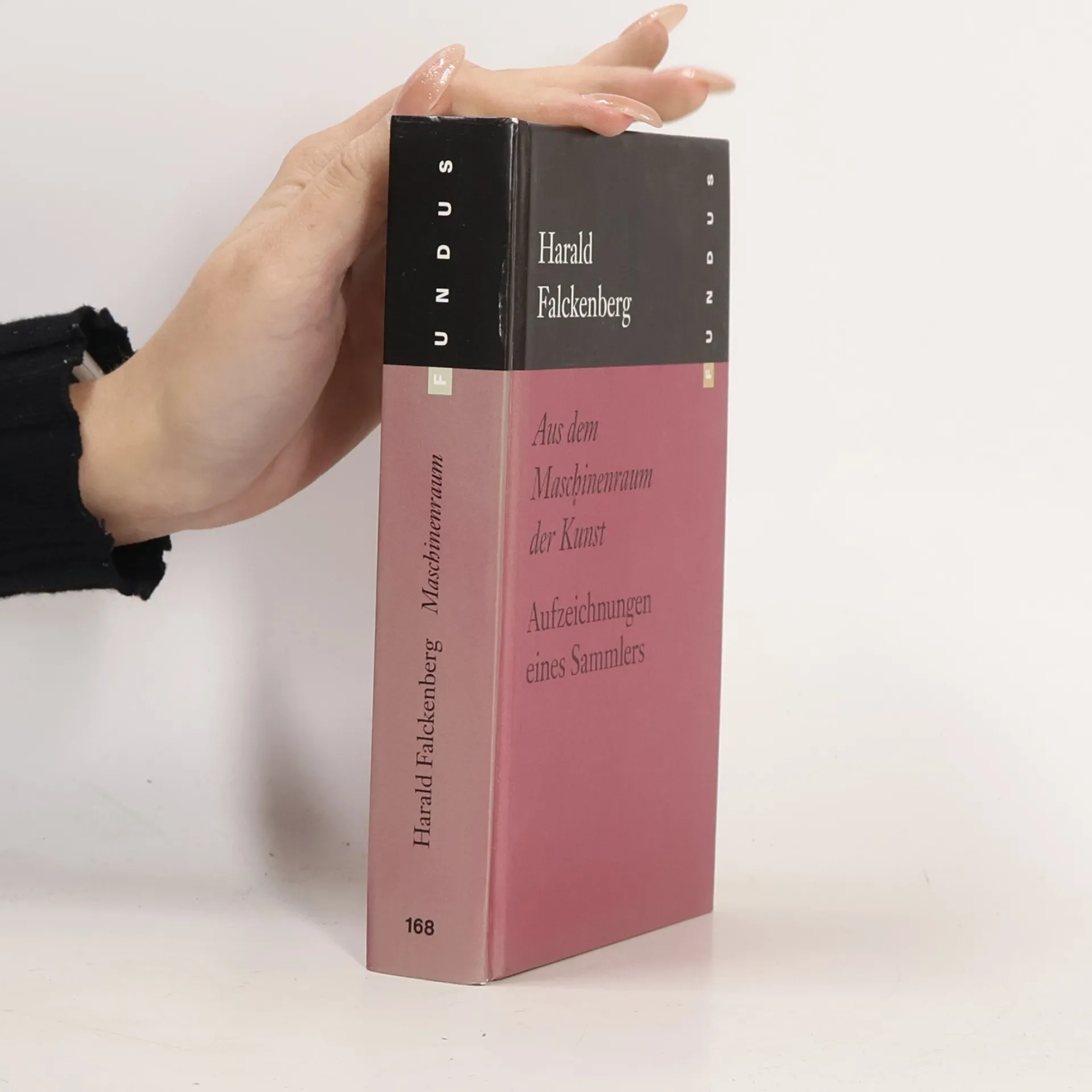
Harald Falckenberg Pořadí knih (chronologicky)


Philo & Philo Fine Arts,Hamburg, 2007. 375 S., Pappband - gutes Exemplar -
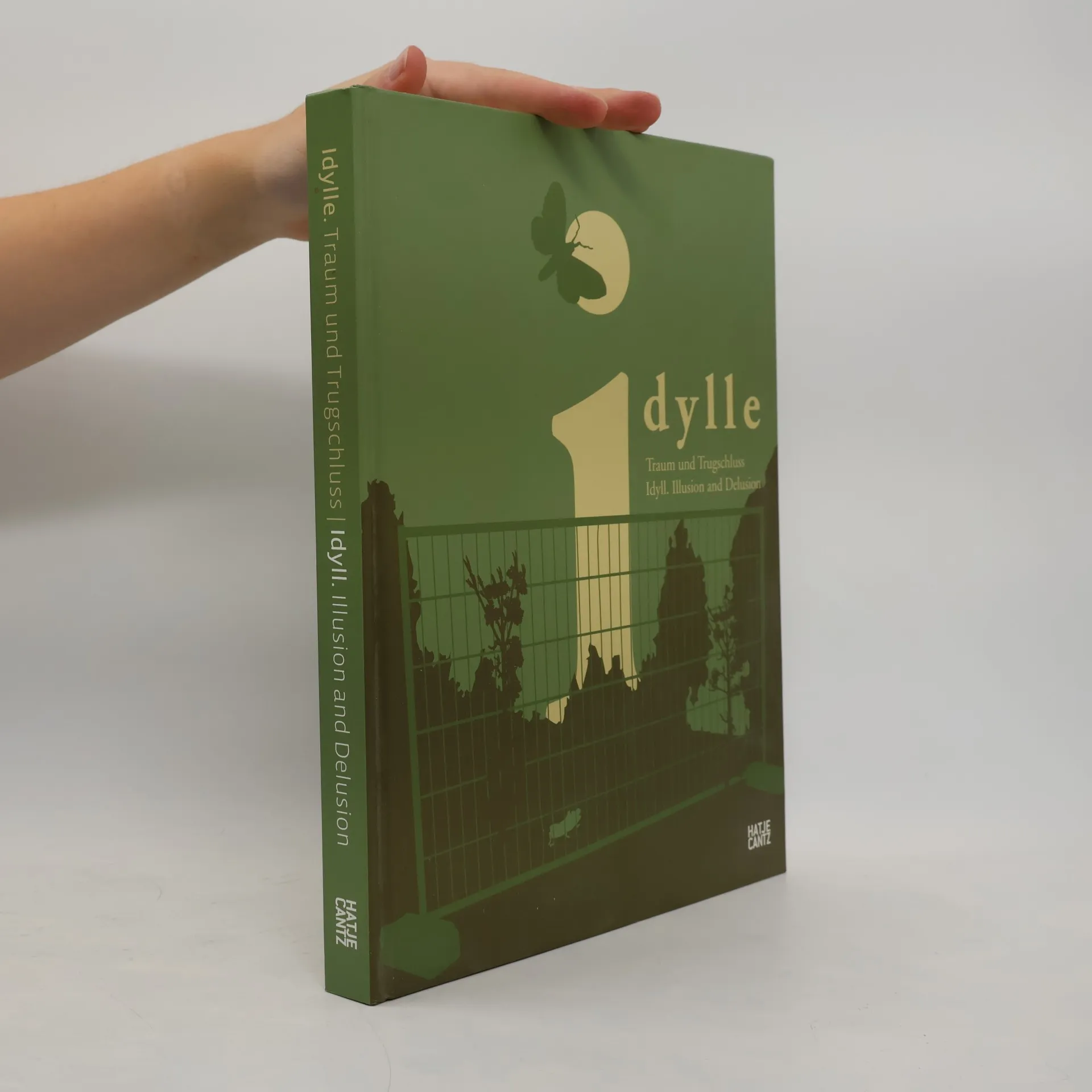
Idylle
- 256 stránek
- 9 hodin čtení
Dürfen Gemälde oder Installationen heute noch idyllisch sein und eine heile Welt suggerieren? Eine Idylle, als Gegenbild zum bestehenden Zustand, zeigt mehr als ein bloßes Trugbild und könnte regulierenden oder normativen Charakter haben. Die Publikation präsentiert ausgewählte Arbeiten, gegliedert in vier Bereiche: landschaftliche, urbane, private und utopische Varianten des Idylls, und untersucht deren Aktualität und gegenwärtige Radikalisierung. Hinter den einzelnen Arbeiten steckt oft mehr, als der flüchtige Blick vermuten lässt. So sind die klaren, an Comics erinnernden Landschafts-'Gemälde' von Rowena Dring in Wirklichkeit kunstvoll aus kleinen, einfarbigen Stoffstücken zusammengenäht, was das Bild in unzählige Farbkleckse auflöst, sobald man näher herantritt. Die vorgestellten Künstler sind unter anderem Franz Ackermann, Alexander Braun, David Claerbout, Mark Dion, Rowena Dring, Valéry Favre und viele mehr. Die Ausstellungen fanden an verschiedenen Orten statt, darunter die Phoenix-Kulturstiftung/Sammlung Falckenberg in Hamburg und die Galerie der Stadt Remscheid.
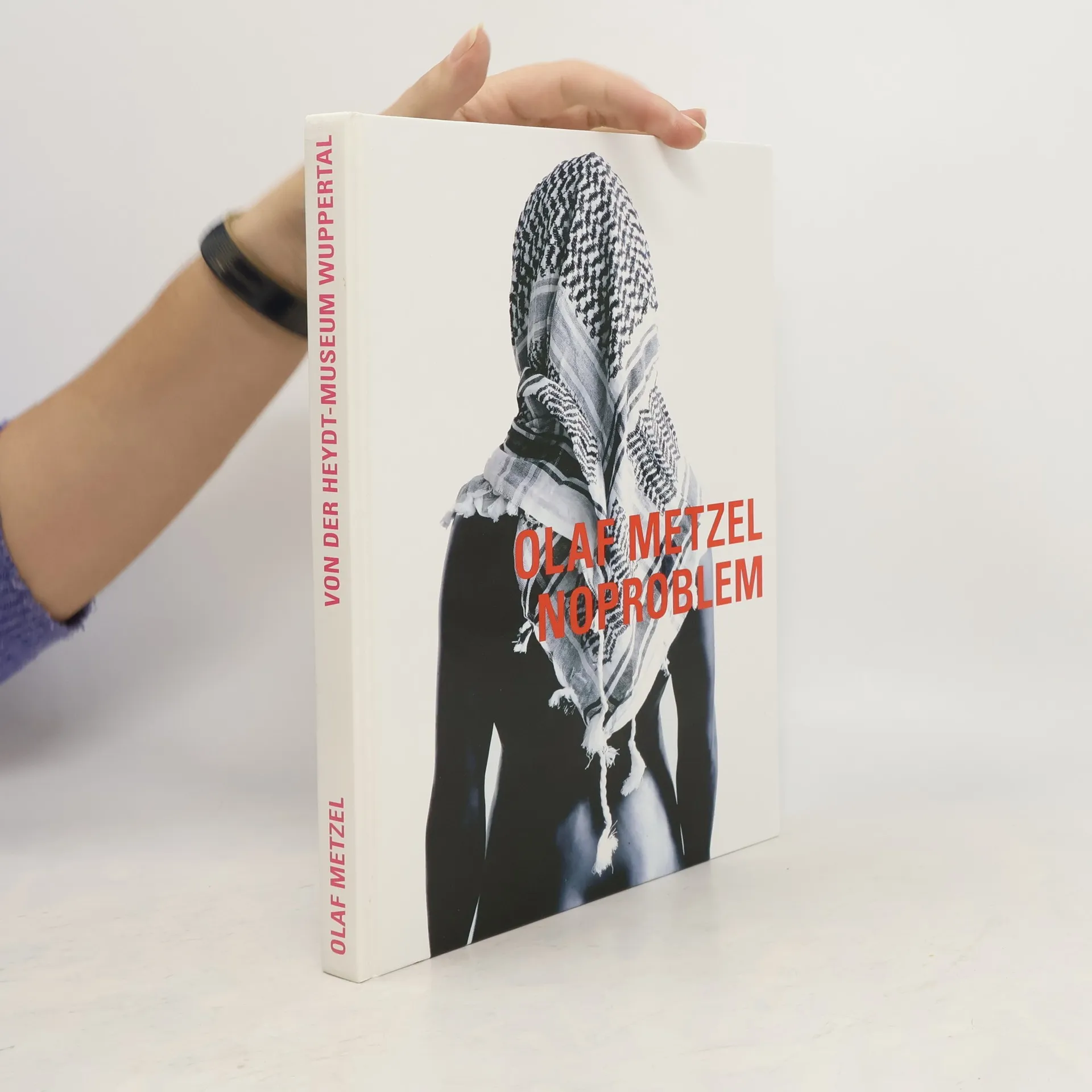
Olaf Metzel - noproblem
- 152 stránek
- 6 hodin čtení
Ziviler Ungehorsam
- 184 stránek
- 7 hodin čtení