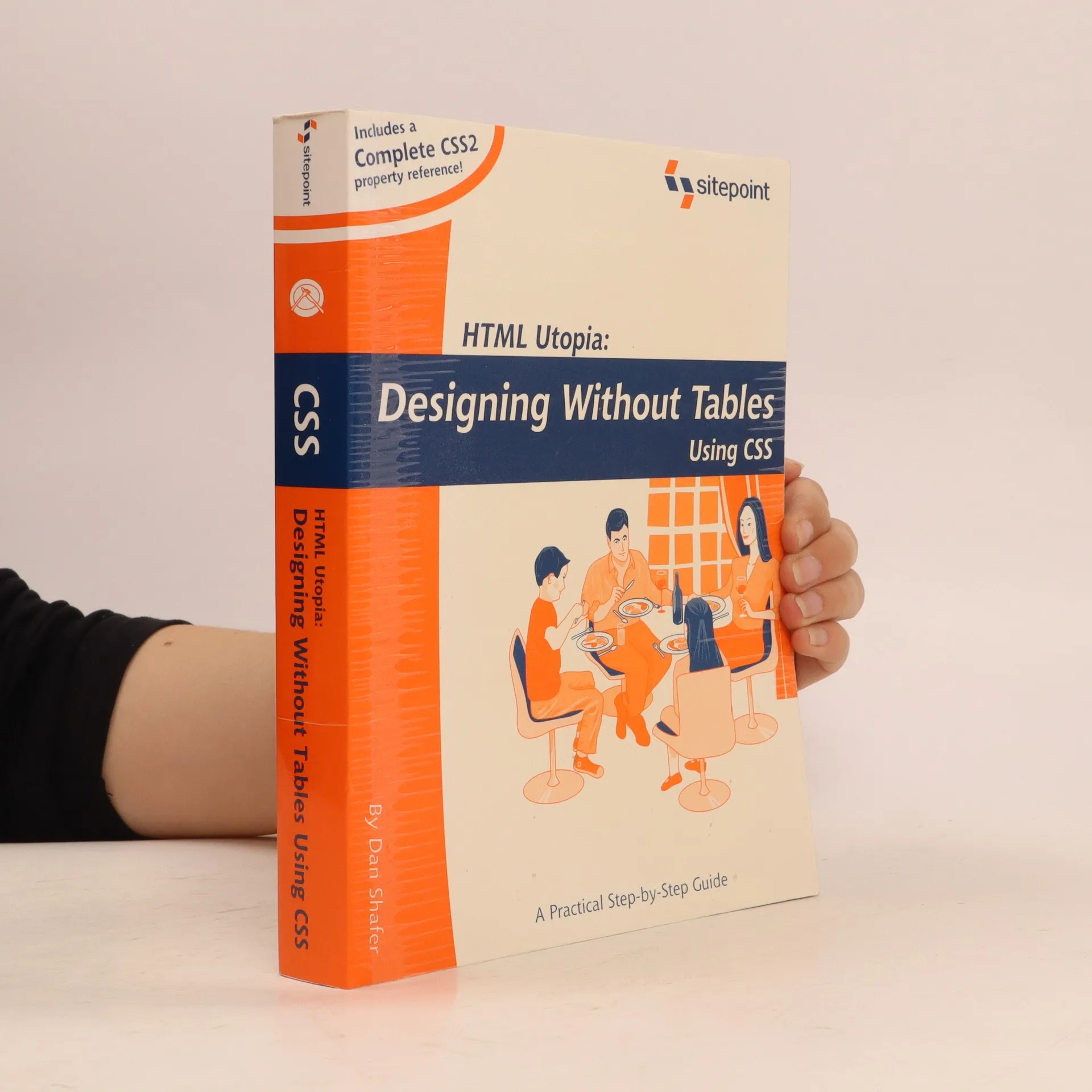
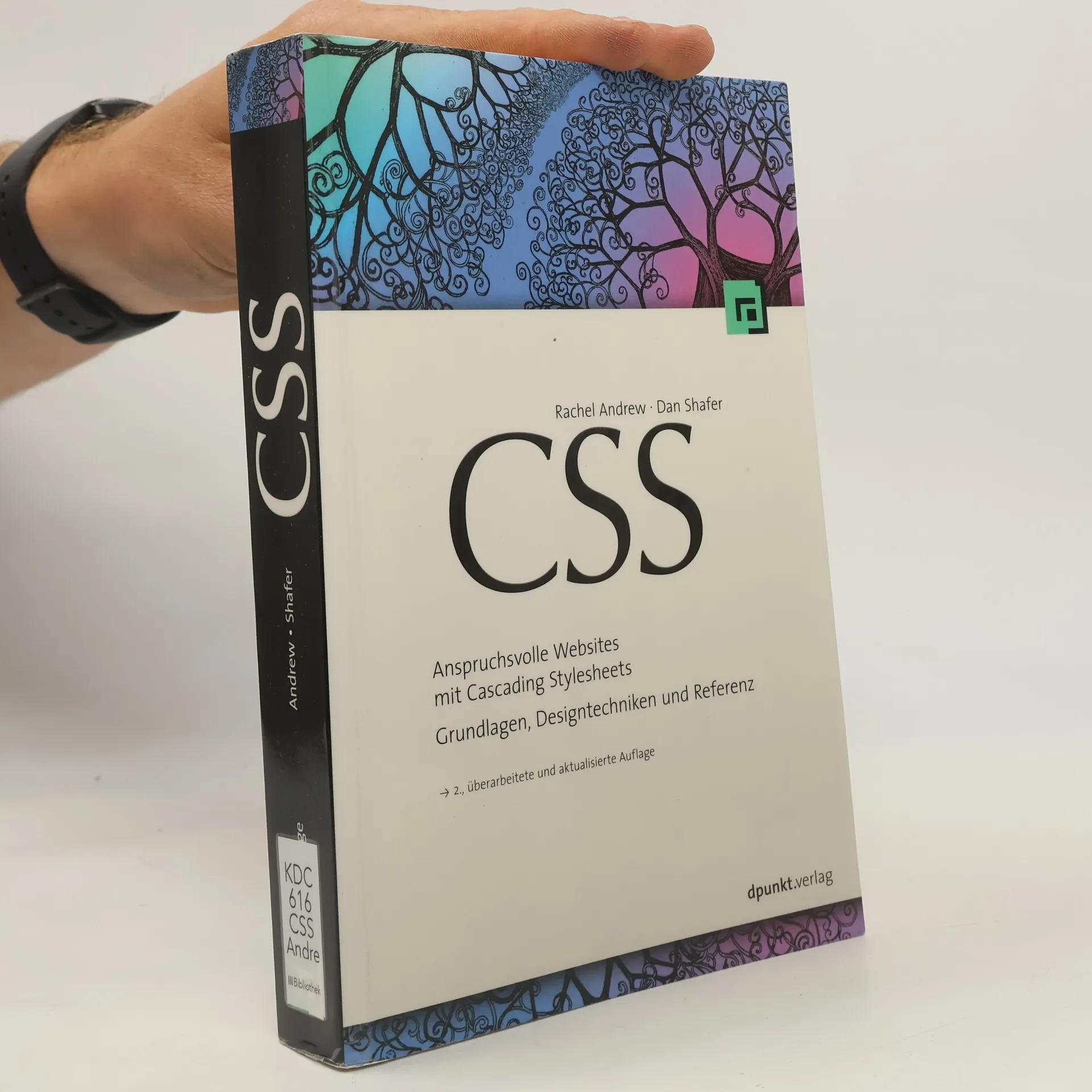
This book is for Web Developers who want to develop or migrate existing websites from using table-based layouts to using Cascading Style Sheets, which allows for faster page downloads, easier maintenance, faster Website redesigns, and better search engine optimization. HTML Utopia covers all aspects of using Cascading Style Sheets in Web Development and is a must-read for Web Developers designing new sites or upgrading existing ones to use CSS layouts. This book includes one of the most comprehensive CSS2 references on the market.
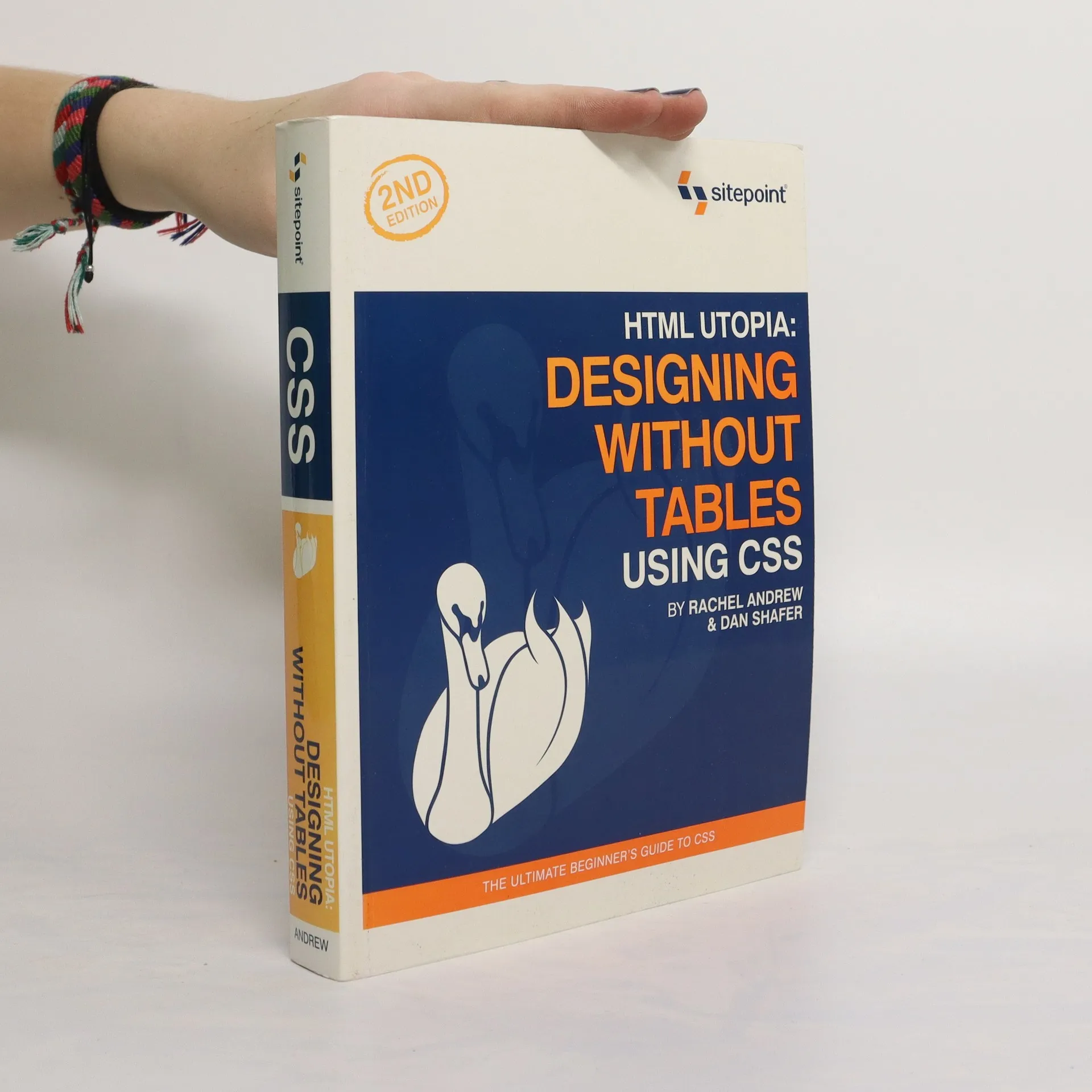
HTML Designing Without Tables Using CSS , 2nd Edition is for web developers looking to create websites using Cascading Style Sheets for layout, which allow for faster page downloads, easier maintenance, faster website redesigns, and better search engine optimization. HTML Utopia covers all aspects of using Cascading Style Sheets in Web Development, and is a must-read for Web Developers designing new sites or upgrading existing ones to use CSS layouts. This book includes one of the most comprehensive CSS2 references on the market. Jeffrey Zeldman, web design guru and co-founder of the Web Standards Project, says "After reading this book, you will not only understand how to use CSS to emulate old-school, table-driven web layouts, you will be creating websites that would be impossible to design using traditional methods". The second edition of this popular book includes brand new coverage of Internet Explorer 7, Firefox 1.1, new CSS Solutions, and greatly expanded coverage of popular, cross-browser, CSS layout techniques. From The Back Cover"Now You Too Can Easily Create Modern 'Table-free' Websites Using CSS from scratch" Rachel Andrew and Dan Shafer's book is a comprehensive guide to learning and applying the principles of CSS to your Website. This book will teach you how to
How to use expert systems to design front ends for existing software, including such popular programs as Lotus 1-2-3 and dBASE. This unique guide shows you how to construct elegant user interfaces independent of the underlying software, make an intelligent front end that permits creation of data validation routines at the entry point for spreadsheets (which is all but impossible without expert systems technology), and write a natural-language front end that enables the user to interact with a spreadsheet well above the call level. Contains example screens, case studies, and complete rule listings.
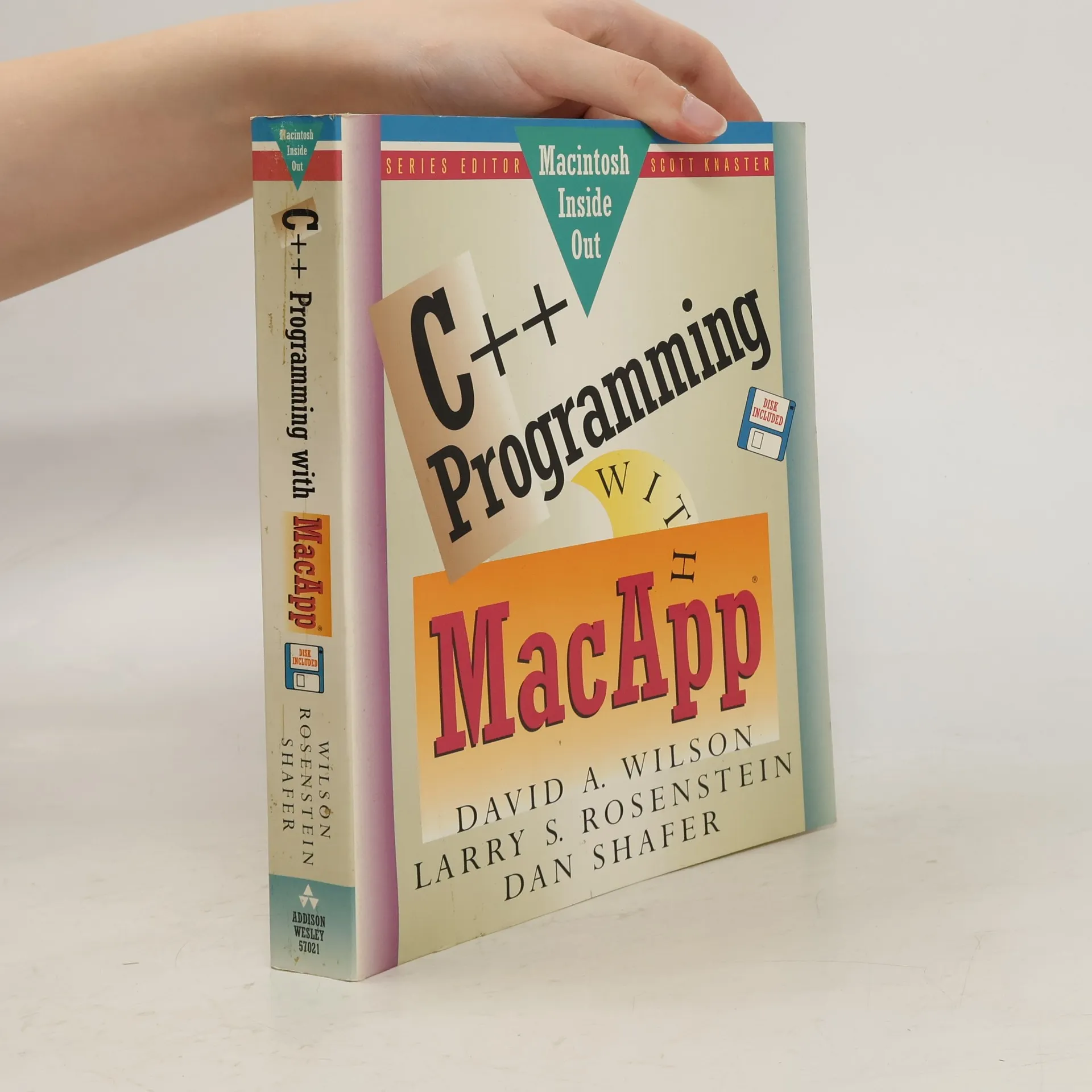
The first book to serve as a guide to using C++ with MacApp, the object-oriented programming environment for the Macintosh. Shows programmers how to develop Macintosh applications with MacApp 2.0 using MPW and the MacApp class libraries. Disk contains all examples from the book as well as additional programs. Annotation copyrighted by Book News, Inc., Portland, OR
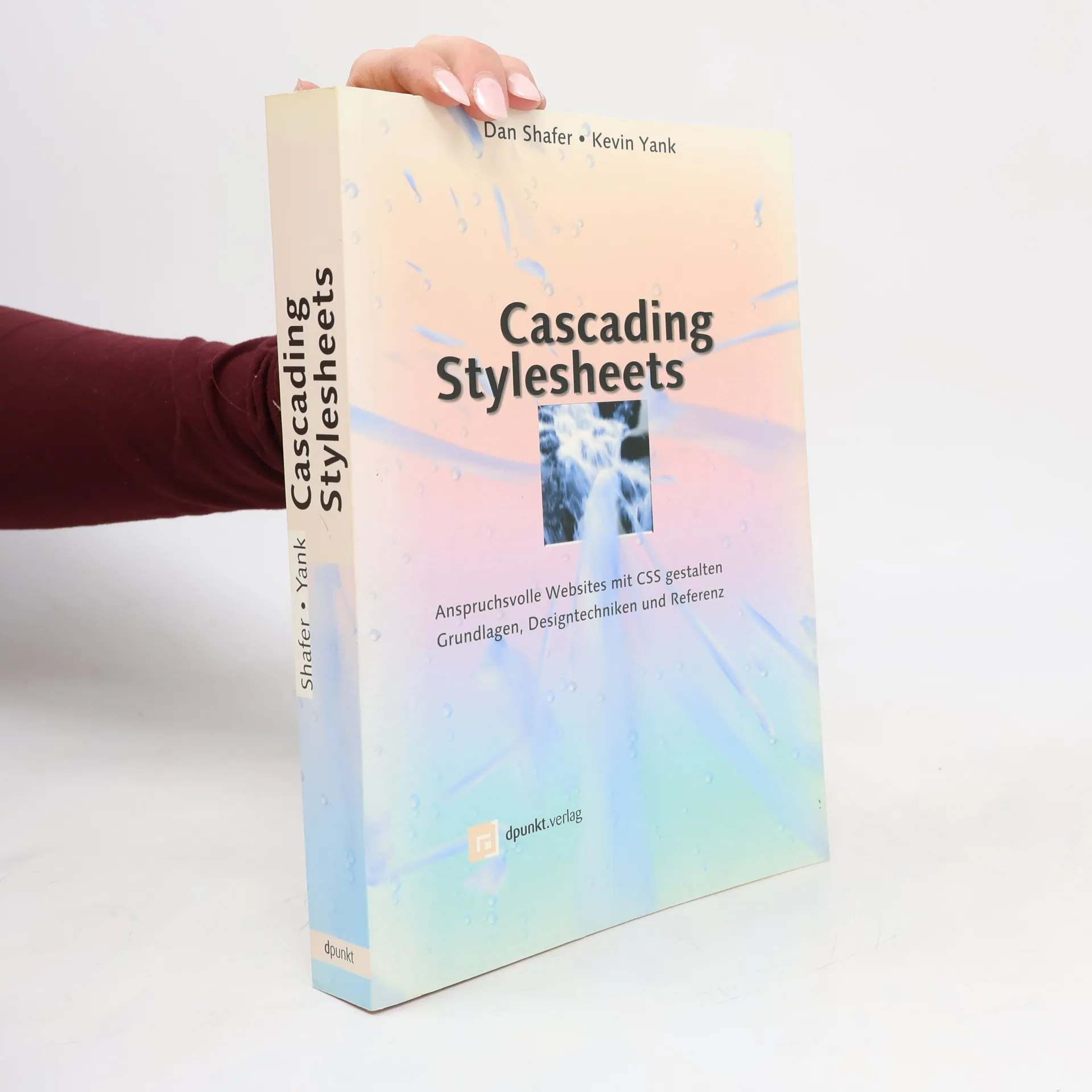
Anspruchsvolle Websites mit Cascading Stylesheets; Grundlagen, Designtechniken und Referenz - 2., überarbeitete und aktualisierte Auflage
478 stránek
17 hodin čtení
Mit Cascading Stylesheets (CSS) trennt man Design und Inhalt einer Webseite und kann ihre Gestaltung dadurch effektiver und präziser als bei klassischen HTML-Seiten festlegen. CSS-Webseiten sind zudem einfacher zu warten und von Suchmaschinen besser zu finden. Darüber hinaus bieten sie sehr gute Möglichkeiten, Barrierefreiheit zu verwirklichen. Dieses Buch gibt eine leicht nachvollziehbare Einführung in CSS und zeigt, wie sie standardkonform auf Ihrer eigenen Website eingesetzt werden können. Anhand zahlreicher Beispiele wird u. a. erklärt, wie Sie: - Tabellen und Frames durch CSS-Eigenschaften ersetzen - Layoutelemente an beliebigen Stellen auf einer Seite positionieren - ein Seitenlayout mit mehreren Spalten entwerfen - Navigationsleisten mit Untermenüs aufbauen - Mauszeiger verändern - Grafiken mit Text kombinieren - Hintergrundbilder beim Scrollen fixieren - CSS-Layouts einfach umgruppieren Großen Wert legen die Autoren darauf, nicht nur die CSS-Spezifikationen zu beschreiben, sondern auch zu zeigen, wann welcher Browser den Anforderungen nicht genügt und wie man damit umgehen kann. Deshalb erklärt das Buch ausführlich, wie man älteren und fehlerhaften Browsern entgegenkommt. Die umfangreiche Referenz enthält alle CSS-Eigenschaften aus CSS1 und CSS2, Ausblicke auf CSS3 sowie Hinweise auf proprietäre Erweiterungen und Eigenheiten der verschiedenen Browser.