
Knihobot

Helga M. Treichl Knihy

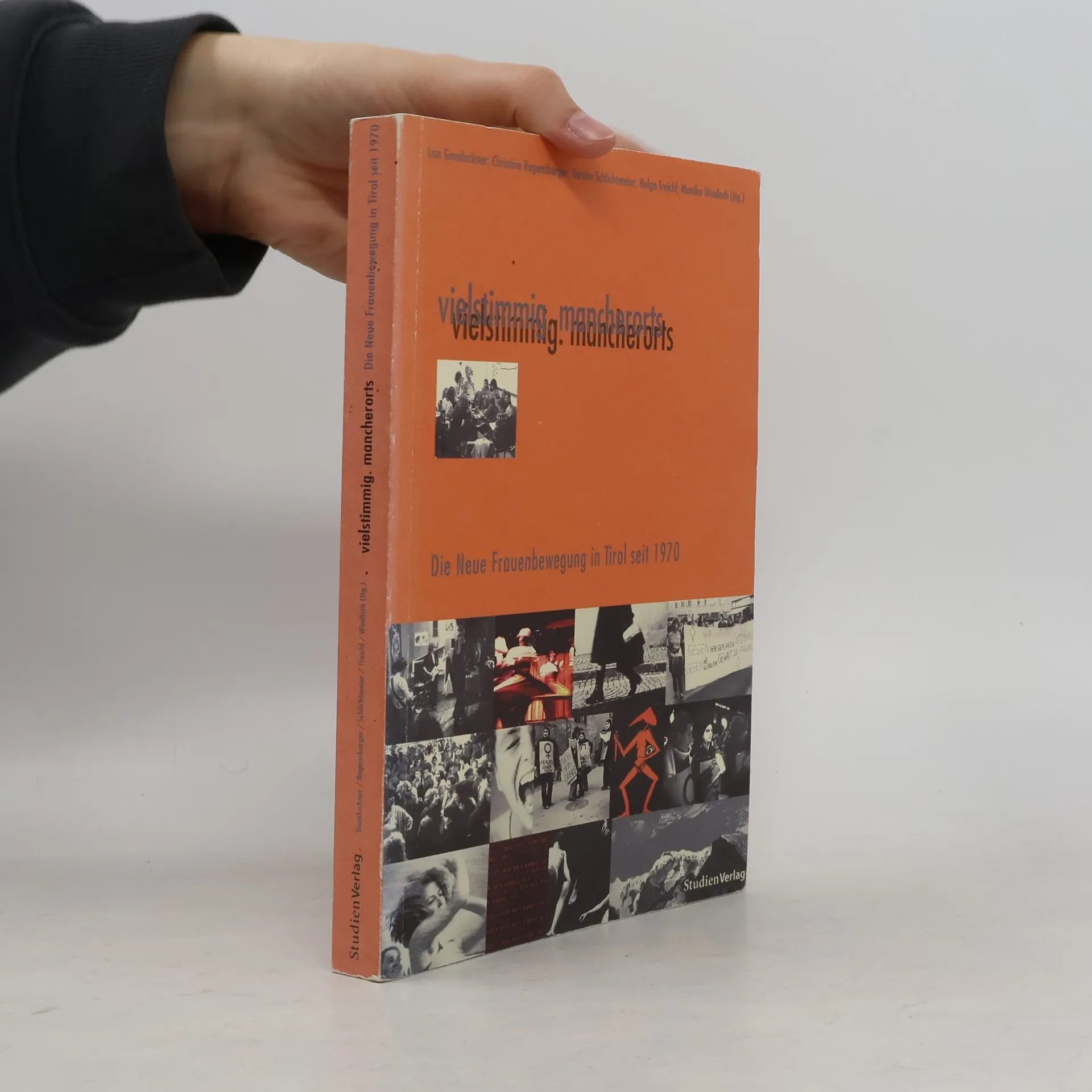
    Vielstimmig. Mancherorts
    "... ein gewisses Lächeln"
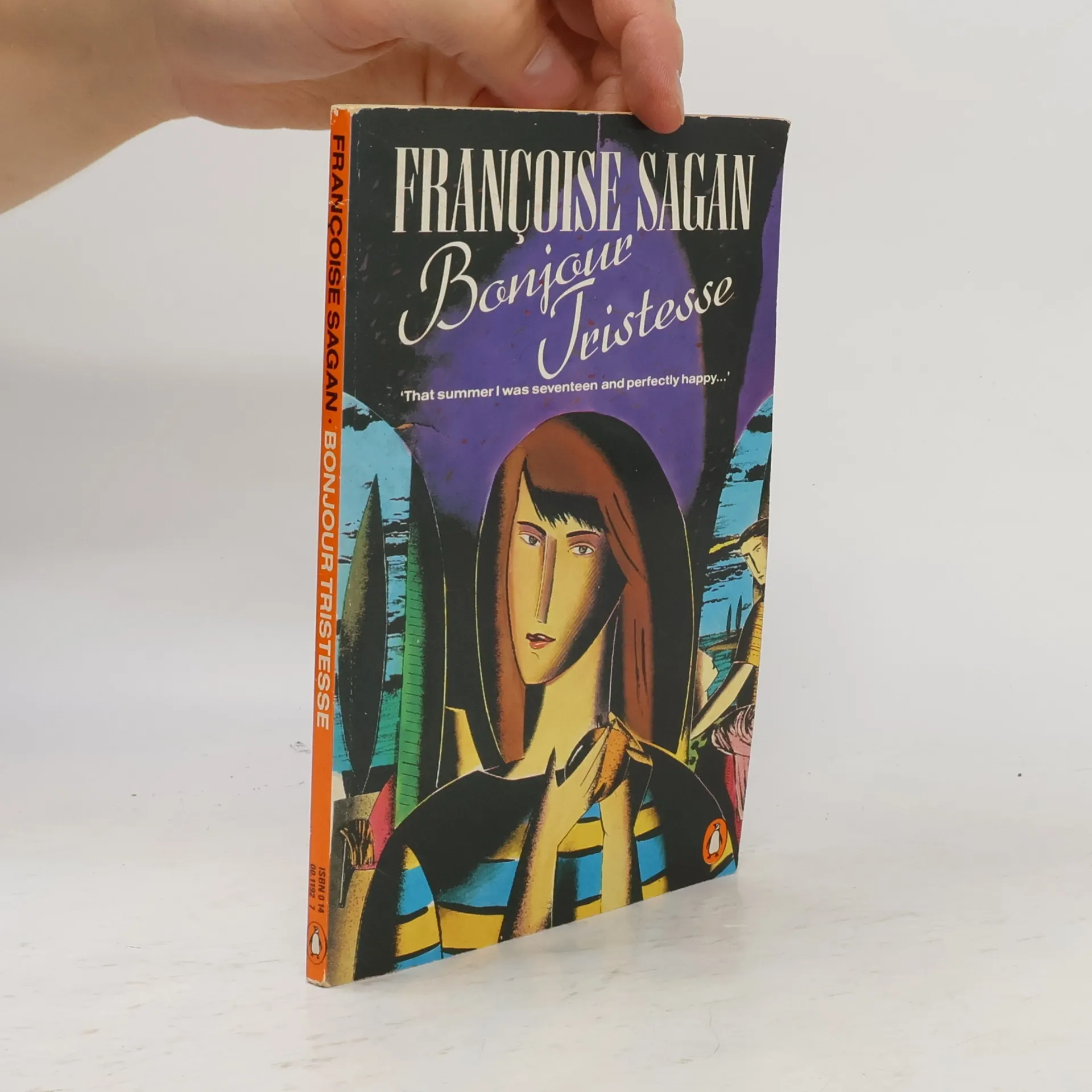
    Bonjour Tristesse
    • Bonjour Tristesse

      • 108 stránek
      • 4 hodiny čtení

      Set against the translucent beauty of France in summer, Bonjour Tristesse is a bittersweet tale narrated by Cécile, a seventeen-year-old girl on the brink of womanhood, whose meddling in her father's love life leads to tragic consequences. Freed from boarding school, Cécile lives in unchecked enjoyment with her youngish, widowed father -- an affectionate rogue, dissolute and promiscuous. Having accepted the constantly changing women in his life, Cécile pursues a sexual conquest of her own with a "tall and almost beautiful" law student. Then, a new woman appears in her father's life. Feeling threatened but empowered, Cécile sets in motion a devastating plan that claims a surprising victim. Deceptively simple in structure, Bonjour Tristesse is a complex and beautifully composed portrait of casual amorality and a young woman's desperate attempt to understand and control the world around her.
      Bonjour Tristesse
      3,8
    • Young girls often discover love with men in their forties. Dominique was preparing for her exams and was gently bored with a boy when she met Luc. In that instant, she thought, "I like him. He’s a bit older, and I like him." Luc was married, handsome, and already somewhat weary of life. Later, he proposed that she spend two weeks with him in Cannes, "to teach her about the sea, money, and a certain form of freedom." "What do you risk? Getting attached to me, suffering afterward? But so what? It's better than being bored. You’d rather be happy and unhappy than nothing, right?" And Dominique replied, "Of course." Yet, already in the anticipation of pleasures, imaginations, and regrets, she was no longer bored at all.

      "... ein gewisses Lächeln"
      3,7
    • Vielstimmig. Mancherorts

      • 312 stránek
      • 11 hodin čtení

      Anfang der 70er Jahre organisierten sich in Tirol Frauen im Rahmen der Neuen Frauenbewegung, um traditionelle Rollen zu hinterfragen und selbstbestimmte Lebensweisen zu entwickeln. Sie politisierten privat betrachtete Themen und thematisierten Geschlechterverhältnisse als Herrschafts- und Gewaltverhältnisse. Feministische Analysen und selbstorganisierte Wissensproduktionen fanden Eingang in das Bewusstsein vieler und erweiterten die Handlungsmöglichkeiten in Institutionen. Die bislang wenig dokumentierte Geschichte autonomer Frauengruppen, -projekte und -initiativen sowie das Engagement von Frauen in institutionellen Kontexten werden von Autorinnen beleuchtet, die aktiv in der Frauenbewegung in Tirol sind. Der Inhalt umfasst feministische Politikkonzepte und Aktionsformen im öffentlichen Raum, die politischen und kulturellen Rahmenbedingungen sowie Arbeitsbedingungen von Frauen in Tirol. Zudem werden Bündnisse zwischen Frauen und Einsätze gegen den Krieg, die religiöse Frauenbewegung und die Frauenorganisation außerhalb von Innsbruck betrachtet. Weitere Themen sind die Veränderungen von Frauen(selbst)bezügen, der Kampf um die Fristenlösung, die Auseinandersetzung um Frauengesundheit sowie die Politisierung von (sexueller) Gewalt gegen Frauen und Mädchen. Auch feministische Bildungsarbeit und integrative Initiativen von Künstlerinnen werden thematisiert.

      Vielstimmig. Mancherorts