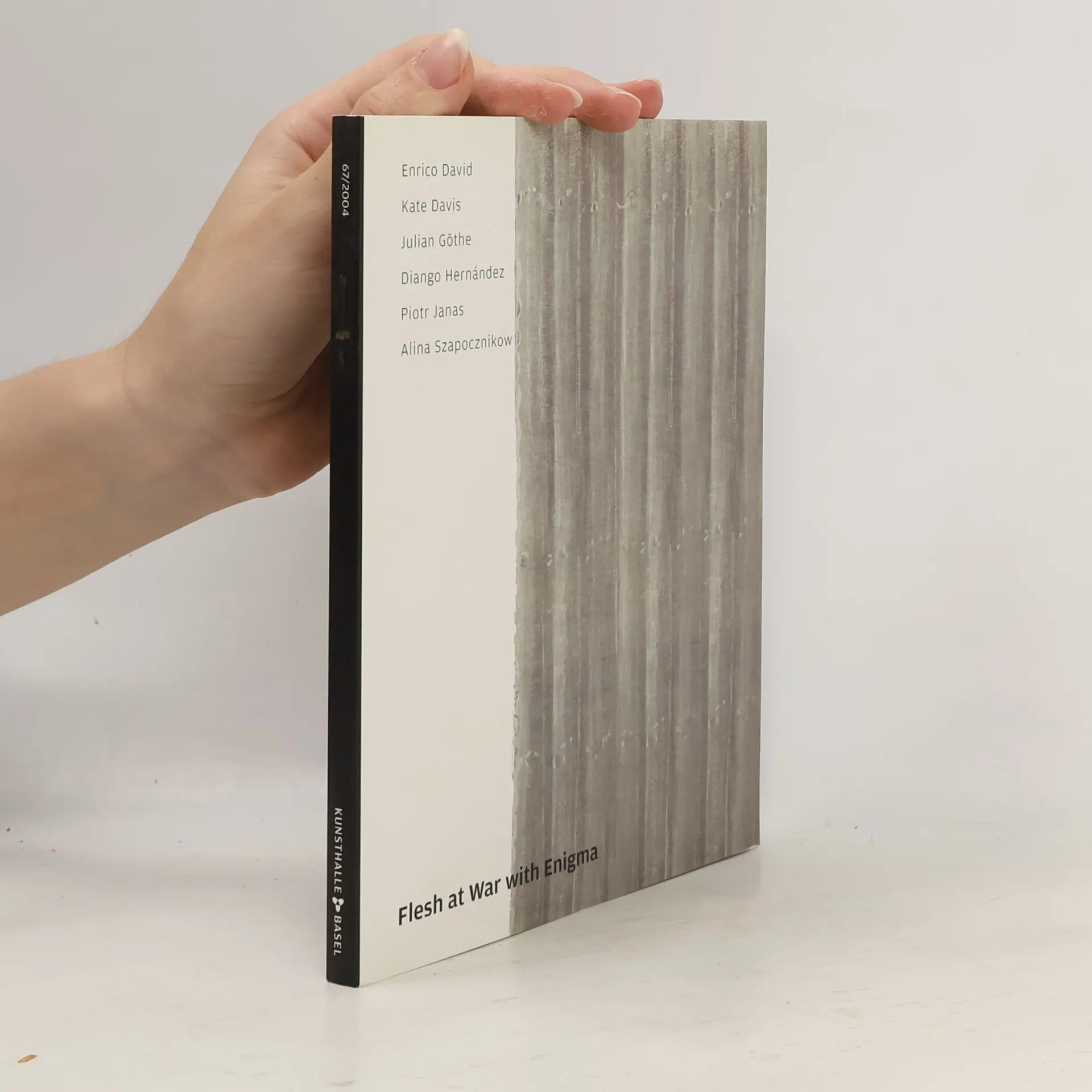
Catalog of an exhibition held at the Kunsthalle Basel, 19 Sep.-14 Nov. 2004; artists: Enrico David, Kate Davis, Julian G�othe, Diango Hern�andez, Piotr Janas, Alina Szapocznikow.
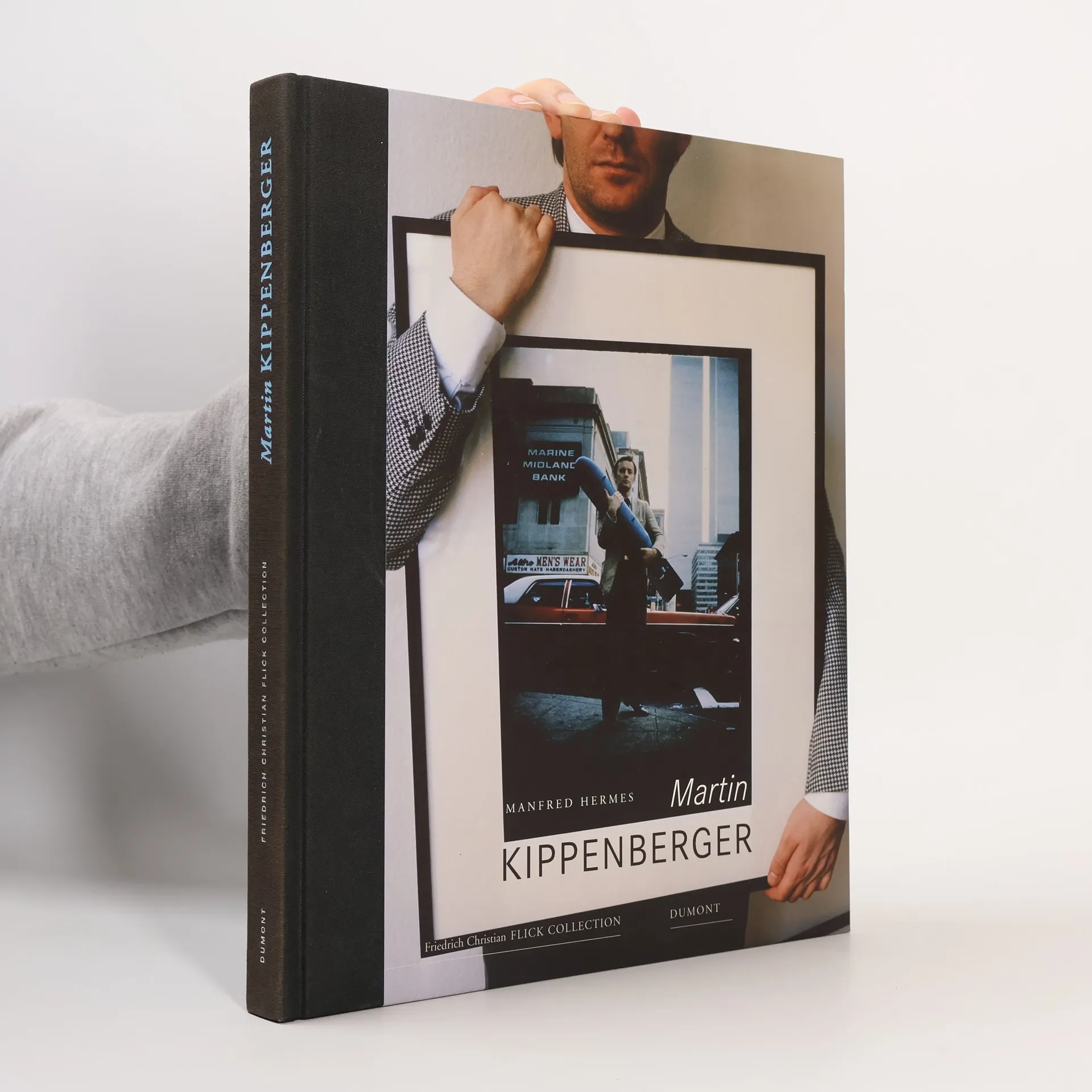
Martin Kippenberger (*1953 Dortmund, † 1997 Wien) hat seine Arbeit seit den späten siebziger Jahren als Schnittpunkt künstlerischer Zusammenhänge und zirkulierender Ideen konzipiert. In der für ihn typischen Mischung aus Feinheit und äußerster Grobheit ließ er dabei nur wenige Probleme und Verfahren der Kunst des 20. Jahrhunderts unberührt. Durch die postmoderne Disposition hindurch – Referenzialität, Kommunikativität, Humor, Körperpolitik – hat Kippenberger die künstlerischen Fragestellungen des späten 20. Jahrhunderts wie kaum ein anderer Künstler seiner Generation erfasst und in komplexe Kommunikationsstrukturen übersetzt. Ausgehend von einer rezeptionsgeschichtlichen Rekonstruktion räumt Manfred Hermes vorherrschende Missverständnisse („Zynismus") aus und nimmt die konzeptuelle Dimension von Martin Kippenbergers Werk in den Blick. Sein Text macht Kippenberger als einen materialistischen Künstler erkennbar, dessen Praxis aus einem unentwegten Spiel zwischen Verschiebung, Kommentar und Geste bestand.
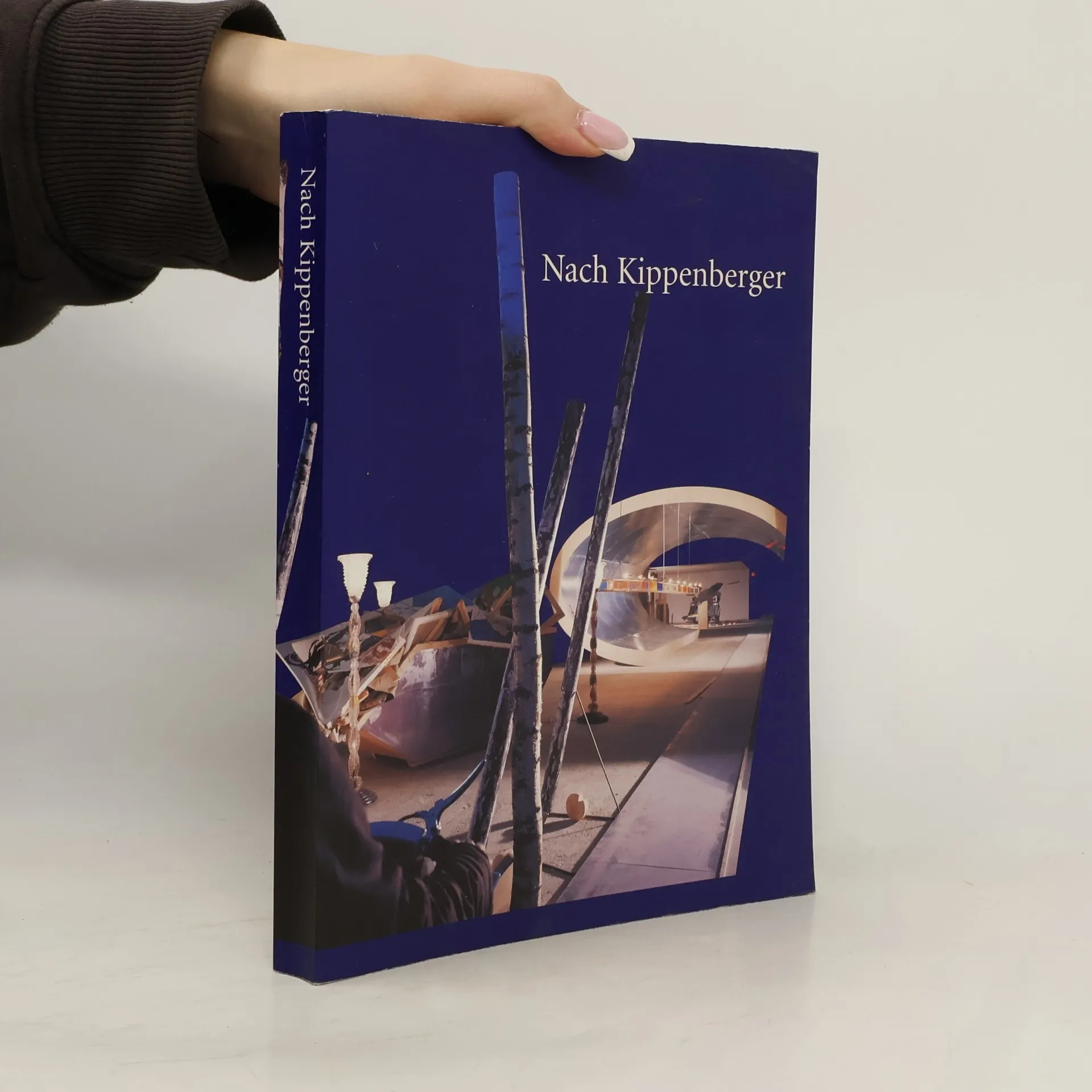
Martin Kippenberger died in 1997 at the young age of 44. Nach Kippenberger --after Kippenberger--collects together various essays which pave the way for an understanding of his work after the fact, for the next generation. Essayists include Eva Meyer-Hermann, Anke Kempkes and Manfred Hermes, and more than 250 images illustrate Kippenberger's life and work.
"I had to come up with a "title", and I thought: 'Oh, God. Where do you begin?' The set of references becomes like an endless chain. In this very Klossowskian way there is this notion of the dematerialisation of the proper noun."--Cerith Wyn Evans The Welsh artist Cerith Wyn Evans (*1958) eludes easy categorization: in the mid-eighties, he worked as an assistant to the film director Derek Jarman, making both experimental films and music videos for pop bands such as The Smiths and The Fall; he also was a tutor for six years at the Architectural Association. During the 1990s, he consolidated an international reputation as an artist unafraid to embrace highly complex conceptual issues of communication and perception, with dense textual references invariably spliced with a poetically tongue- in-cheek dandyism, whether the writings of William Blake flashed in Morse code off a disco ball; a homage to Pasolini written in fireworks or the cultivation of hybrid orchids in a Parisian gallery, nourished by the artist's own urine. "Cerith Wyn Evans" accompanied the artist's solo show at the Frankfurter Kunstverein and provides a comprehensive overview of the artist's body of work. Contributors Juliane Rebentisch, Andreas Spiegl, Jan Verwoert, interview by Manfred Hermes