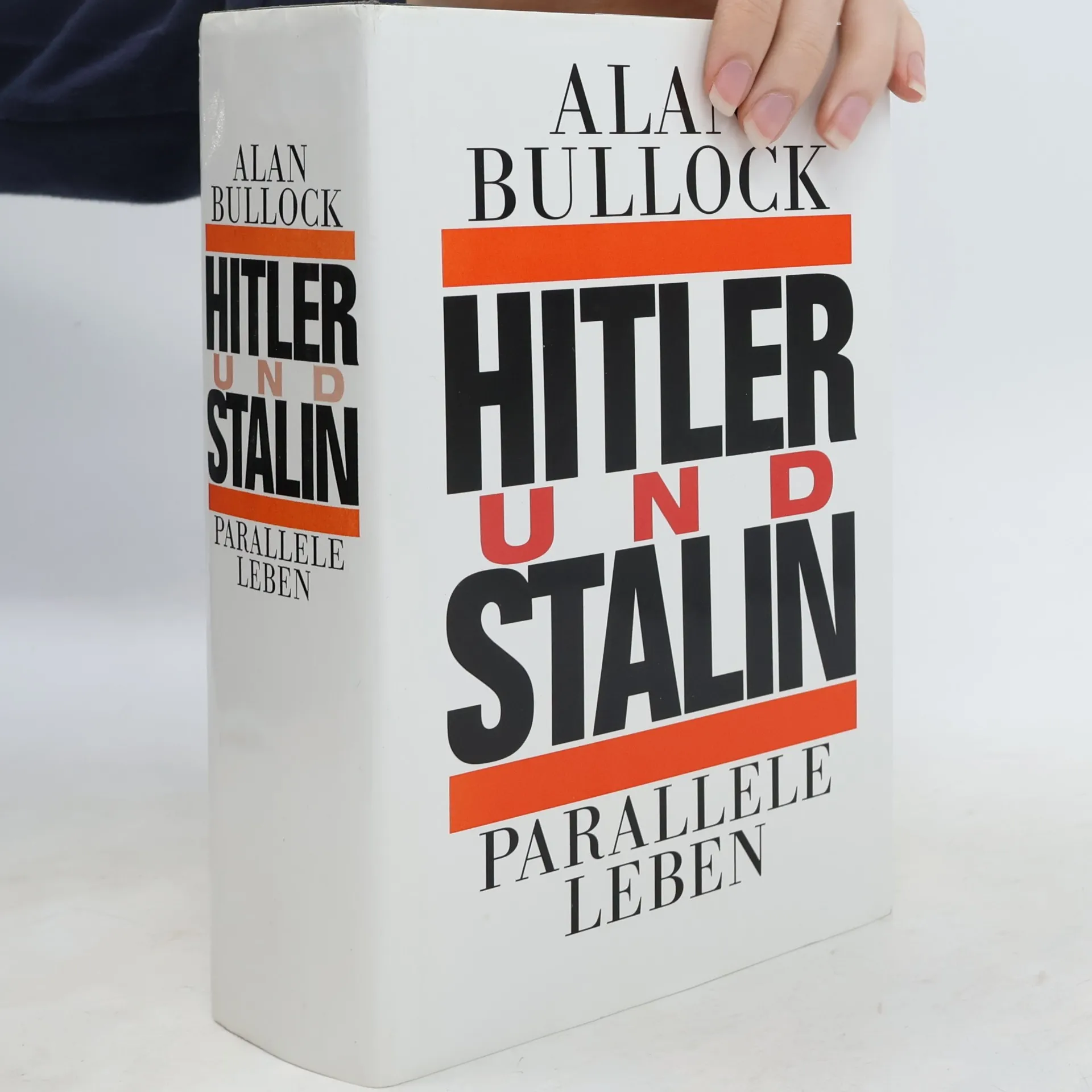
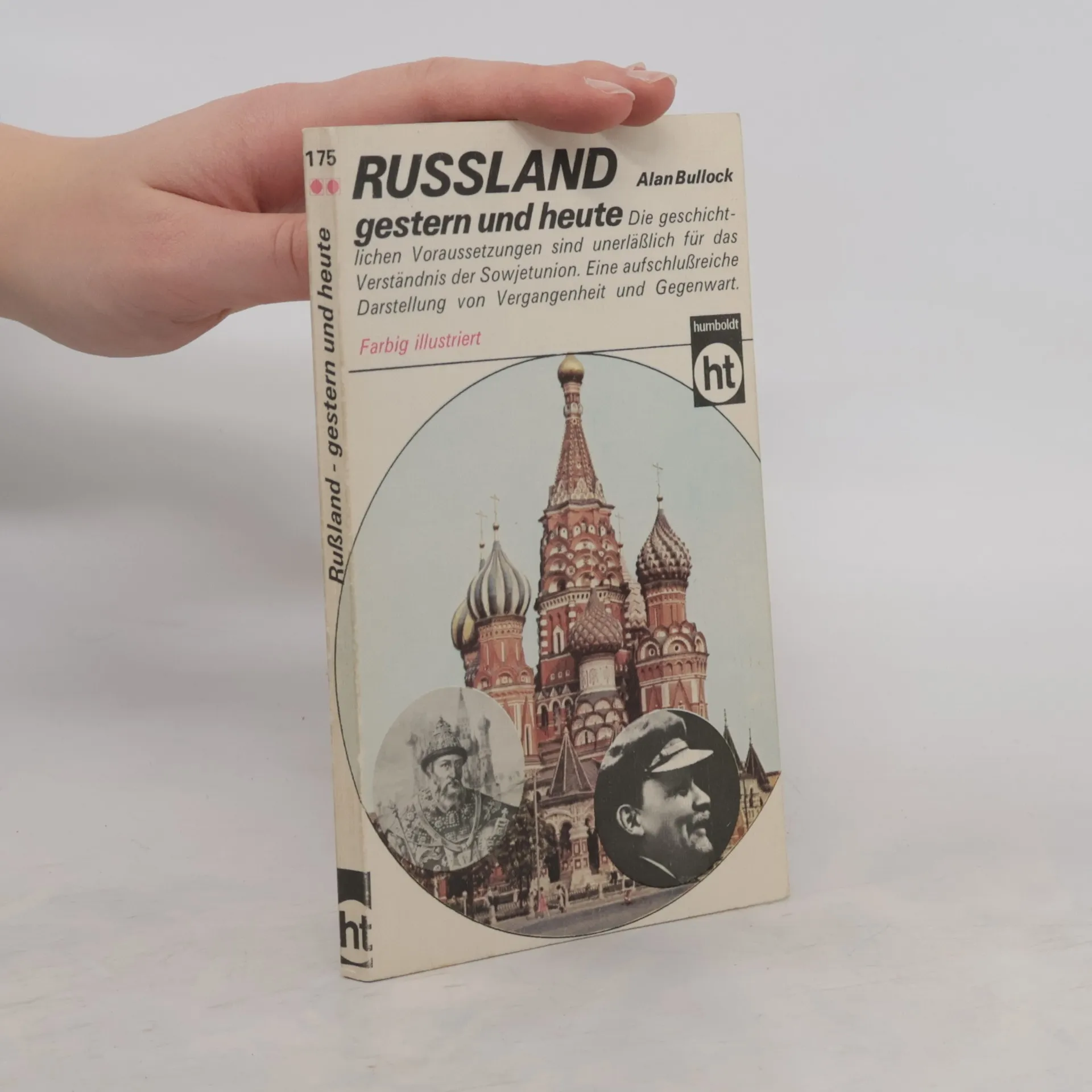
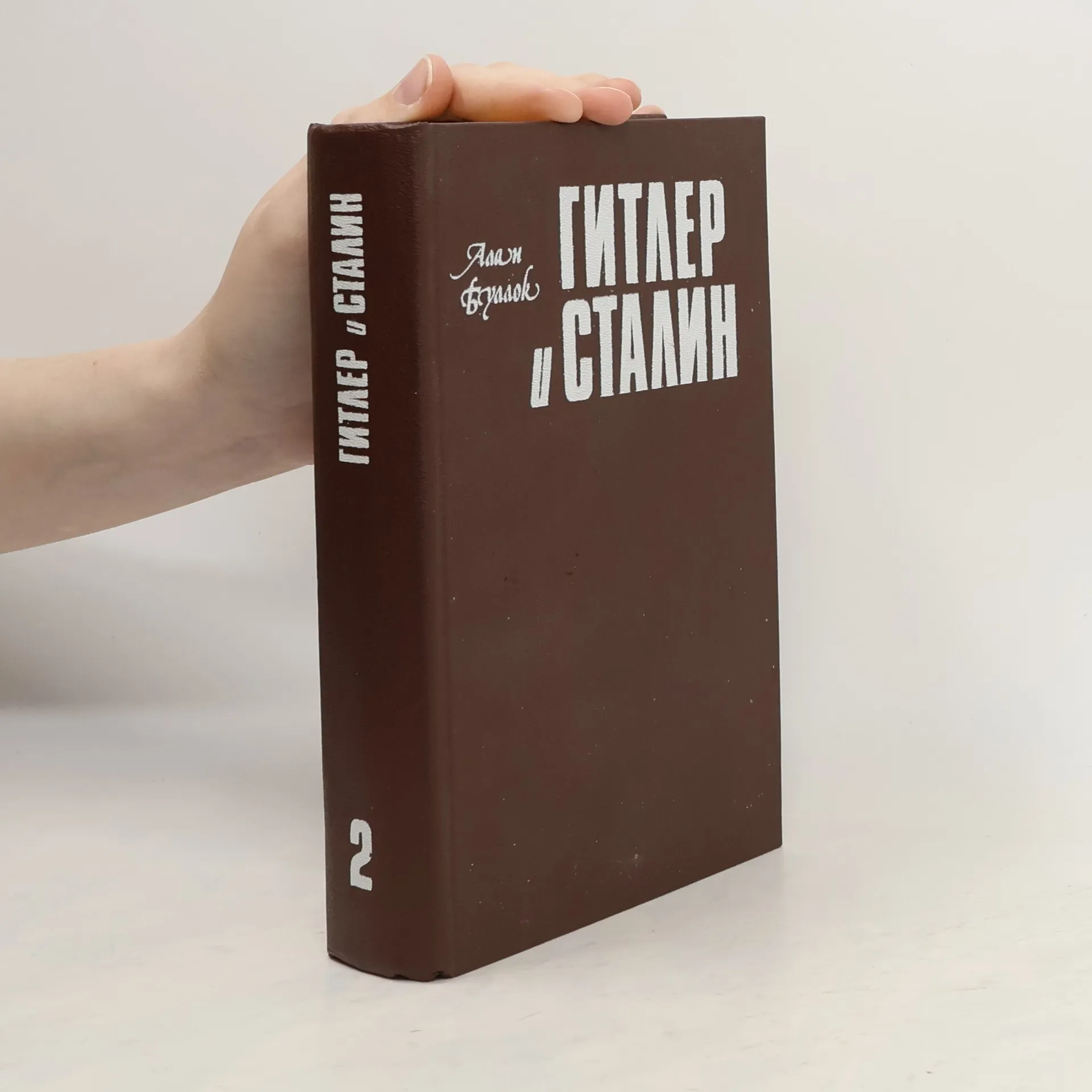
Hitler a Stalin: Paralelní životopisy
- 1032 stránek
- 37 hodin čtení
Chronologicky řazené, souběžně se odvíjející politické životopisy obou diktátorů.


Alan Bullock byl britský historik, jehož práce se soustředila na klíčové postavy 20. století. Proslul především svými komplexními biografiemi Adolfa Hitlera, které zkoumaly jeho vzestup k moci a ideologii. Bullockův přístup se vyvíjel, od počátečního zobrazení Hitlera jako oportunistického politika až po pozdější uznání jeho roli jako ideologa. Jeho srovnávací díla, jako například Hitler a Stalin: Paralelní životy, dále osvětlují povahu totalitních režimů. Bullockův precizní styl a hluboká analýza z něj činí důležitou postavu v historické literatuře.

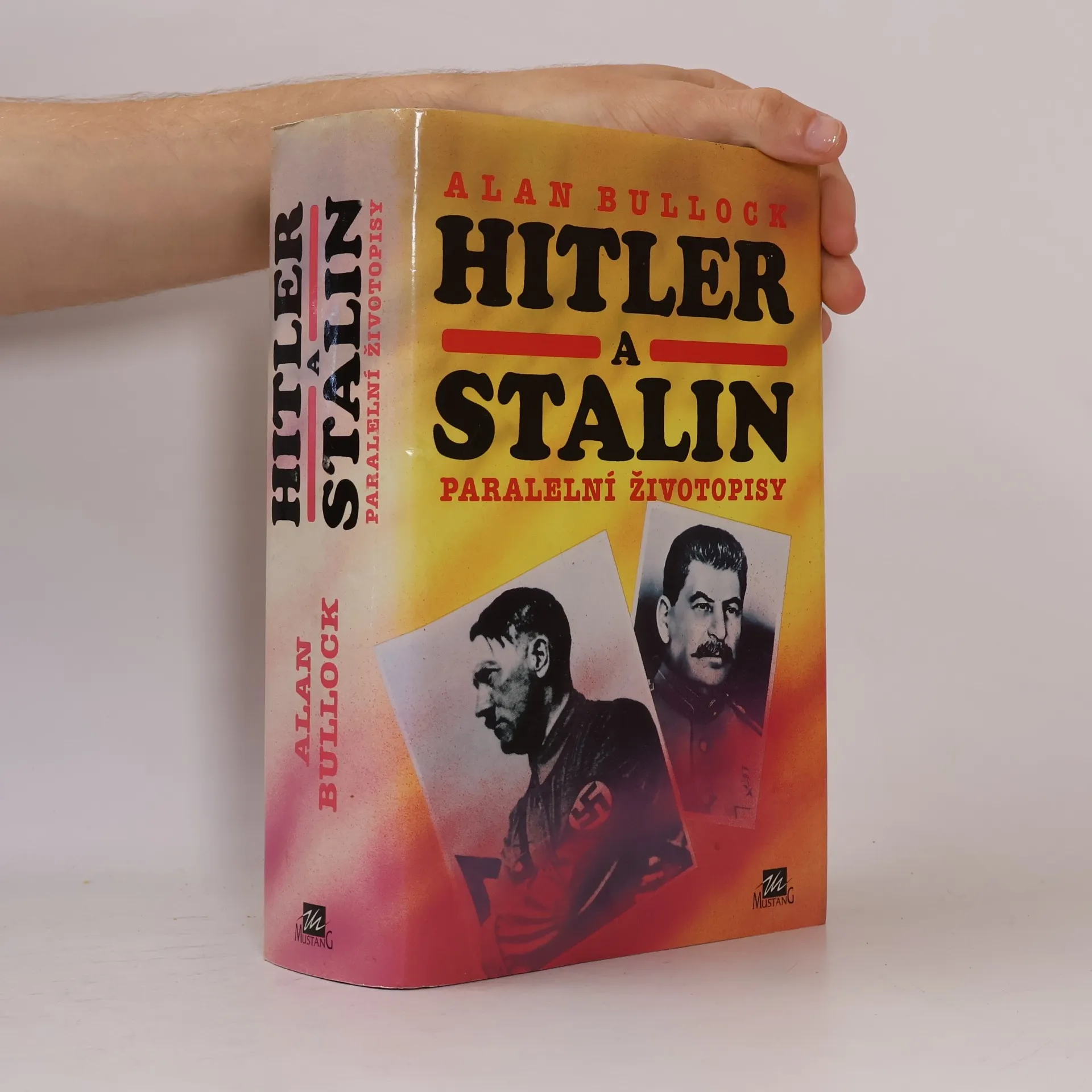
Chronologicky řazené, souběžně se odvíjející politické životopisy obou diktátorů.
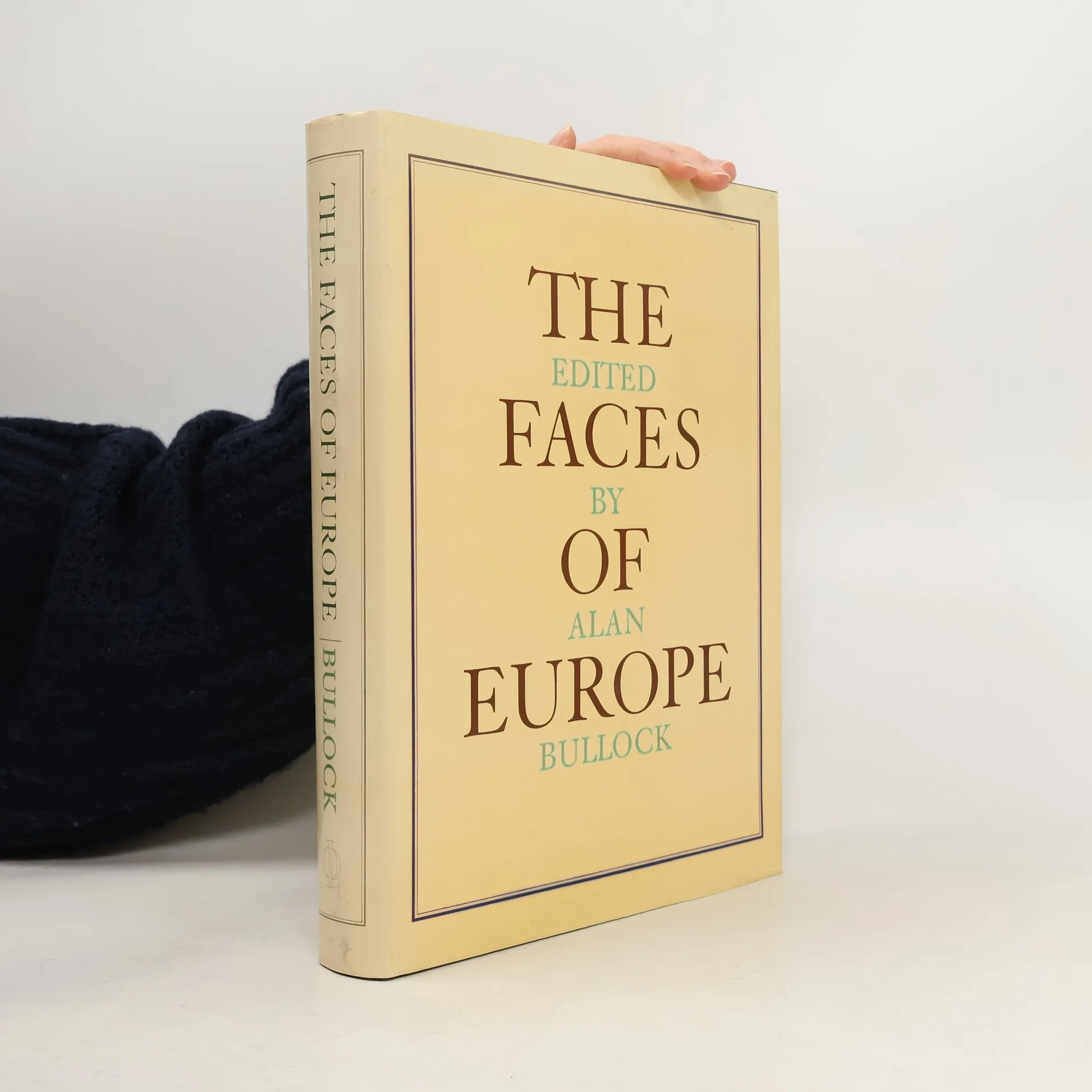
A discussion of the development of the culture and society of Europe includes examinations of art, farming, science, and politics
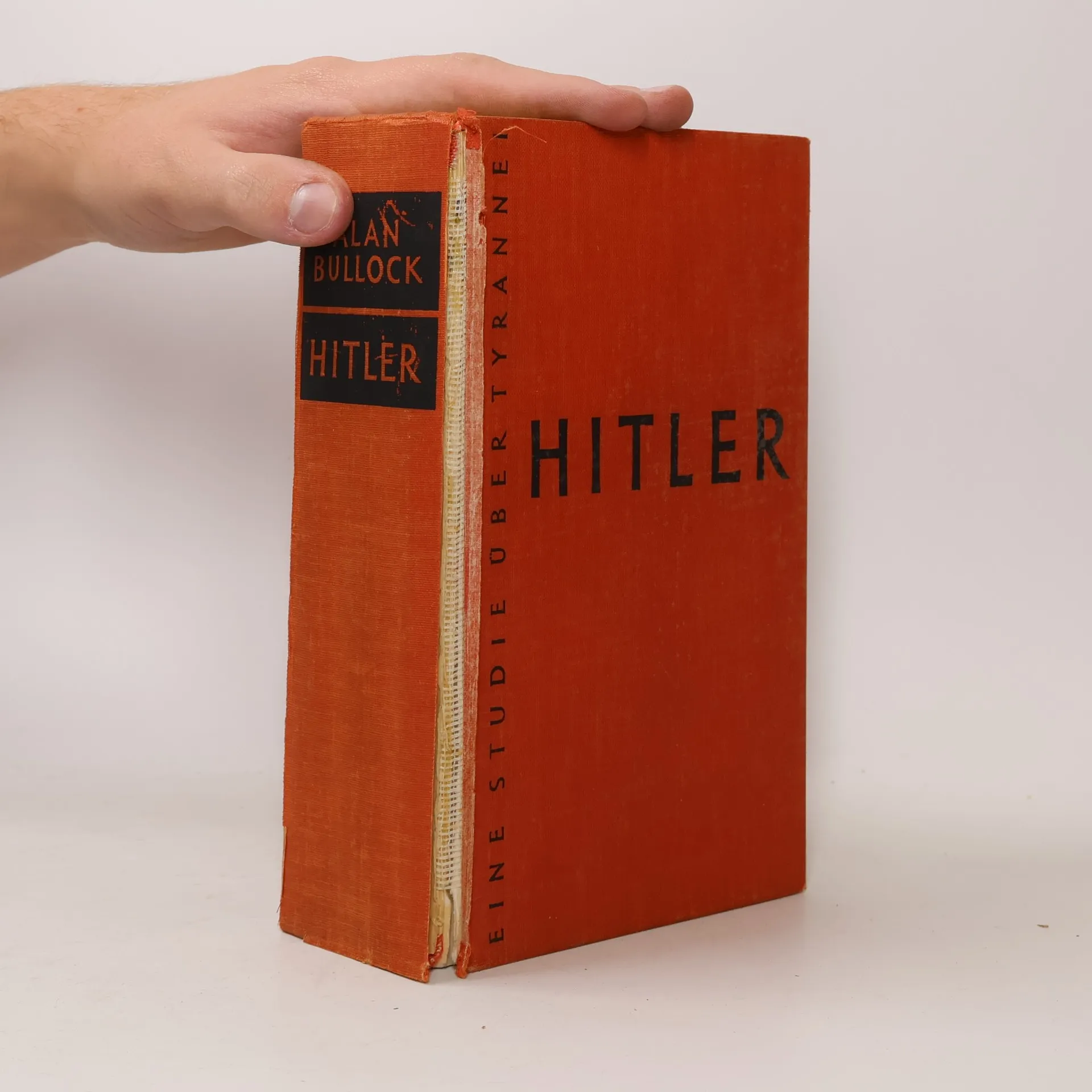
Covers Hitler's life, from his obscure beginnings through his advance to supreme absolute power and then his final decline and suicide in the bunker as Russian shells fell around him. This title is divided into three main sections, dealing with Hitler's early life, how he consolidated his position, and his actions in the Second World War.
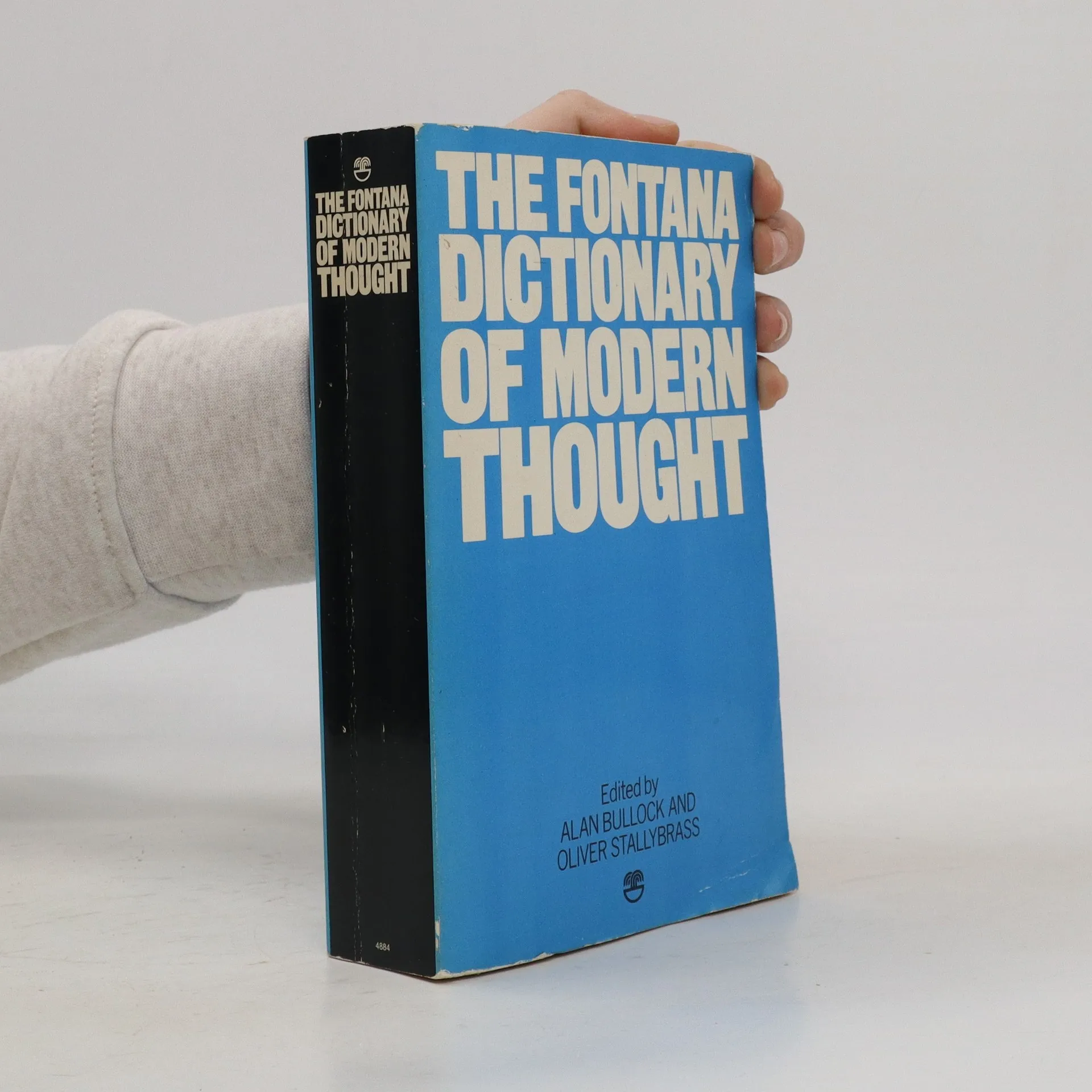
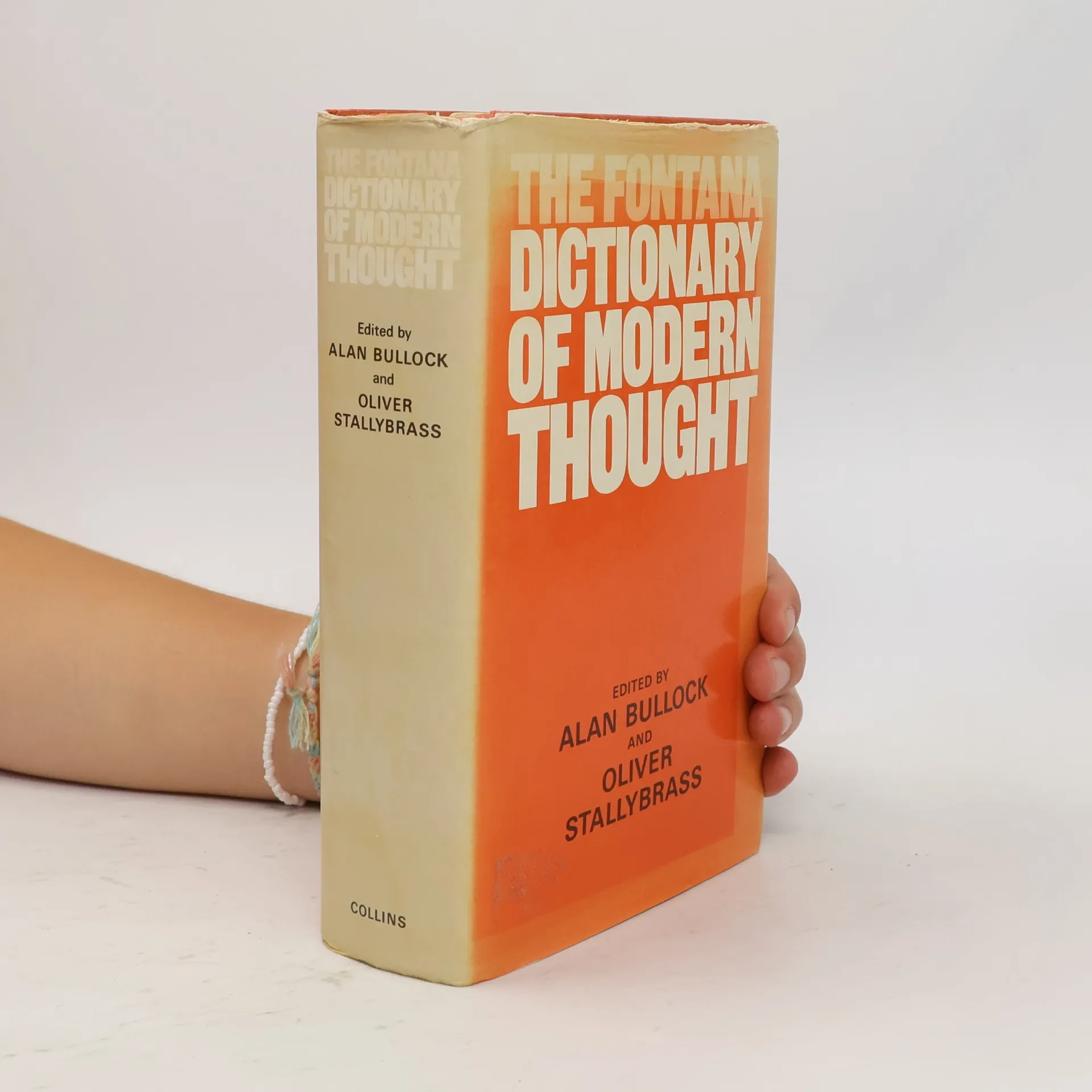
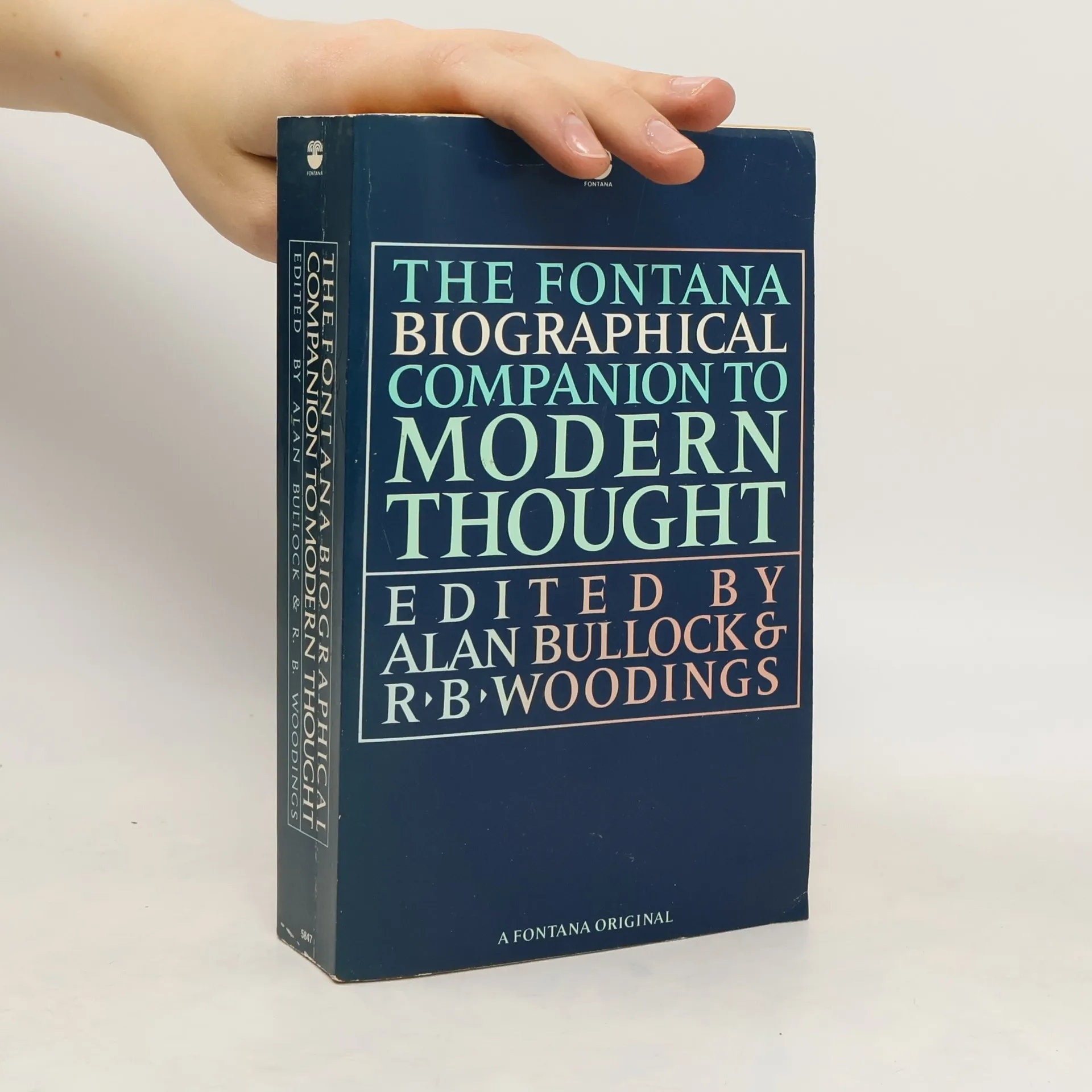
Concise explanations of some four thousand terms cover movements, trends, people, organizations, concepts, the natural and social sciences, the arts, history, and other disciplines
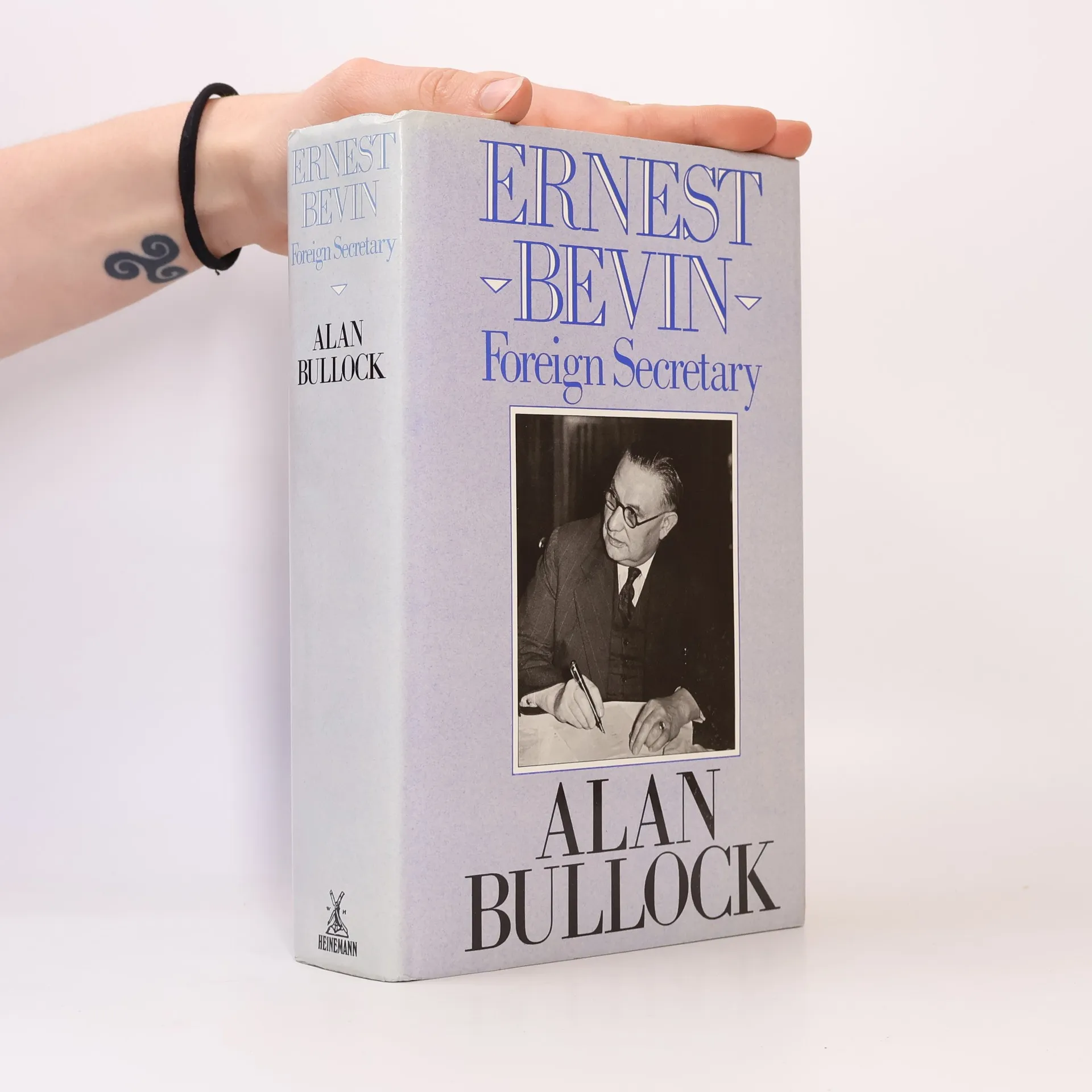
Ernest Bevin: Foreign Secretary is the definitive study by a major historian of the last phase in the career of an outstanding British public figure of this century and of a crucial period in world history after World War II. The events of Bevin's term as Foreign Secretary include the first phase of the Cold War, the Marshall Plan, the North Atlantic Alliance, the division of Germany, the Schuman Plan, the creation of Israel, the independence of India and Pakistan, and the Korean War. Britain was deeply involved in all of these events but the material has not hitherto been available to make possible a clearer understanding of British policy and Britain's role in relation to the post-war settlement. The author had to wait 30 years after Bevin's death before his papers became available for use, bringing advantages for the author and the reader. Alan Bullock was able to talk to many who were involved closely with Bevin after the War and whose recollections of him were still vivid, but many of the most valuable witnesses have since died, including Lord Attlee, Dean Acheson and Lewis Douglas. Lord Bullock had the advantage of watching a period and a series of events (he was thirty when Bevin became Foreign Secretary) slowly change and display new facets as the historical perspective lengthened. Lord Bullock's work is a landmark of contemporary history.