

Knihobot

Máša Gessen

    13. leden 1967

    Masha Gessen je novinářka, překladatelka a autorka literatury faktu, známá svým pronikavým pohledem na mezinárodní politiku, Rusko a práva LGBT+. Jejich styl se vyznačuje hlubokou analytickou přesností a schopností odhalovat složité sociální a politické dynamiky. Gessen se zabývá především témata identity, svobody a odporu v různých kulturních a politických kontextech. Díky psaní ve dvou jazycích a širokému spektru publikací Gessen přináší jedinečnou perspektivu na současné globální výzvy.

    Máša Gessen
    Blood Matters
    The Future Is History
    Two Babushkas
    The Future Is History: How Totalitarianism Reclaimed Russia
    Přežít autokracii
    Muž bez tváře
    • 2020

      Přežít autokracii

      • 320 stránek
      • 12 hodin čtení
      4,2(2978)Ohodnotit

      Stát nás ochrání. Dokud nás nezačne ohrožovat. Když se v roce 2016 stal vítězem amerických prezidentských voleb Donald Trump, spousta Američanů i lidí po celém světě se uklidňovala odolností amerického systému a stabilitou jeho institucí. Do čela světové velmoci se možná dostal narcistní psychopat, demokracie však nestojí na osobnostech, nýbrž na pevném systému vah a protivah, nezávislých úřadů a institucí s dlouhou a váženou tradicí, tradovalo se mezi západními novináři a komentátory. Jako jedna z mála kritizovala tento přístup Masha Gessen — léta strávená v Rusku i psaním o vládě Vladimira Putina jí napovídala, že přerod demokracie v autokracii může být snazší a rychlejší, než by se mohlo zdát. Z jejího eseje „Autocracy: Rules for Survival“ (Autokracie: pravidla přežití) se proto krátce po Trumpově vítězství stal jeden z nejsdílenějších a nejcitovanějších článků. Kniha Přežít autokracii však není pouhým knižním rozpracováním původního eseje či další položkou v dlouhém výčtu Trumpových skandálů a překračování demokratických mantinelů. Gessen zkušenosti s vládou a kroky Donalda Trumpa z posledních čtyř let zasazuje do širšího politického rámce a srovnává je s podobným vývojem v Rusku či orbánovském Maďarsku.

      Přežít autokracii
    • 2020

      Leben mit Exil

      Über Migration sprechen

      4,5(24)Ohodnotit

      Migration ist eines der bestimmenden Themen unserer Zeit. Kein Tag vergeht, an dem im Fernsehen oder in den sozialen Medien nicht über Flüchtlinge, Fluchtursachen oder Flüchtlingshilfe diskutiert würde. Häufig gerät dabei in den Hintergrund, welche Konsequenzen Begriffe und Ausdrucksweisen haben. Zu oft bringt schon unsere Sprache die Betroffenen zum Schweigen, etwa wenn aus Menschen »Asylanten«, »Fremde« oder in den Worten von US-Präsident Trump: »Illegale« werden.In dem Versuch, jenen, die ihre »Sprache verloren« haben (Hannah Arendt), eine Stimme zu leihen, erzählt Masha Gessen Geschichten der Migration. Gessen berichtet von Menschenrechtsaktivisten aus Russland, Homosexuellen aus dem Iran - und aus der eigenen Familiengeschichte. Die Porträts fügen sich zu einem beeindruckenden Plädoyer für die menschliche Würde.

      Leben mit Exil
    • 2019

      Reisen zu den Orten des Schreckens Der sowjetische Gulag war eine der größten Tötungsmaschinen in einem Jahrhundert der Tötungsmaschinen. Niemand war sicher. Masha Gessen und Misha Friedman sind quer durch Russland gereist, zu den Orten des Schreckens, haben mit Menschen gesprochen und Schicksale rekonstruiert. Bewusst geworden ist ihnen dabei vor allem eines: Der Terror des Gulag ist nicht etwa vergessen. Man hat sich nie richtig an ihn erinnert.

      Vergessen
    • 2018

      Perfect Rigor

      Storia di un genio e della più grande conquista matematica del secolo

      Nel 2002 un matematico russo, Grigorij Perel’man, risolse uno dei sette “problemi del Millennio”: la Congettura di Poincaré. Fu un risultato clamoroso, che mise in subbuglio la comunità matematica mondiale. Ma dopo anni di dedizione assoluta, quasi monacale, alla ricerca, Perel’man respinse tutti gli onori che gli venivano tributati: rifiutò prestigiose cattedre universitarie, la Medaglia Fields – l’equivalente del Nobel per la matematica –, nonché il premio da un milione di dollari offerto dal Clay Institute. Infine lasciò il suo lavoro all’Istituto Steklov, negandosi agli amici e alla stampa e ritirandosi in un appartamento nella periferia di San Pietroburgo, dove vive tuttora con la sola compagnia della madre. La giornalista russa Masha Gessen ricostruisce la storia misteriosa e tragica di questo genio eccentrico, costellata di mentori geniali e strane manie, amici e nemici, successi e delusioni, rievocando le atmosfere dell’epoca sovietica, tra repressione e aneliti di grandezza, e indagando le ragioni profonde che possono aver spinto Perel’man a tagliare ogni contatto con la società, fino a diventare una leggenda.

      Perfect Rigor
    • 2018

      W 2012 roku rząd Putina rozpoczął jawny proces politycznego dławienia demokracji. Kraj toczył wojnę z wrogiem wewnętrznym oraz z sąsiadami. W 2008 roku Rosja dokonała inwazji na Gruzję, a w 2014 zaatakowała Ukrainę, anektując wielkie połacie jej terytoriów. Prowadziła jednocześnie wojnę informacyjną przeciwko demokracji zachodniej zarówno pojęciu, jak i codziennej rzeczywistości. Zachodnim obserwatorom zajęło jednak trochę czasu uświadomienie sobie tego, co się naprawdę dzieje w Rosji, która na powrót przyjęła swoją rolę imperium zła oraz symbolu zagrożenia dla egzystencji świata.

      Będzie to, co było
    • 2018

      ,"A book that belongs on the shelf alongside The Gulag Archipelago. -- Kirkus Reviews A haunting literary and visual journey deep into Russia's past -- and present. The Gulag was a monstrous network of labor camps that held and killed millions of prisoners from the 1930s to the 1950s. More than half a century after the end of Stalinist terror, the geography of the Gulag has been barely sketched and the number of its victims remains unknown. Has the Gulag been forgotten?Writer Masha Gessen and photographer Misha Friedman set out across Russia in search of the memory of the Gulag. They journey from Moscow to Sandarmokh, a forested site of mass executions during Stalin's Great Terror; to the only Gulag camp turned into a museum, outside of the city of Perm in the Urals; and to Kolyma, where prisoners worked in deadly mines in the remote reaches of the Far East. They find that in Vladimir Putin's Russia, where Stalin is remembered as a great leader, Soviet terror has not been forgotten: it was never remembered in the first place.

      Never Remember
    • 2018
    • 2017

      The Future Is History

      • 515 stránek
      • 19 hodin čtení
      4,2(5117)Ohodnotit

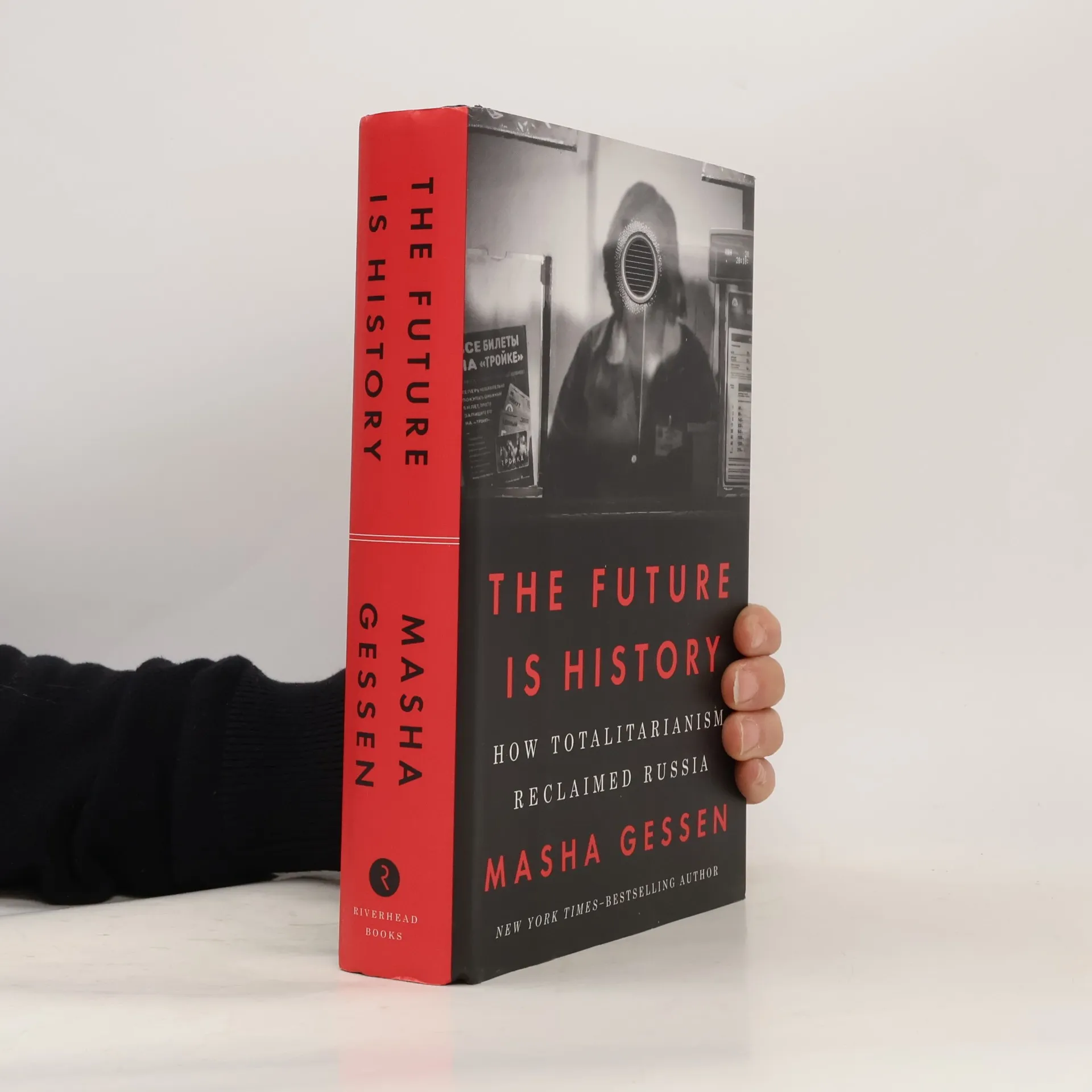
      WINNER OF THE 2017 NATIONAL BOOK AWARD IN NONFICTION FINALIST FOR THE NATIONAL BOOK CRITICS CIRCLE AWARDS WINNER OF THE NEW YORK PUBLIC LIBRARY'S HELEN BERNSTEIN BOOK AWARD NAMED A BEST BOOK OF 2017 BY THE NEW YORK TIMES BOOK REVIEW, LOS ANGELES TIMES, WASHINGTON POST, BOSTON GLOBE, SEATTLE TIMES, CHRISTIAN SCIENCE MONITOR, NEWSWEEK, PASTE, and POP SUGAR The essential journalist and bestselling biographer of Vladimir Putin reveals how, in the space of a generation, Russia surrendered to a more virulent and invincible new strain of autocracy. Award-winning journalist Masha Gessen's understanding of the events and forces that have wracked Russia in recent times is unparalleled. In The Future Is History, Gessen follows the lives of four people born at what promised to be the dawn of democracy. Each of them came of age with unprecedented expectations, some as the children and grandchildren of the very architects of the new Russia, each with newfound aspirations of their own--as entrepreneurs, activists, thinkers, and writers, sexual and social beings. Gessen charts their paths against the machinations of the regime that would crush them all, and against the war it waged on understanding itself, which ensured the unobstructed reemergence of the old Soviet order in the form of today's terrifying and seemingly unstoppable mafia state. Powerful and urgent, The Future Is History is a cautionary tale for our time and for all time.

      The Future Is History
    • 2016

      Where the Jews Aren't

      • 169 stránek
      • 6 hodin čtení
      3,8(548)Ohodnotit

      From the acclaimed author of The Man Without a Face, the previously untold story of the Jews in twentieth-century Russia that reveals the complex, strange, and heart-wrenching truth behind the familiar narrative that begins with pogroms and ends with emigration. In 1929, the Soviet government set aside a sparsely populated area in the Soviet Far East for settlement by Jews. The place was called Birobidzhan.The idea of an autonomous Jewish region was championed by Jewish Communists, Yiddishists, and intellectuals, who envisioned a haven of post-oppression Jewish culture. By the mid-1930s tens of thousands of Soviet Jews, as well as about a thousand Jews from abroad, had moved there. The state-building ended quickly, in the late 1930s, with arrests and purges instigated by Stalin. But after the Second World War, Birobidzhan received another influx of Jews—those who had been dispossessed by the war. In the late 1940s a second wave of arrests and imprisonments swept through the area, traumatizing Birobidzhan’s Jews into silence and effectively shutting down most of the Jewish cultural enterprises that had been created. Where the Jews Aren’t is a haunting account of the dream of Birobidzhan—and how it became the cracked and crooked mirror in which we can see the true story of the Jews in twentieth-century Russia. (Part of the Jewish Encounters series)

      Where the Jews Aren't
    • 2016

      Muž bez tváře

      Neuvěřitelný vzestup Vladimira Putina

      • 404 stránek
      • 15 hodin čtení
      4,4(12)Ohodnotit

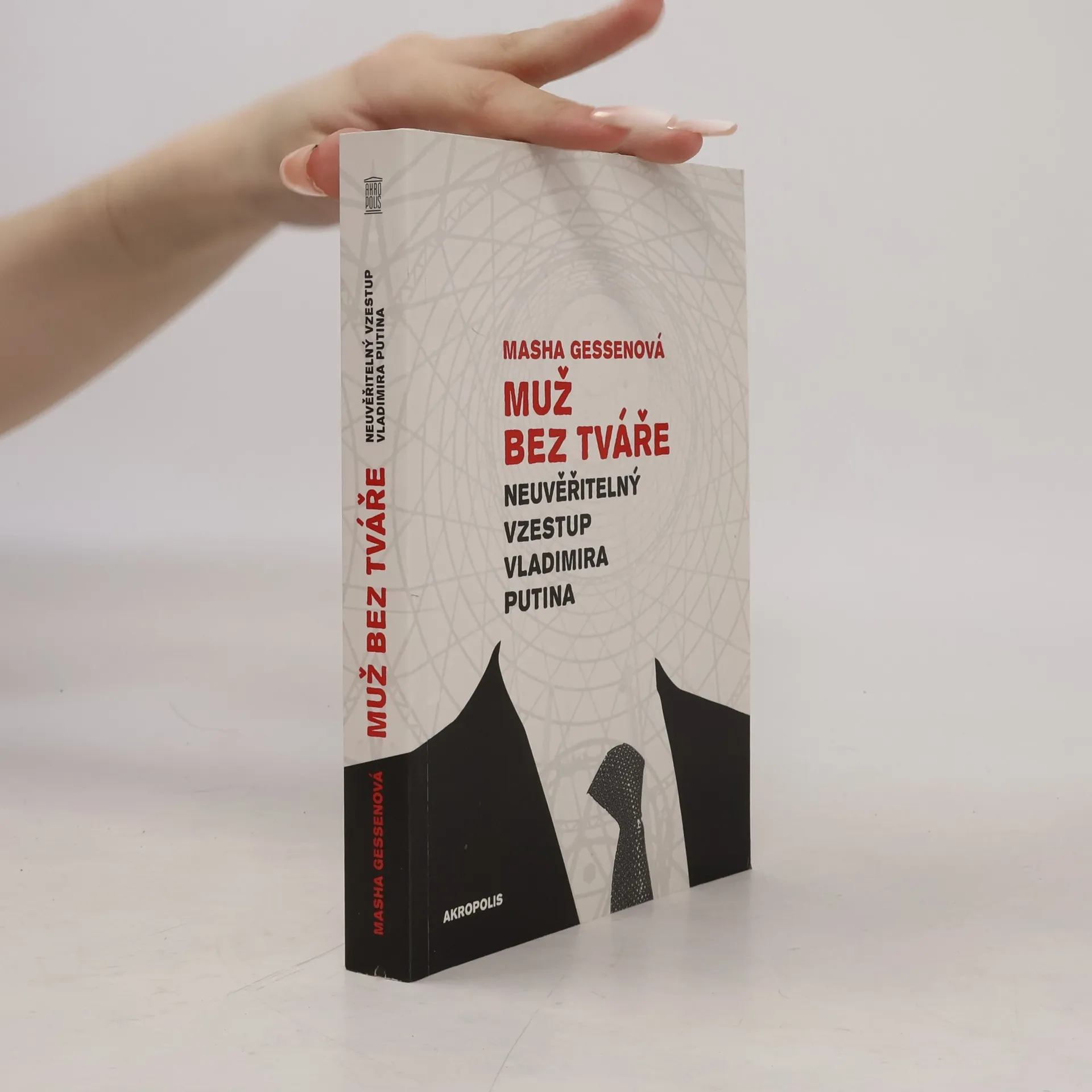
      Když se v roce 1999 lidé kolem Borise Jelcina snažili najít náhradu za svého chřadnoucího a čím dál méně oblíbeného prezidenta, padla jejich volba na tehdy téměř neznámého Vladimira Vladimiroviče Putina, muže bez tváře, o němž si mysleli, že se jim snadno podaří dotvořit jej podle vlastních představ. A skutečně, Rusko i poblázněný Západ byly rozhodnuty vidět v něm progresivního vůdce svých snů, dokonce i tehdy, když Putin nemilosrdně rozprášil ruská média, vyrval moc i bohatství z rukou byznysmenů a zlikvidoval křehce se rodící demokratické mechanismy. Během několika let byly odstraněny všechny překážky, jež by mu jakkoliv bránily v uplatnění nekontrolovatelné moci: opoziční hlasy byly umlčeny, političtí protivníci a kritici vyhnáni do exilu nebo zavražděni. Masha Gessenová tento příběh zažila na vlastní kůži a podle toho o něm také hovoří. Její fascinující vyprávění o Putinově vzestupu a vládě je vynikajícím dílem žurnalistické literatury a českému čtenáři přinese nejedno překvapení.

      Muž bez tváře