Seit ihrer Erfindung ist die Fotografie von der Gewinnung und Ausbeutung natürlicher Rohstoffe abhängig. Während die analoge Bildproduktion im 19. und 20. Jahrhundert auf Kupfer, Kohle, Silber und Papier basierte, benötigt die Fotografie im Smartphone-Zeitalter seltene Erden und Metalle wie Koltan, Kobalt und Europium. Die Publikation beleuchtet die Materialgeschichte dieser Rohstoffe im Kontext der Fotografie und verknüpft sie mit der Geschichte ihres Abbaus, der Entsorgung und dem Klimawandel. Sie erzählt die Geschichte der Fotografie als Teil der industriellen Fertigung und zeigt, wie das Medium in die menschgemachten Veränderungen der Natur verwickelt ist. Die Ausstellung präsentiert zeitgenössische Arbeiten von Künstlern wie Ignacio Acosta, Lisa Barnard, F&D Cartier, Susanne Kriemann und vielen anderen sowie historische Werke von Eduard Christian Arning, Hermann Biow und weiteren, ergänzt durch Material aus dem Agfa Foto-Historama, dem Eastman Kodak Archive und dem FOMU Antwerpen sowie Mineralproben von Alexander von Humboldt aus dem Museum für Naturkunde in Berlin. Esther Ruelfs ist Kunsthistorikerin und leitet die Sammlung Fotografie und Neue Medien im Museum für Kunst und Gewerbe in Hamburg. Boaz Levin ist Schriftsteller, freier Kurator und Mitbegründer des Research Center for Proxy Politics.

Esther Ruelfs Pořadí knih (chronologicky)


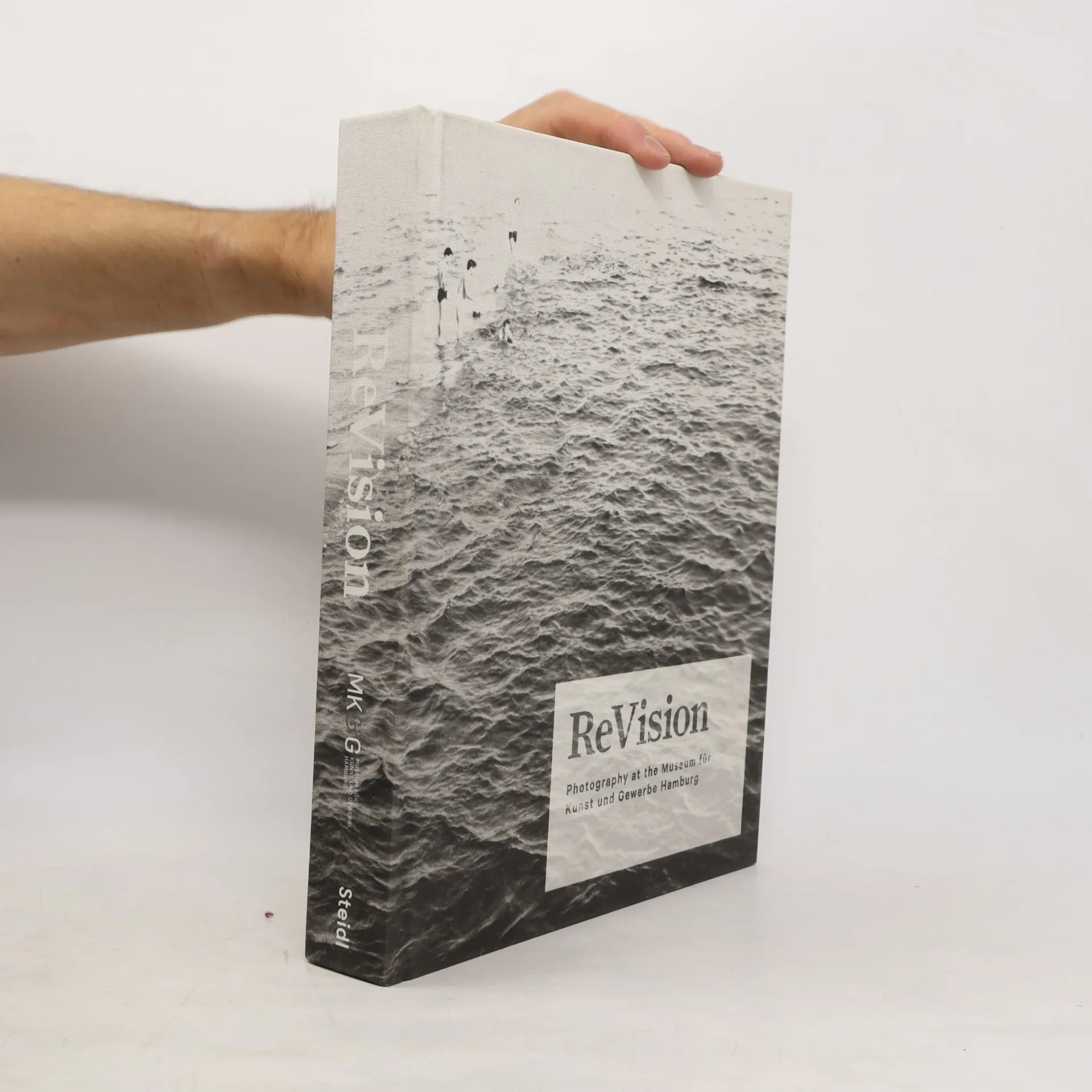
ReVision
- 380 stránek
- 14 hodin čtení
This book offers for the first time an overview of the unique collection of photography and new media held by the Museum für Kunst und Gewerbe Hamburg (MKG). From the beginnings of photography to contemporary pieces, the collection includes more than 75,000 works. The MKG, an arts and crafts museum, already began collecting photography towards the end of the nineteenth century and played a pioneering role as the first museum in Germany to open its doors to the medium. As early as the turn of the century, photography was already being acquired as a medium in its own right, and the first exhibitions devoted to it were held starting in 1911. ReVision explores this extensive and multifaceted collection from various perspectives such as portrait, architecture and reportage photography. Central discourses such as the desire for a precise and documentary approach, or the nineteenth-century roles of photography as an aid to science and an archival medium are considered. At the same time, the changing materiality of photographs such as their frames is examined, alongside different emphases of the collection including international pictorial photography and Japanese photography. Texts by renowned international photo and cultural historians round off the theoretical aspect of the book.
Objekte erzählen Geschichte
Die Sammlung des Museums für Kunst und Gewerbe Hamburg
- 288 stránek
- 11 hodin čtení
Die Publikation zur Sammlung des Museums für Kunst und Gewerbe Hamburg erzählt in elf Kapiteln die kulturraumübergreifende Geschichte menschlicher Kreativität und Erfindungsgabe. Die Darstellung ist chronologisch aufgebaut und umfasst einen Zeitraum von über 4000 Jahren. Mehr als 250 Objekte aus den Sammlungen eines der bedeutendsten Kunst- und Gewerbemuseen Europas werden im Kontext ihrer jeweiligen Epoche gezeigt, sodass gleichzeitige Entwicklungen und Innovationen sichtbar werden. Die Darstellung beginnt im Alten Orient und endet bei aktuellen Beispielen zum Überlebensdesign für die Dritte Welt.
Fotografische Leidenschaften
- 287 stránek
- 11 hodin čtení