

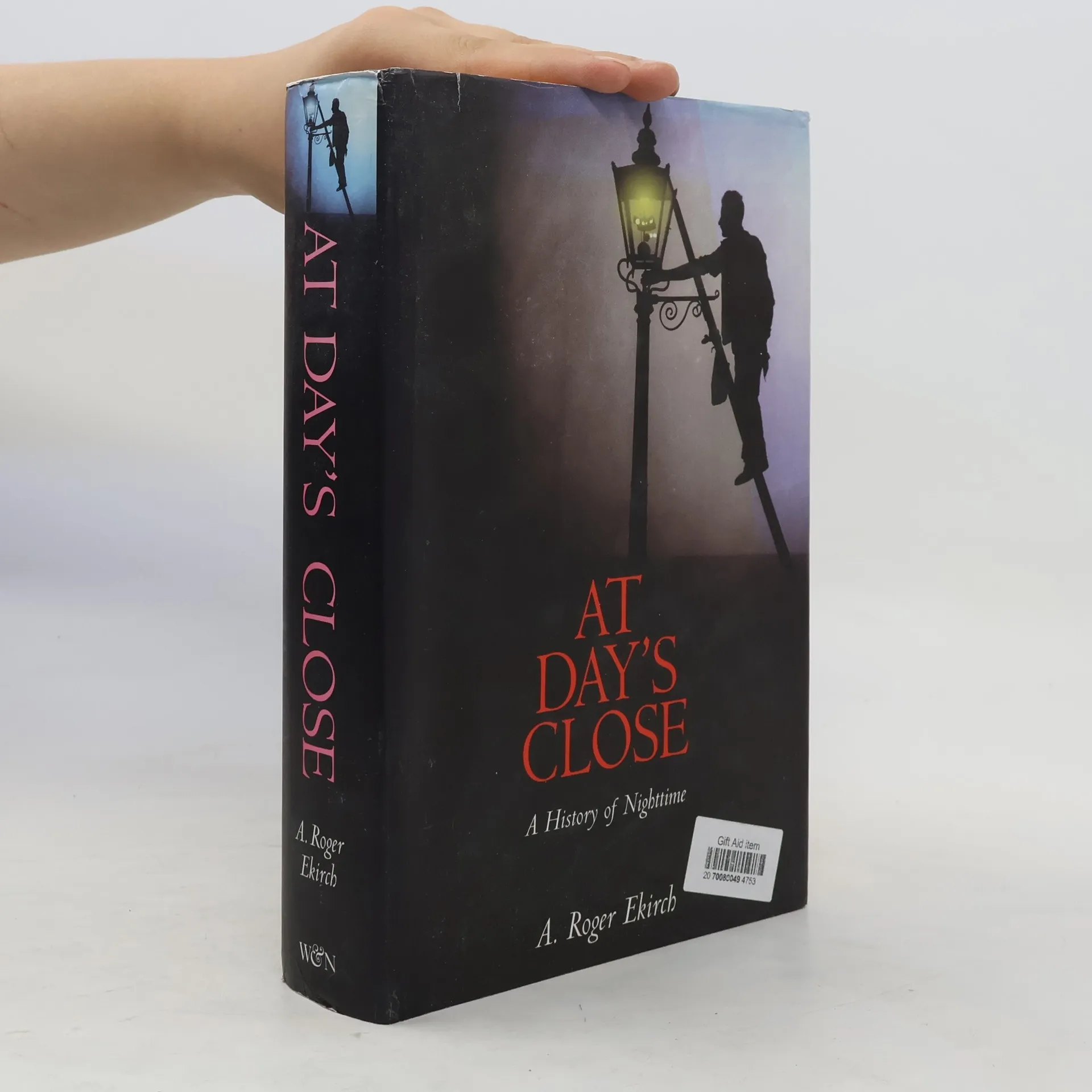
AT DAY'S CLOSE charts a fresh realm of Western culture, nocturnal life from the late medieval period to the Industrial revolution. The book focuses on the cadences of daily life, investigating night time in its own right and resurrecting a rich and complex universe in which persons passed nearly half of their lives - a world, long-lost to historians, of blanket fairs, night freaks, and curtain lectures, of sun-suckers, moon-cursers and night-kings. It is not only the vocabulary that has disappeared., AT DAY'S CLOSE will restitute many facts which have been either lost or forgotten (for example, that our ancestral sleepers slept in two phases during the night with an active waking period in-between). It is a significant and newsworthy contribution to social history, filled with substantial research, stories and new discoveries. Ekirch uses a wide range of sources to reconstruct how the night was lived in the past : travel accounts, memoirs, letters, poems, plays, court records, coroner's reports, depositions and laws dealing with curfews, crime and lighting. He has analysed working-class autobiographies, proverbs, nursery rhymes, ballads and sermons, and folklore, as well as consulting medical, psychological and anthropological papers. The result is a truly fascinating overview of an unknown slice of history.
A. Roger Ekirch Knihy

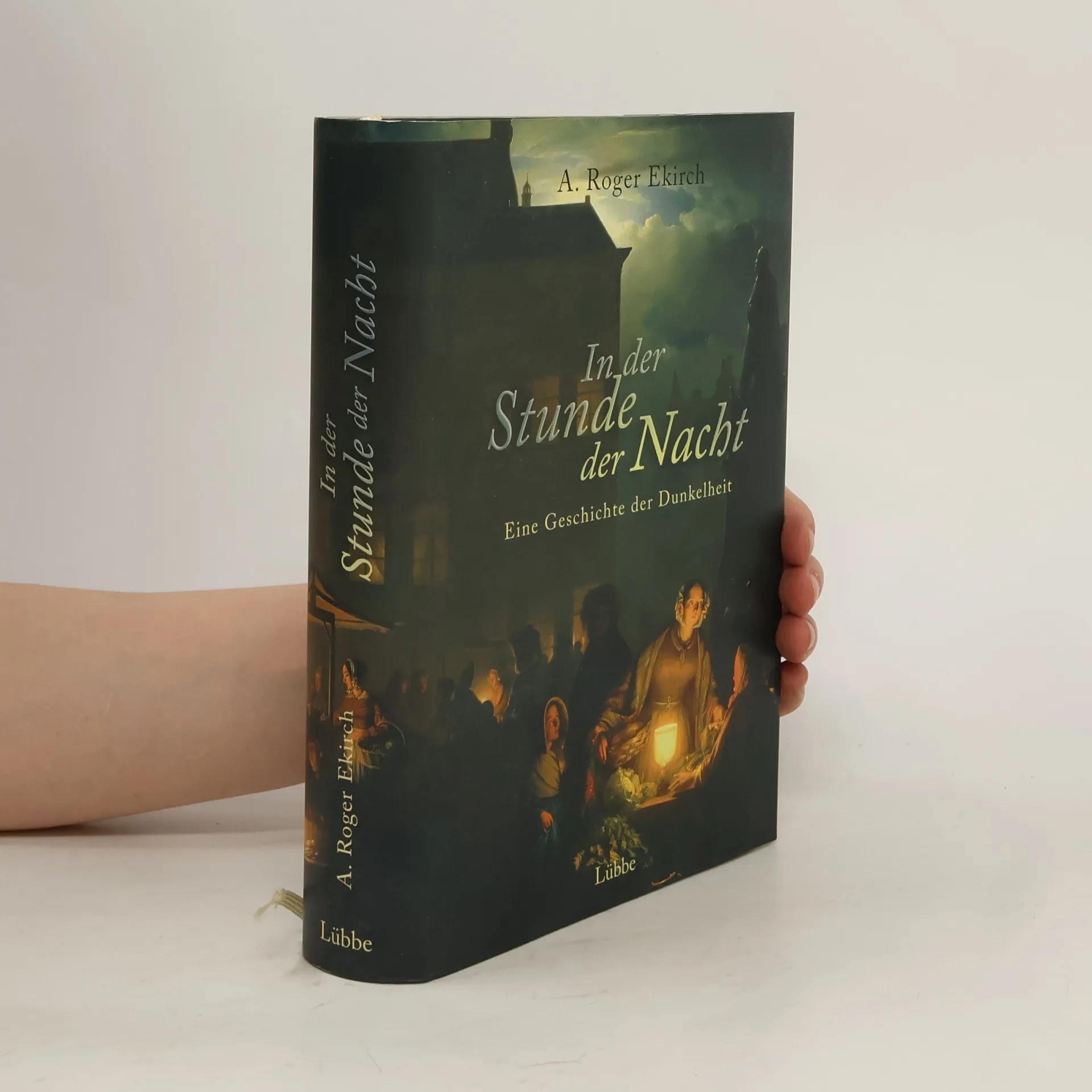
In der Stunde der Nacht
- 495 stránek
- 18 hodin čtení
In der Stunde der Nacht. Eine Geschichte der Dunkelheit
- 496 stránek
- 18 hodin čtení
A. Roger Ekirch präsentiert in seinem Buch eine umfassende Darstellung der Nacht vor dem industriellen Zeitalter. Er beleuchtet die Dunkelheit als Zeit mit eigenen Ritualen, Ängsten und Freiheiten, die zugleich Raum für Erholung und Aberglauben, aber auch für böse Geister und Verbrechen war.