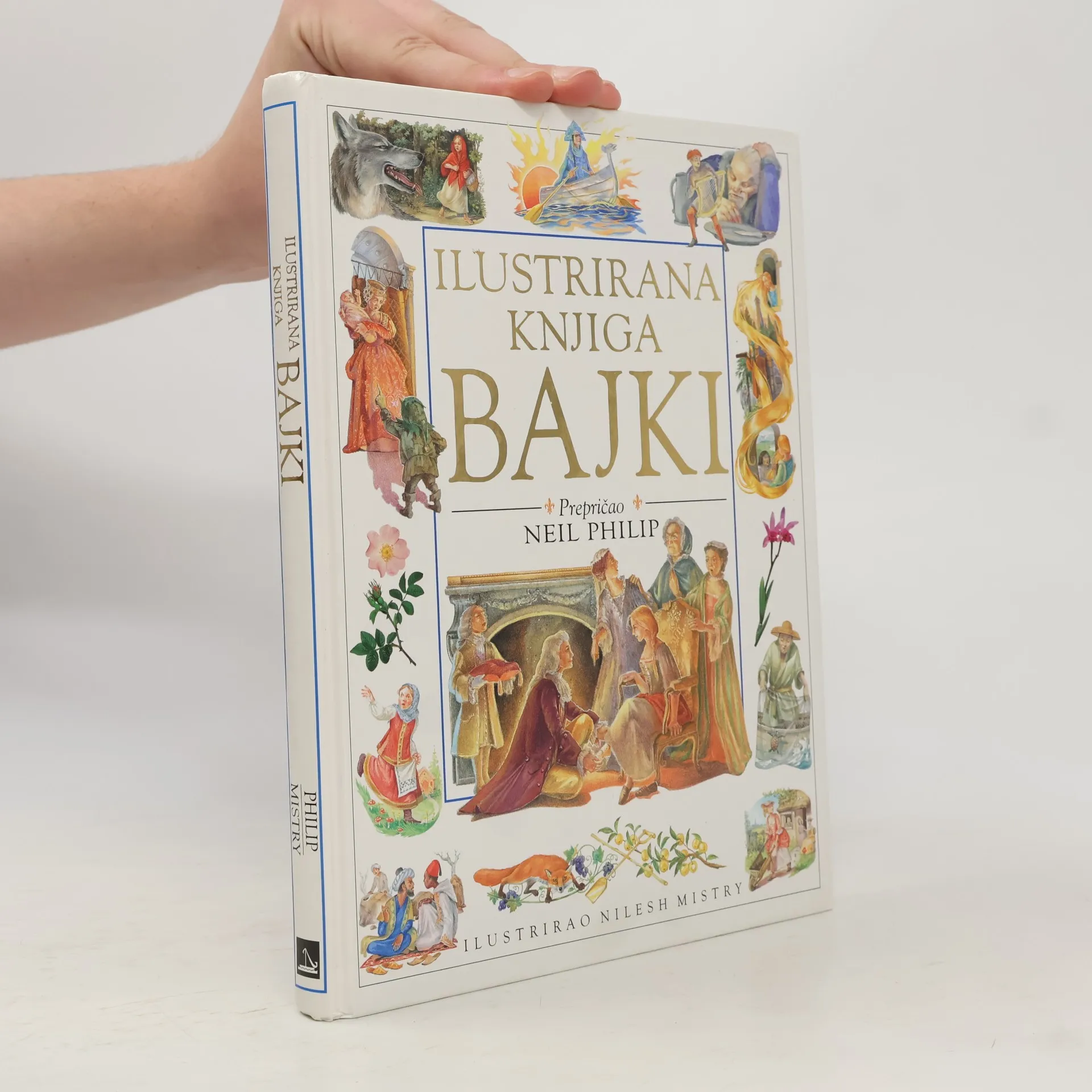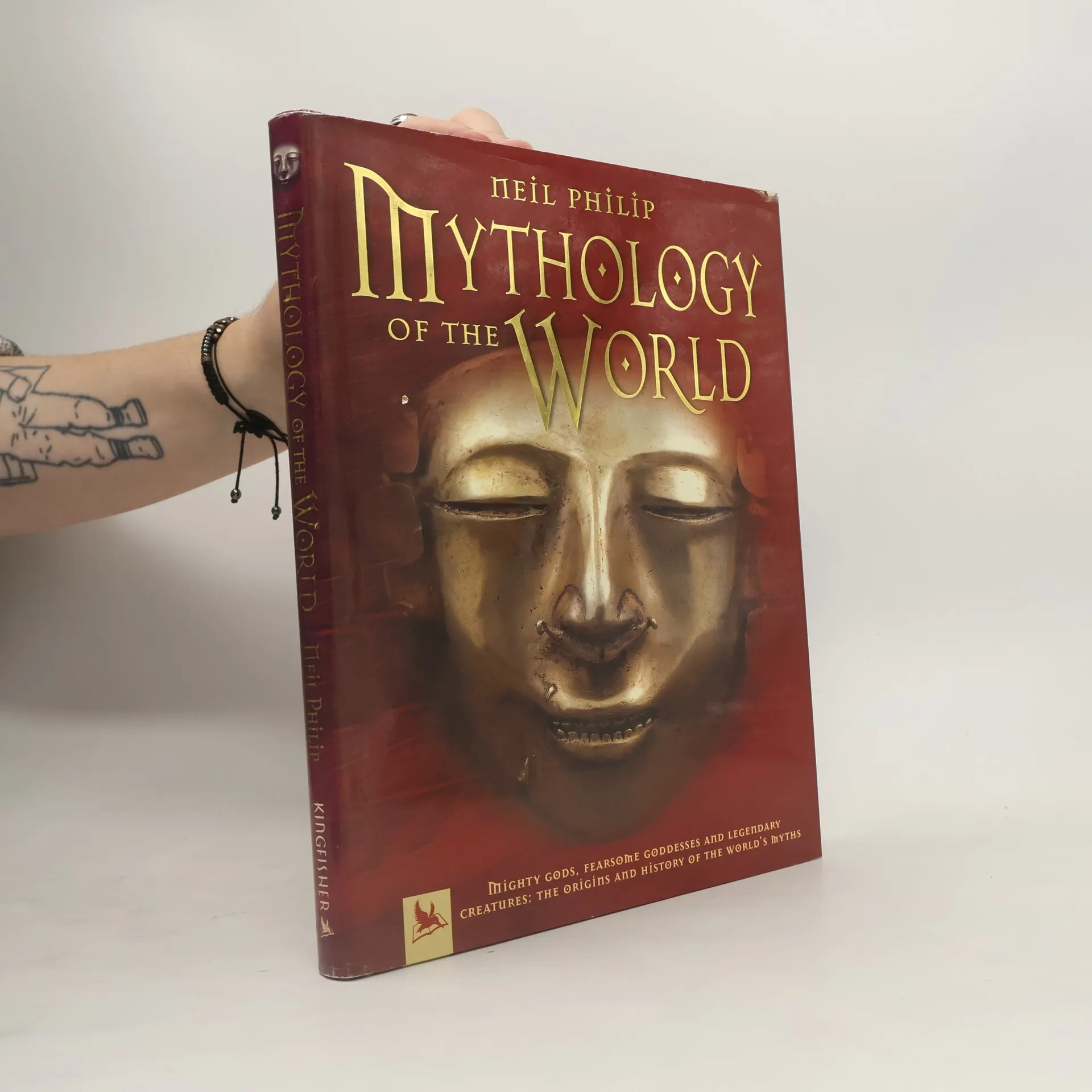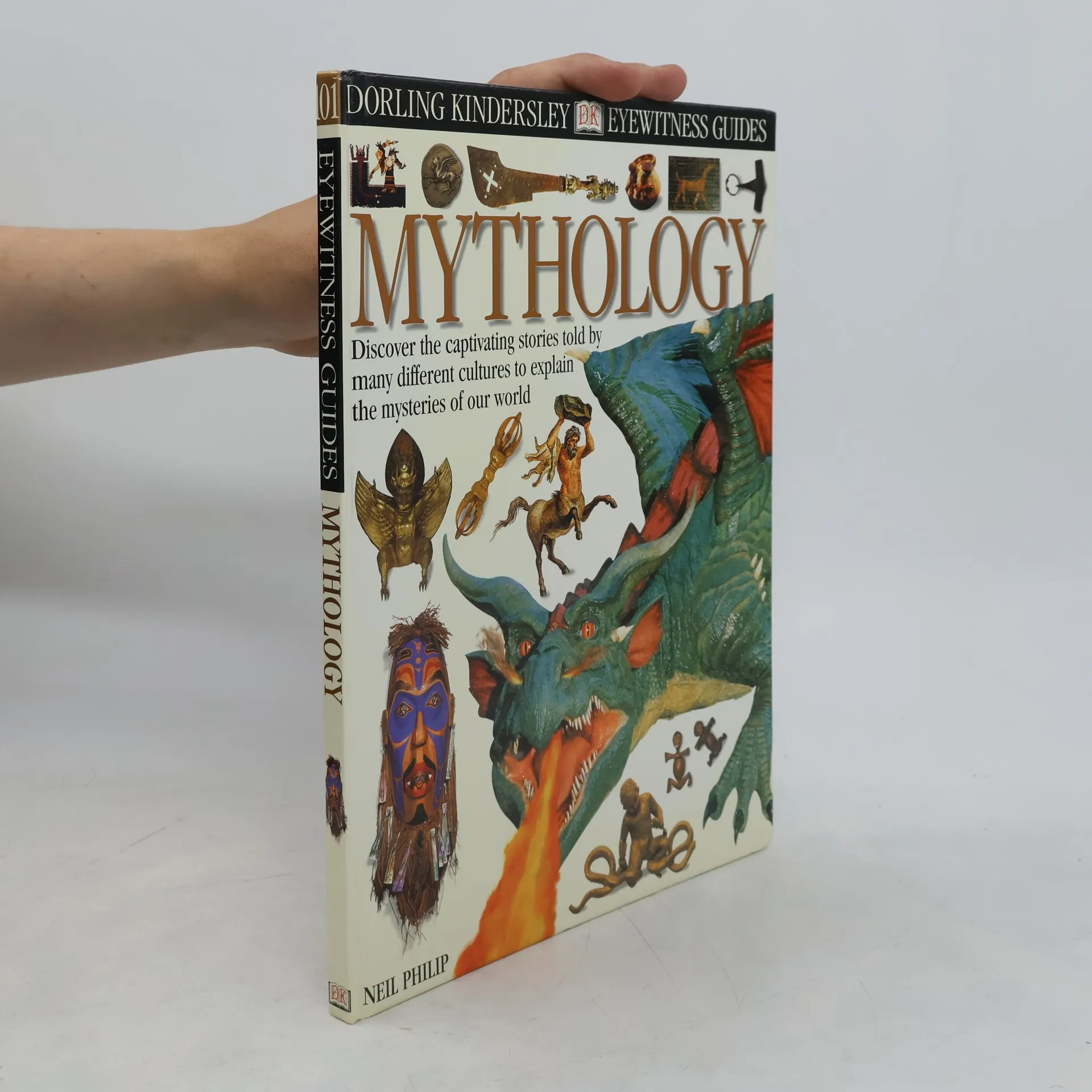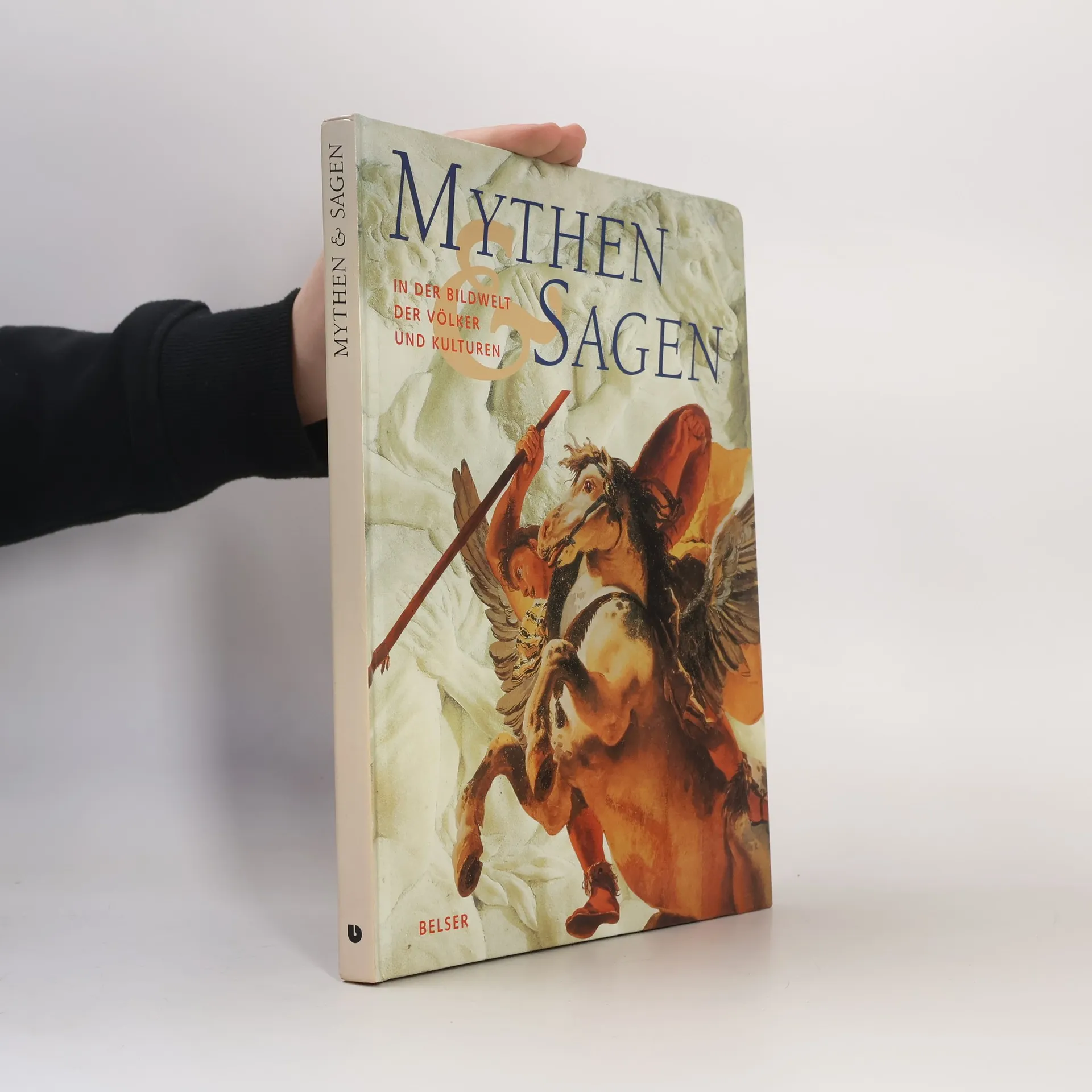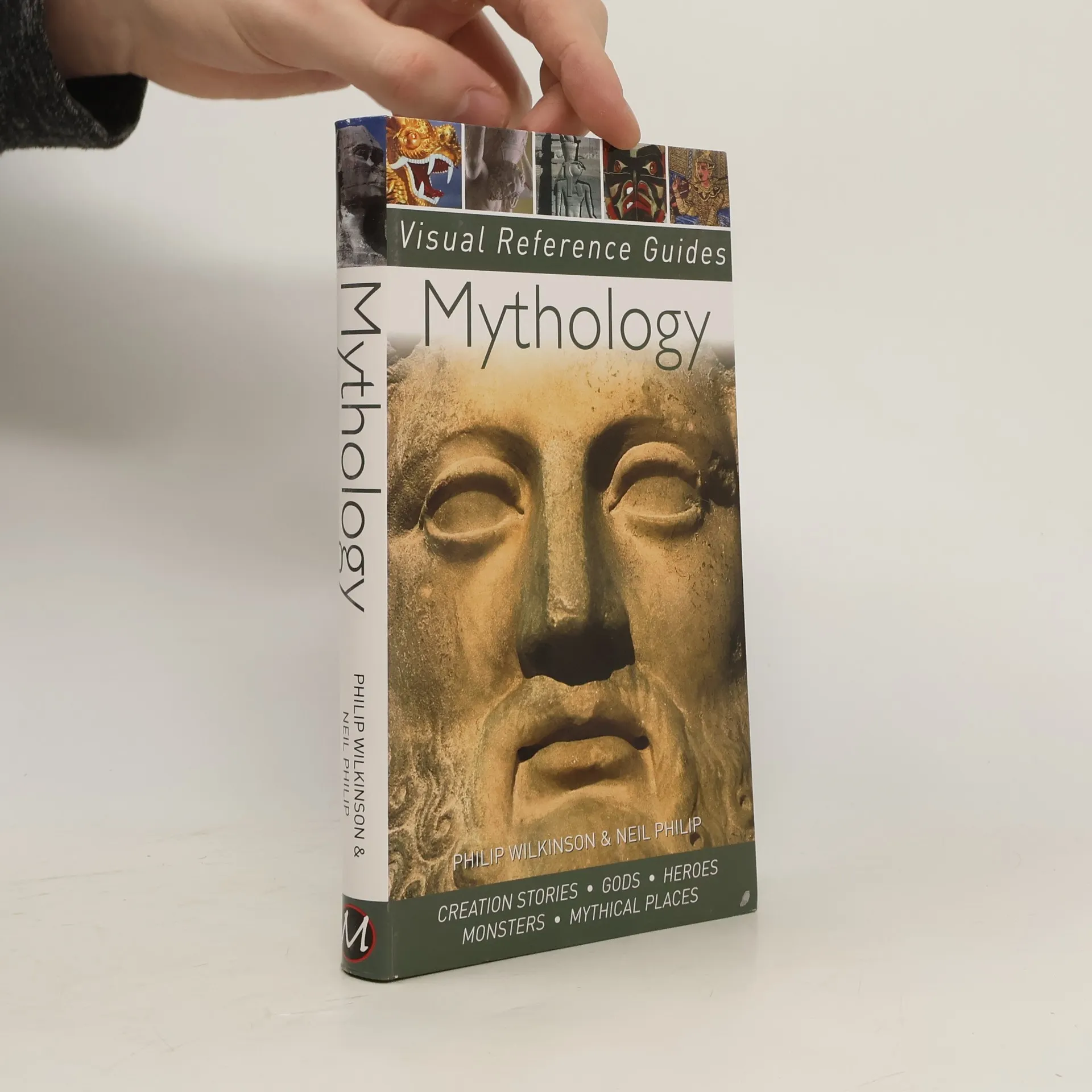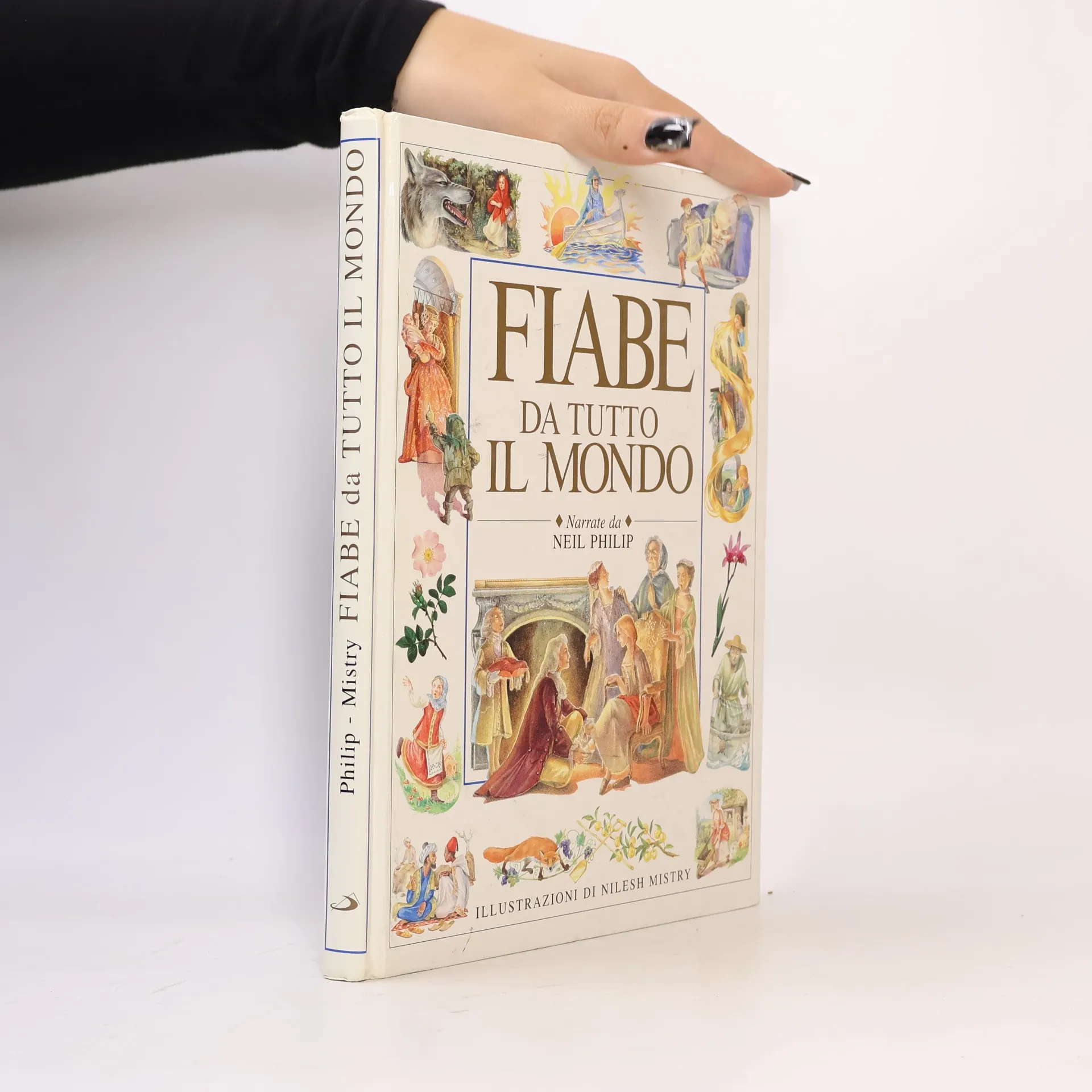
Neil Philip je spisovatel, folklorista a básník, jehož dílo oslavuje sílu slov, poezie a umění vyprávět příběhy. Jeho tvorba se noří do hlubin lidové slovesnosti, mýtů a historických témat, přičemž prokazuje hluboké porozumění pro lidskou zkušenost. Philipův styl je obohacen o poetickou citlivost a vypravěčskou zručnost, což čtenářům přináší poutavé a myšlenkově podnětné čtení. Jeho práce představují most mezi tradicí a moderním literárním vyjádřením, a zanechávají v čtenářích trvalý dojem.
Kniha náboženství je další publikace z edice přehledových oborových publikací (Kniha filozofie, Kniha psychologie, Kniha ekonomie, Kniha vědy), určených pro nejširší veřejnost od úplných začátečníků až po pokročilé studenty a odborníky. Nabízí obsáhlý přehled všech hlavních světových náboženství, jejich vzniku, vývoje, podstaty a vzájemných souvislostí. Hutný výklad v moderní grafické úpravě doprovázejí srozumitelné diagramy, které objasňují hlavní principy.
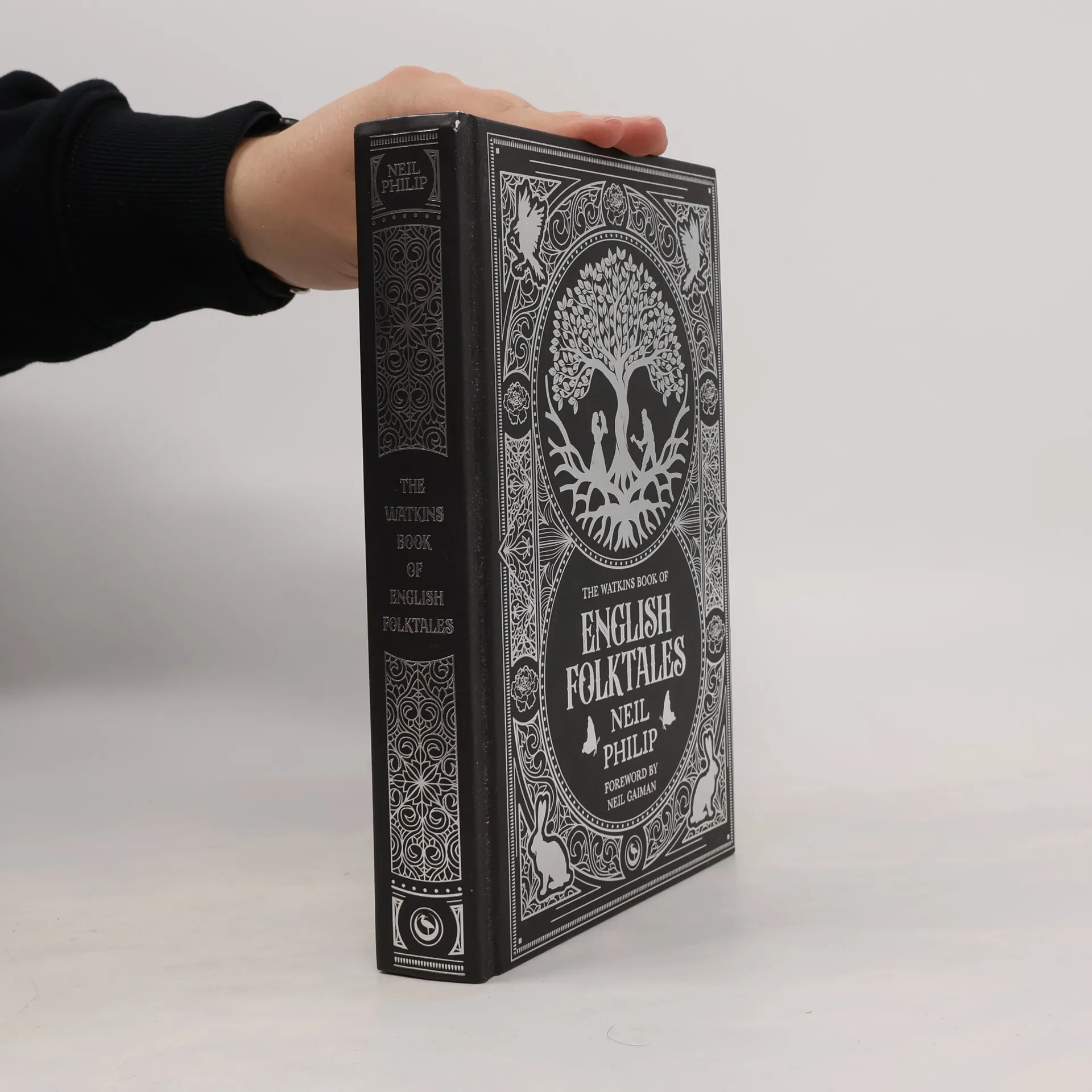
With a foreword by Neil Gaiman, this comprehensive, entertaining and authentic
collection of English folktales is perfect for fans of Madeline Miller, Philip
Pullman and the Brothers Grimm.
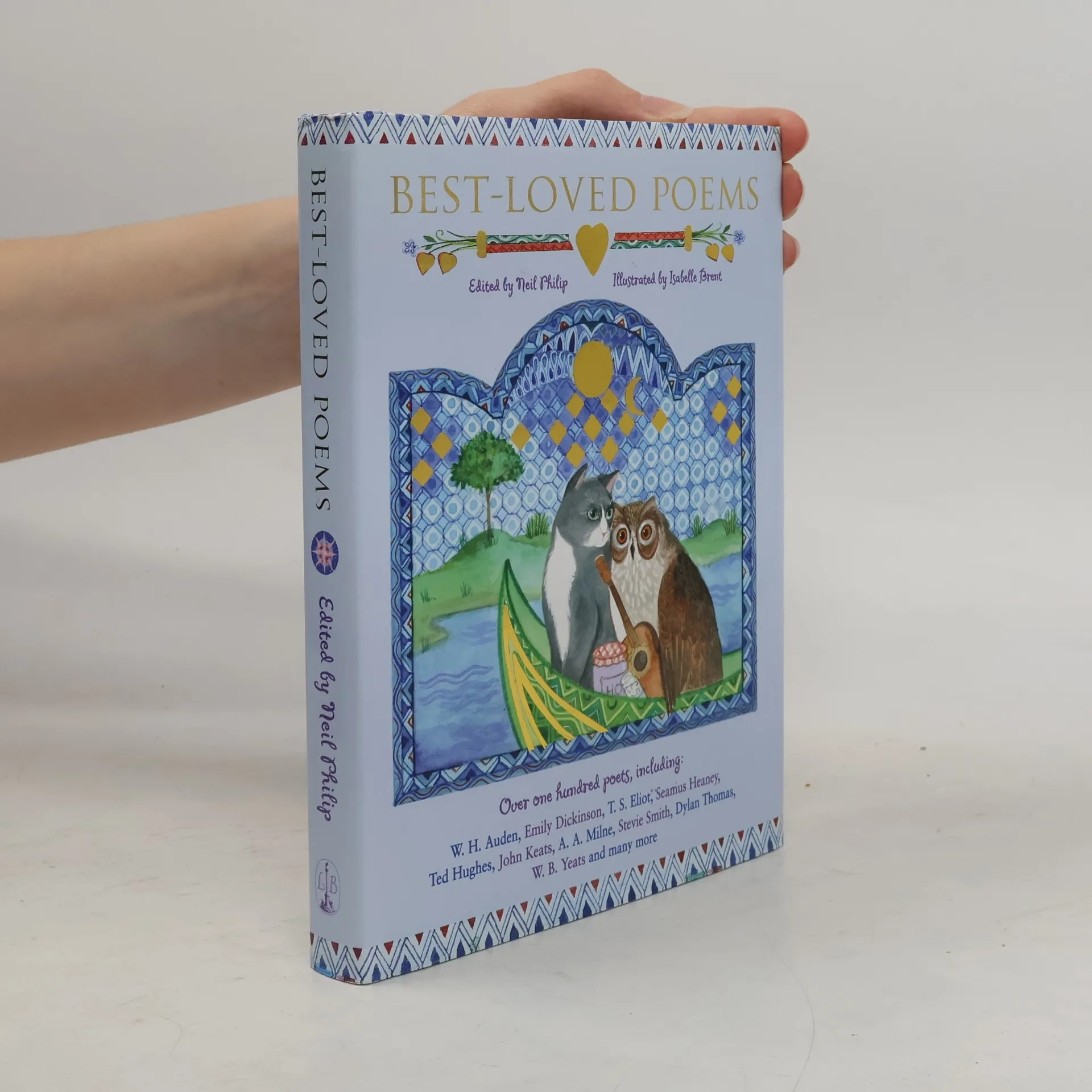
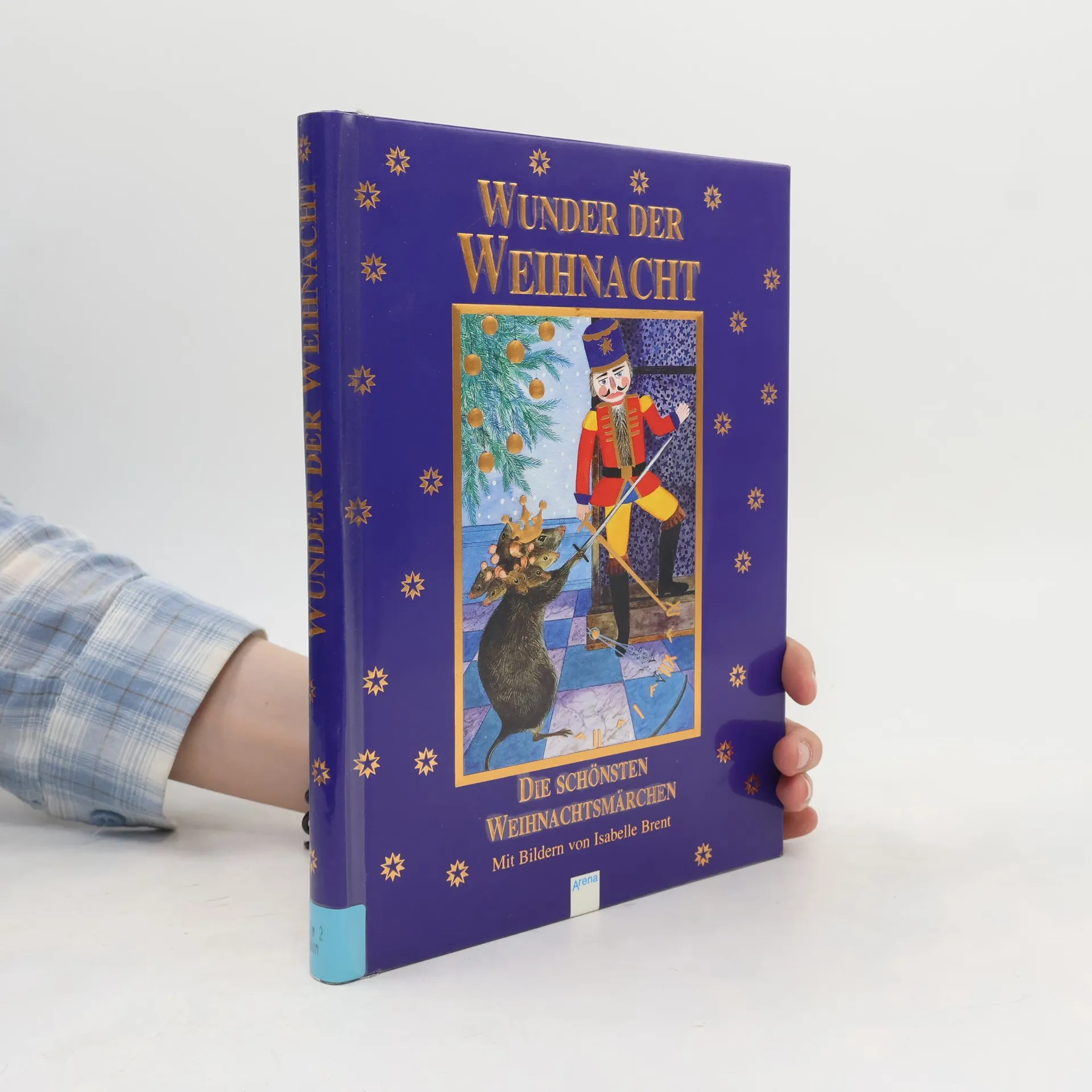
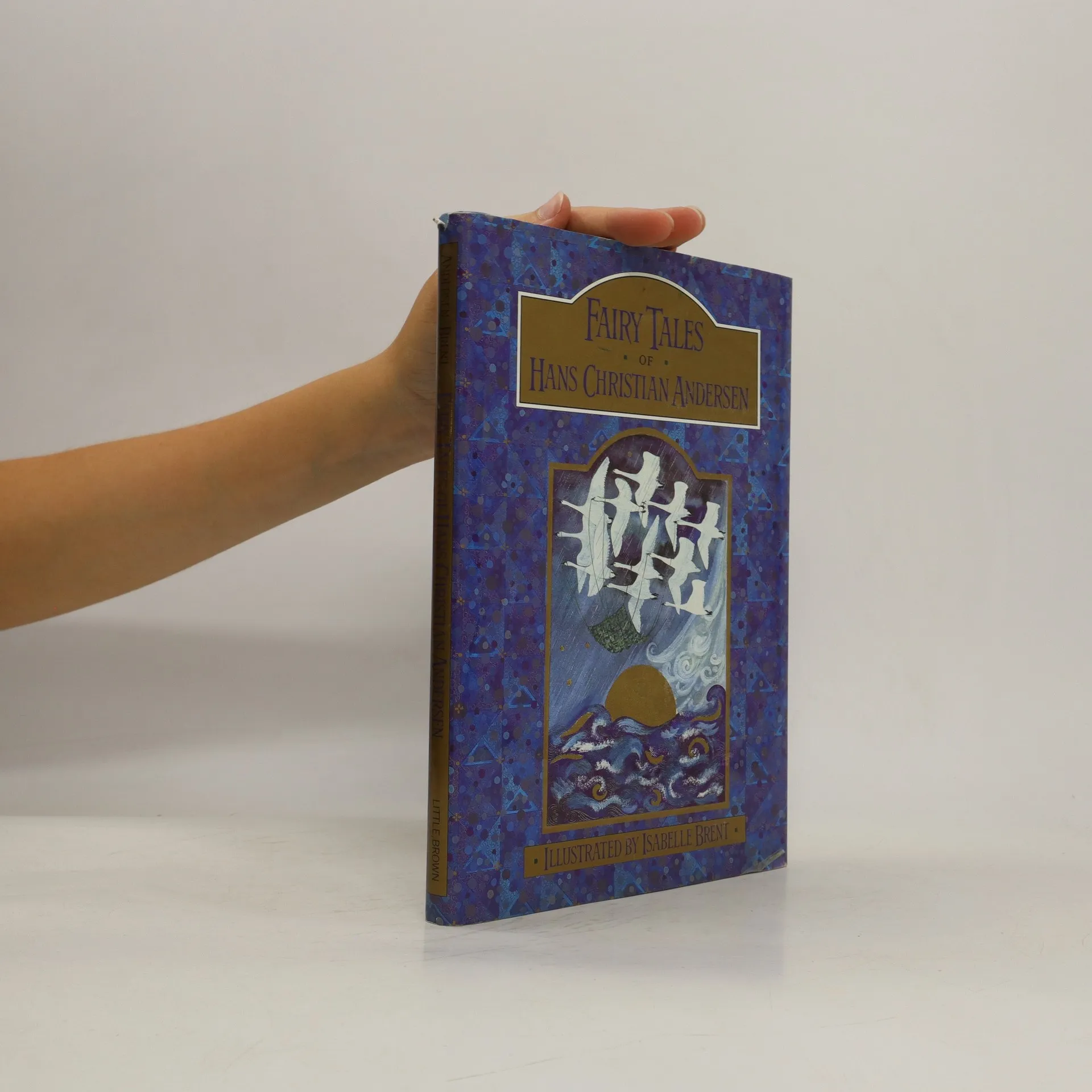
A festive collection of classic seasonal stories, retold by a renowned
folklorist, and beautifully illustrated with intricate paintings by Isabelle
Brent.
A retelling of sixteen of the enthralling stories by a renowned folklorist,
including Aladdin and Ali Baba, with evocative illustrations by Sheila Moxley.
Vivid traditional tales from around the USA, simply retold and with context
notes, gorgeously illustrated throughout by Jacqueline Mair in her distinctive
hand-stitched folk-art style.
A wonderful collection of twenty-two fairy tales that draw on the classic
folklore of Eastern Europe - stories of romance and adventure, love and
deceit, walking houses and flying ships, with evocative illustrations by Larry
Wilkes.
A sound knowledge of head and neck anatomy is essential for the safe and effective practice of clinical dentistry, and much clinically relevant and important anatomy can be learned by examining the living subject in conjunction with radiological images, especially those using CT reconstruction. This book bridges the gap between ‘textbook’ topographical anatomy and the anatomy of the living subject, as experienced in clinical practice.With detailed instructions on how to locate and examine anatomical structures, this practical guide encourages students to work together in small groups, examining each other and themselves as living models. As they progress through the book, students will become more confident about correlating living and radiological examination. The radiographic content utilises the latest forms of imaging and is intended to complement, where relevant, the topographical features in the living subject.Contents Practical tips on head and neck examinationBony landmarksTesting the cranial nervesExamining the buccal cavity and oropharynxExamining the arterial pulses, salivary glands and lymph nodesThe temporomandibular joint (TMJ) and the muscles of masticationNeck landmarksJoints and movements of the head and neckThe scalp, ear and eye