Challenging the traditional view of the Dark Age of Greece, this book argues that the perceived gap in history, spanning approximately 500 years from 1250 to 750 BC, is a result of the influence of ancient Egyptian chronology rather than an actual decline. It posits that Classicists have capitulated to this external authority, leading to a misinterpretation of historical continuity. This work serves as a critical piece in the reconstruction of ancient history, as proposed by Immanuel Velikovsky, and invites readers to reconsider established timelines and narratives.
Immanuel Velikovsky Pořadí knih (chronologicky)
10. červen 1895 – 17. listopad 1979
Immanuel Velikovsky byl nezávislý badatel známý svými kontroverzními knihami, které reinterpretovaly události starověkých dějin. Používal komparativní mytologii a starověké literární zdroje k argumentaci, že Země v dávných dobách zažila katastrofické přiblížení k jiným planetám. Jeho teorie byly akademickou obcí odmítány, ale jeho knihy si získaly velkou popularitu mezi laiky.


In the Beginning
- 234 stránek
- 9 hodin čtení
This book is a sequel (or better: a prequel) to Immanuel Velikovsky's main work, the best-selling Worlds in Collision, in which he gave a detailed reconstruction of two global natural catastrophes based on information handed down by our ancestors. He mentioned there that, as part of his intensive research, he found numerous indications of even more catastrophes that took place earlier in the history of mankind. In the present book, the material collected by Velikovksy about this topic is presented to the public for the first time. His findings show just how turbulent the history of Earth and our planetary system was during the time of mankind and how little we actually know of all that today.
The book offers an insider's perspective on the controversy surrounding Immanuel Velikovsky's groundbreaking work, Worlds in Collision. Through authentic letters, readers witness the intense backlash from prominent scientists and universities, including boycotts and campaigns aimed at discrediting Velikovsky. His responses to these attacks, often suppressed by major publications, highlight the clash between scientific authority and innovative ideas. This exploration is particularly relevant today, shedding light on the dynamics of science and its societal impact.
Dynastien im Chaos
- 365 stránek
- 13 hodin čtení
Ztráta paměti lidstva
- 222 stránek
- 8 hodin čtení
Autor se narodil ve Vitebsku roku 1895 - Vydával společně s Albertem Einsteinem Scripta Univarsitatis atque Bibliotheacae Hierosolymitarum, z čehož se později ustavila Hebrejská universita v Jeruzalémě. Vzpomínky na pohromy byly vymazány nikoli z důvodů neexistence literární tradice, ale z důvodů jistého charakteristického procesu, který později způsobil to, že celé národy včetně svých nejvzdělanějších členů, vepsaly do těchto tradic alegorie či metafory na místa, kde byly jasně popisovány skutečné kosmické poruchy.
Peoples of the Sea
- 267 stránek
- 10 hodin čtení
Focusing on the campaigns of Alexander the Great, this volume connects revised and classical chronologies, completing Velikovsky's reconstruction of ancient history. It is the second volume in terms of publication but serves as the final installment in the Ages in Chaos series. Each of its three independent parts contributes to its significance, making it accessible and engaging for readers, regardless of their familiarity with previous volumes.
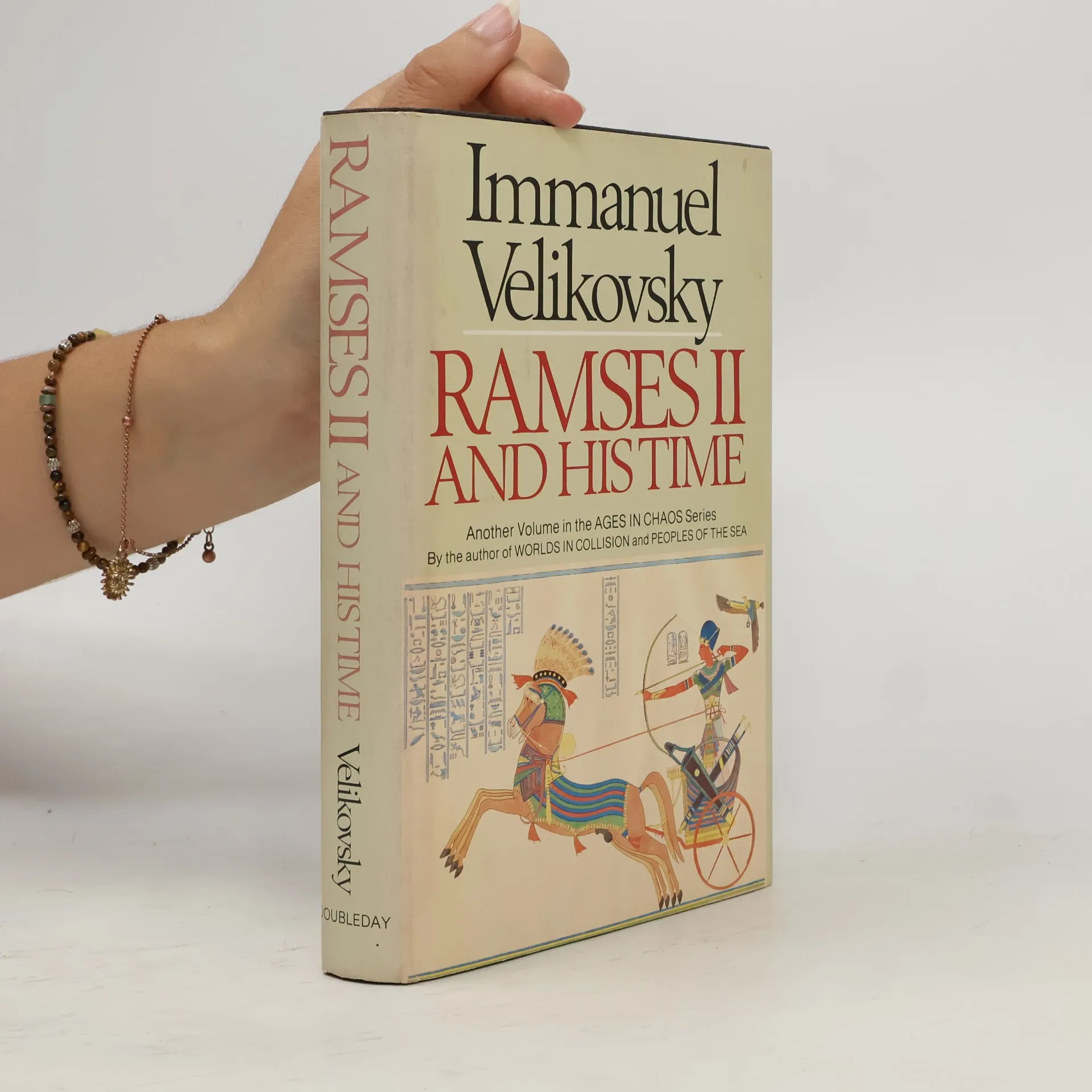
Radically reconstructs ancient history to reveal that Nebuchadnezzar's enemy, known as Necho, is in fact Ramses II and that the so-called Hittites are the Chaldeans
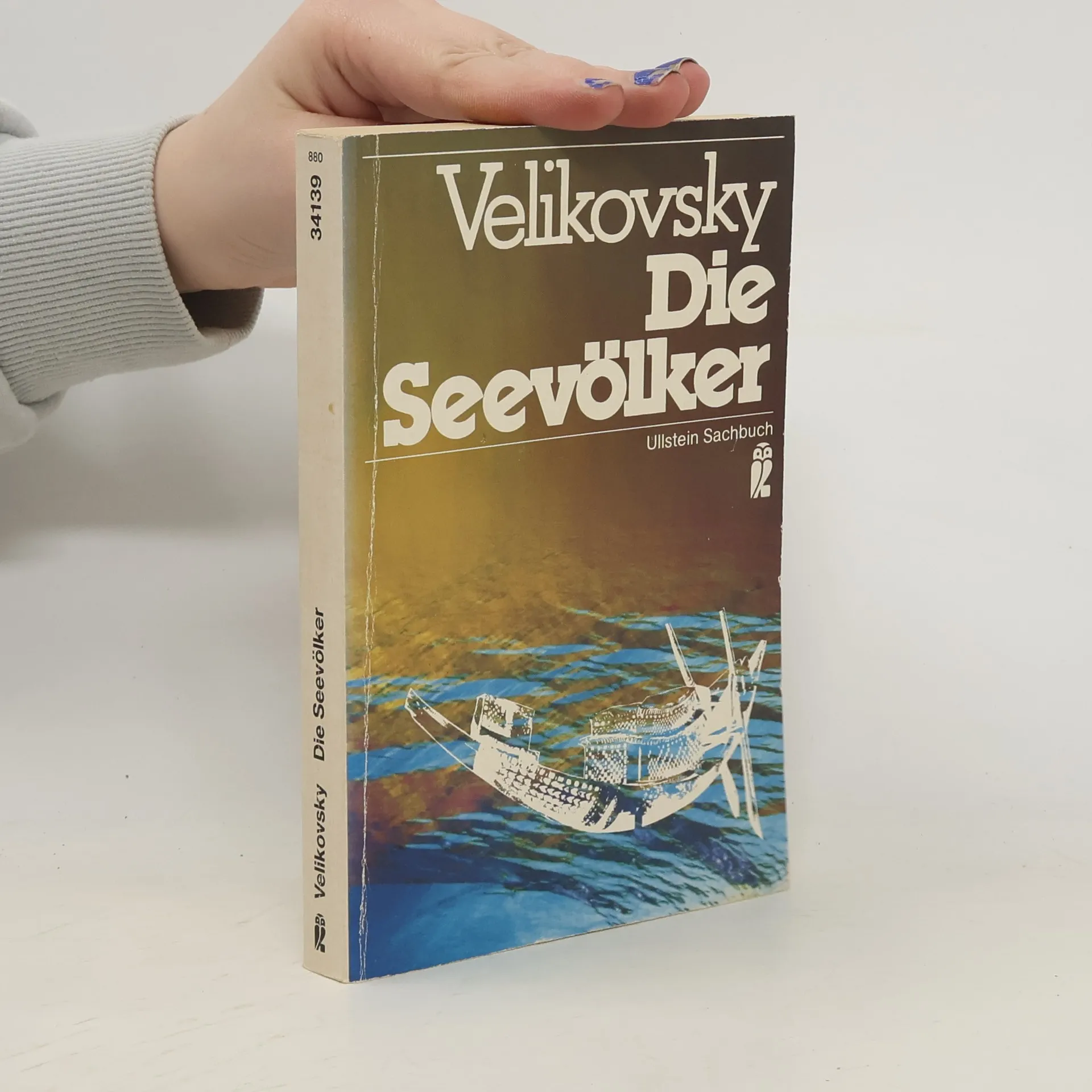
Die Seevölker
- 278 stránek
- 10 hodin čtení
In diesem Buch wird die radikalgeniale Rekonstruktion der Ägyptischen Geschichte vorgelegt. Das Buch liefert die überraschende Lösung, wie es auch das Rätsel der sogenannten Priesterkönige, bisher als 21. Dynastie auf die Ramessiden folgend, löst. Darüber hinaus enthält der Band den Aufsatz Velikovskys "Astronomie und Chronologie", in dem die Fehler der orthodoxen Geschichtsschreibung aufgedeckt wird.
Ages in Chaos I
- 382 stránek
- 14 hodin čtení
This is the first volume of the series Ages in Chaos, in which Immanuel Velikovsky undertakes a reconstruction of the history of antiquity. With utmost precision and the exciting style of a presentation that's typical for him he shows, beyond doubt, what nobody would consider possible: in the conventional history of Egypt - and therefore also of many neighboring cultures - a span of 600 years is described, which has never happened! This assertion is as unbelievable and outrageous as the assertions in Worlds in Collision or Earth in Upheaval. But Velikovsky takes us on a detailed and highly interesting journey through the - corrected - history and makes us a witness to how many question marks disappear, doubts vanish and corresponding facts from the entire Near East furnish a picture of overall conformity and correctness. You will meet an Egyptian eyewitness of the biblical plagues and the mysterious Queen of Sheba. You will find out to where her legendary visit led her. You will, moreover, learn surprising details about the temple of Solomon and learn who was behind its sacking. In the end you do not only wonder how conventional historiography has come into existence, but why it is still taught and published. Just as Velikovsky became the father of "neo-catastrophism" by Worlds in Collision, he became the father of "new chronology" by Ages in Chaos.
Earth in upheaval
- 264 stránek
- 10 hodin čtení
After the publication of Worlds in Collision Immanuel Velikovsky was confronted with the argument that in the shape of the earth and in the flora and fauna there are no traces of the natural catastrophes he had described. Therefore a few years later he published Earth in Upheaval, which not only supports the historical documents by very impressive geological and paleontological material, but even arrives at the same conclusions just based on the testimony of stones and bones. Earth in Upheaval – a very exactly investigated and easily understandable book – contains material that completely revolutionizes our view of the history of the earth. For all those who have ever wondered about the evolution of the earth, the formation of mountains and oceans, the origin of coal or fossils, the question of the ice ages and the history of animal and plant species, Earth in Upheaval is a MUST-READ!
Zeitalter im Chaos
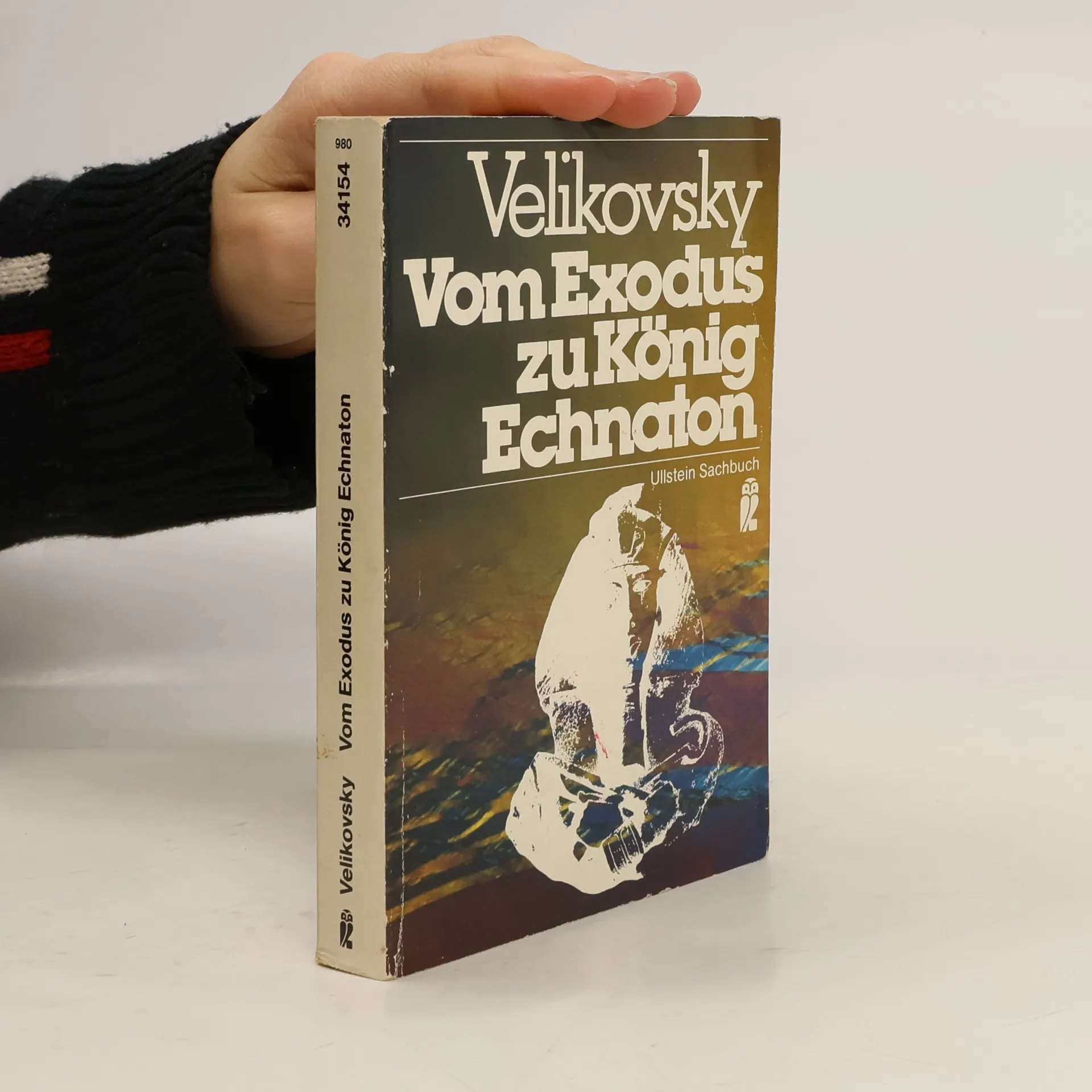
Vom Exodus zu König Echnaton
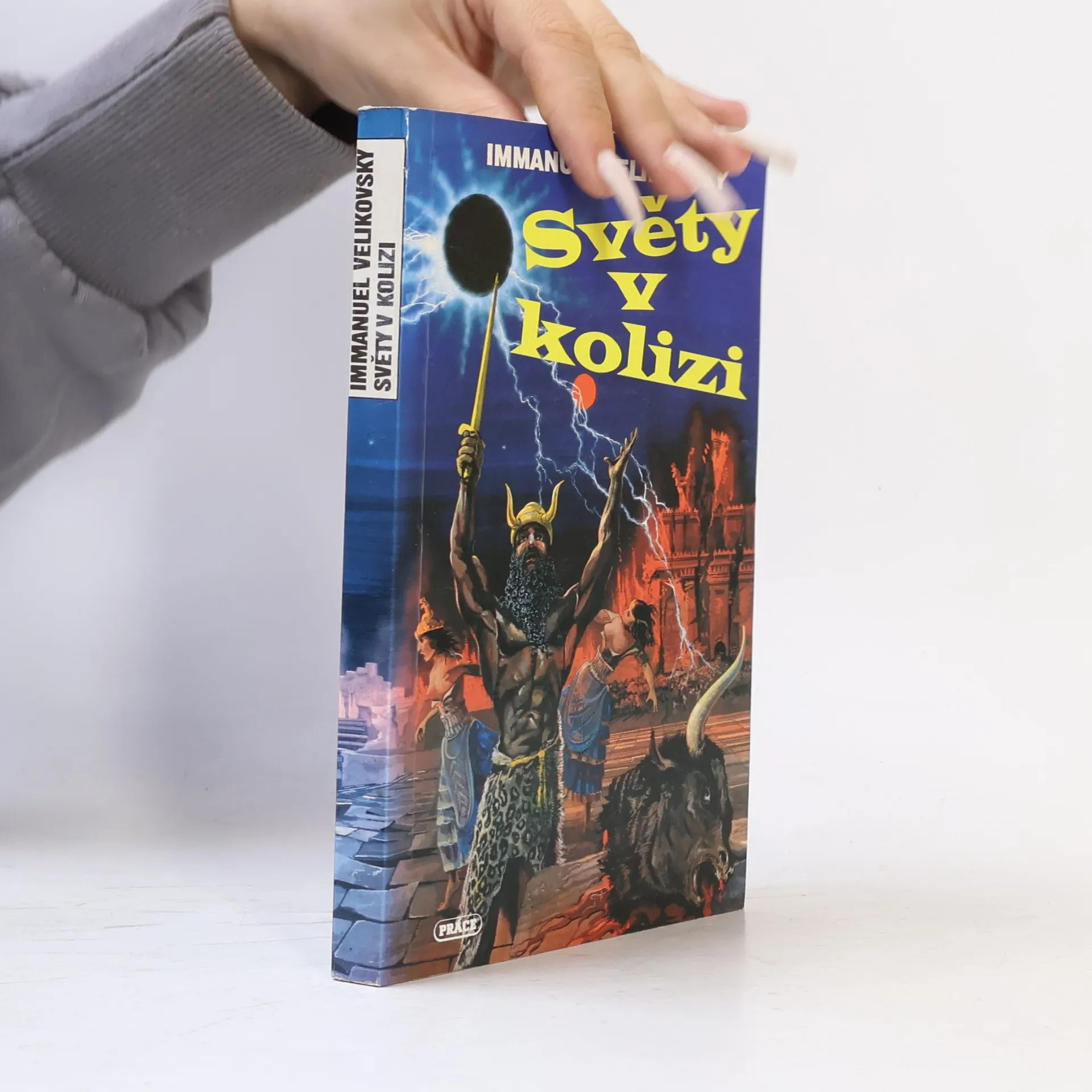
Jednou z nejstrašlivějších událostí v minulosti lidstva vzplanutí světa provázené děsivými jevy na obloze, praskáním země, chrlením lávy z tisíců sopek, roztavením půdy, vařícím mořem, zaplavením kontinentů, bombardováním letícími horkými kameny, řevem rozštípnuté země a hlasitým svištěním tornád letícího popela...