

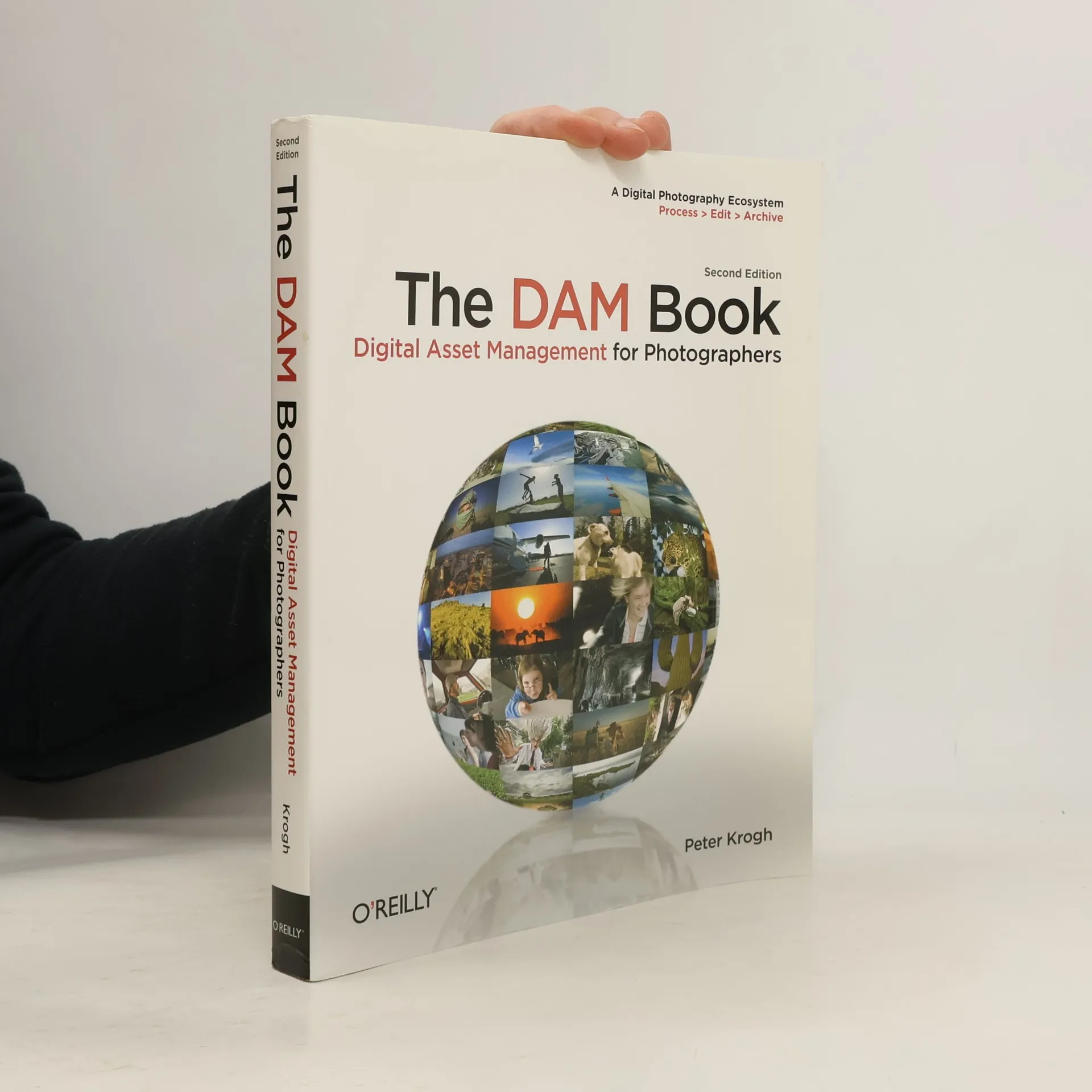
One of the main concerns for digital photographers today is asset management: how to file, find, protect, and re-use their photos. The best solutions can be found in The DAM Book , our bestselling guide to managing digital images efficiently and effectively. Anyone who shoots, scans, or stores digital photographs is practicing digital asset management (DAM), but few people do it in a way that makes sense. In this second edition, photographer Peter Krogh -- the leading expert on DAM -- provides new tools and techniques to help professionals, amateurs, and students: Understand the image file lifecycle: from shooting to editing, output, and permanent storage Learn new ways to use metadata and key words to track photo files Create a digital archive and name files clearly Determine a strategy for backing up and validating image data Learn a catalog workflow strategy, using Adobe Bridge, Camera Raw, Adobe Lightroom, Microsoft Expression Media, and Photoshop CS4 together Migrate images from one file format to another, from one storage medium to another, and from film to digital Learn how to copyright images To identify and protect your images in the marketplace, having a solid asset management system is essential. The DAM Book offers the best approach.
Peter Krogh Knihy

Digitale Fotografie führt schnell zu einer großen Anzahl an Bildern, wodurch herkömmliche Organisationsmethoden oft nicht mehr ausreichen. Das Buch behandelt effektive Verfahren zur Erfassung, Benennung, Gruppierung und Verwaltung digitaler Fotos, speziell für Fotografen. Peter Krogh bietet praxisorientierte Anleitungen zur Aufbereitung und Strukturierung des digitalen Bildbestands sowie zur Auswahl geeigneter Software und Hardware. Seine Hauptwerkzeuge sind Adobe Photoshop, Bridge und iView MediaPro zur Bildverwaltung, wobei die grundlegenden Prinzipien auch auf andere Programme anwendbar sind. Krogh teilt zahlreiche Hinweise und praktische Tipps aus seinen Erfahrungen, verweist auf nützliche Skripte und Zusatzwerkzeuge, und hält die Anzahl der Werkzeuge übersichtlich. Ein zentraler Aspekt ist der Umgang mit Metadaten, der ein effizientes Organisieren und Wiederfinden von Bildern ermöglicht. Zudem behandelt der Autor die Digitalisierung von analogen Beständen wie Negativen und Dias sowie die Migration digitaler Daten und Archive auf neue Medien und Technologien.