



Knihobot

Dominic Johnson

    1. leden 1966
    Afrika vor dem großen Sprung
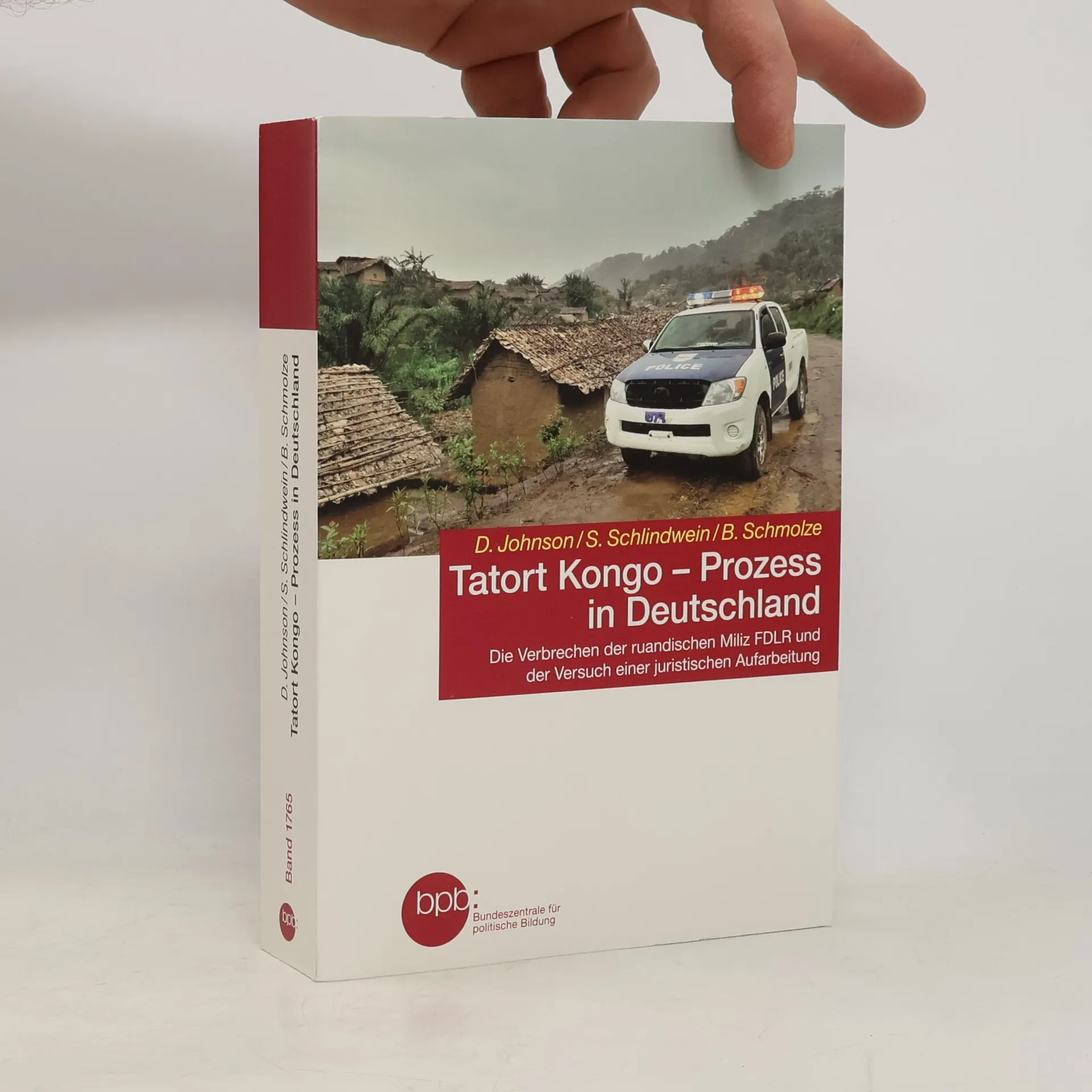
    Tatort Kongo - Prozess in Deutschland
    Wie ein Floss in der Nacht
    Kat Toronto - Miss Meatface
    Strategic Instincts
    • Strategic Instincts

      • 392 stránek
      • 14 hodin čtení
      3,8(12)Ohodnotit

      "At the heart of much work in international relations is the attempt to understand why citizens and leaders act as they do-and over the last decade, a growing body of research has shown that the "rational choice theory" that has long guided this understanding is insufficient. People do not always behave rationally; instead, most of us have psychological biases that cause us to behave "irrationally." As political science has integrated this new behavioral research, the literature has tended to view such biases as source of errors or mistakes. Yet for other fields-most notably evolutionary biology-the same psychological biases are recognized as adaptive heuristics that evolved to improve our decision-making, not to undermine it. In this book, Johnson uses his cross-disciplinary training to push this evolutionary understanding of biases into the study of politics. Specifically, he asks: when and how can psychological biases cause or promote success in the realm of international relations? Johnson focuses on three of the most prominent psychological biases-overconfidence, the fundamental attribution error (the tendency to see others' actions as motivated by personality rather than the influence of external/situational factors) and in-group/out-group bias (favoring members of group one identifies with over those one does not). He outlines the scientific research on each bias, explores its adaptive advantages, and then gives detailed historical examples where the bias seems to have caused strategic advantages, focusing on the American Revolution (overconfidence), the UK and the appeasement of Hitler (fundamental attribution error) and the Pacific campaign in WW2 (group bias). He then circles back to acknowledge the "dark side" of biases when taken to the extreme, considering how confidence becomes hubris, the attribution error becomes paranoia and group bias becomes racism. Ultimately, Johnson argues that this evolutionary perspective is the crucial next step in bringing psychological insights to bear on the foundational questions in the field"-- Provided by publisher

      Strategic Instincts
    • Kat Toronto - Miss Meatface

      • 272 stránek
      • 10 hodin čtení

      Exploring themes of trauma, gender identity, and empowerment, this monograph showcases the work of Kat Toronto, a prominent feminist photographer. Through her alter ego 'Miss Meatface,' Toronto captures 250 Polaroid images that challenge traditional notions of femininity and sexuality. After a life-altering cancer diagnosis, she uses self-portraiture and fetish aesthetics to navigate her relationship with her body and societal norms. The photographs depict a subversive take on domesticity, emphasizing control and power dynamics within her art.

      Kat Toronto - Miss Meatface
    • In anschaulich und lebendig geschriebenen Reportagen und kenntnisreichen Analysen diskutieren die Autoren, sachkundige Afrika-Journalisten, die Chancen und Risiken für Afrika an der Schwelle zum Jahr 2000. (Quelle: Katalog SBE).

      Wie ein Floss in der Nacht
    • Mit dem arabischen Frühling und dem Umbruch in vielen Ländern wurde Dominic Johnsons These für viele überraschend bestätigt: Veränderung von unten ist jederzeit möglich und Afrika ist mitten in vielschichtigen Umwälzungen. Seit vielen Jahren beobachtet Dominic Johnson die politische, wirtschaftliche und gesellschaftliche Situation in den verschiedenen Ländern des afrikanischen Kontinents. Im Gegensatz zu gängigen Bewertungen hatte er mit seinem Buch schon kurz vor dem arabischen Frühling revolutionäre Umwälzungen prognostiziert. Vor allem im Kontrast zum verbreiteten Blick auf Afrika: mit verhaltenem Optimismus. Das viel gelobte und breit diskutierte Buch erscheint nun in einer aktualisierten und erweiterten Neuausgabe, die auch die letzten zwei entscheidenden Jahre in den Fokus nimmt. In Tunesien, Ägypten, Südafrika, Libyen, Mali, in Kenia oder dem Kongo verändert sich das Gesicht des Kontinents, nicht zuletzt in den internationalen Beziehungen. Wie über Interventionen in Afrika heute wieder diskutiert wird, wäre bis vor kurzem undenkbar gewesen. Neue Konstellationen, neue Instabilitäten, neue Probleme, aber auch neue Chancen, und das alles in hoher Geschwindigkeit.

      Afrika vor dem großen Sprung