

Ammianus Marcellinus Knihy
Ammianus Marcellinus je předním historikem pozdní římské říše, jehož dochované dílo představuje nejdůležitější dochované vyprávění o 4. století našeho letopočtu. Jeho psaní, založené na osobní vojenské zkušenosti napříč říší, osvětluje klíčové události a portréty císařů, ale také poutavě popisuje pozdně římskou společnost. Autorův styl a hloubka vhledu činí z jeho práce neocenitelný zdroj pro pochopení tohoto období.


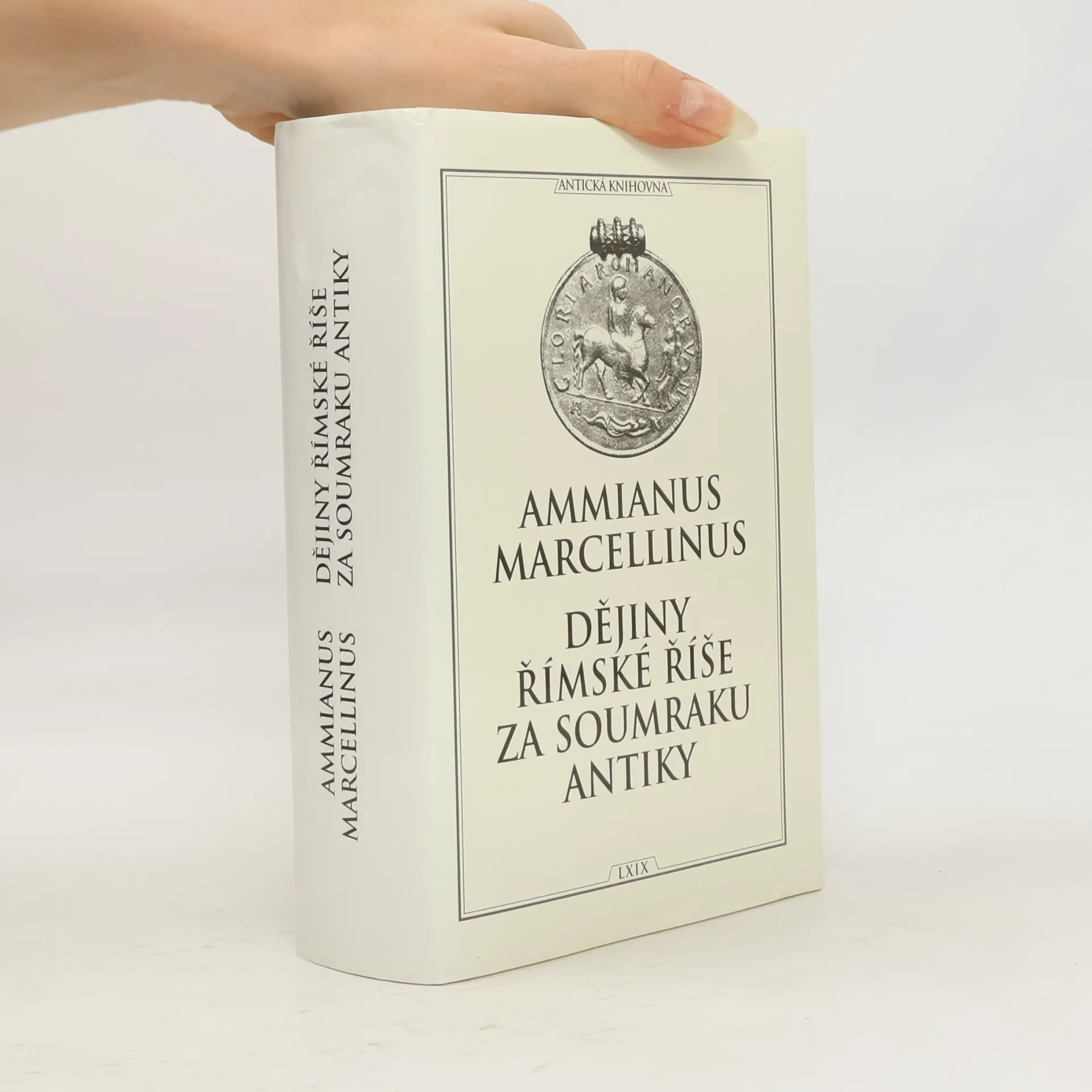
Dějiny římské říše za soumraku antiky
- 849 stránek
- 30 hodin čtení
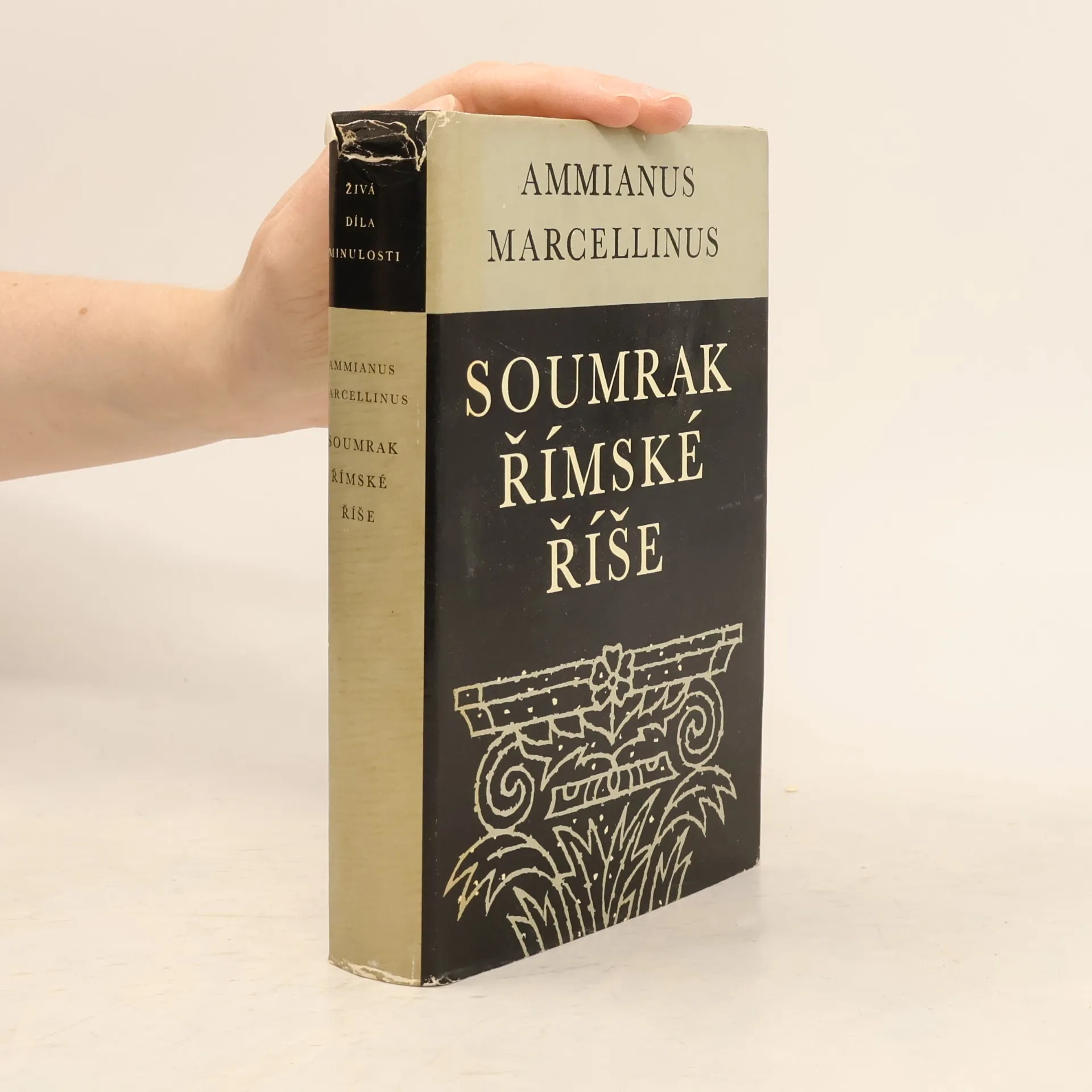
Historické dílo Ammiana Marcellina je základním pramenem k dějinám pozdní římské říše a autor je pokládán za nejlepšího římského historika po Tacitovi. Jeho líčení začíná tam, kde skončilo dílo Tacitovo, ovšem prvních třináct knih se nedochovalo. Zachovala se nicméně významnější část, knihy 14 – 31, popisující události, jichž byl autor současníkem a často účastníkem: jeho vyprávění začíná rokem 354 a končí rokem 378. Koncepcí díla navázal Marcellinus na svůj vzor tacia a na metody klasické historiografie: čerpal ze spolehlivých autorů, vyhledával očité svědky, pracoval s archivními dokumenty a především vycházel z vlastních zkušeností a poznatků. Ammianovy Dějiny jsou nesmírně důležitým pramenem k poznání politické a vojenské historie 2. pol. 4. století.
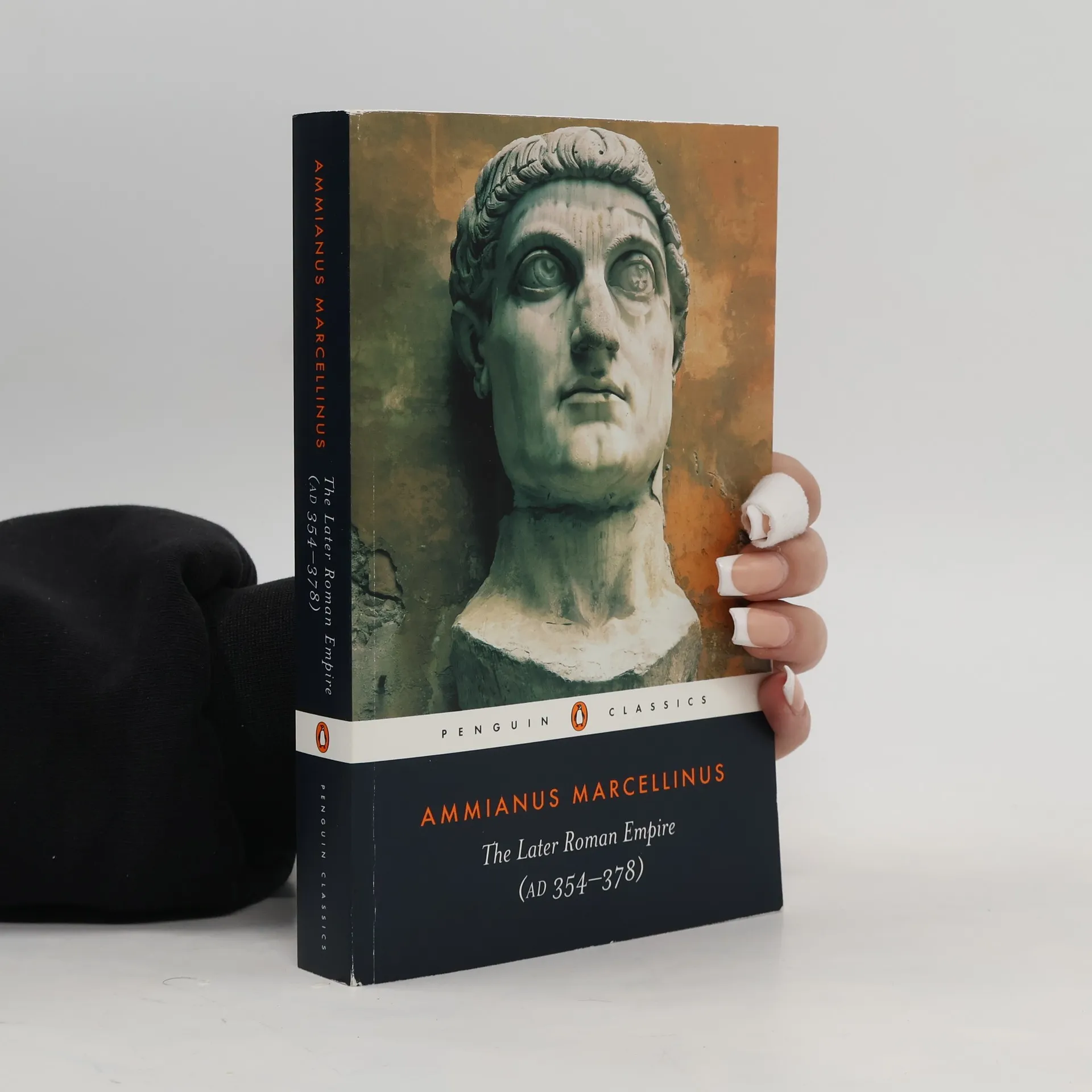
A Roman historian chronicles Rome on the brink of collapse Ammianus Marcellinus was the last great Roman historian, and his writings rank alongside those of Livy and Tacitus. The Later Roman Empire chronicles a period of twenty-five years during Marcellinus' own lifetime, covering the reigns of Constantius, Julian, Jovian, Valentinian I, and Valens, and providing eyewitness accounts of significant military events including the Battle of Strasbourg and the Goth's Revolt. Portraying a time of rapid and dramatic change, Marcellinus describes an Empire exhausted by excessive taxation, corruption, the financial ruin of the middle classes and the progressive decline in the morale of the army. In this magisterial depiction of the closing decades of the Roman Empire, we can see the seeds of events that were to lead to the fall of the city, just twenty years after Marcellinus' death. For more than seventy years, Penguin has been the leading publisher of classic literature in the English-speaking world. With more than 1,700 titles, Penguin Classics represents a global bookshelf of the best works throughout history and across genres and disciplines. Readers trust the series to provide authoritative texts enhanced by introductions and notes by distinguished scholars and contemporary authors, as well as up-to-date translations by award-winning translators.
Dzieje rzymskie II
- 527 stránek
- 19 hodin čtení
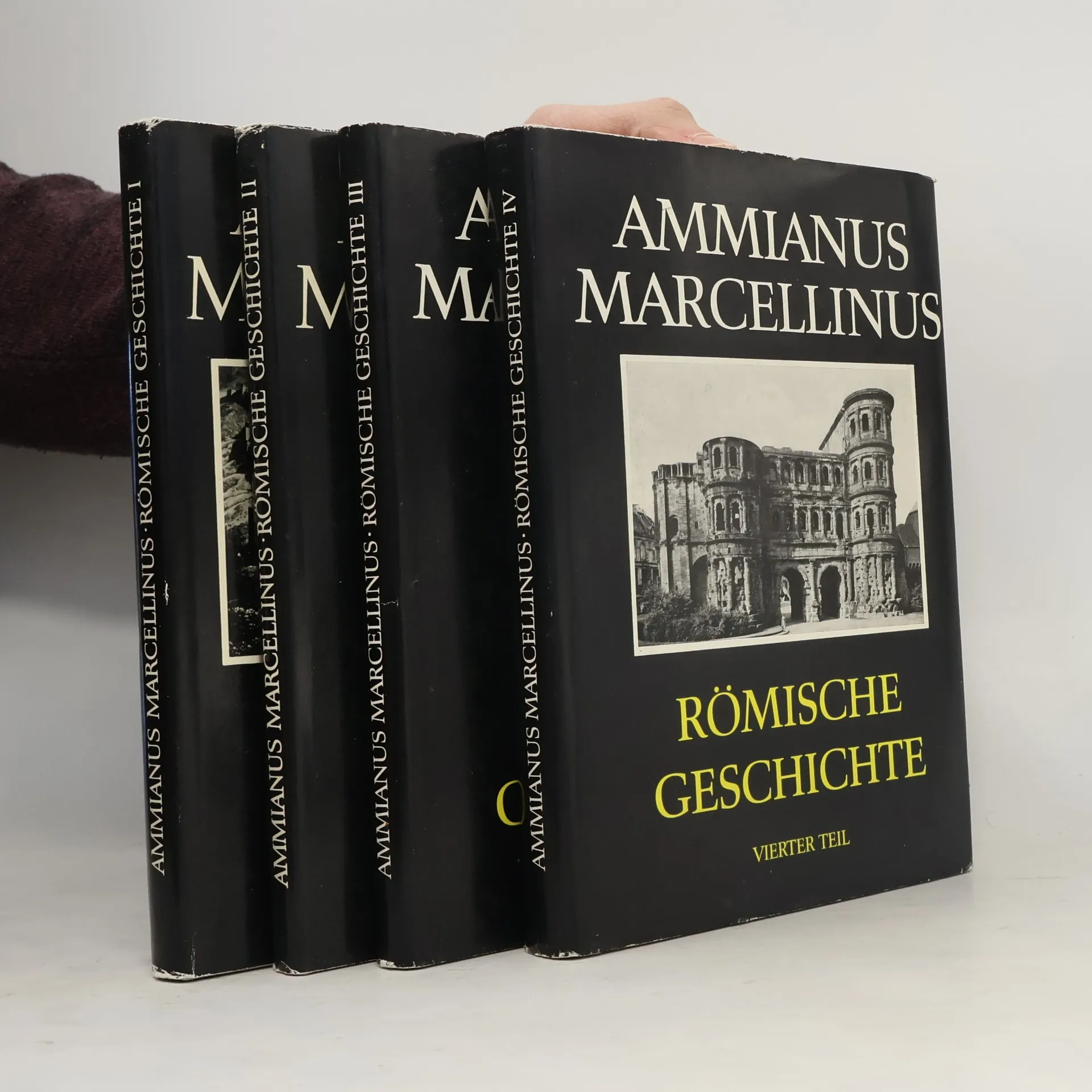
Römische Geschichte 1-4
- 4 svazky