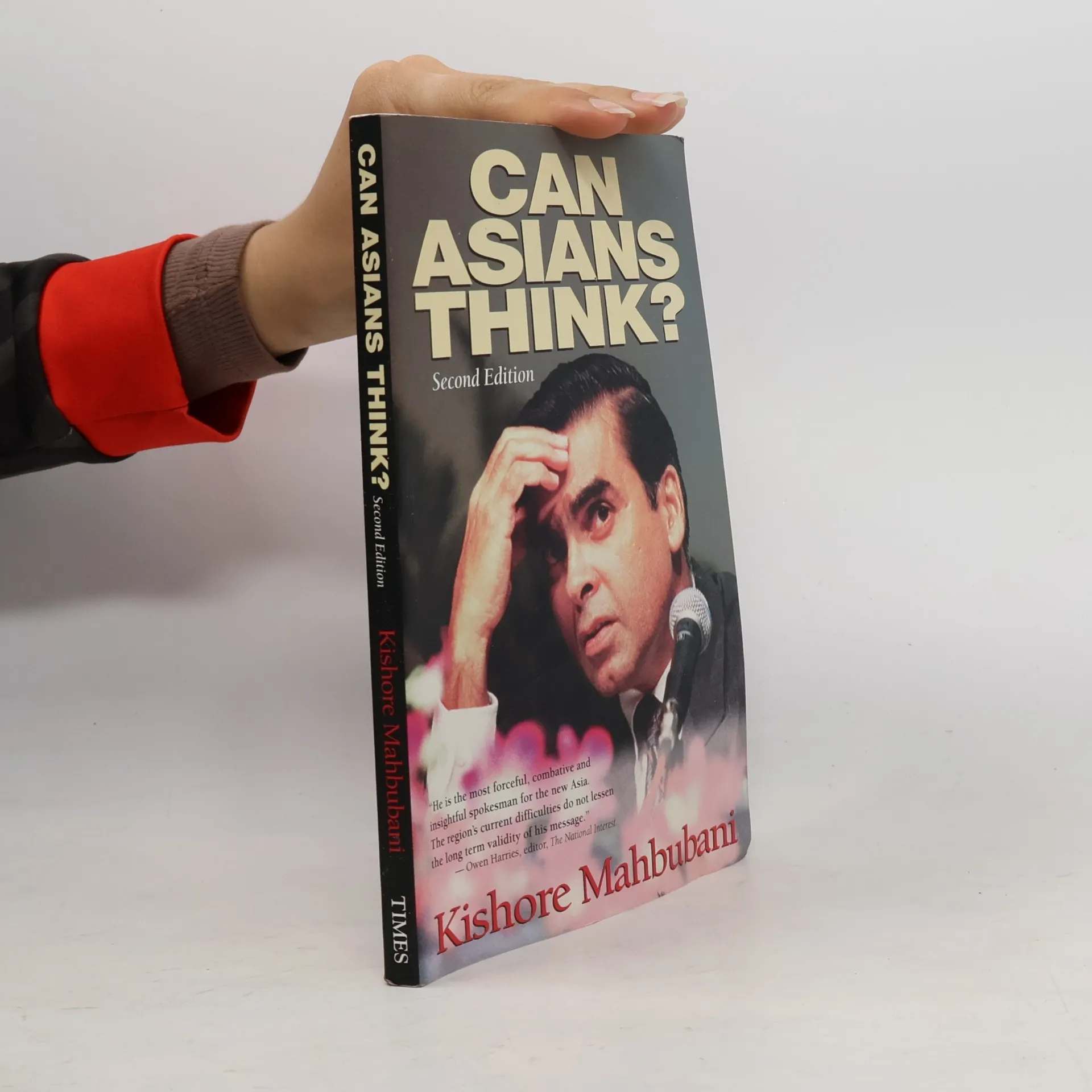
Contrary to the prevailing view in the West that the 500-year dominance of Western civilization points to it being the only universal civilization, Can Asians Think? argues that other civilizations may yet make equal contributions to the development and growth of mankind. Mahbubani continues to illuminate his central arguments with new essays.
Kishore Mahbubani Knihy
24. říjen 1948
Kishore Mahbubani je akademik a bývalý diplomat, který se zabývá otázkami veřejné politiky a mezinárodních vztahů. Jeho práce se soustředí na analýzu globálních trendů a dynamiky asijsko-pacifického regionu. Prostřednictvím svých spisů nabízí pronikavý pohled na výzvy a příležitosti v současném světě. Jeho analýzy jsou cenné pro pochopení složitosti mezinárodní diplomacie a role Asie v ní.


The Asian 21st Century
- 280 stránek
- 10 hodin čtení
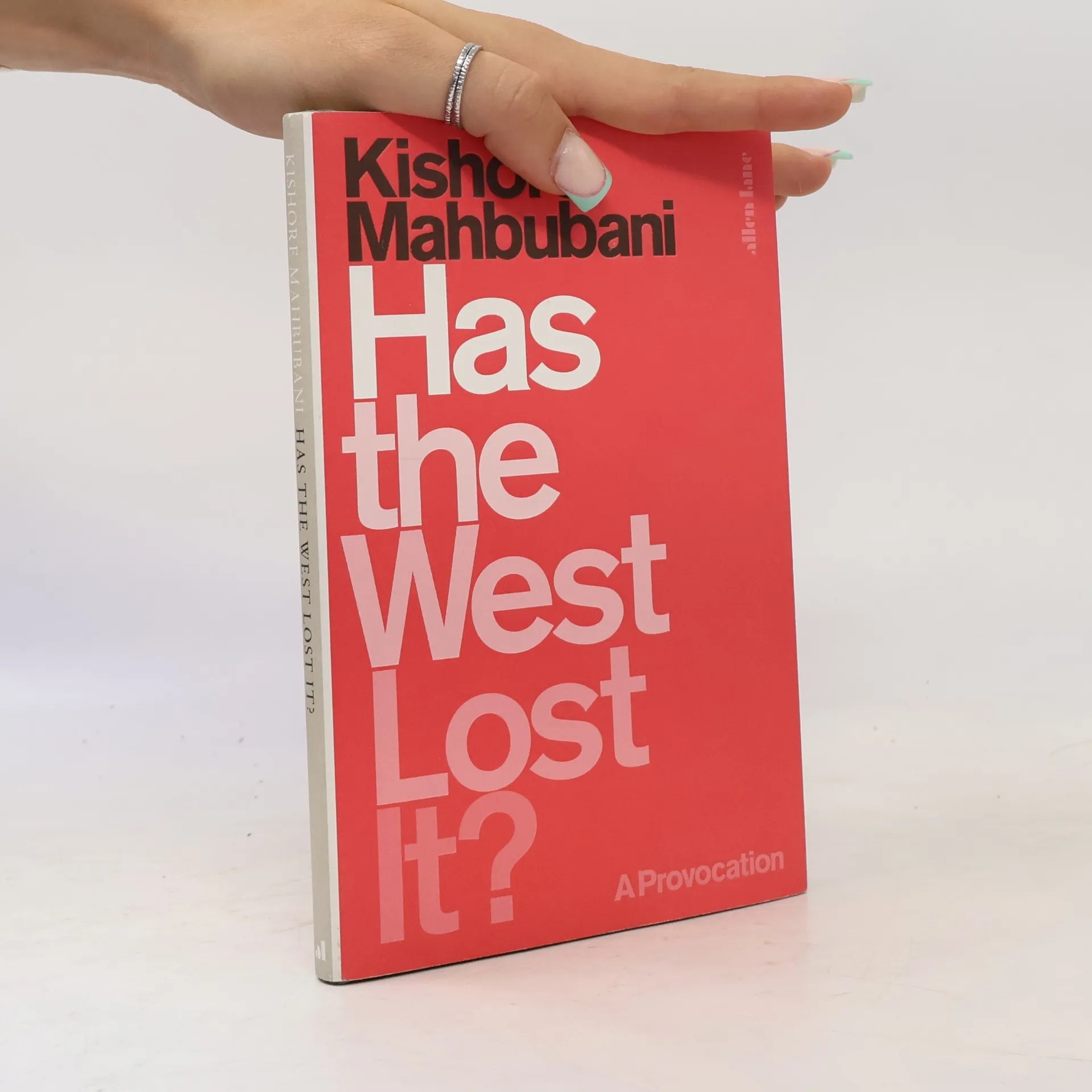
Kishore Mahbubani's essays delve into the complexities of Western and Asian relations amid growing global interdependence and heightened geopolitical rivalry. The book examines the unique challenges and dilemmas each region faces, offering insights into their interactions and the broader implications for international dynamics. Through thoughtful analysis, Mahbubani encourages readers to consider the future of global cooperation and competition in a rapidly changing world.
Has China Won?
- 312 stránek
- 11 hodin čtení
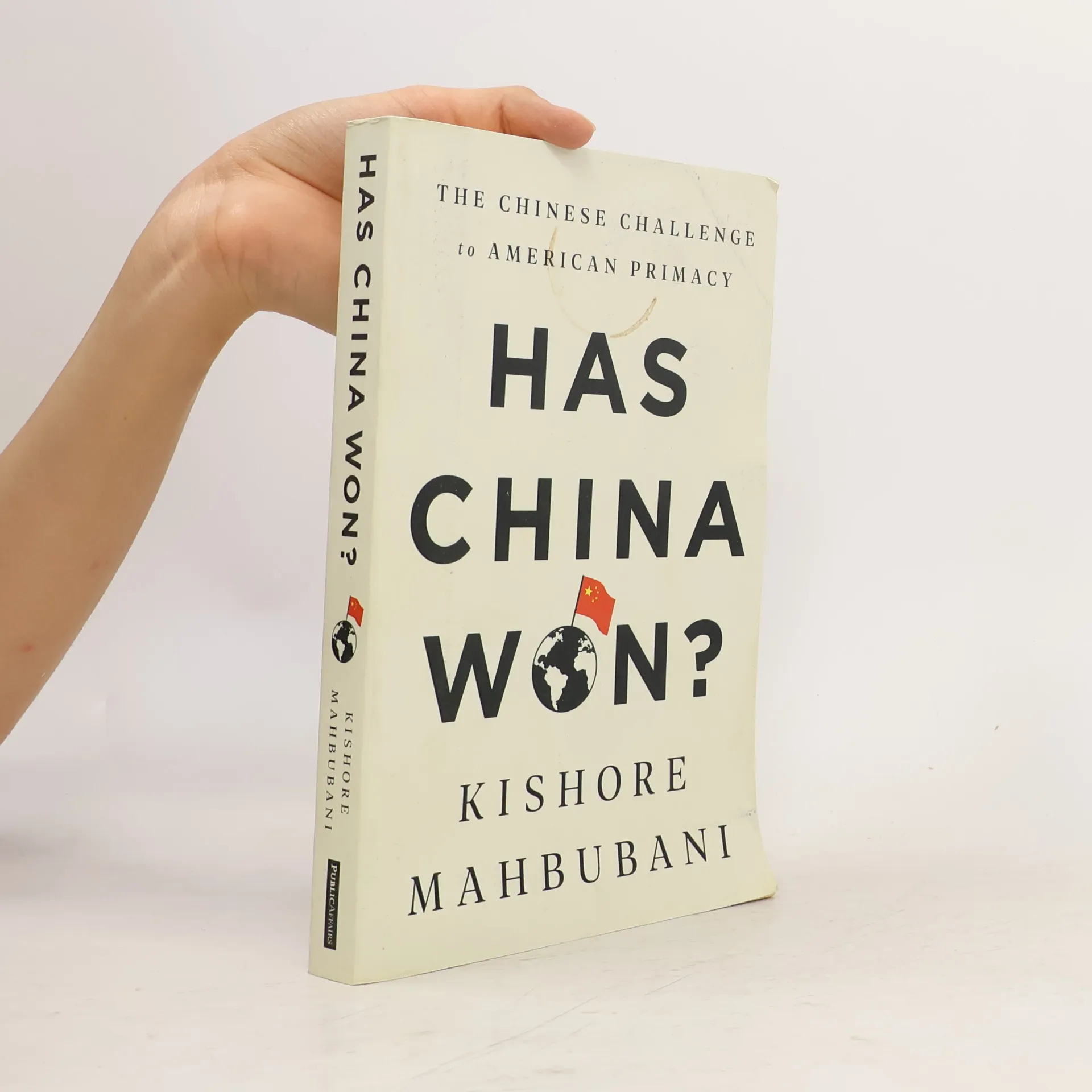
A leading global public intellectual explains how, while America became arrogant and distracted, a three-thousand-year-old civilization is well on the way to becoming the number one power in the world.
The new Asian hemisphere
- 314 stránek
- 11 hodin čtení
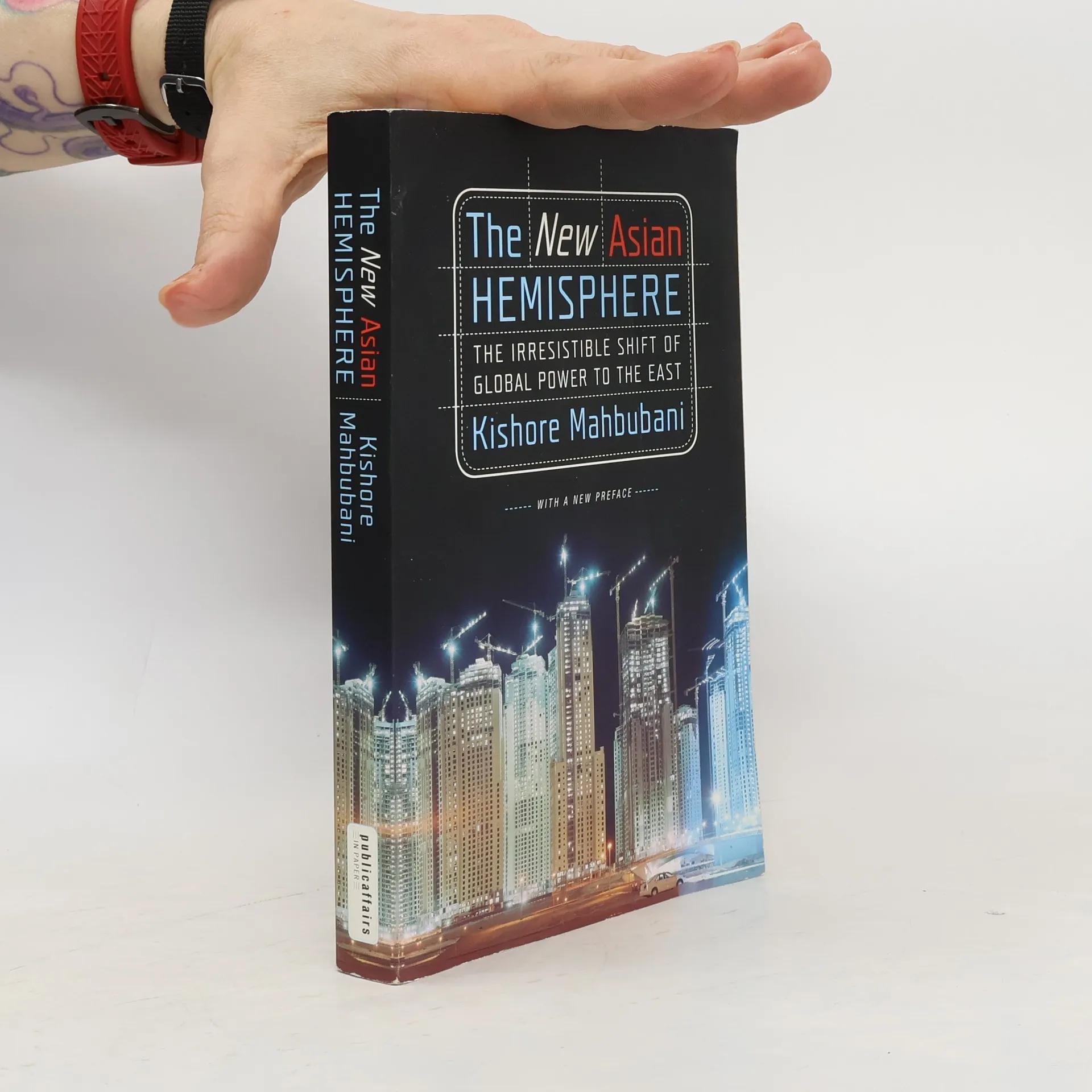
For centuries, the Asians (Chinese, Indians, Muslims, and others) have been bystanders in world history. Now they are ready to become co-drivers. Asians have finally understood, absorbed, and implemented Western best practices in many from free-market economics to modern science and technology, from meritocracy to rule of law. They have also become innovative in their own way, creating new patterns of cooperation not seen in the West. Will the West resist the rise of Asia? The good news is that Asia wants to replicate, not dominate, the West. For a happy outcome to emerge, the West must gracefully give up its domination of global institutions, from the IMF to the World Bank, from the G7 to the UN Security Council. History teaches that tensions and conflicts are more likely when new powers emerge. This, too, may happen. But they can be avoided if the world accepts the key principles for a new global partnership spelled out in The New Asian Hemisphere.
The ASEAN Miracle
- 264 stránek
- 10 hodin čtení
The Association of Southeast Asian Nations is a miracle. Why? In an era of growing cultural pessimism, many thoughtful individuals believe that different civilisations cannot live together in peace. The ten countries of ASEAN provide a thriving counter-example of civilizational co-existence. Here 625m people live together in peace. This miracle was delivered by ASEAN.
Kishore Mahbubani might well be the most intelligent, friendly and doggedly persistent critic of the West. In this brief book, he delivers some of his trademark analysis and pungent observations. We should all think of it as the cold shower that is urgently needed to revive the West Fareed Zakaria, author of 'The Post-American World'
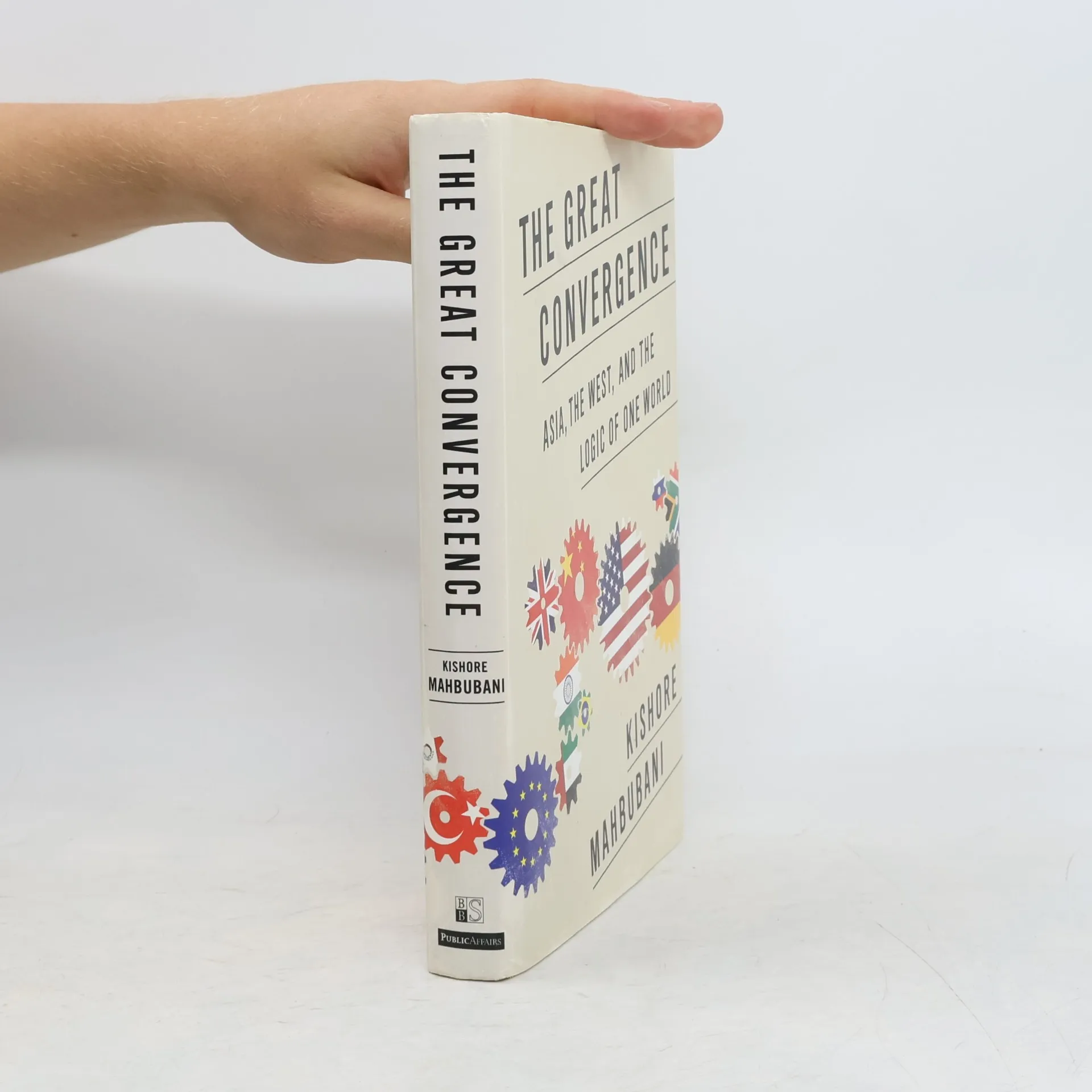
An influential policy thinker and "muse of the Asian Century" ("Foreign Policy") illuminates the contours of our new global civilization, and shows why power must shift to reflect the new reality.
Der Aufstieg Asiens ist das beherrschende Thema der Zeit. Mit China und Indien schließen die beiden bevölkerungsreichsten Länder der Erde wirtschaftlich zur Weltspitze auf. Ihr politisches Gewicht erhöht sich entsprechend. Das 21. Jahrhundert wird ein asiatisches sein, darüber sind sich alle politischen Beobachter einig. Weitgehend unbestritten ist auch, dass damit einhergehend die zweihundertjährige Dominanz des Westens beendet, zumindest relativiert wird – nicht nur ökonomisch, auch politisch. Das Buch des singapurischen Politikwissenschaftlers Kishore Mahbubani ist eine der ersten maßgeblichen Stimmen aus Asien, die sich mit dieser dramatischen Machtverschiebung befassen. Im Gegensatz zu den oft alarmistischen Wortmeldungen westlicher Provenienz strahlt es das neue Selbstbewusstsein aus, mit dem die asiatischen Eliten den Gang der Ereignisse begleiten. Mahbubani zeigt, wie die Übernahme westlicher Modelle – Öffnung der Märkte, Leistungsgesellschaft – Asien nach vorn gebracht hat, erst Japan, dann die Tigerstaaten, schließlich China und Indien. Zugleich kritisiert er die westliche Doppelmoral bei der Forderung nach Demokratie und Menschenrechten oder bei der Durchsetzung wirtschaftlicher Interessen. Dieser Blick aus der Perspektive Asiens ist der Blick des 21. Jahrhundert. Er wird die Diskussion über die Rolle des Westens in der künftigen Welt beleben.