

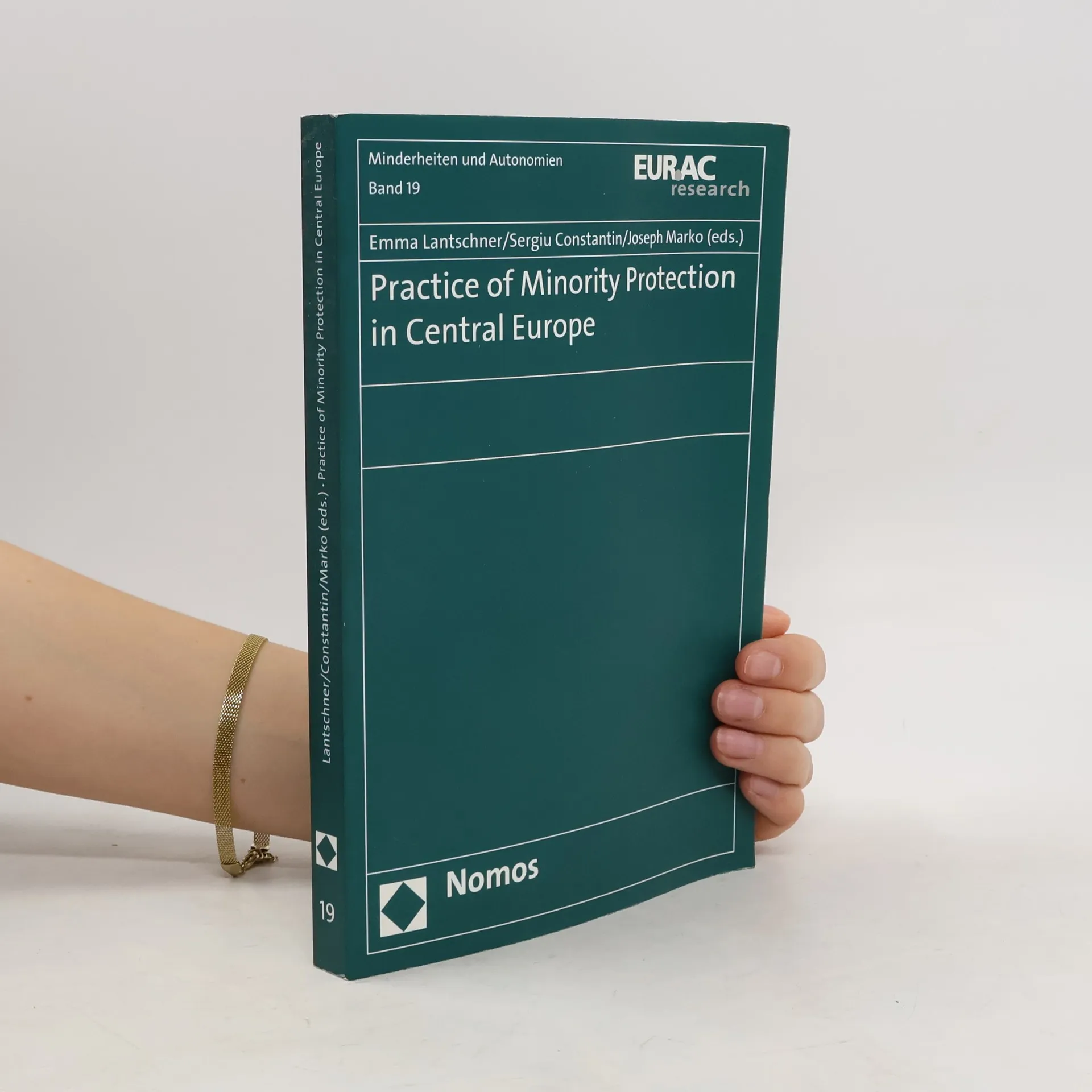
Academic research on the protection of national minorities often focuses on the legal frameworks of individual countries. However, the real challenge lies in the implementation of these laws by administrative authorities and courts. Drawing on two years of legal and empirical research, this work examines the discrepancies between the written law and its practical application regarding minority protection in six Central and Southeast European countries: Austria, Hungary, Italy, Romania, the Slovak Republic, and Slovenia. The first part offers a comparative analysis of the legal landscape across six critical areas essential for effective minority protection: culture, language use, media, education, economic participation, and political participation. The second part presents empirical findings from extensive field research in these countries, highlighting the interconnectedness of these areas. The analyses demonstrate that a comprehensive policy for minority protection must consider these interdependencies. Additionally, the book provides a set of recommendations valuable for practitioners in international organizations, NGOs, national authorities, and representatives of national minorities, enhancing their efforts in promoting effective minority rights and protections.
Emma Lantschner Knihy

Der Sammelband bietet eine aktuelle vergleichende Analyse der Minderheitenstandards sowohl auf der Ebene der südosteuropäischen Staaten als auch auf europäischer Ebene. Im Mittelpunkt der Untersuchung steht die Frage, wie der Minderheitenschutz zu politischer und regionaler Stabilität sowie zum Aufbau demokratischer Institutionen in den Ländern des Westbalkans beiträgt. Ferner wird analysiert, inwiefern die Aussicht auf europäische Integration und EU-Konditionalität bezüglich des Minderheitenschutzes zur Regimestabilität und demokratischen Konsolidierung der Staaten in Südosteuropa beiträgt. Hieraus wiederum können europäische Standards des Minderheitenschutzes identifiziert werden. Des Weiteren wird in diesem Werk untersucht, ob der Minderheitenschutz als ein strukturelles Prinzip oder als Konditionalitätsvoraussetzung für den Beitritt zur EU im Monitoringprozess einheitlich angewendet wird.