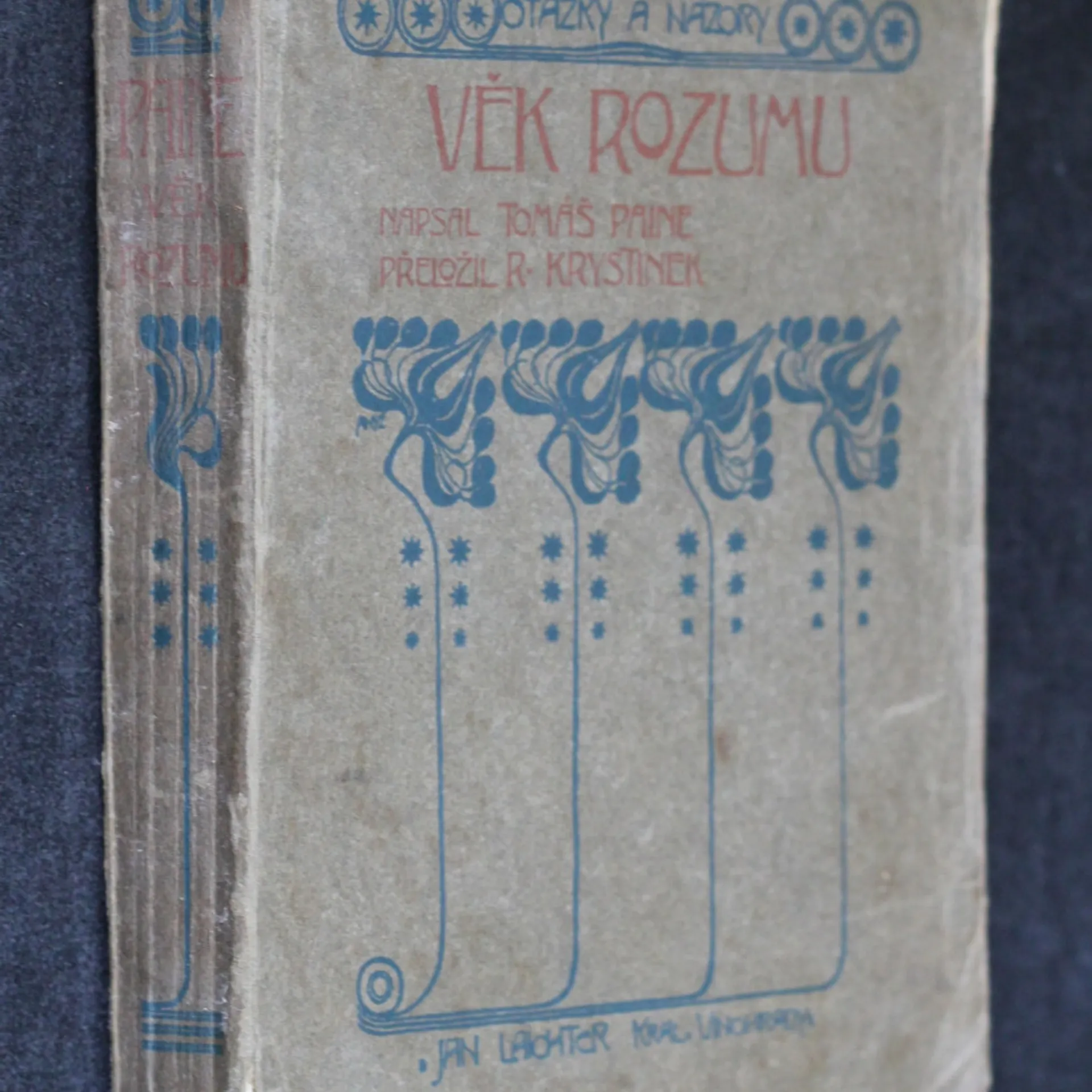
Thomas Paine byl anglo-americký politický aktivista a myslitel, jehož spisy podnítily revoluční hnutí. Jako autor dvou vysoce vlivných pamfletů na počátku americké revoluce inspiroval v roce 1776 kolonie k deklaraci nezávislosti na Velké Británii. Jeho myšlenky, zakořeněné v rétorice osvícenství, zdůrazňovaly nadnárodní lidská práva. Paine je často popisován jako novinář a propagandista, jehož pero formovalo dějiny.
The pamphlet series, written by Thomas Paine during the American Revolution, consists of thirteen numbered issues published between 1776 and 1777, followed by three more from 1777 to 1783. The first pamphlet appeared in The Pennsylvania Journal in December 1776, where Paine used the pseudonym "Common Sense." The series addresses the struggles and motivations of the time, aiming to inspire support for the revolutionary cause and articulate the philosophical underpinnings of American independence.
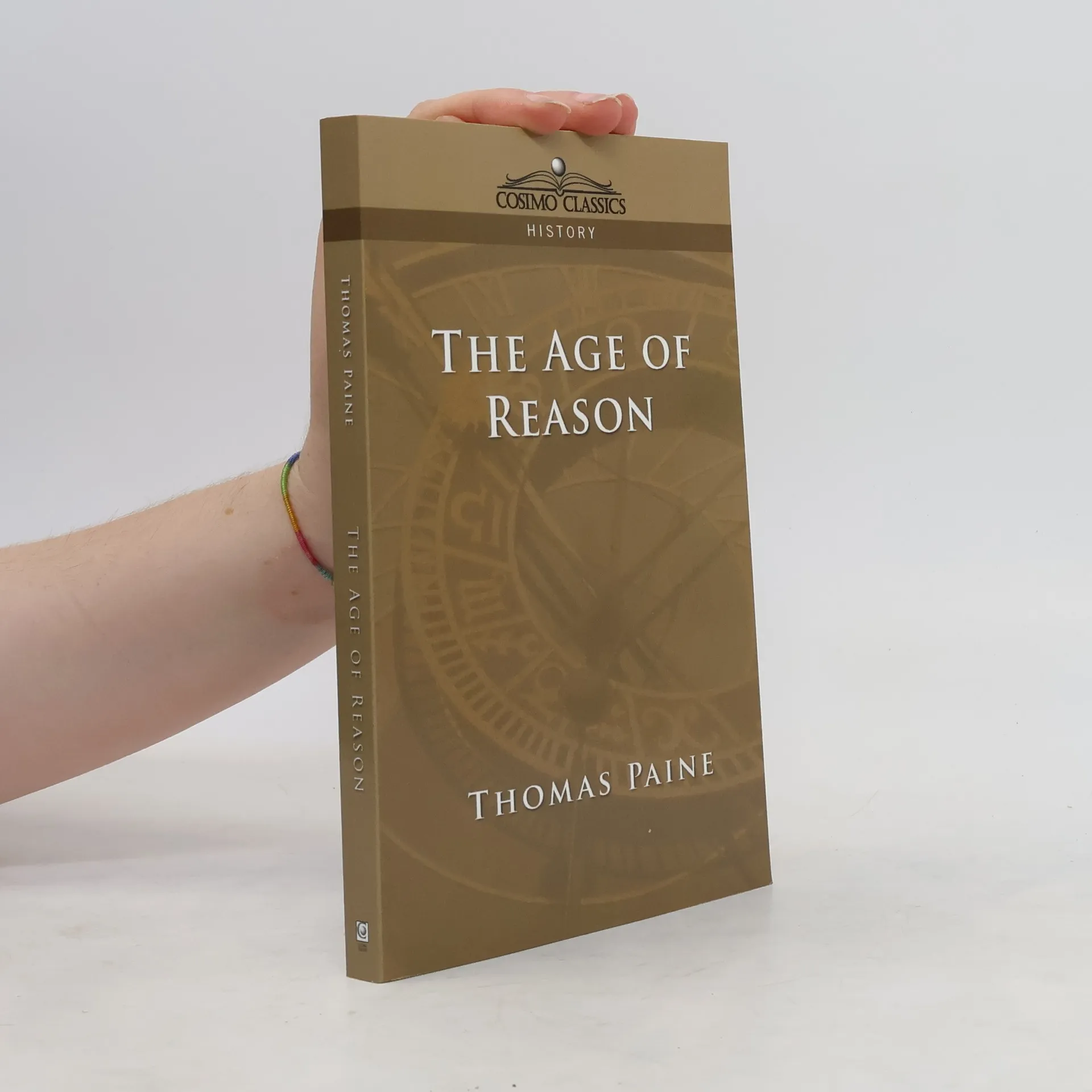
Focusing on deism, Thomas Paine's work critiques institutionalized religion and questions the legitimacy of the Bible. Published in three parts between 1794 and 1807, it reflects the 18th-century British deist tradition, promoting reason and individual thought over dogma. Paine's investigation emphasizes the importance of philosophical inquiry in understanding theology, making a significant contribution to Enlightenment thought and religious discourse.
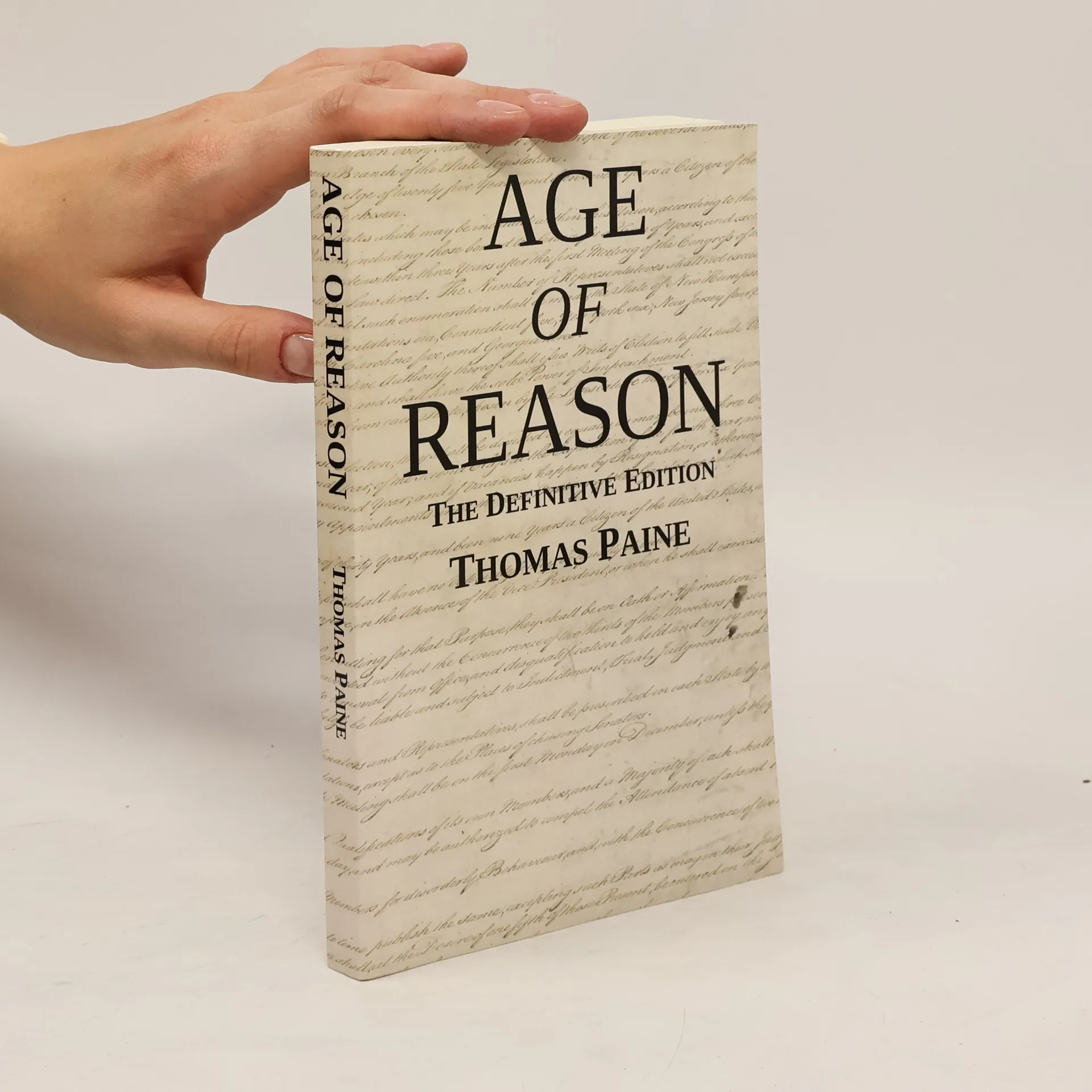
"Age of Reason, The Definitive Edition, includes Paine's original two volumes of Age of Reason, plus his third volume which remained unreleased until 1807. President Thomas Jefferson convinced Paine not to publish his third volume in 1802, as Paine originally intended, out of fearof the backlash it may cause. Now, thanks to this edition of Paine's Age of Reason, the modern reader can enjoy Paine's three-volume original work in one distinguished manuscript."
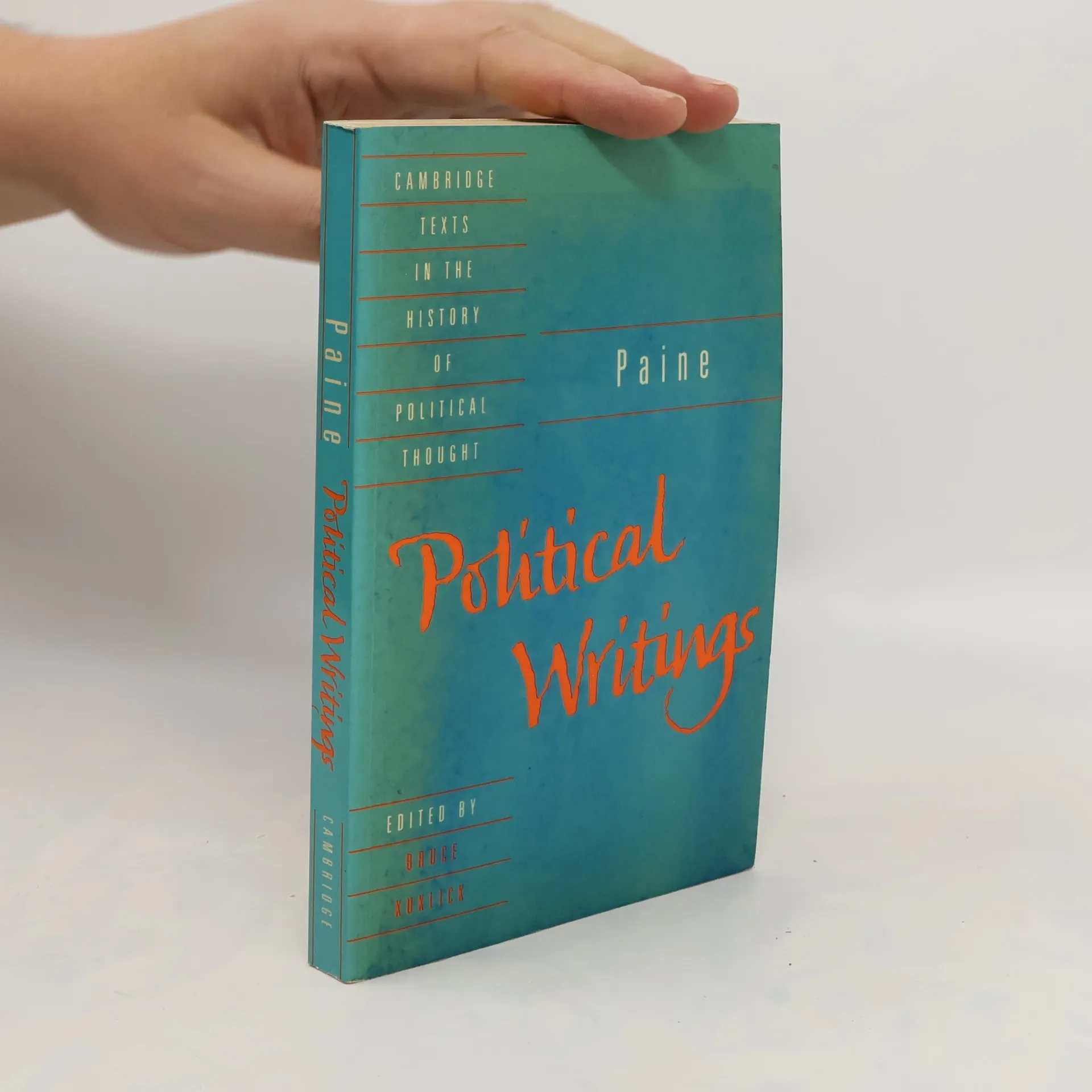
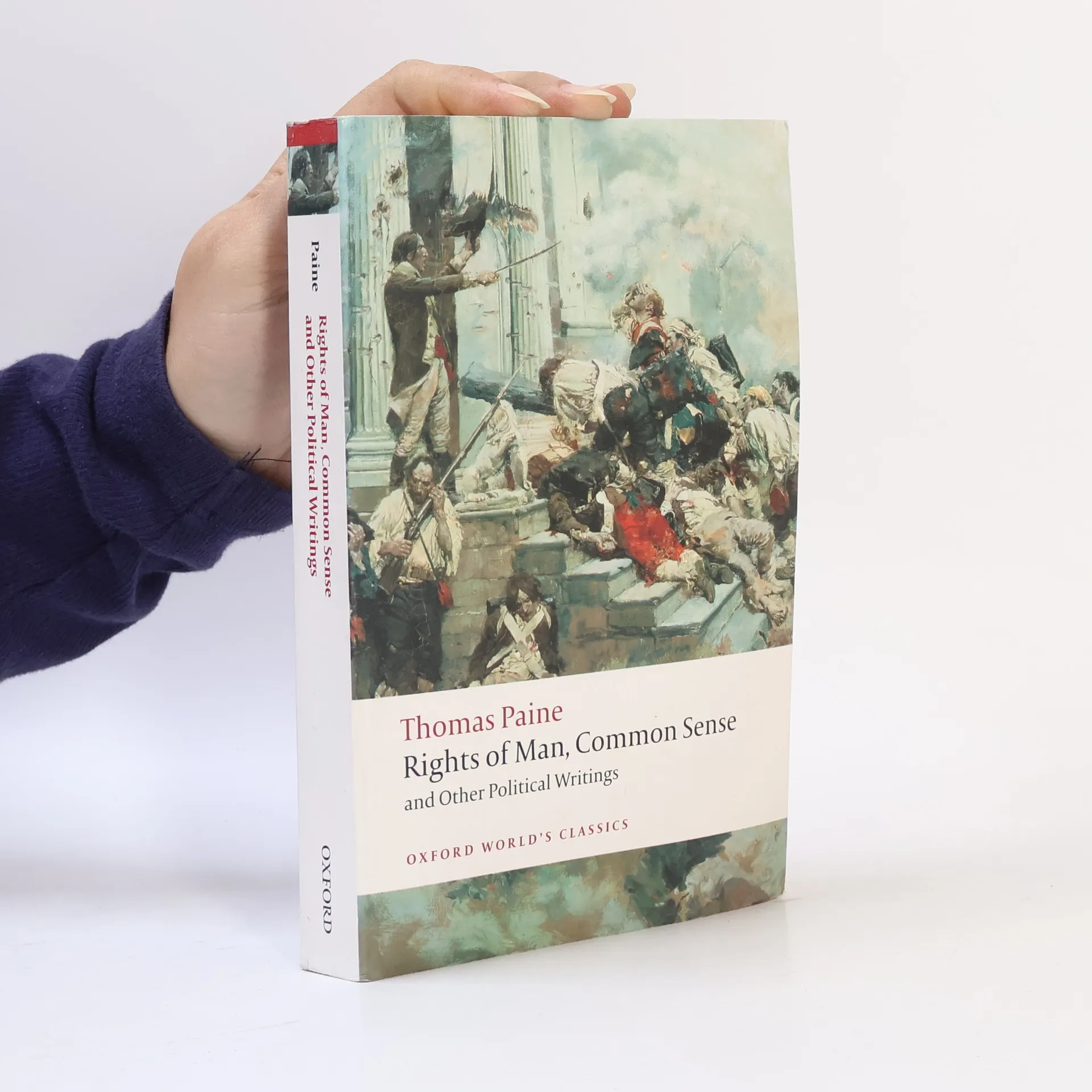
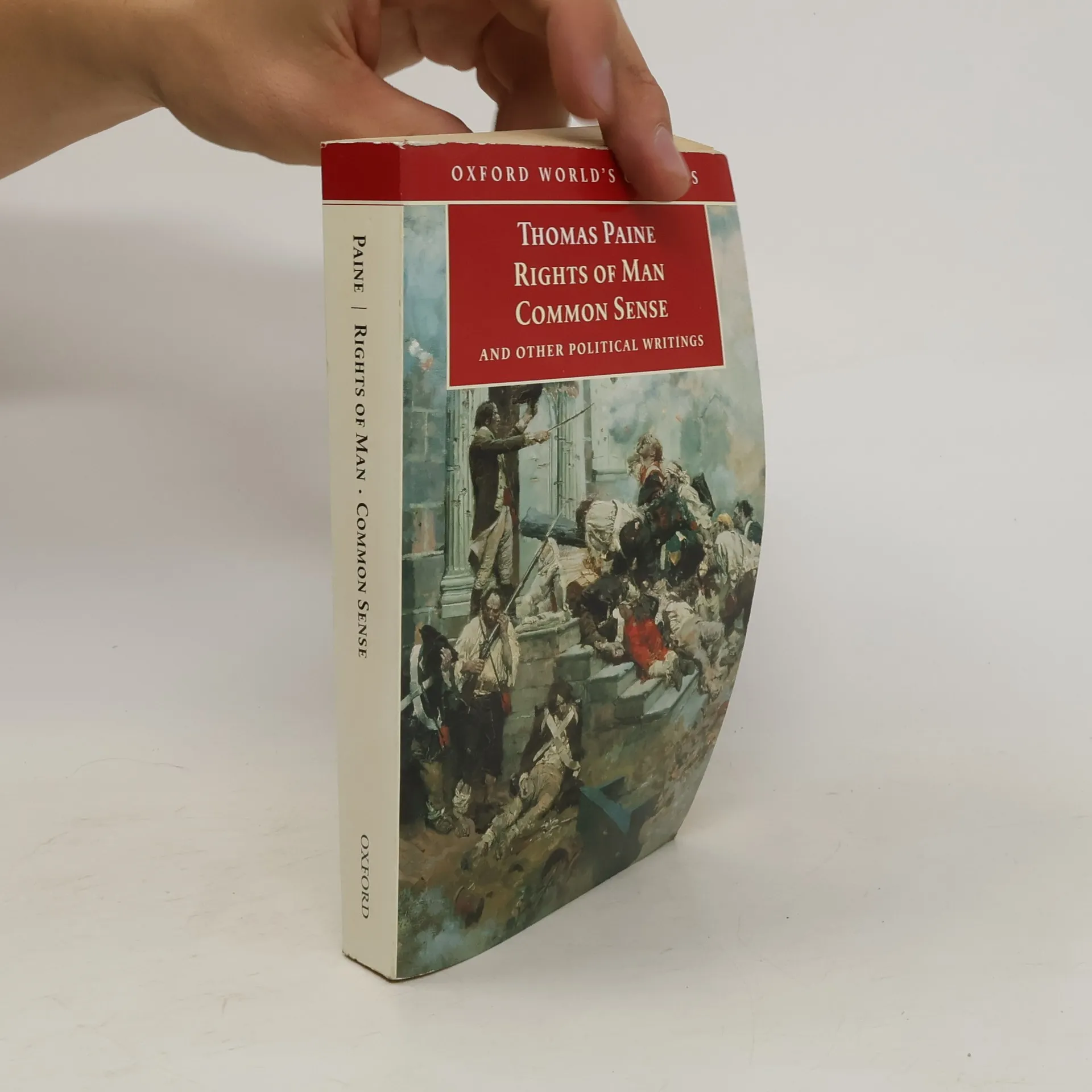
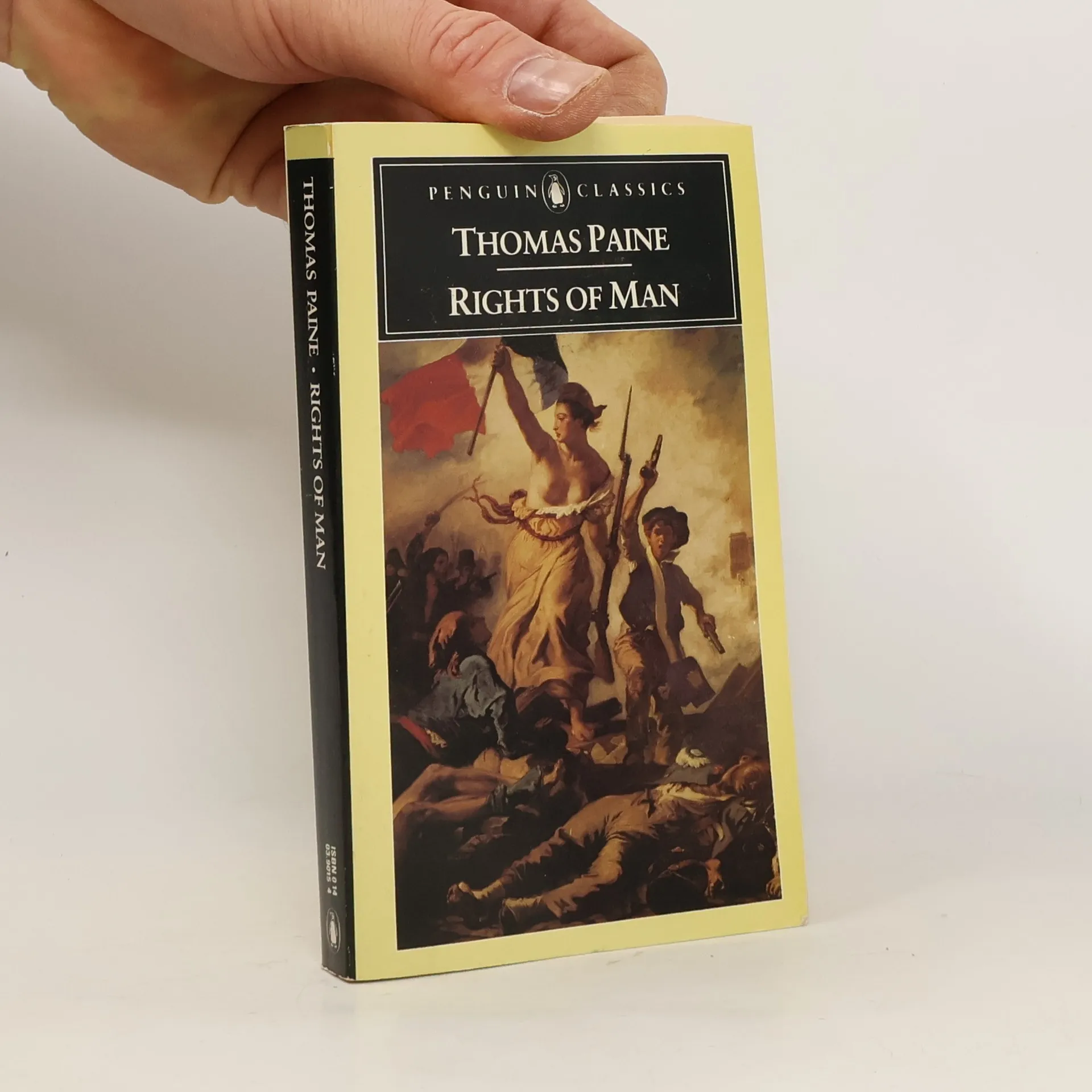
Thomas Paine was the first international revolutionary. His Common Sense was
the most widely read pamphlet of the American Revolution, while his Rights of
Man sent out a clarion call for revolution throughout the world. This
collection brings together Paine's most powerful political writings in the
first fully annotated edition of these works.
Práva člověka jsou od té doby, co vyšla, obdivována, kritizována, ostouzena a potlačována, ale polemik a komentátor Christopher Hitchens v této knize obdivuje prozíravost onoho díla a baví se jeho svárlivostí. Především pak Hitchens ukazuje, jak kniha Thomase Paina utváří filozofický základní kámen první demokratické republiky.
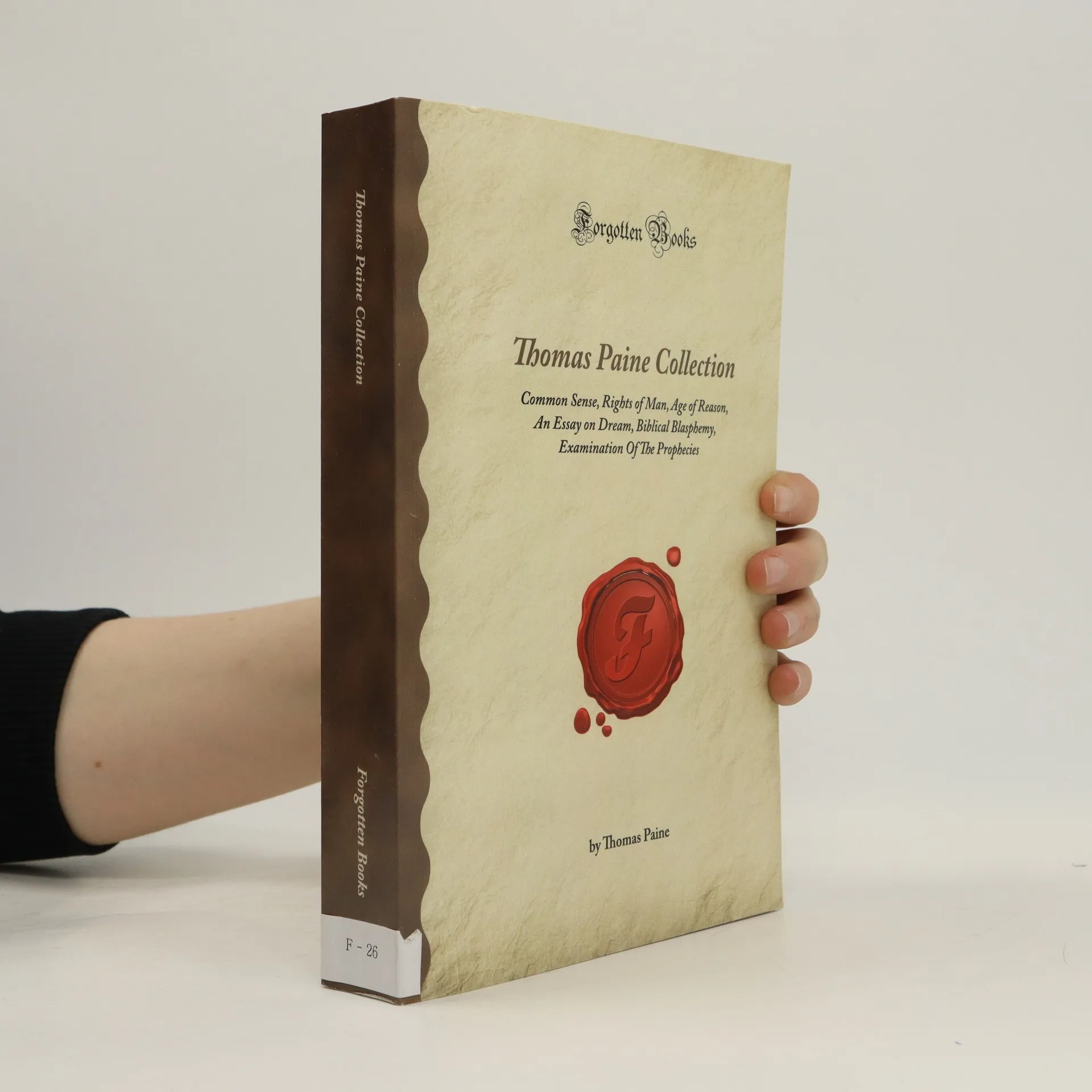
The Thomas Paine Collection includes his significant works such as Common Sense, Rights of Man, Age of Reason, An Essay on Dream, Biblical Blasphemy, and Examination Of The Prophecies. These texts are widely regarded as essential readings in the realm of classic literature.
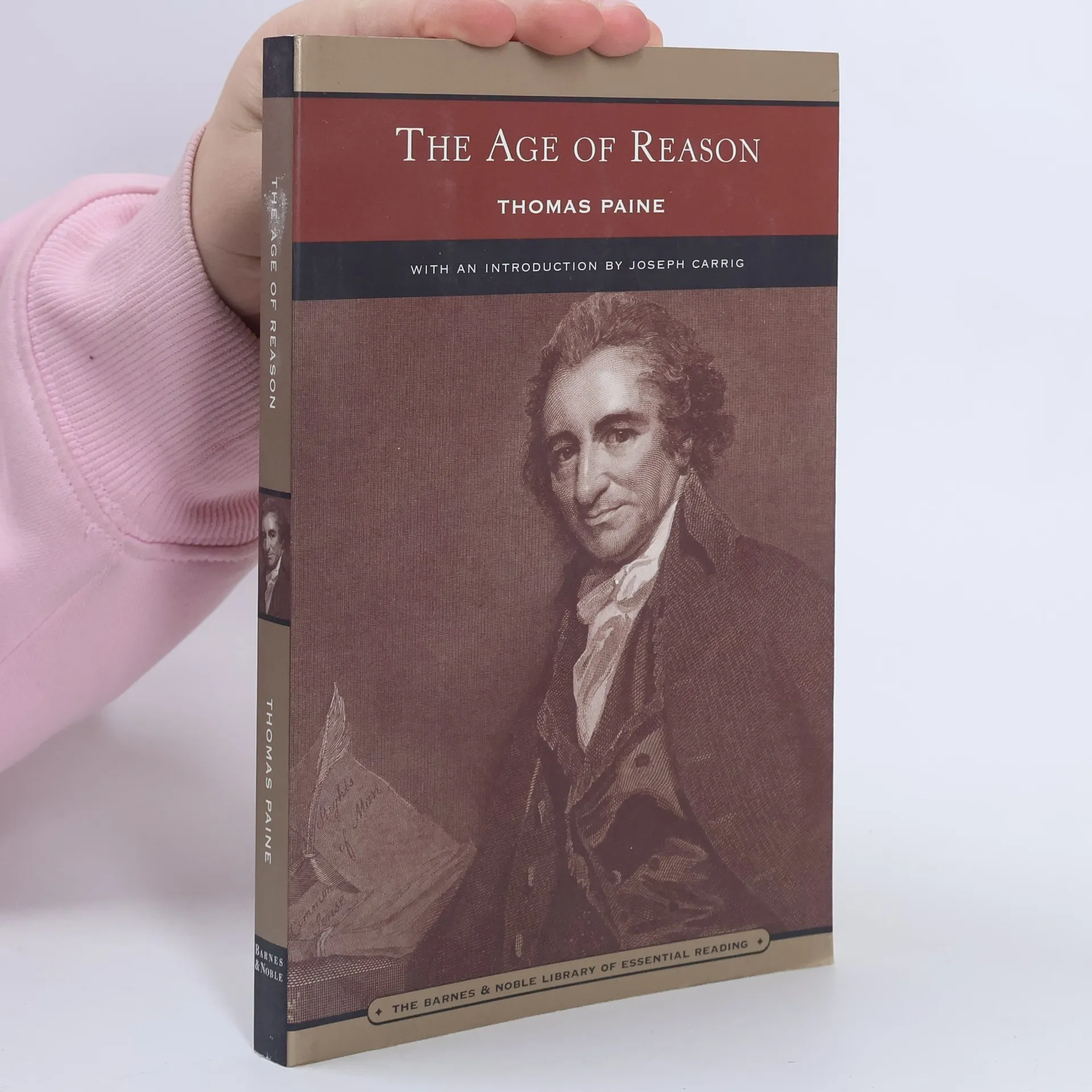
"The Age of Reason: Being an Investigation of True and Fabulous Theology," a deistic treatise written by 18th-century British radical and American revolutionary Paine, critiques institutionalized religion and challenges the inerrancy of the Bible.
The life of Thomas Paine is characterized by his idealism, radical beliefs, and exceptional rhetorical skills. His writings reflect a deep sense of urgency and excitement, capturing the spirit of his time and influencing revolutionary thought. Through his passionate advocacy for freedom and equality, Paine's contributions have left a lasting impact on political discourse and the quest for social justice.
Paine's daring prose paved the way for the Declaration of Independence and the Revolutionary War. This volume also includes " The Crisis ," " The Age of Reason ," and " Agrarian Justice ."
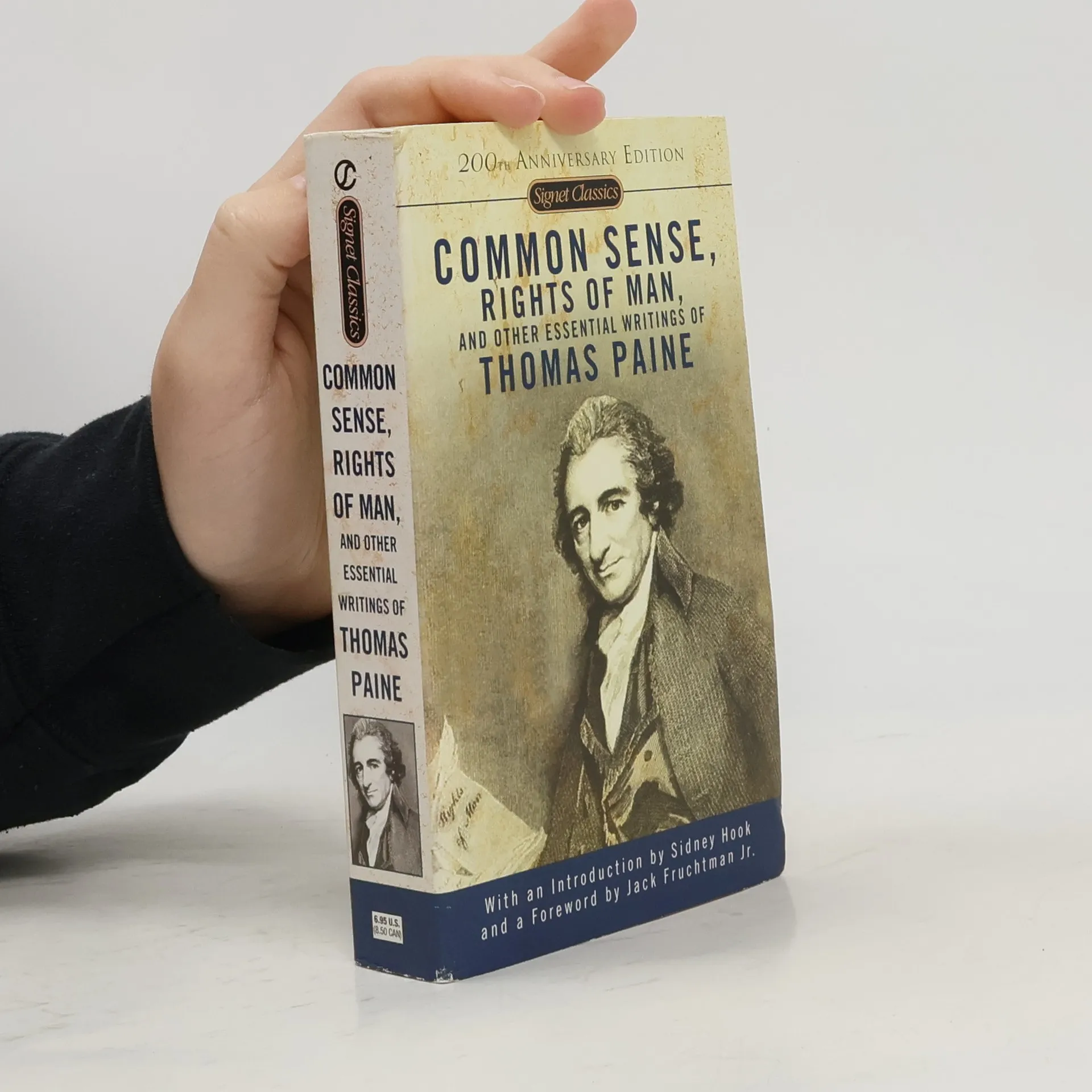
Thomas Paine was the first international revolutionary. His Common Sense (1776) was the most widely read pamphlet of the American Revolution and his Rights of Man (1791-2), the most famous defense of the French Revolution, sent out a clarion call for revolution throughout the world. Paine paid the price for his principles: he was outlawed in Britain, narrowly escaped execution in France, and was vilified as an atheist and a Jacobin on his return to America.This new edition contains the complete texts of both Rights of Man and Common Sense, as well as six other powerfully political writings - American Crisis I, American Crisis XIII, Agrarian Justice, Letter to Jefferson, Letter Addressed to the Addressers on the Late Proclamation and Dissertation on the First Principles of Government - all of which illustrate why Paine's ideas still resonate in the modern welfare states of today.
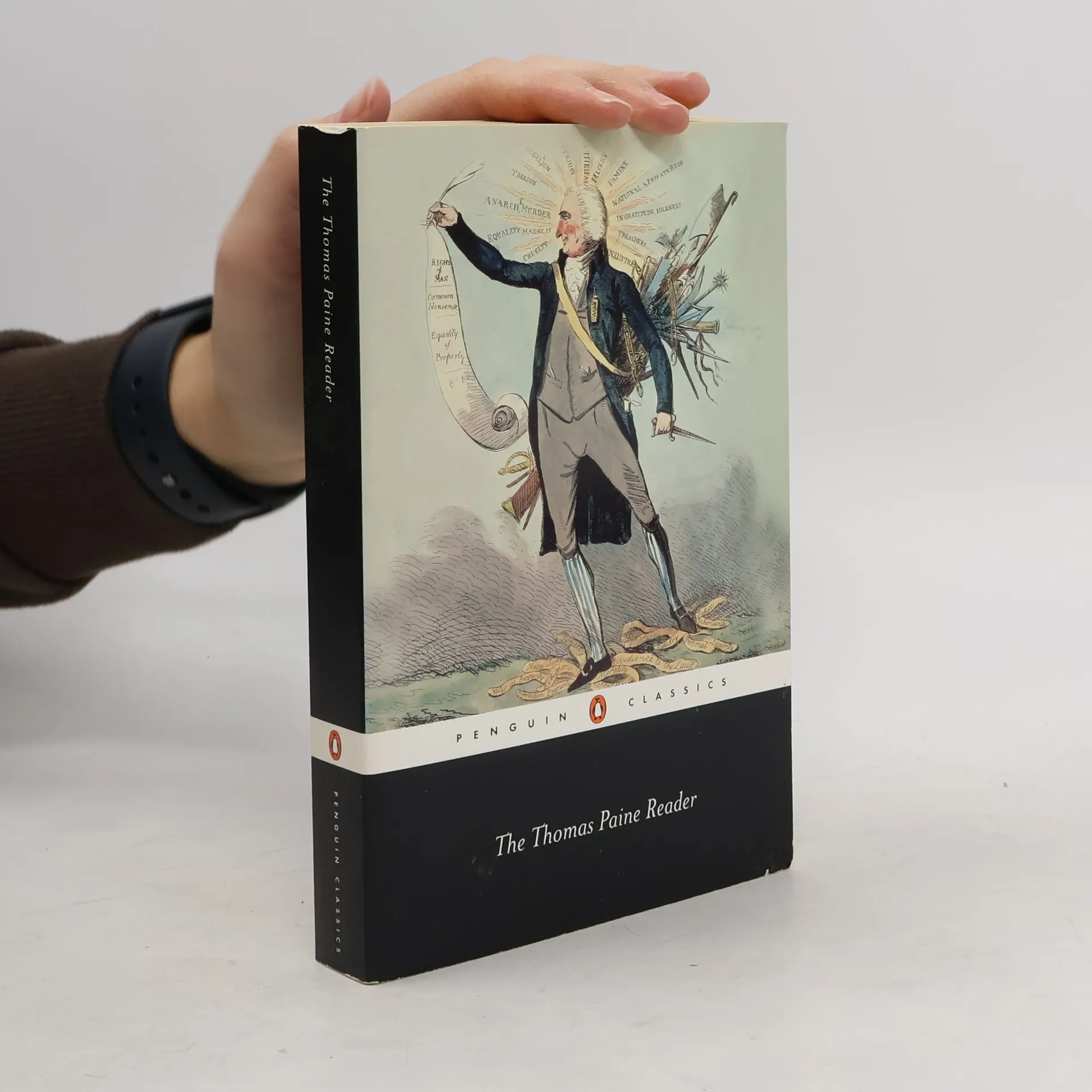
Thomas Paine was arguably the single most influential political writer in the English-speaking world during the great upheavals of the American and French Revolutions. For presentation in the Cambridge Texts in the History of Political Thought series Bruce Kuklick brings together all the classic Paine texts - Common Sense, The Rights of Man and The Age of Reason - as well as the first of Paine's papers on The Crisis of 1776. The customary series features - a brief chronology, notes for further reading, and a succinct introduction to the principal themes of each text - are all appended. This selection will appeal to students in a variety of disciplines from political theory to American history and enable further generations to engage at first hand with one of the most gifted and popular expositors of radical ideas ever to generate mass support.
Demonstrates the extent to which Thomas Paine was an inspiration to Americans
in their struggle for independence. This book contains Paine's major works
including The Rights of Man, Common Sense, and the first part of The Age of
Reason.
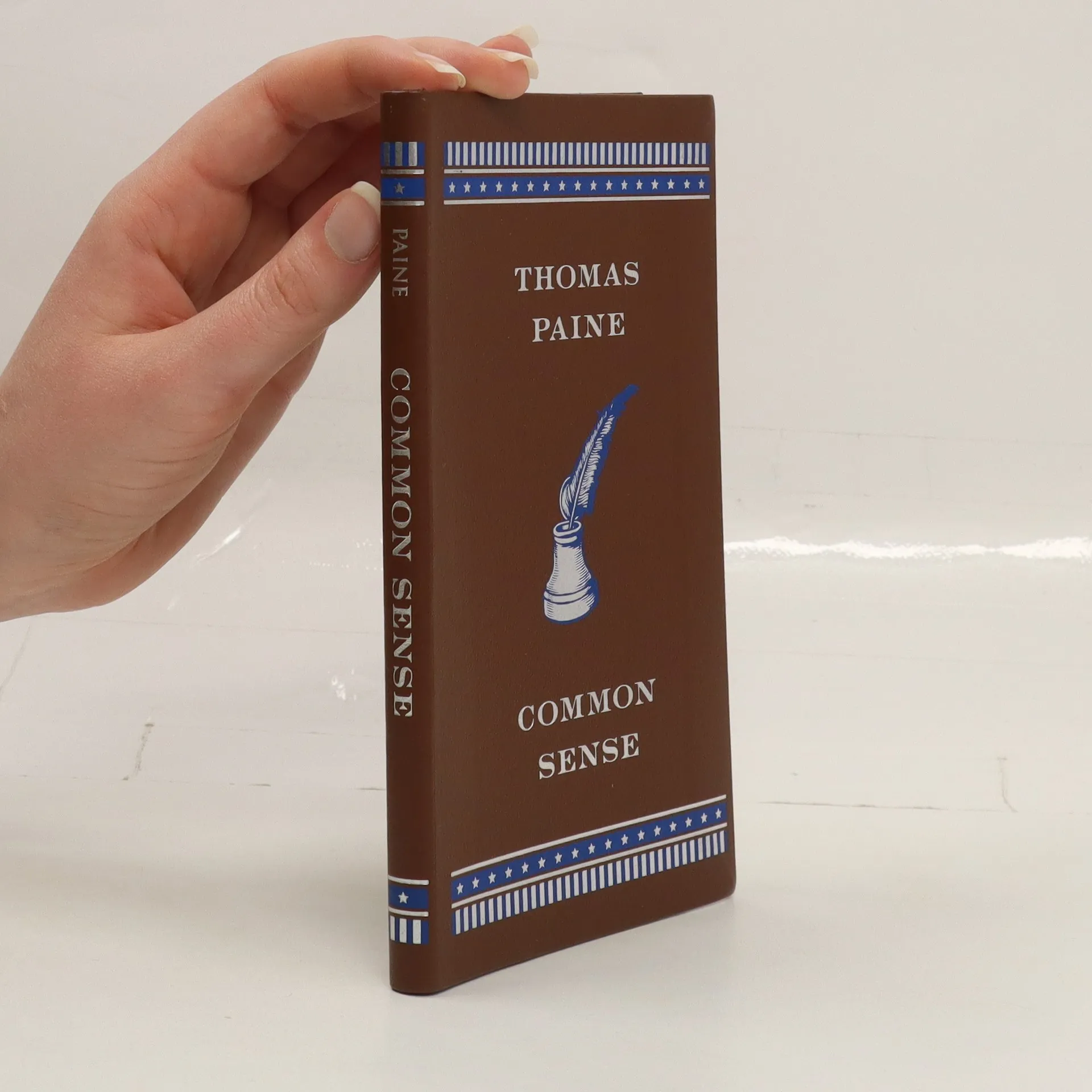
This is an attractively designed book bound in genuine bonded leather, with gilt edged pages that will make an elegant addition to any home library. Decorative and durable, this puts a classic of American history in the palm of your hand. The publication
One of the great classics on democracy, Rights of Man was published in England in 1791 as a vindication of the French Revolution and a critique of the British system of government. In direct, forceful prose, Paine defends popular rights, national independence, revolutionary war, and economic growth—all considered dangerous and even seditious issues. In his introduction Eric Foner presents an overview of Paine's career as political theorist and pamphleteer, and supplies essential background material to Rights of Man. He discusses how Paine created a language of modern politics that brought important issues to the common man and the working classes and assesses the debt owed to Paine by the American and British radical traditions. For more than seventy years, Penguin has been the leading publisher of classic literature in the English-speaking world. With more than 1,700 titles, Penguin Classics represents a global bookshelf of the best works throughout history and across genres and disciplines. Readers trust the series to provide authoritative texts enhanced by introductions and notes by distinguished scholars and contemporary authors, as well as up-to-date translations by award-winning translators.