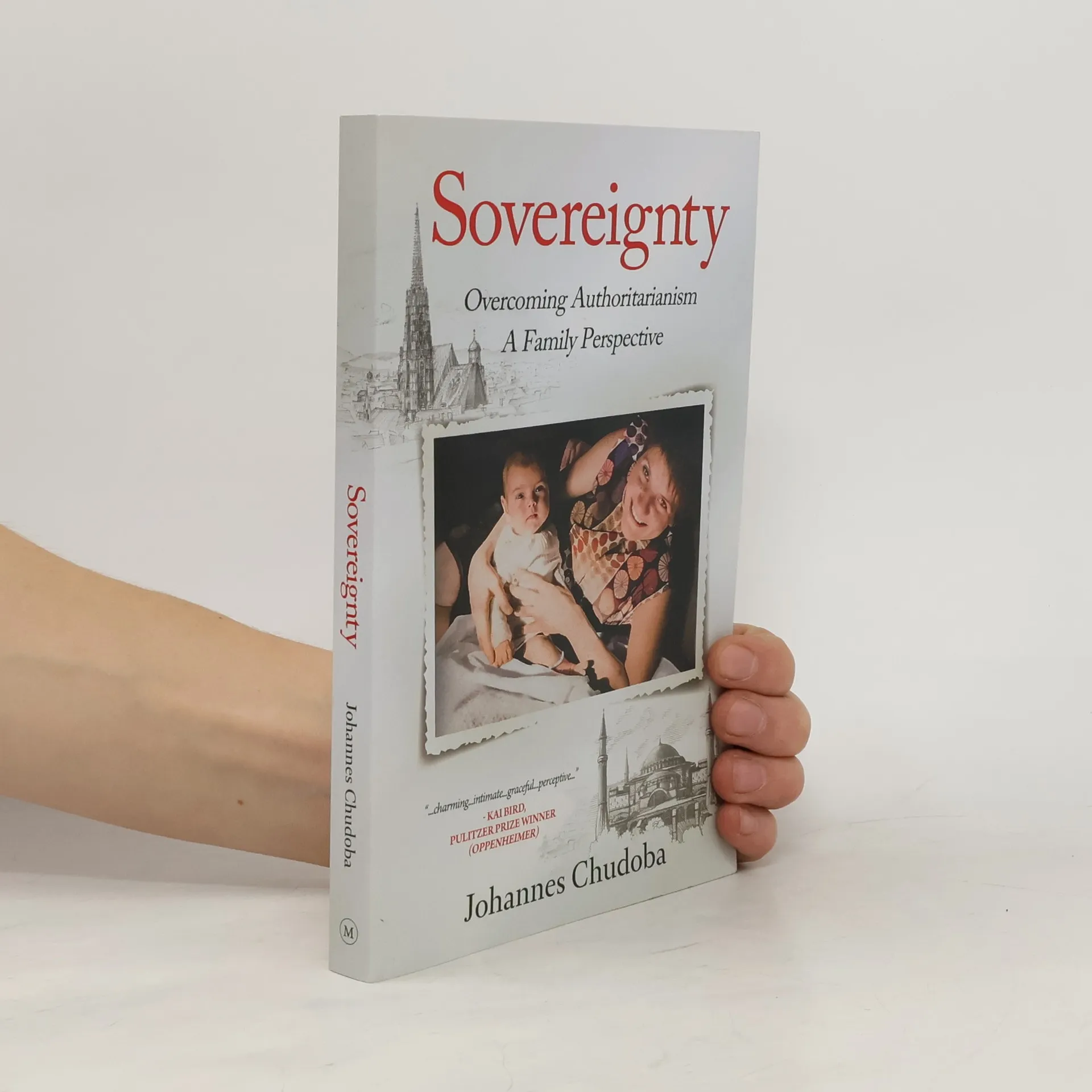
The Generations Trilogy - 1: Sovereignty
Overcoming Authoritarianism — A Family Perspective
- 274 stránek
- 10 hodin čtení


Kai Bird se ve své tvorbě soustředí na biografie politických osobností a prostřednictvím novinářského přístupu odhaluje komplexní portréty veřejných činitelů. Jeho psaní se vyznačuje hloubkou a pečlivým bádáním, čímž čtenářům přináší pronikavý pohled na životy a motivace klíčových postav moderní historie. Birdova díla představují mistrovské spojení historické faktografie a poutavého vyprávění, které rezonuje s čtenáři hledajícími hlubší porozumění politickému dění. Jeho práce je ceněna pro svou přesnost a schopnost podat složité příběhy srozumitelným a poutavým způsobem.


Overcoming Authoritarianism — A Family Perspective
An essential re-evaluation of Jimmy Carter's presidential legacy, this account delves into the complex triumphs and tragedies of his one-term presidency, often dismissed as a failure. Many view Carter as an ex-president who used the White House as a stepping-stone to greater achievements. However, his political journey is a rich narrative of significant accomplishments and painful adversities. Expertly written by Pulitzer Prize-winning biographer Kai Bird, this account presents Carter's presidency as a pivotal moment in American history. As the only president from the Deep South in a century, and the most openly religious leader in memory, Carter brought a unique blend of humility, candor, and self-confidence that challenged the political landscape of his time. He urged a radical self-examination of a nation grappling with issues of race, Watergate, and Vietnam, which voters ultimately rejected, costing him a second term to Ronald Reagan. Bird traces the arc of Carter's administration, highlighting his domestic agenda and controversial foreign policy, while revealing the adversarial nature of both the political establishment and the press. Through interviews and declassified documents, Bird provides a profound evaluation of a misunderstood leader, capturing the essence of an enigmatic presidency and its enduring impact on American consciousness.
This book offers a critical analysis of Jimmy Carter's presidency, exploring the intricate balance of his successes and failures. Through the lens of an expert biographer, it delves into the significant events and decisions that shaped his legacy, providing insights into his character and the challenges he faced in office. The narrative not only highlights Carter's achievements but also addresses the controversies and obstacles that marked his time as president, making it a comprehensive study of his impact on American history.
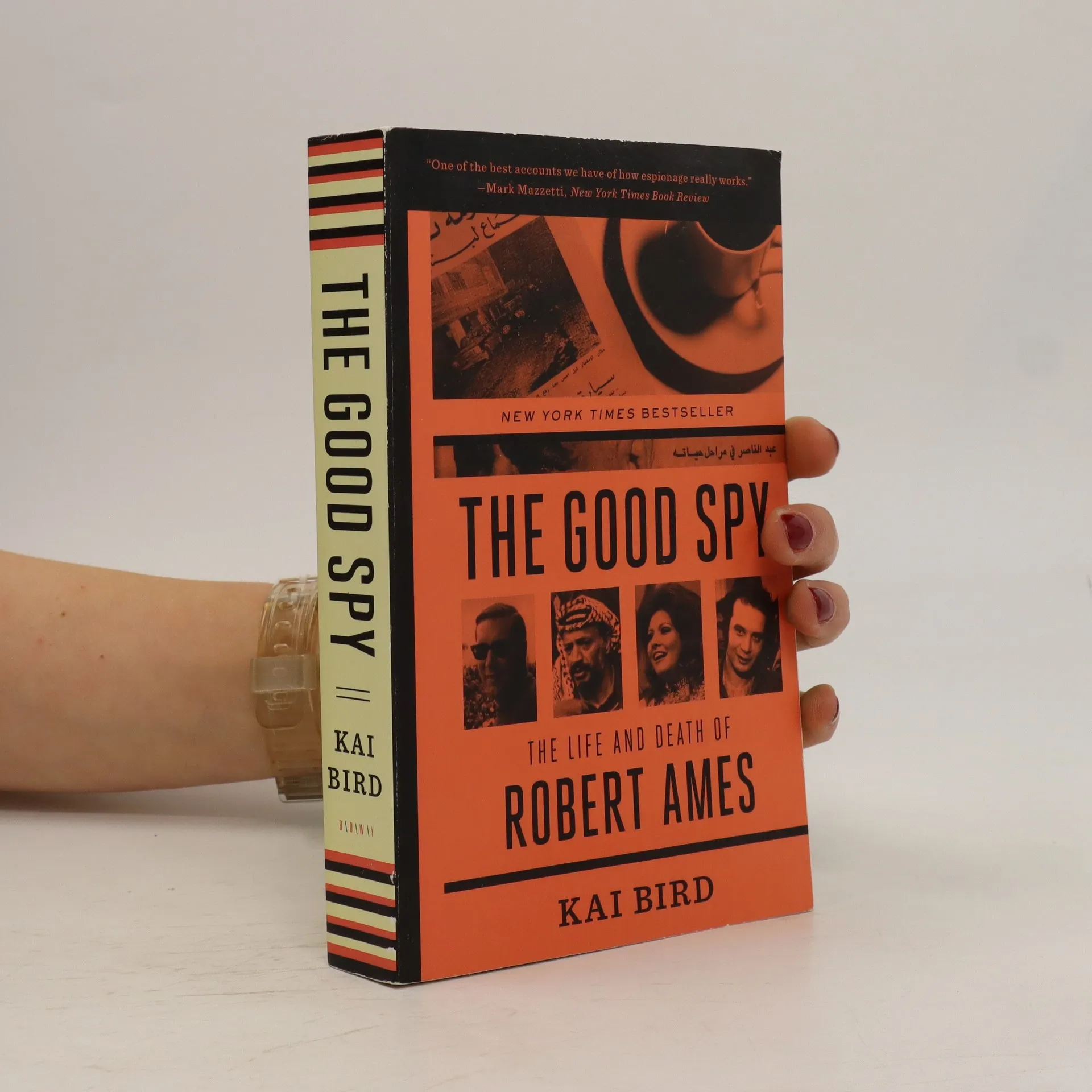
A narrative of the making of a CIA officer, a history of twentieth-century conflict in the Middle East, and an hour-by-hour account of the 1983 Beirut Embassy bombing
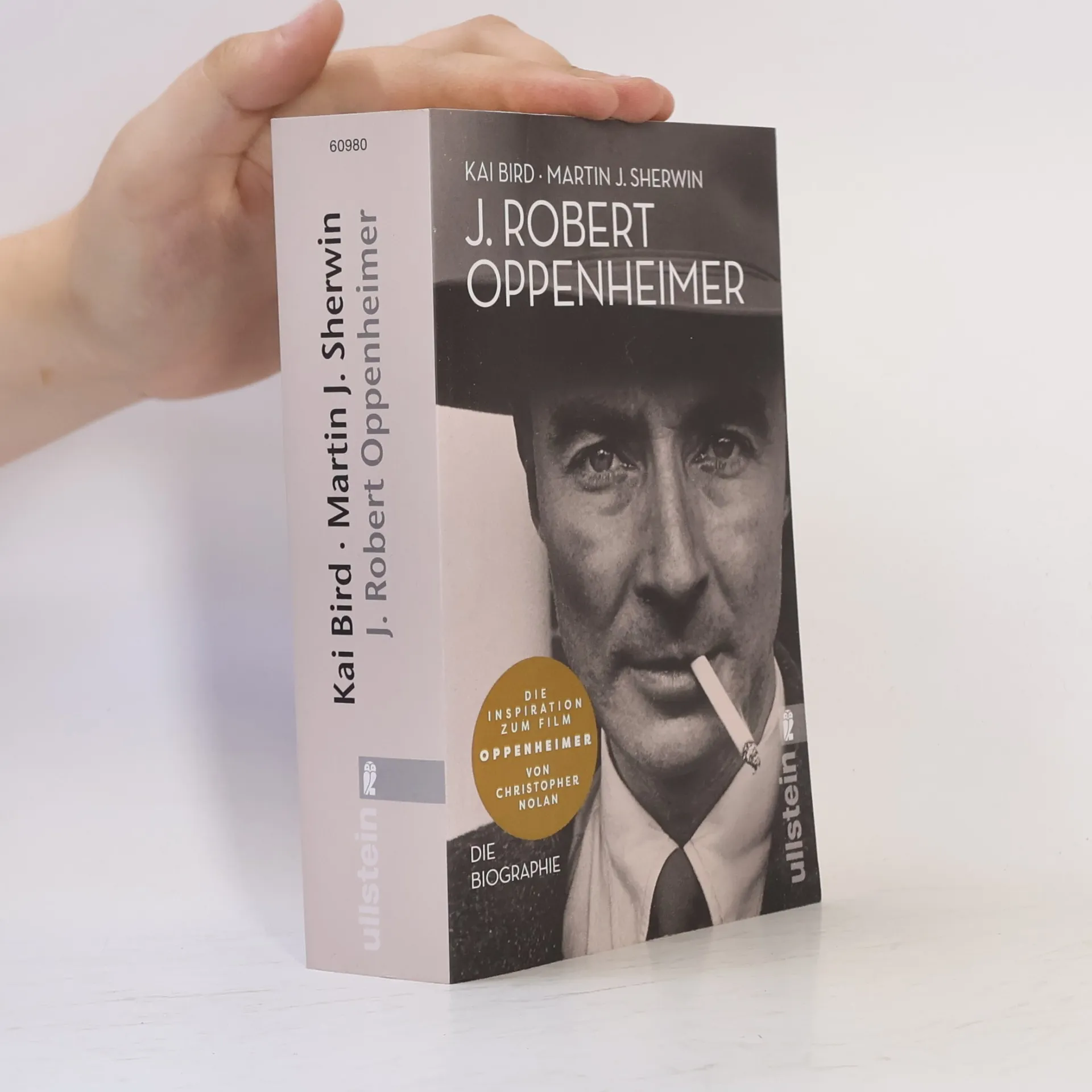
Die Biographie | Die Vorlage zum neuen Film von Christopher Nolan
Ausgezeichnet mit dem Pulitzer-Preis: Das Buch zum großen Kino-Highlight J. Robert Oppenheimer (1904-1967) zählt zu den schillerndsten Figuren der jüngeren Zeitgeschichte. Kai Bird und Martin J. Sherwin erzählen das Leben des »Vaters der Atombombe« und zeigen exemplarisch das Drama eines Forschers, der sich zwischen Erkenntnisdrang und ethischer Verantwortung entscheiden muss. Basierend auf ihrer mit dem Pulitzer-Preis ausgezeichneten Biographie drehte Regisseur Christopher Nolan sein Meisterwerk Oppenheimer .
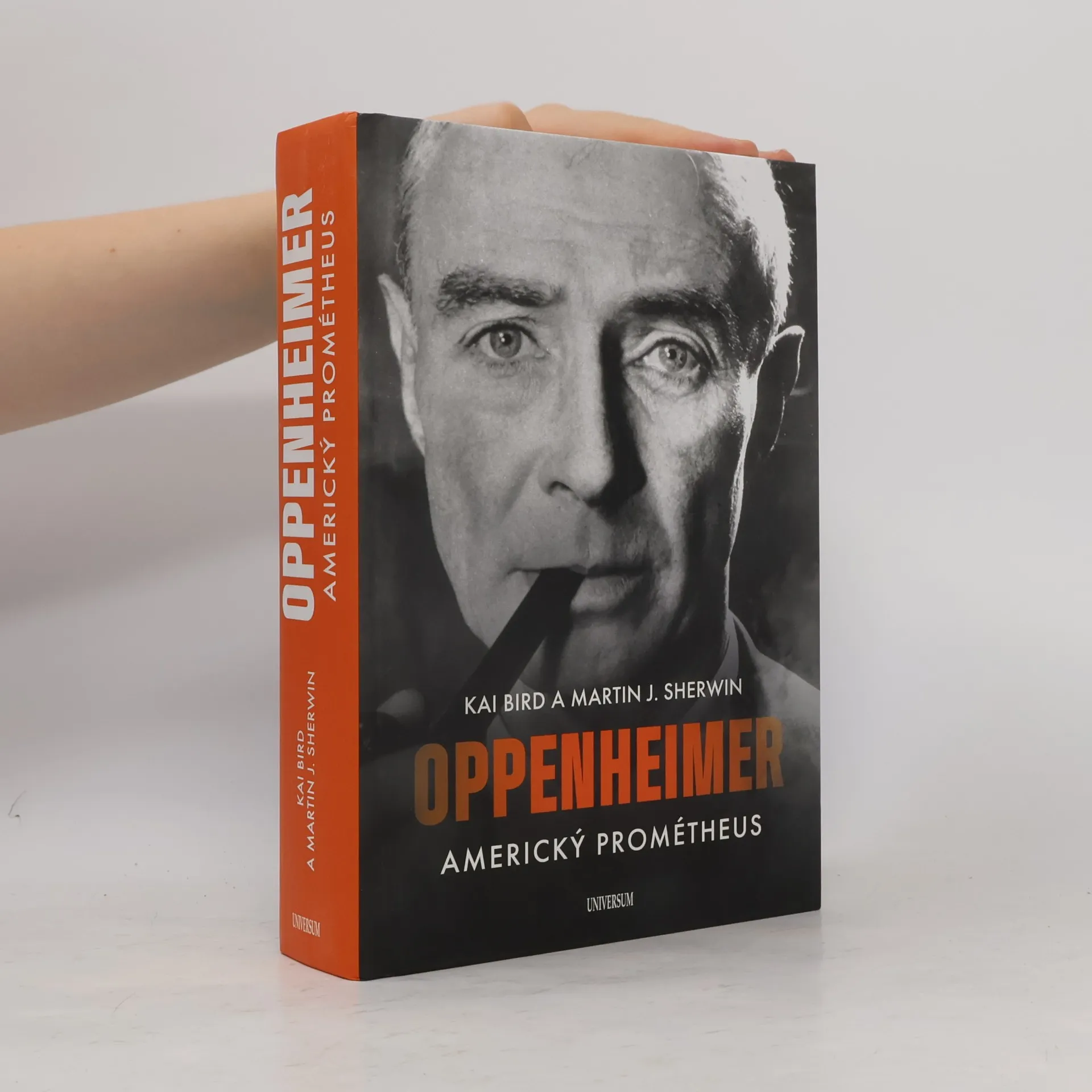
Mimořádná kniha o vzestupu a pádu „otce atomové bomby“. Geniální fyzik J. Robert Oppenheimer, jedna z ikonických postav 20. století, stál v době druhé světové války v čele úsilí o sestrojení atomové bomby pro svou vlast – takzvaného projektu Manhattan. Později čelil morálním důsledkům vědeckého pokroku, k němuž zásadním způsobem sám přispěl. Kai Bird a Martin Sherwin v této obsáhlé a ceněné biografii, která vznikala dvacet pět let, zachycují jeho život a dobu od počátků vědcovy kariéry až po Oppenheimerovu ústřední roli ve studené válce.
Focusing on the lives of McGeorge and William Bundy, the book explores the brothers' influential roles in shaping American policy during the Cold War and Vietnam. It presents a nuanced narrative that intertwines themes of pride, power, and idealism, revealing the complexities of their decisions and the impact on history. The portrayal is both sensitive and politically charged, offering readers a deep understanding of the personal and professional dynamics that defined their legacy, complemented by a selection of photographs.
Set against pivotal historical events such as World War II and the Cold War, the narrative chronicles McCloy's remarkable transformation from a humble "chore boy" to a key figure in American power. The book explores his influence during significant moments like the Cuban missile crisis, the Kennedy assassination, and the Vietnam War, illustrating how he shaped and navigated the complexities of American politics and diplomacy during a transformative era.