
Knihobot

Maryanne Wolf

    1. leden 1947

    Maryanne Wolfová je průkopnicí v oblasti neurologie čtení a jazyka, která se specializuje na porozumění čtení a dyslexii. Její práce se zaměřuje na hluboké pochopení toho, jak funguje mozek při čtení, a na hledání způsobů, jak zlepšit jazykové dovednosti u všech čtenářů. Wolfová je známá svým přínosem k rozvoji přístupů, které pomáhají jednotlivcům překonávat čtenářské výzvy a plně využívat potenciál čtení.

    Maryanne Wolf
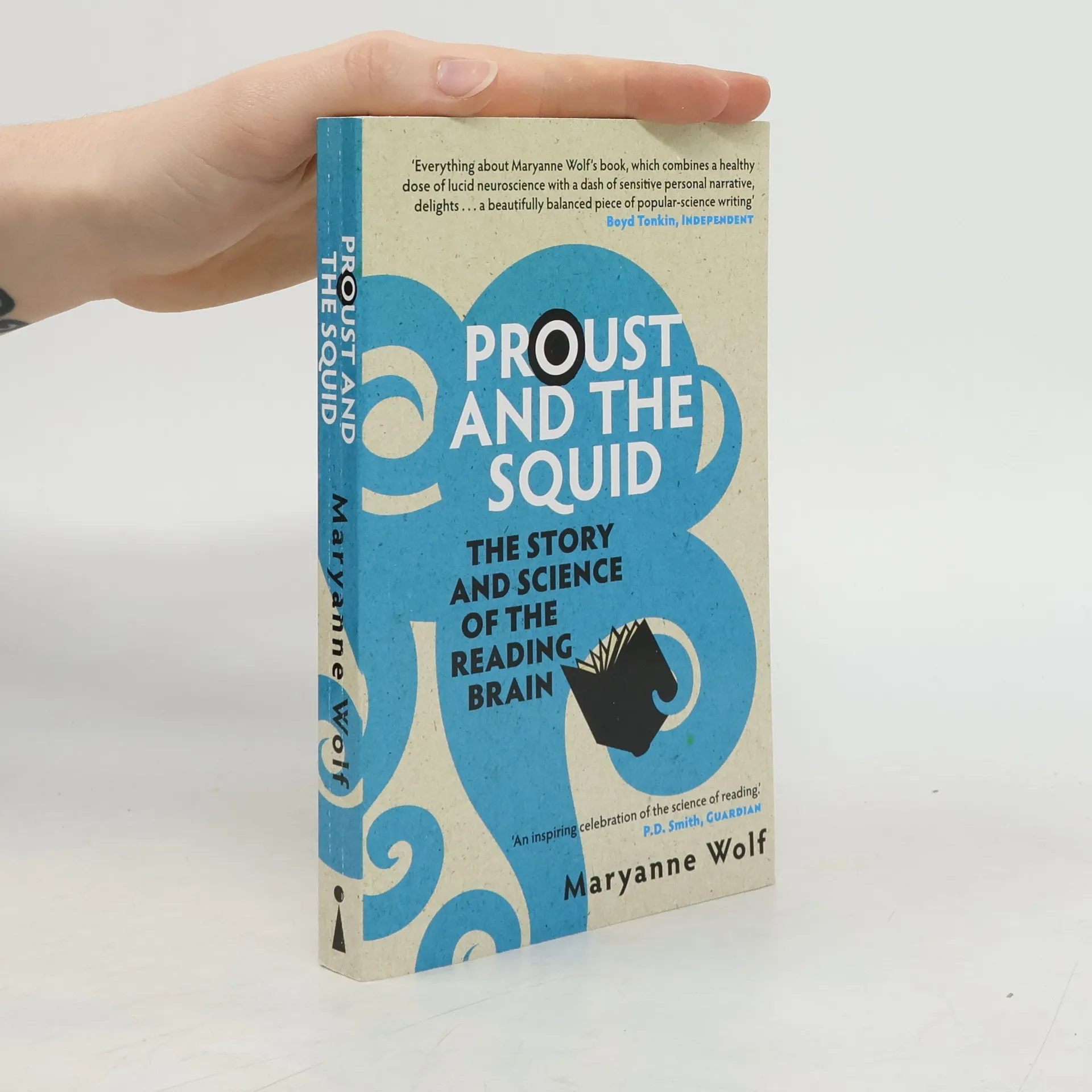
    Proust and the Squid
    Reader, Come Home: The Reading Brain in a Digital World
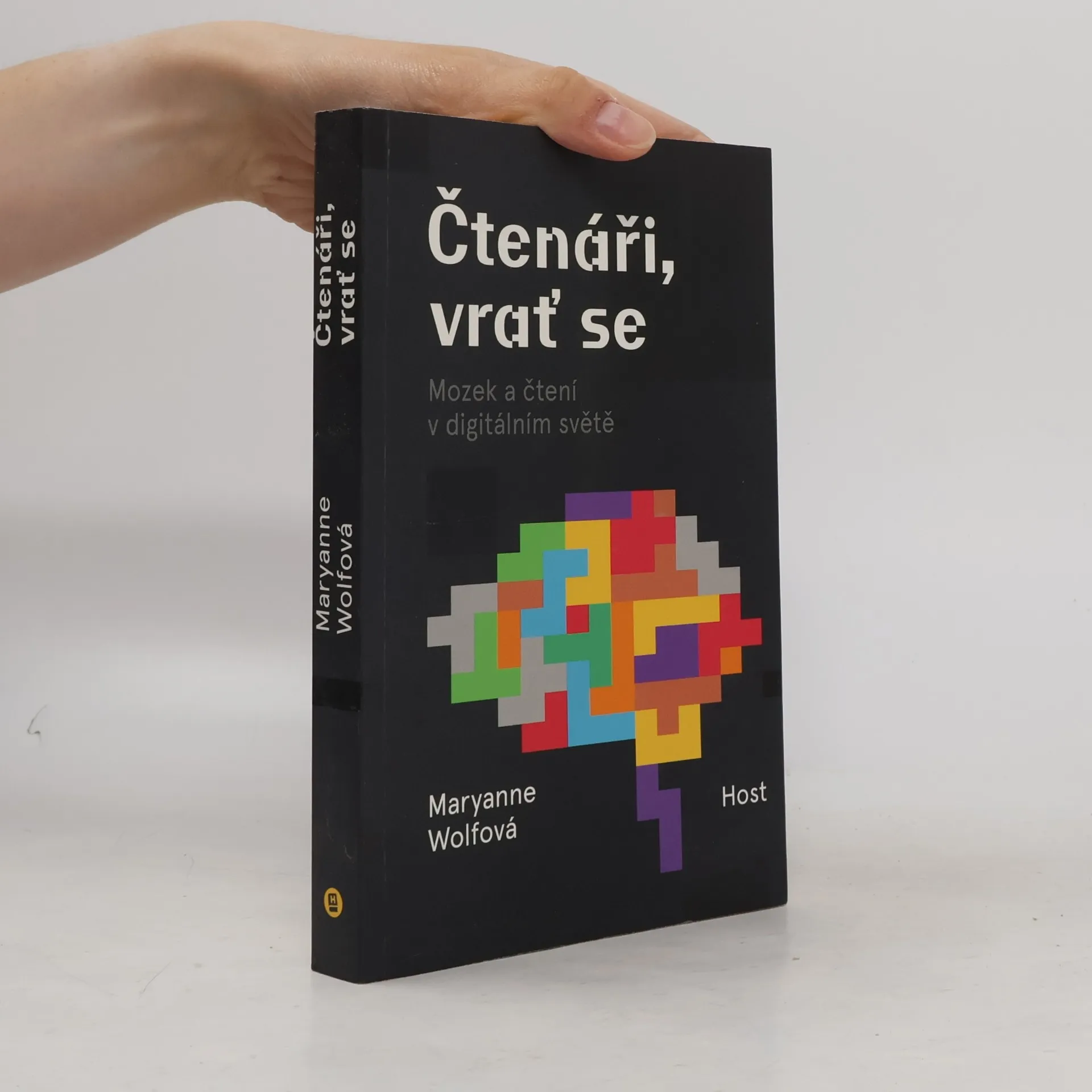
    Čtenáři, vrať se. Mozek a čtení v digitálním světě
    • Digitální média nejsou zlo. Ale s dávkováním raději opatrně. Spolu s rozšiřováním digitálních technologií se v posledních třiceti letech proměnil způsob, jakým konzumujeme média, včetně toho nejstaršího: textu. Dnes se čtení přelévá z platformy na platformu, mezi internetovým prohlížečem a eknihou, odehrává se především na obrazovkách a stimuluje mozek úplně jiným způsobem než soustředěná četba papírových knih nebo novin. Řada odborníků i laiků se obává, jaké důsledky budou nová média mít na naše intelektuální a kognitivní schopnosti. Neuroložka a odbornice na proces čtení Maryanne Wolfová v knize Čtenáři, vrať se shrnuje dosavadní vědecké poznání o vlivu digitálních médií na proces čtení a lidský mozek. Nová média nechápe jako ohrožení, nýbrž jako výzvu: už tu s námi jsou, takže se s nimi musíme naučit zacházet tak, aby nám dobře sloužily.

      Čtenáři, vrať se. Mozek a čtení v digitálním světě
    • The author of the acclaimed Proust and the Squid presents a lively and informative exploration of the future of the reading brain and its implications for critical thinking, empathy, and reflection in an increasingly digital world. Following her previous work, Maryanne Wolf examines how the evolution of reading, particularly among children and adults, is influenced by digital technology. Through a series of letters to her readers, she expresses her concerns and hopes regarding the changes in our cognitive processes as we adapt to new mediums. Wolf poses challenging questions about the potential impacts on children's ability to engage in "deep reading," critical thinking, and personal reflection amidst distractions and instant access to information. She wonders if these shifts will hinder the development of essential skills like analogy-making and inference-drawing, which are vital for knowledge retention and understanding. Additionally, she explores how digital influences may affect the cognitive processes necessary for a democratic society. Drawing from neuroscience, literature, education, and philosophy, Wolf blends historical and scientific insights with relatable anecdotes to propose a vision for a biliterate reading brain. This work serves as a cautionary yet hopeful guide on the effects of technology on our intellectual capacities and future.

      Reader, Come Home: The Reading Brain in a Digital World
    • Proust and the Squid

      • 320 stránek
      • 12 hodin čtení
      4,0(439)Ohodnotit

      'We were never born to read' begins Maryanne Wolf in this pathbreaking exploration of how our brains learnt to read. 'No specific genes ever dictated reading's development. Human beings invented reading only a few thousand years ago. And with this invention, we changed the very organization of our brain, which in turn expanded the ways we were able to think, which altered the intellectual evolution of our species'. From the history of the earliest known examples of written language, to whether reading online really is making us 'stupider', and why dyslexia can be a gift, "Proust and the Squid" will ensure you never again take for granted your ability to absorb the written word.

      Proust and the Squid