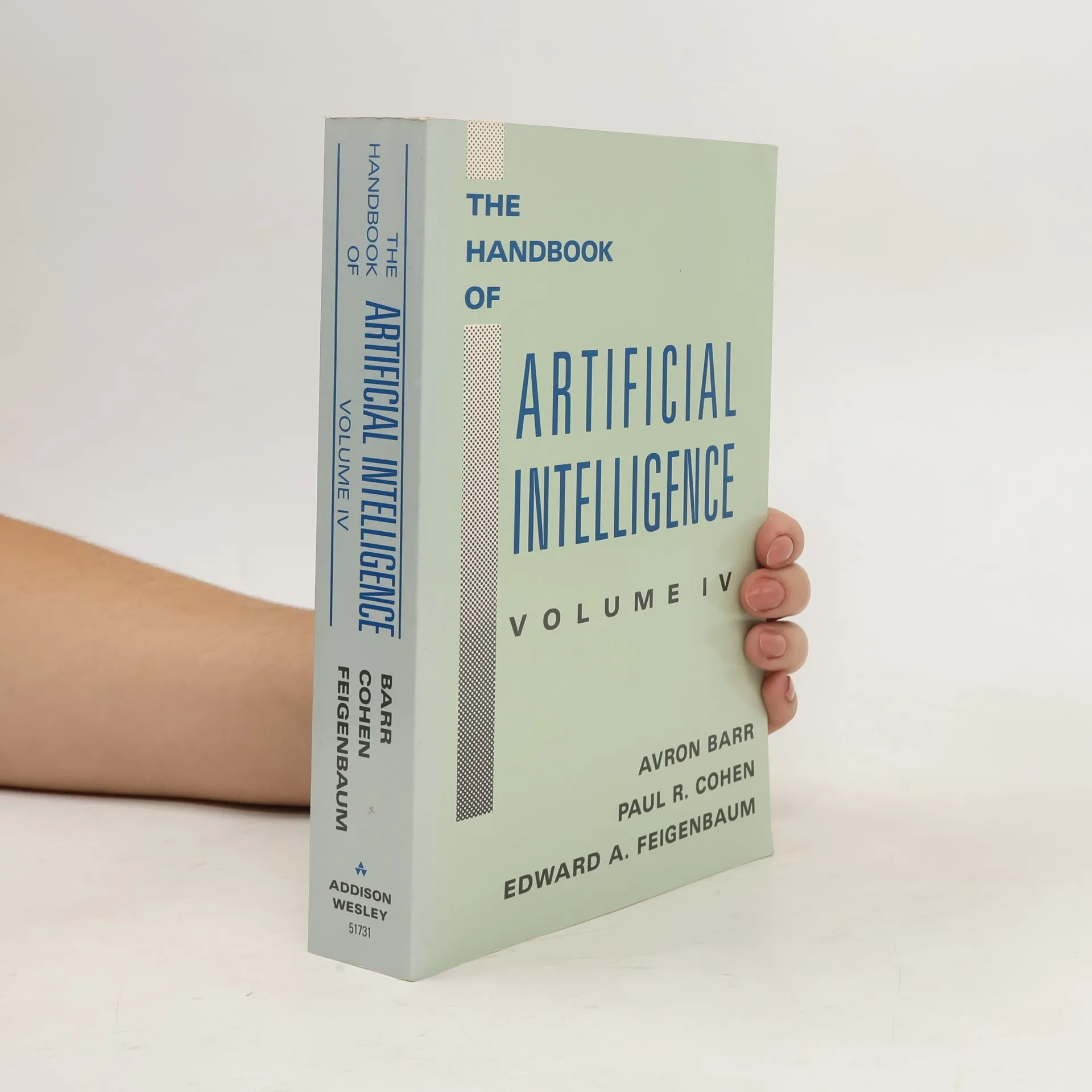
The fourth volume provides articles by AI experts on new technologies, theories, and research. Topics include blackboard systems, natural language understanding, expert systems, and knowledge-based software engineering. Annotation copyright Book News, Inc. Portland, Or.
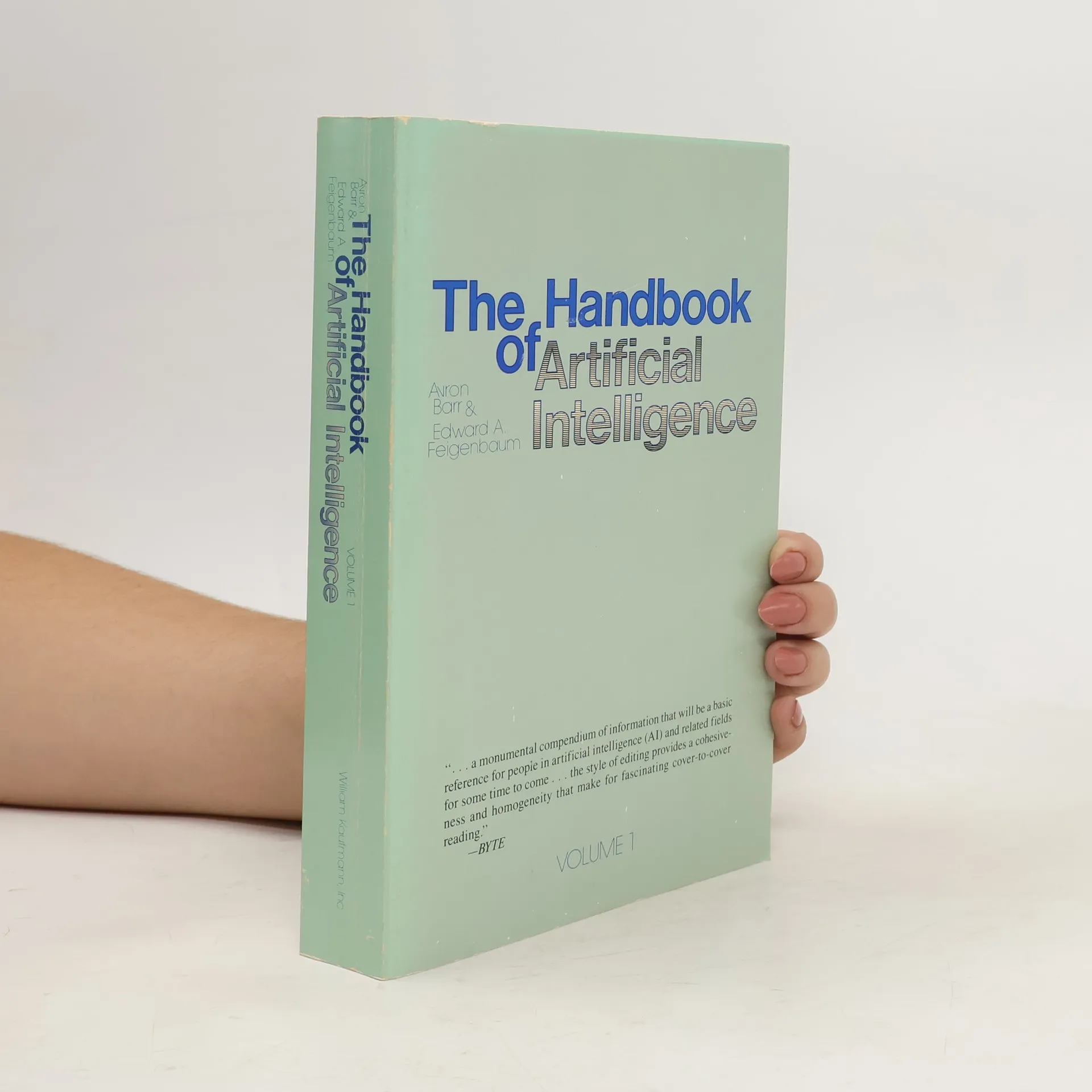
The Handbook of Artificial Intelligence, Volume I focuses on the progress in artificial intelligence (AI) and its increasing applications, including parsing, grammars, and search methods. The book first elaborates on AI, AI handbook and literature, problem representation, search methods, and sample search programs. The text then ponders on representation of knowledge, including survey of representation techniques and representation schemes. The manuscript explores understanding natural languages, as well as machine translation, grammars, parsing, test generation, and natural language processing systems. The book also takes a look at understanding spoken language, including systems architecture and the ARPA SUR projects. The text is a valuable source of information for computer science experts and researchers interested in pursuing further research in artificial intelligence
This book presents empirical methods for studying complex computer exploratory tools aimed at discovering data patterns, designing experiments, and testing hypotheses to make data more persuasive. Unlike other sciences, computer science and artificial intelligence lack a dedicated curriculum in research methods. The text emphasizes empirical methods, particularly in the context of broader empirical research rather than solely focusing on statistical techniques. The initial chapters introduce empirical questions, exploratory data analysis, and experiment design, while a critical examination of statistical hypothesis testing is addressed in later chapters, which cover classical parametric methods and Monte Carlo resampling techniques. The book is notable for its accessible presentation of these flexible resampling methods. It also emphasizes research strategies and tactics through case studies. Subsequent chapters delve into performance assessment, identifying interactions and dependencies among factors affecting performance, and discussing predictive and causal models. The concluding chapter explores the nature of theory in AI and how empirical methods can contribute to general theories. Mathematical details are provided in appendices, and no prior knowledge of statistics is required. Examples can be analyzed manually or with standard statistics software. The Common Lisp Analytical Statistics Package (CLASP) is available from T