

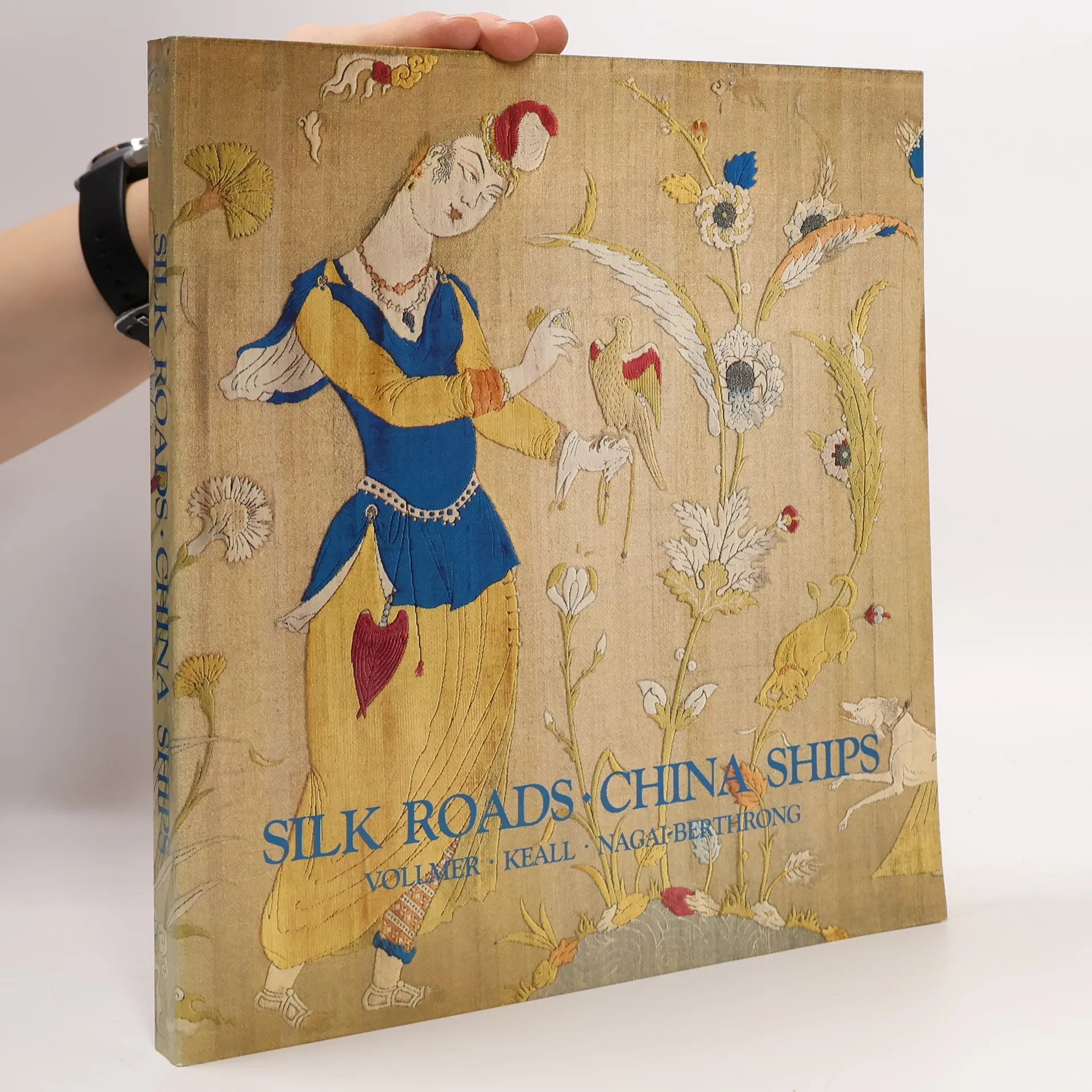
Book by Vollmer, John E., Keall, E. J., Nagal-Berthrong, E.
John E. Vollmer Knihy

Dressed to rule
- 72 stránek
- 3 hodiny čtení
Art takes many forms. In this selection of Asian court attire, dating from the Qing dynasty (1644-1911), the phrase "you are what you wear" resonates. Vollmer journeys back to the thirteenth-century Chinese Empire, where ancestors of the ruling Manchu conquerors dressed fittingly. These exquisite costumes remind us that royalty once set fashion standards the way that celebrities do today, but that these garments also promoted distinct national and political messages that helped keep a ruling minority in power for nearly three centuries. Dressed to Rule is a guide to the exhibit, of the same name, that appeared at the University of Alberta in 2007.
Emblems of empire
- 368 stránek
- 13 hodin čtení
In this sumptuous volume, John Vollmer and Jacqueline Simcox showcase 72 objects focused on the emperors of China from the Mactaggart Art Collection at the University of Alberta Museums, one of the foremost collections of Chinese paintings and textiles in the world. Full-colour images and informative text introduce both the works from the collection and how they served as emblems of imperial order and power during the Ming and Qing dynasties (1368-1911). Students, collectors, museum visitors, scholars, historians, and individuals interested in Chinese art will be stirred by the sensuous interplay of hierarchy and design of the painted and textile arts of the Chinese Imperial court, as explored and illuminated in this book.
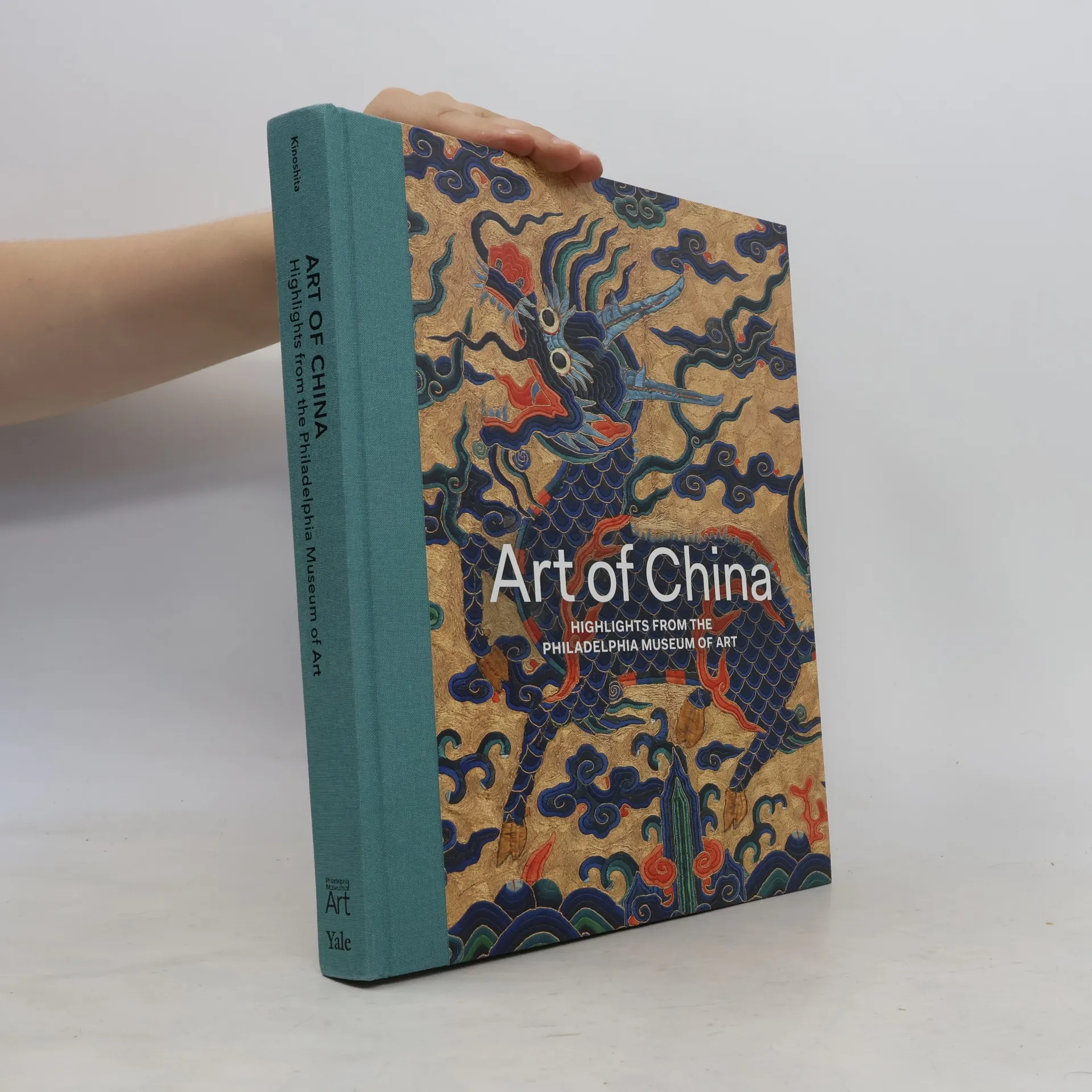
This sumptuous presentation of the Philadelphia Museum of Art’s wide-ranging collection of Chinese art features one hundred works in various media spanning antiquity to the present day—including Ming gold vessels, a 15th-century Buddhist temple ceiling, imperial court robes, and an 18th-century bookcase made in Canton for a Dutchman. With striking new photography and engaging and informative discussions of individual works of sculpture, painting, furniture, textiles, ceramics, metalwork, and architecture, this volume provides a fascinating look into the breadth and diversity of Chinese artistic experience and material culture. An introductory essay by Hiromi Kinoshita delves into the history of the Philadelphia Museum’s Chinese collection—begun after the 1876 World’s Fair and continuing today with acquisitions of contemporary works by Ai Weiwei and Zhang Huan—weaving together stories of intrepid and dedicated collectors, curators, and dealers. Both accessible to general readers and of interest to scholars, this book is a valuable resource for those captivated by the many manifestations of art from China.
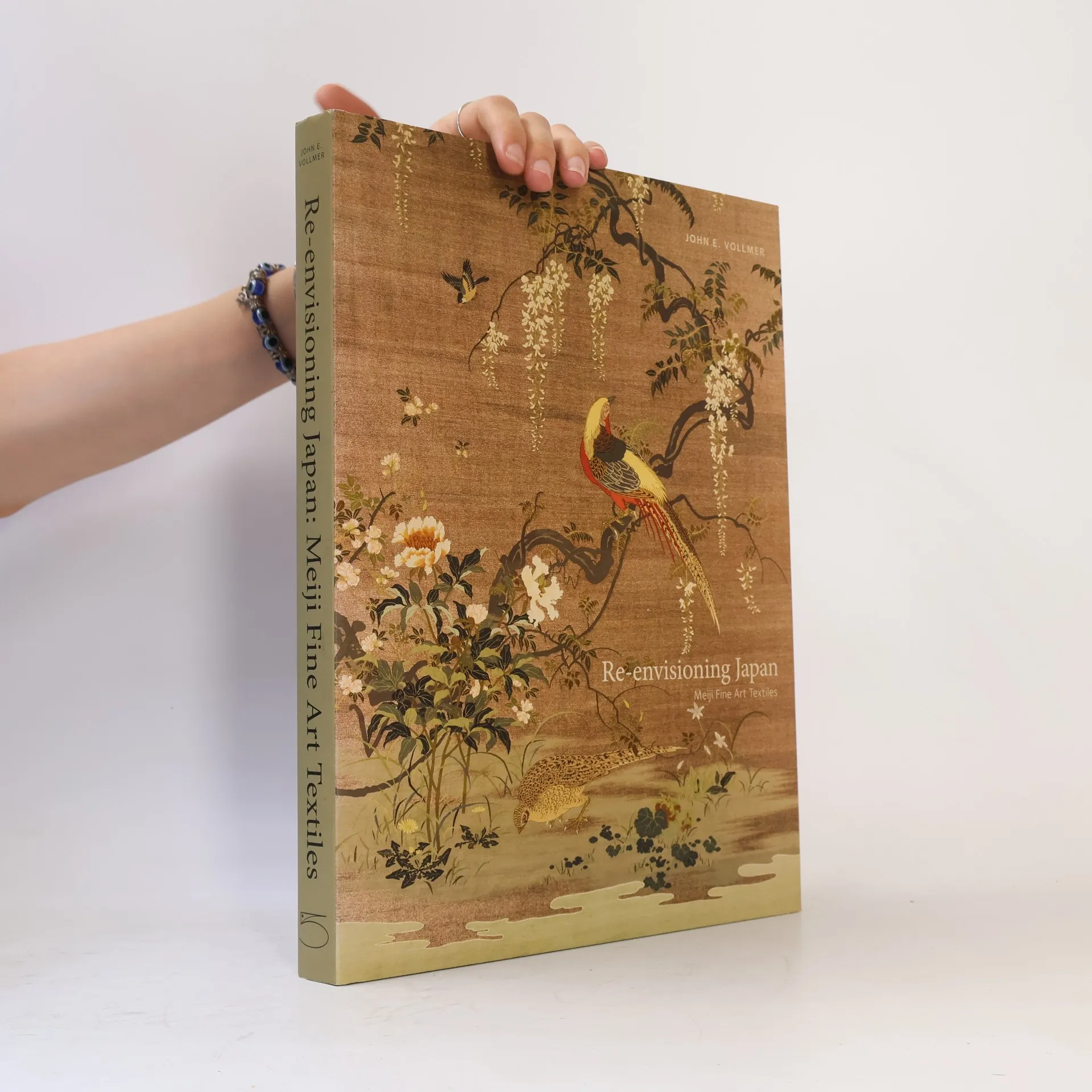
Re-envisioning Japan is the first truly comprehensive book on Japanese export textiles of the Meiji period (1868–1912), featuring stunning examples from all over the country. Lavishly illustrated, the book features fabrics that explore the craftsmanship and remarkable talent of Meiji artists and artisans who produced goods for export markets. The makers of Meiji textiles sought to modernize traditional modes of visual representation, aspiring to create “paintings in silk thread,” at times even replicating specific Western paintings. More often, they collaborated with contemporary Japanese painters to create dazzling new images that more than ever before realized the aesthetic potential of silk thread as an artistic medium. This book showcases these spectacular ornamental textiles in dazzling color reproductions and many close-up details.