

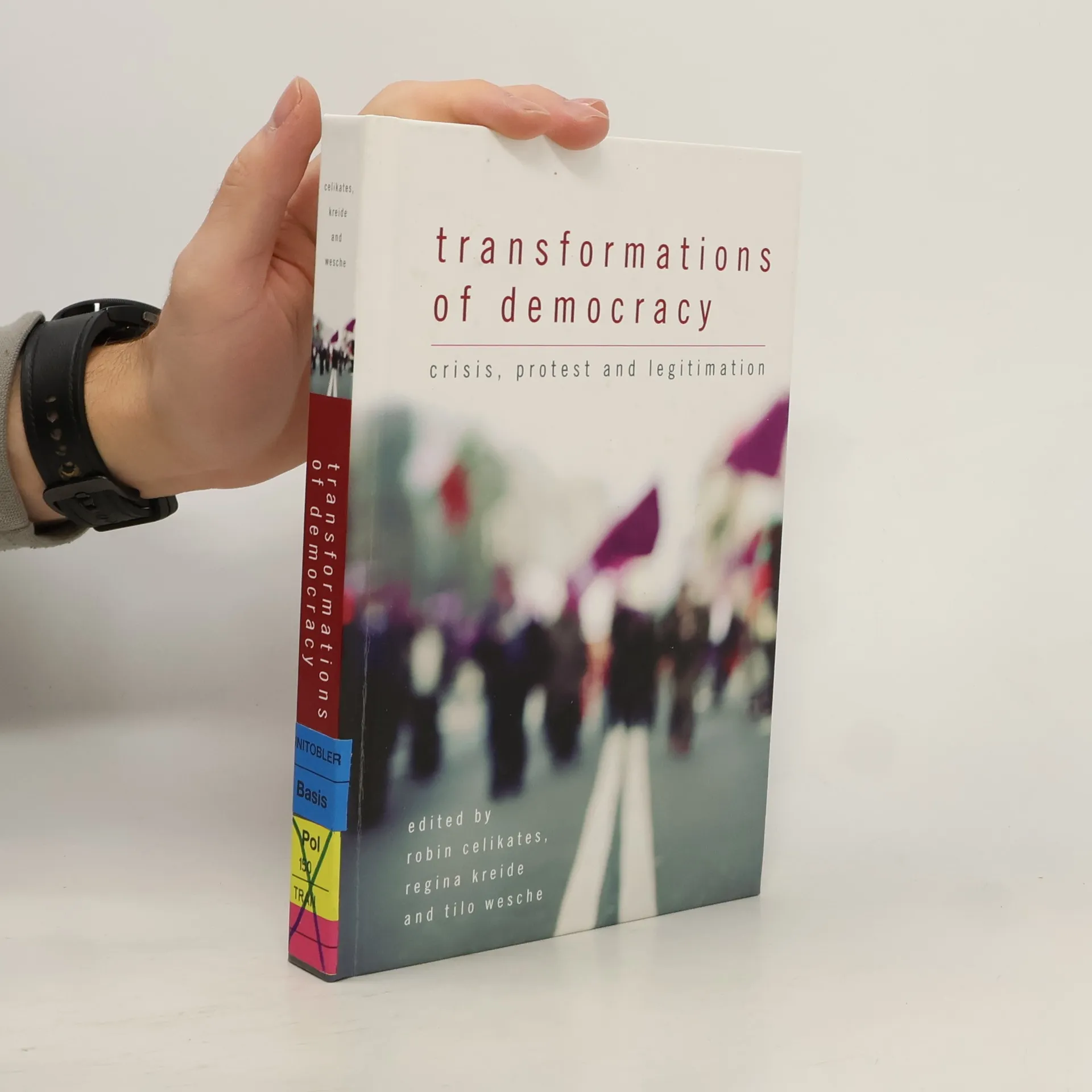
Is democracy in crisis? On the one hand, it seems to be decaying under the leadership of political elites who make decisions behind closed doors. On the other hand, citizens are taking to the streets to firmly assert their political participation across the globe.Drawing on a range of theoretical and empirical perspectives, this collection examines the multiple transformations which both the practice and the idea of democracy are undergoing today. It starts by questioning whether there is a crisis of democracy, or if part of this crisis lies in the inadequacy of social and political theory to describe current challenges. Exploring a range of violent and non-violent forms of resistance, the book goes on to ask how these are related to the arts, what form of civility they require and whether they undermine the functioning of institutions. In the final section of the book, the contributors examine the normative foundations of democratic practices and institutions, especially with regard to the tension between human rights and democracy and the special character of democratic authority.
Tilo Wesche Knihy

Adorno
- 219 stránek
- 8 hodin čtení
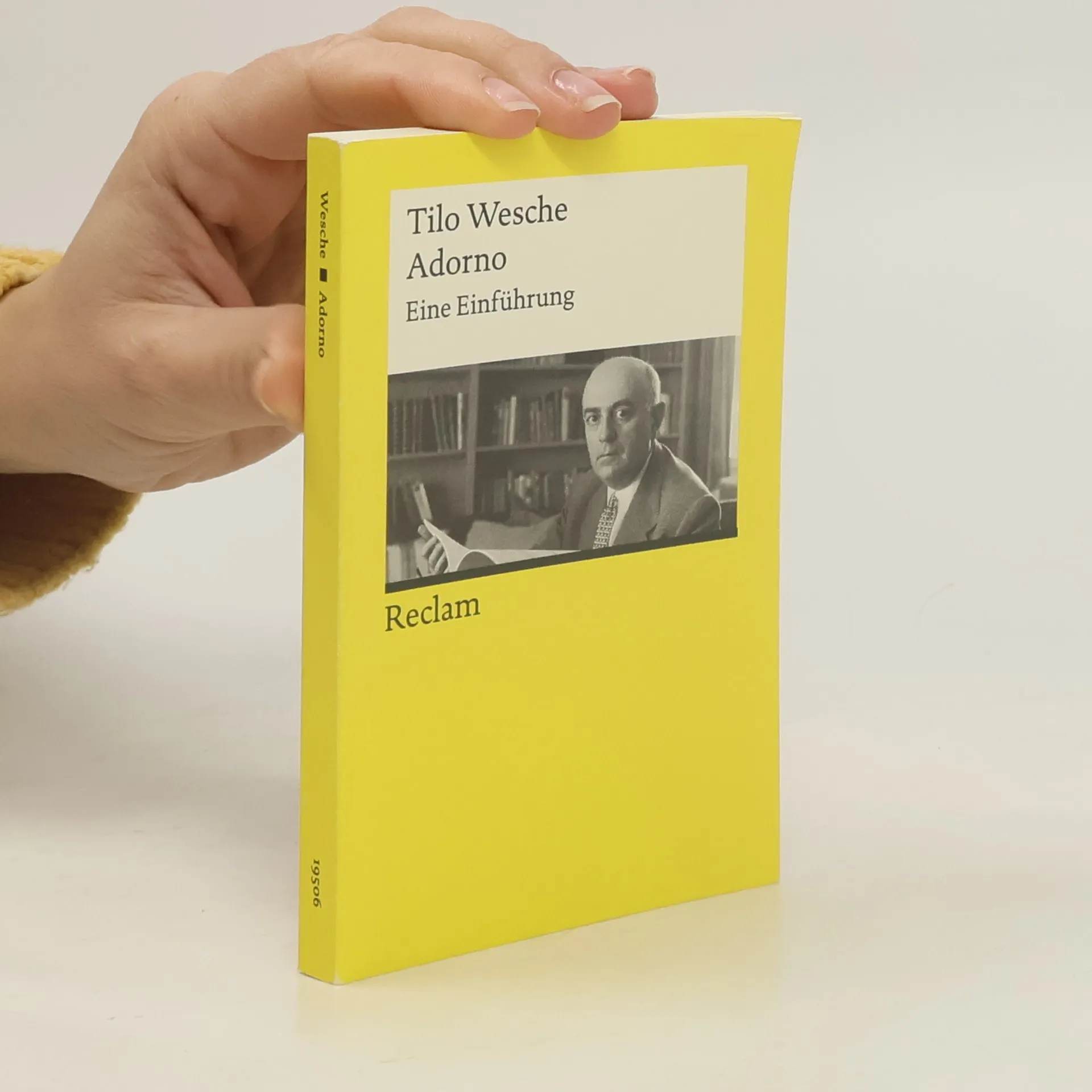
Der 1969 verstorbene Philosoph, Musik- und Kunsttheoretiker Theodor W. Adorno beeinflusst unser Denken bis heute. Tilo Wesche beleuchtet in seiner Einführung Adornos philosophisches Gesamtwerk, etwa dessen mit Horkheimer verfasste Dialektik der Aufklärung oder die Negative Dialektik , die moralphilosophischen und gesellschaftspolitischen Ansätze, seine Kapitalismus- und Gesellschaftskritik sowie sein epochemachendes Kunstverständnis. Das letzte Kapitel zielt auf Hoffnung – denn Adorno hoffte auf »das Entronnensein des Humanen aus dem Bann«, dass »Schicksal und Macht nicht das letzte Wort behalten«.
Der Natur werden weltweit von Parlamenten, Regierungen und Gerichten zunehmend eigene Rechte verliehen. Was ist dran an den Rechten der Natur? Kann diese Rechtspraxis zur Bewältigung des Klimawandels beitragen? Wie lassen sich solche Rechte begründen? Und wie anwenden? Diesen Fragen geht Tilo Wesche in seinem philosophischen Grundlagenwerk mit Blick auf das Eigentumsrecht nach. Beim Klima-, Arten- und Umweltschutz werden Eigentumsrechte häufig vernachlässigt. Dabei wohnt ihnen selbst eine Vorstellung ökologischer Nachhaltigkeit inne, die zur Überwindung eines extraktiven Naturverhältnisses beitragen kann.