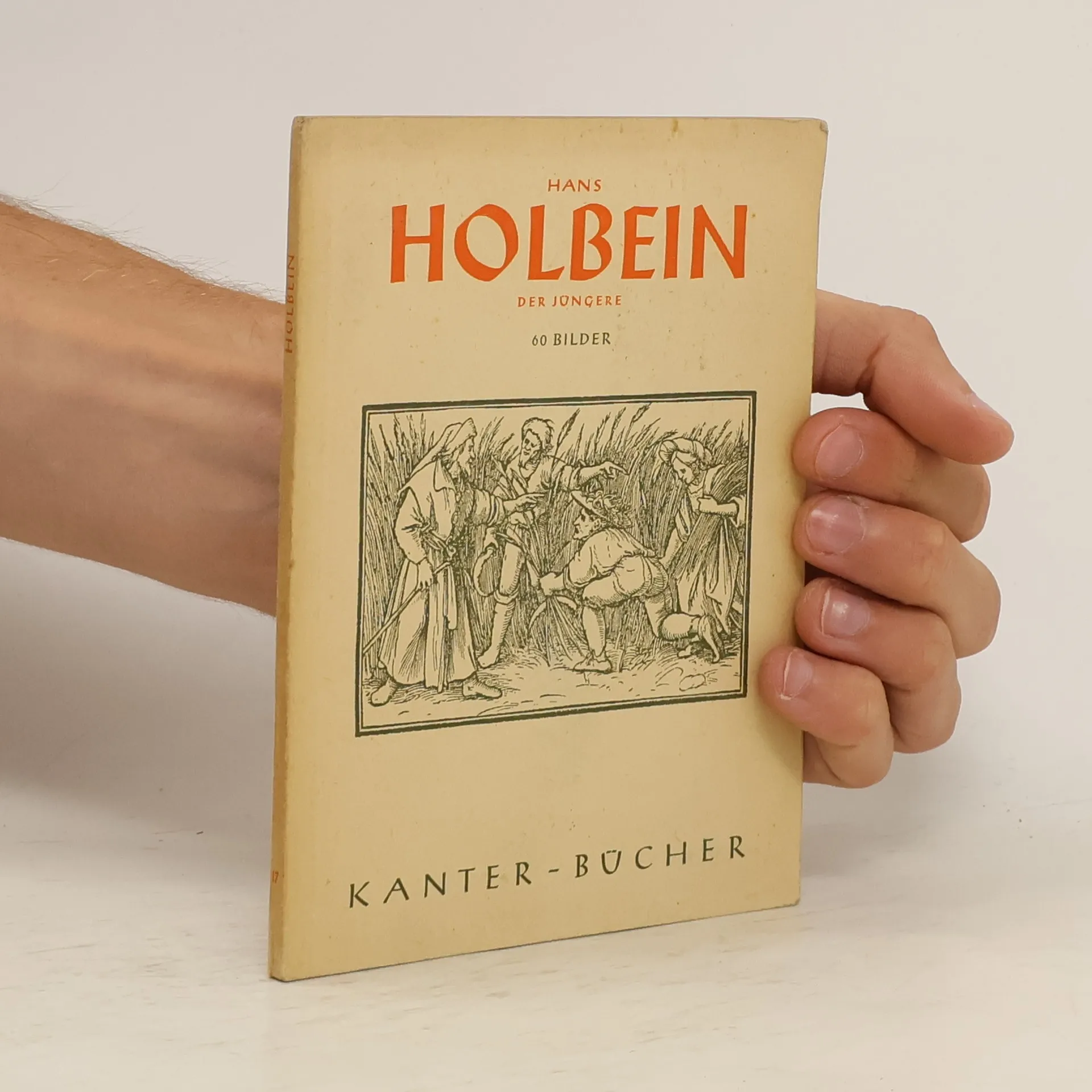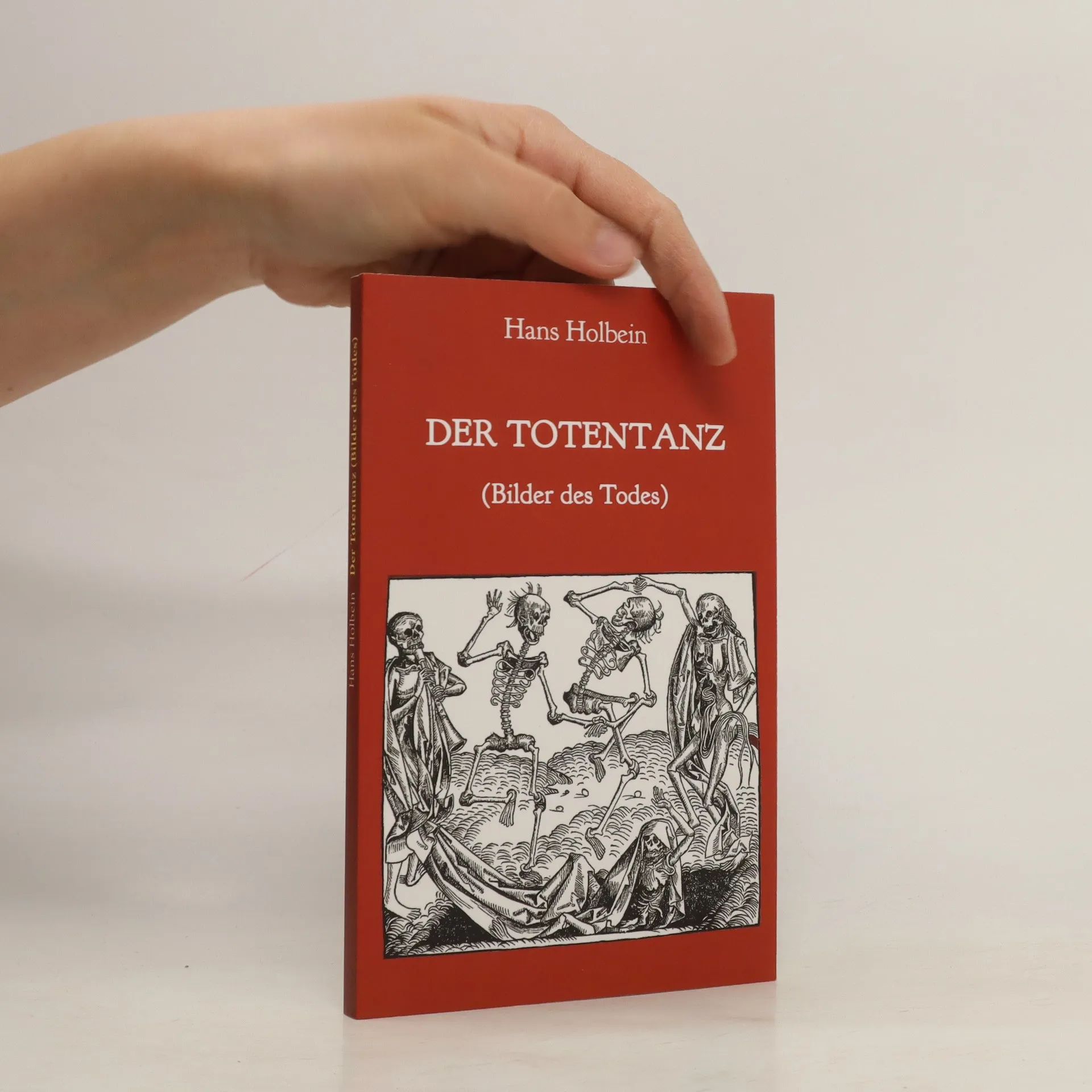
„Tanec smrti" Hanse Holbeina mladšího (1497 – 1543) představuje vrchol formálního a myšlenkového zpracování tématu smrti, které se vyvíjelo od středověku k renesanci. Téma se objevilo ve 14. století ve Francii, kde se začaly objevovat divadelní formy a malby „tance smrti" na hřbitovech a v klášterech. Na konci 15. století se již objevují knižní verze s dřevoryty. Holbein vytvořil své nejslavnější dílo v letech 1524-25 v Basileji, kde byl obeznámen s místními „tanci smrti". Zatímco předchozí umělci zachovávali tradiční ztvárnění, Holbeinovo pojetí je inovativní. Jeho smrtka není pouhým symbolem, ale živou postavou, která interaguje s lidmi jako přítel či nepřítel. Holbeinovo dílo je variací na myšlenku, že „jsme uprostřed života, v objetí smrti", a vyjadřuje klíčové momenty v životě jednotlivce. Dřevoryty vytvořil Hans Lützelburger, a první „zkušební" výtisky byly otištěny již v roce 1526. V roce 1538 bratři Trechselové vydali první datované výtisky v Lyonu. V Čechách vychází toto dílo poprvé, přičemž zachovává hierarchii tehdejší doby. Dva obrazy z „Tance smrti" se nacházejí i na zdi prachatické radnice, dokončené v roce 1571.
Hans Holbein mladší Knihy

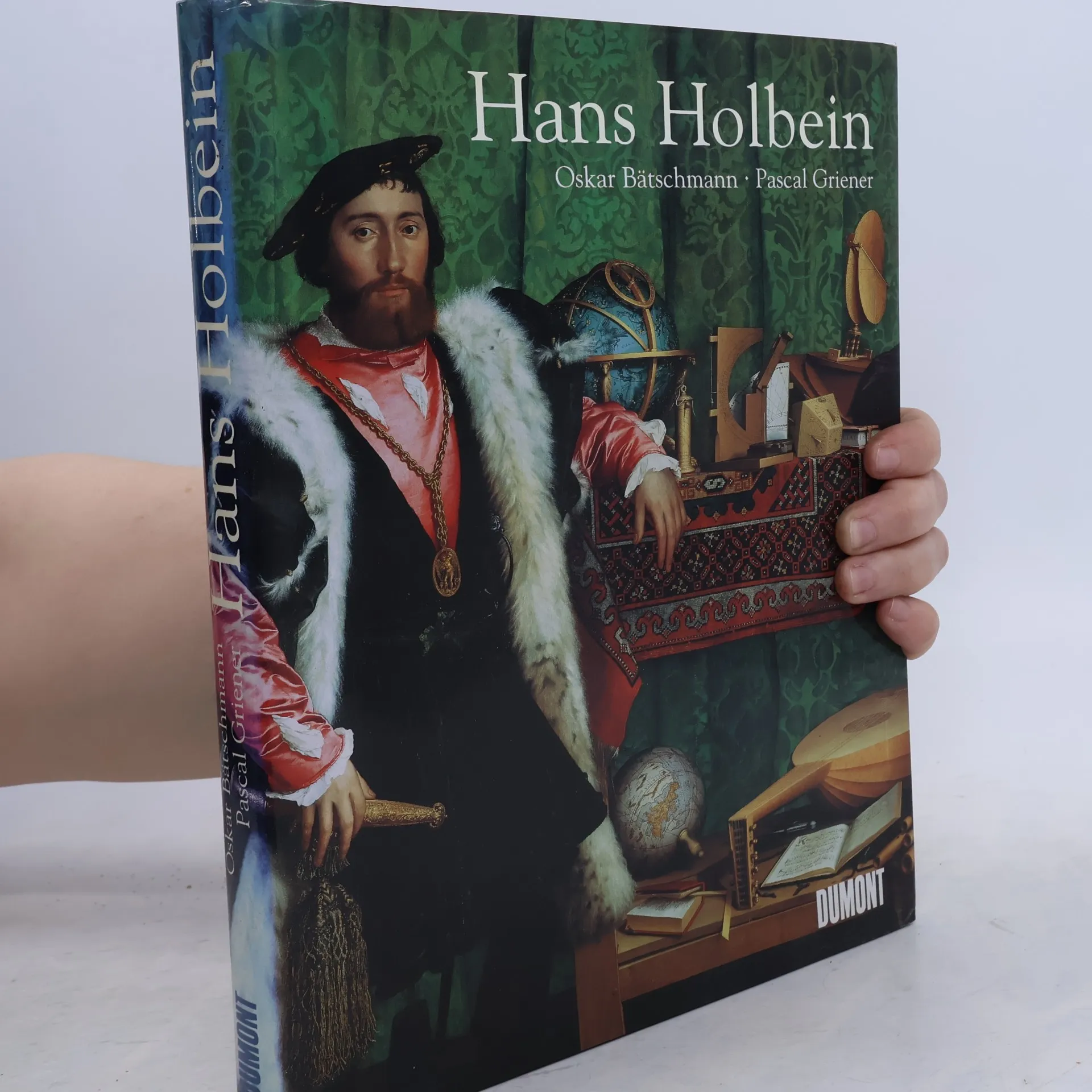
![Hans Holbein: paintings, prints, and reception [proceedings of the symposium "Hans Holbein: Paintings, Prints, and Reception, held 21 - 22 November 1997 in Washington]](https://rezised-images.knhbt.cz/1920x1920/59817549.jpg)


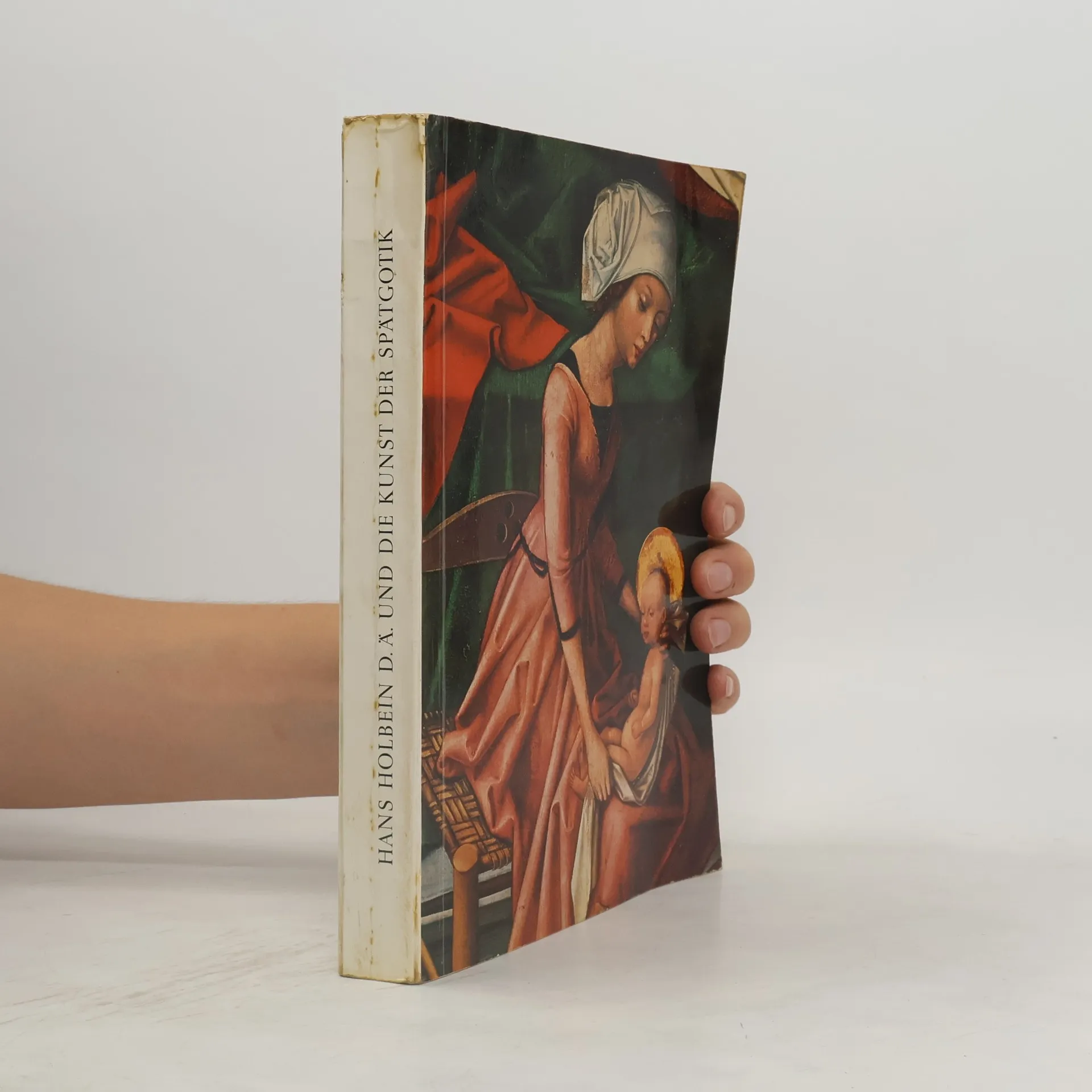
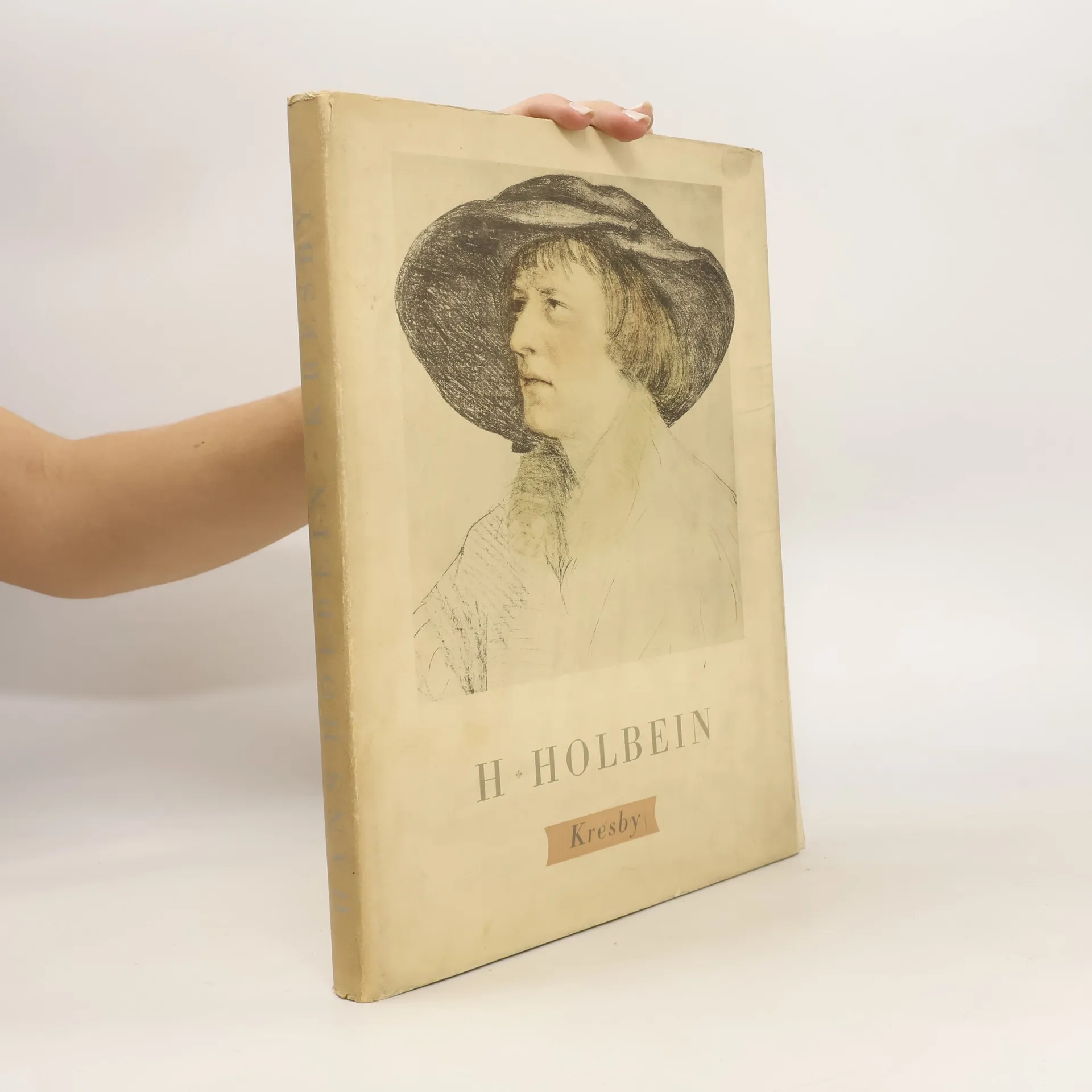
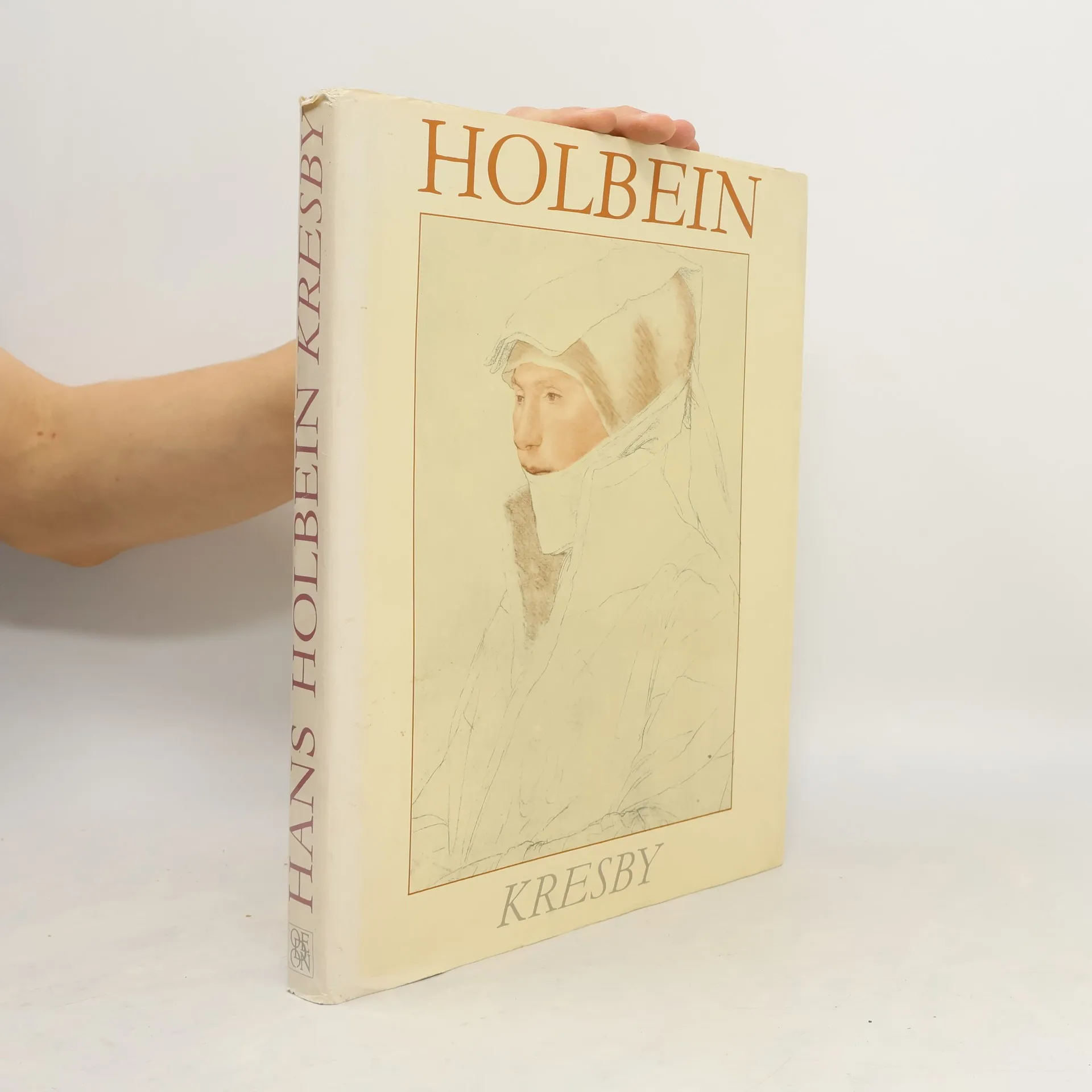
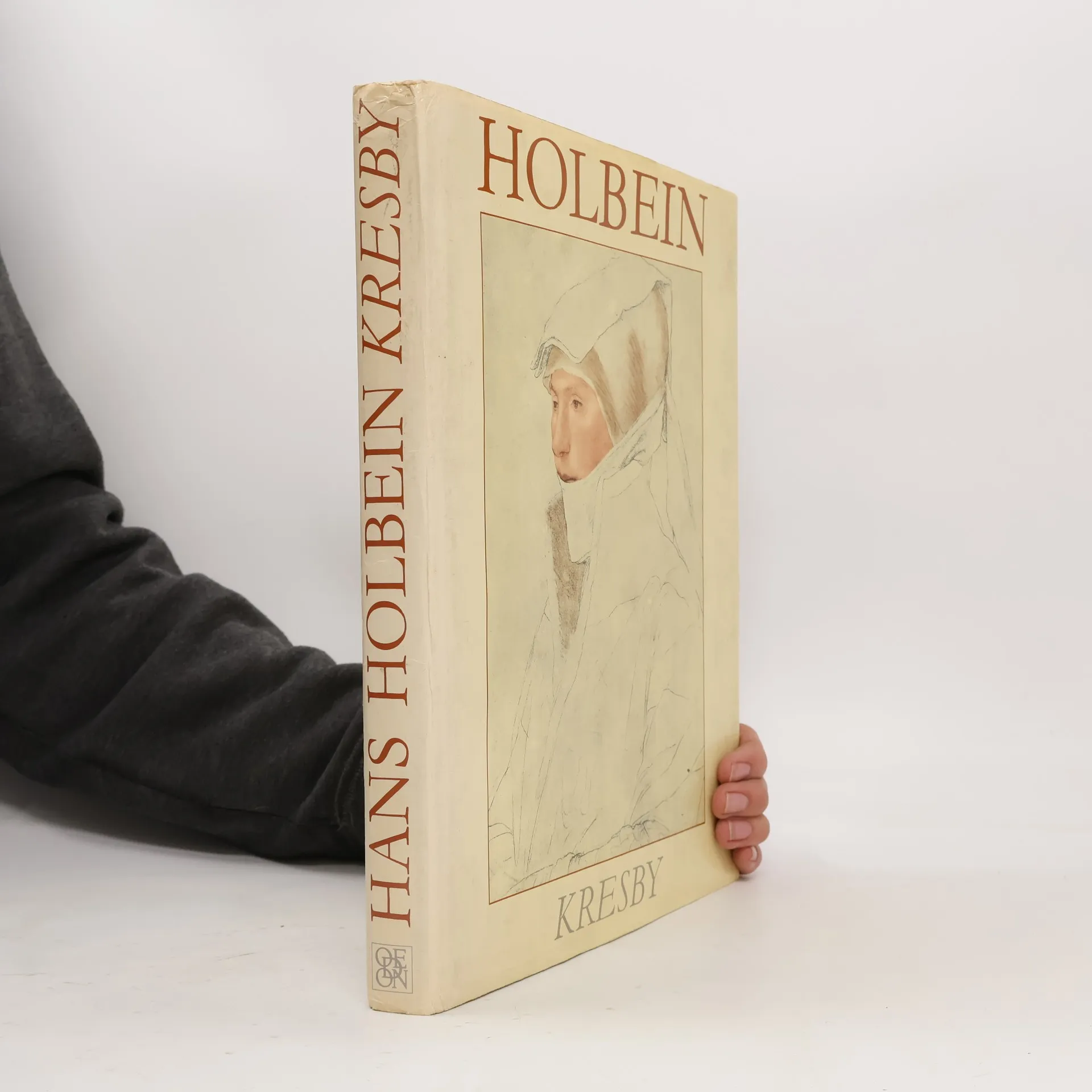
Kresby Hanse Holbeina mladšího, jednoho z největších portrétistů všech dob, patří v umění k nepomíjivým hodnotám. Obrazová část knihy, sestavená z 57 celostránkových světlotiskových reprodukcí, přináší výběr z nejznámějších a nejhodnotnějších Holbeinových kreseb.
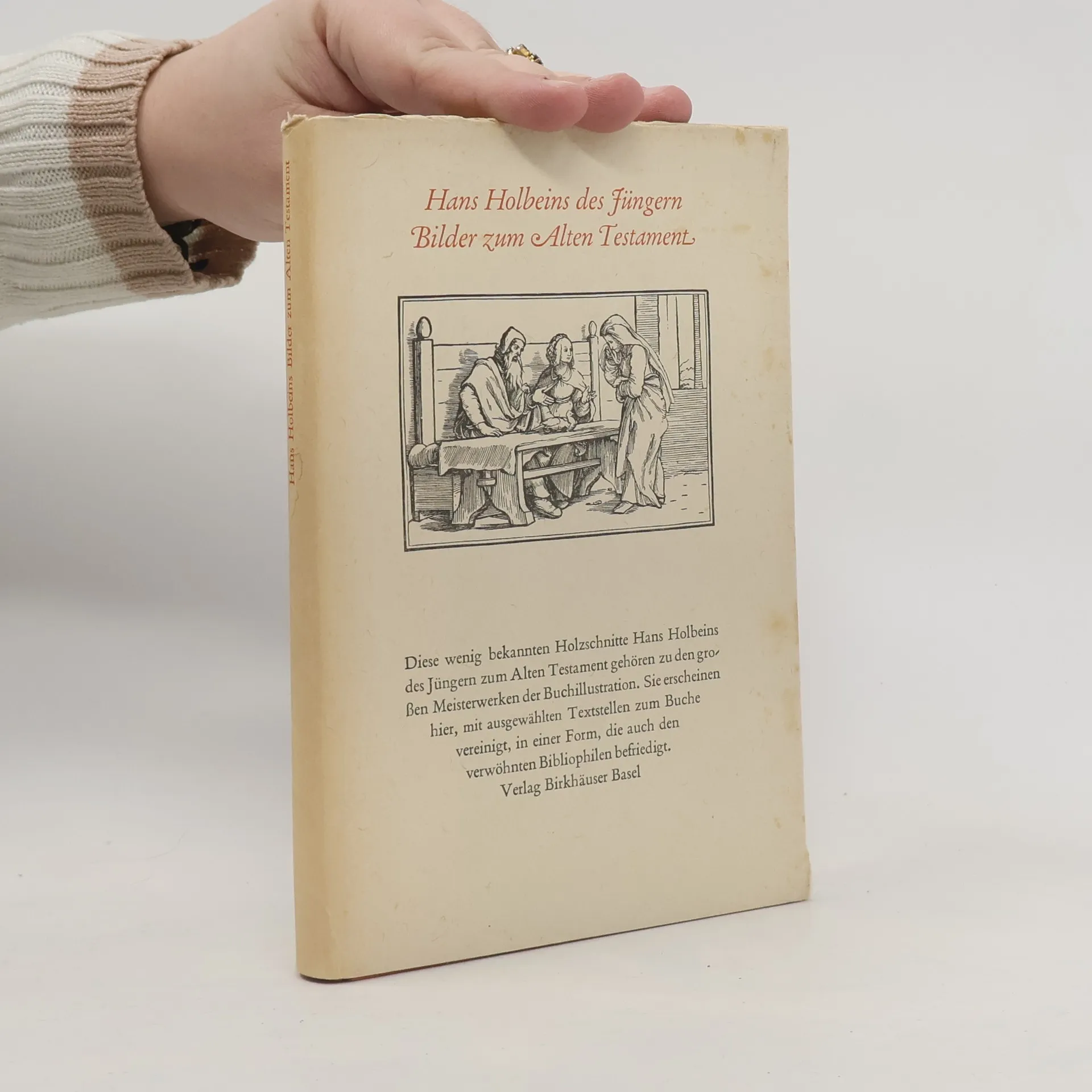
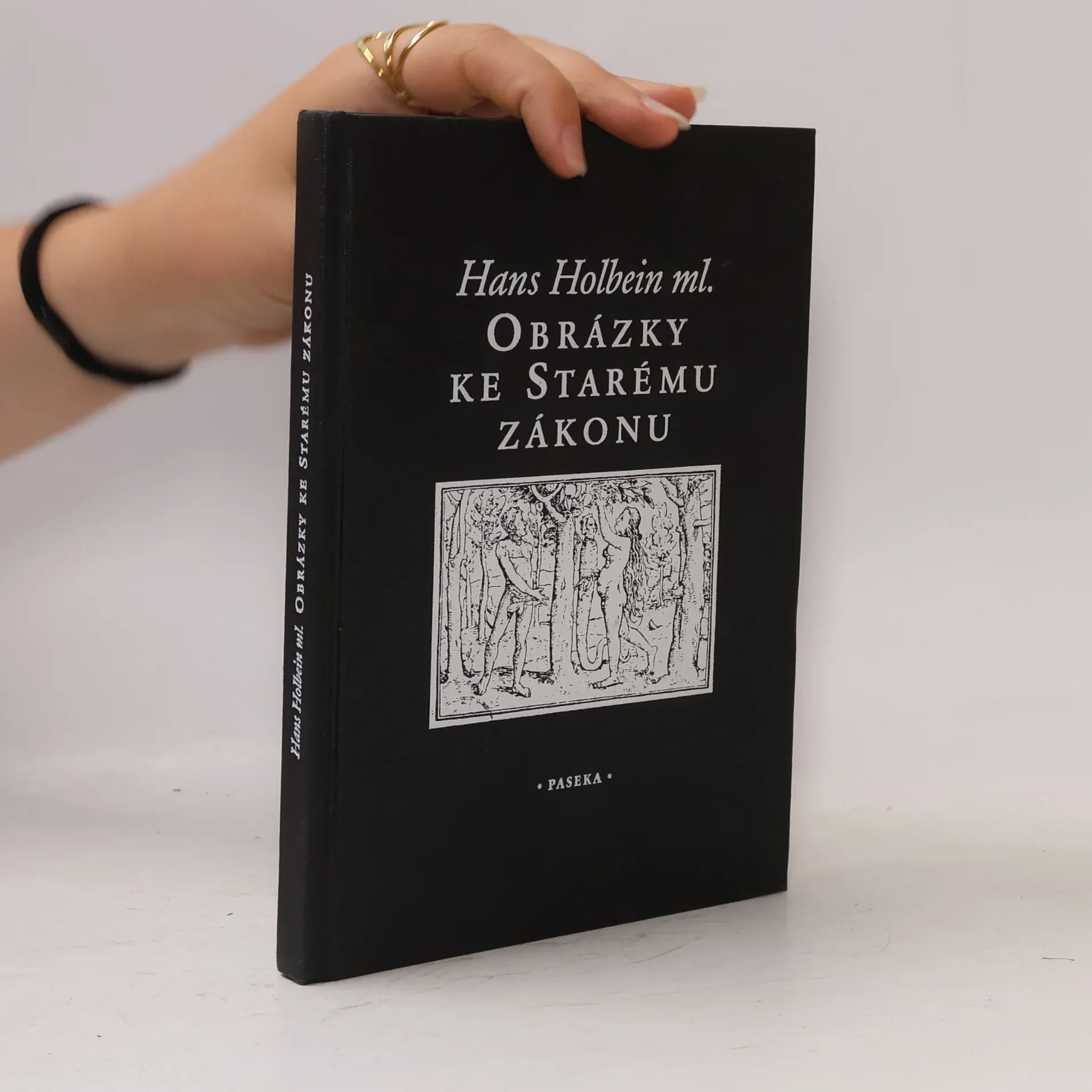
Obrázky ke Starému zákonu
- 126 stránek
- 5 hodin čtení
Publikace přibližuje výtvarný doprovod významného německého renesančního malíře ke Starému zákonu.
This study brings together leading scholars from Europe and the United States to consider the art of Hans Holbein the Younger (1497/98–1543) from a variety of perspectives and disciplines. Generously illustrated and based on the most up-to-date research, the book is essential reading for anyone with an interest in Holbein the Younger and his magnificent art.In chapters relating to artistic exchange, the contributors discuss what Holbein knew of French and Italian art and how he utilized this knowledge. Conservation and technical chapters examine the materials and techniques in the painting The Ambassadors and documentary evidence on a series of festival paintings on canvas. Two contributors examine the artist’s woodcuts, particularly Dance of Death , in the light of contemporary political and theological issues. In addition, the historical and theoretical circumstances and contexts of Holbein’s portraits are investigated, notably their associations with classical antiquity and its revival in humanist thought. The book also considers the impact of the first scholarly monograph on Holbein’s reception and how German Romantic literary art criticism of the early nineteenth century shaped an image of his life and art.Published by the National Gallery of Art, Center for Advanced Study in the Visual Arts / Distributed by Yale University Press
The Dance of Death
- 208 stránek
- 8 hodin čtení
This edition features Holbein's iconic woodcuts from The Dance of Death, showcasing the folly of human greed through dramatic and witty imagery. Accompanied by Ulinka Rublack's insightful essay, it offers a fresh perspective on this medieval theme. A must-have for classic literature enthusiasts.
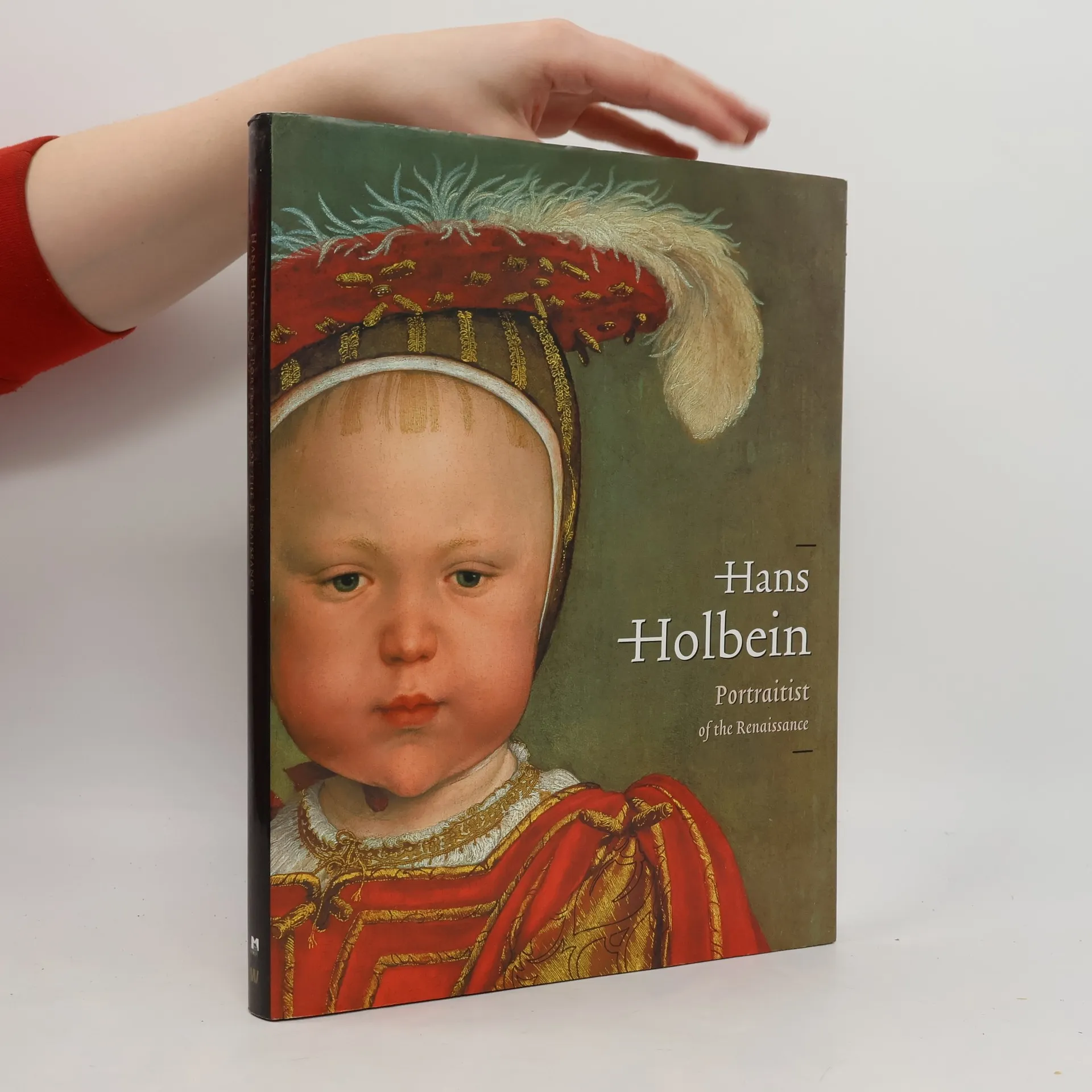
Holbein
the complete paintings
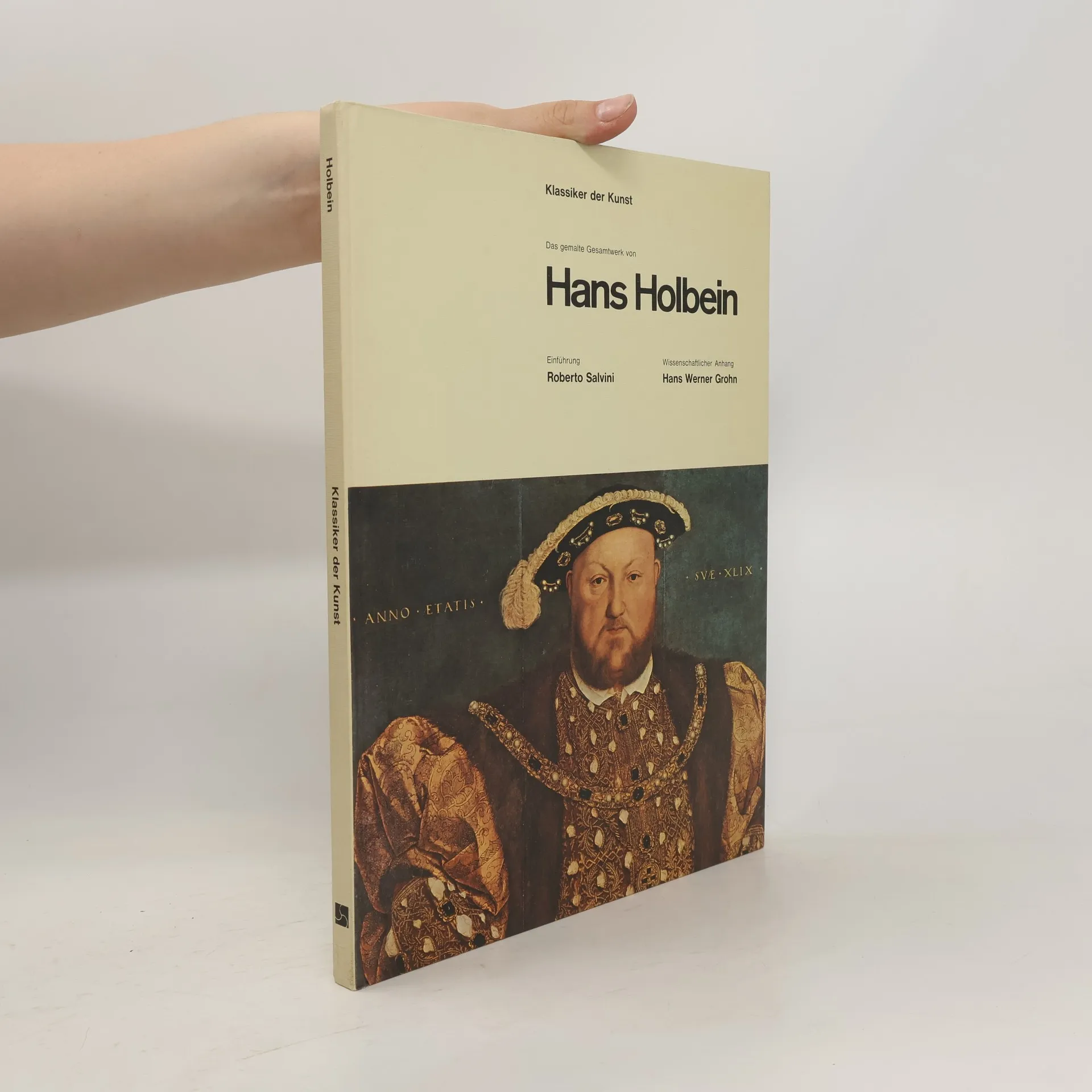
Complete paintings of Holbein. Full page color photos of paintings