

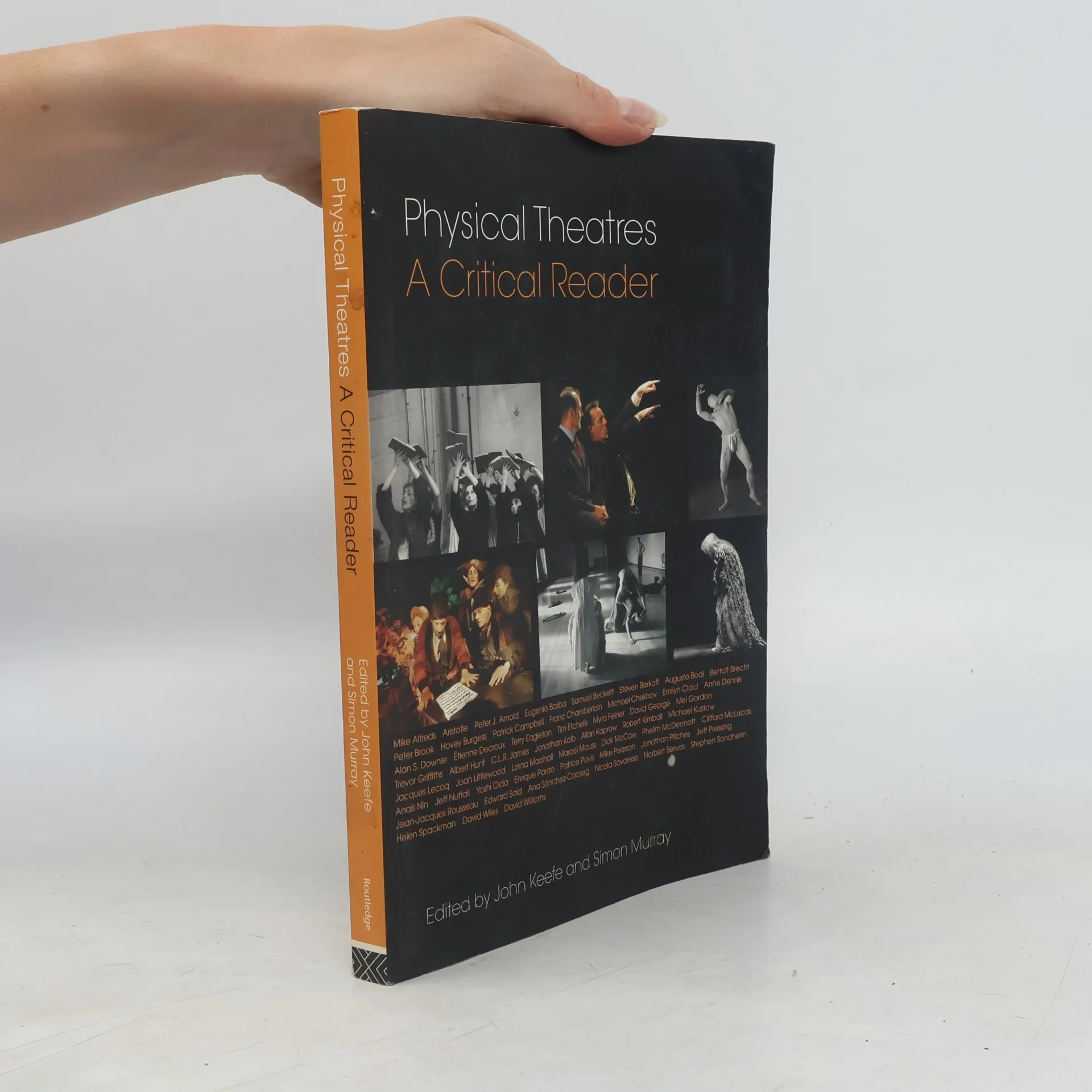
Physical Theatres: A Critical Reader is an invaluable resource for students of physically orientated theatre and performance. This book aims to trace the roots and development of physicality in theatre by combining practical experience of the field with a strong historical and theoretical underpinning.In exploring the histories, cross-overs and intersections of physical theatres, this critical Reader provides:six new, specially commissioned essays, covering each of the book s main themes, from technical traditions to contemporary practises discussion of issues such as the foregrounding of the body, training and performance processes, and the origins of theatre in both play and human cognition a focus on the relationship and tensions between the verbal and the physical in theatre contributions from Augusto Boal, Stephen Berkoff, tienne Decroux, Bertolt Brecht, David George, J-J. Rousseau, Ana Sanchez Colberg, Michael Chekhov, Jeff Nuttall, Jacques Lecoq, Yoshi Oida, Mike Pearson, and Aristotle.
Jacques Lecoq Knihy
Jacques Lecoq byl jedním z nejvlivnějších učitelů fyzického herectví dvacátého století. Jeho pedagogický přístup se zaměřoval na objevování přirozeného pohybu a emocí herce skrze hru s maskou, tělem a prostorem. Lecoq věřil, že herec by měl rozvíjet svou schopnost vnímat a reagovat na svět kolem sebe, čímž vytváří živé a autentické postavy. Jeho škola v Paříži přilákala generace umělců a jeho metody nadále formují moderní divadlo po celém světě.
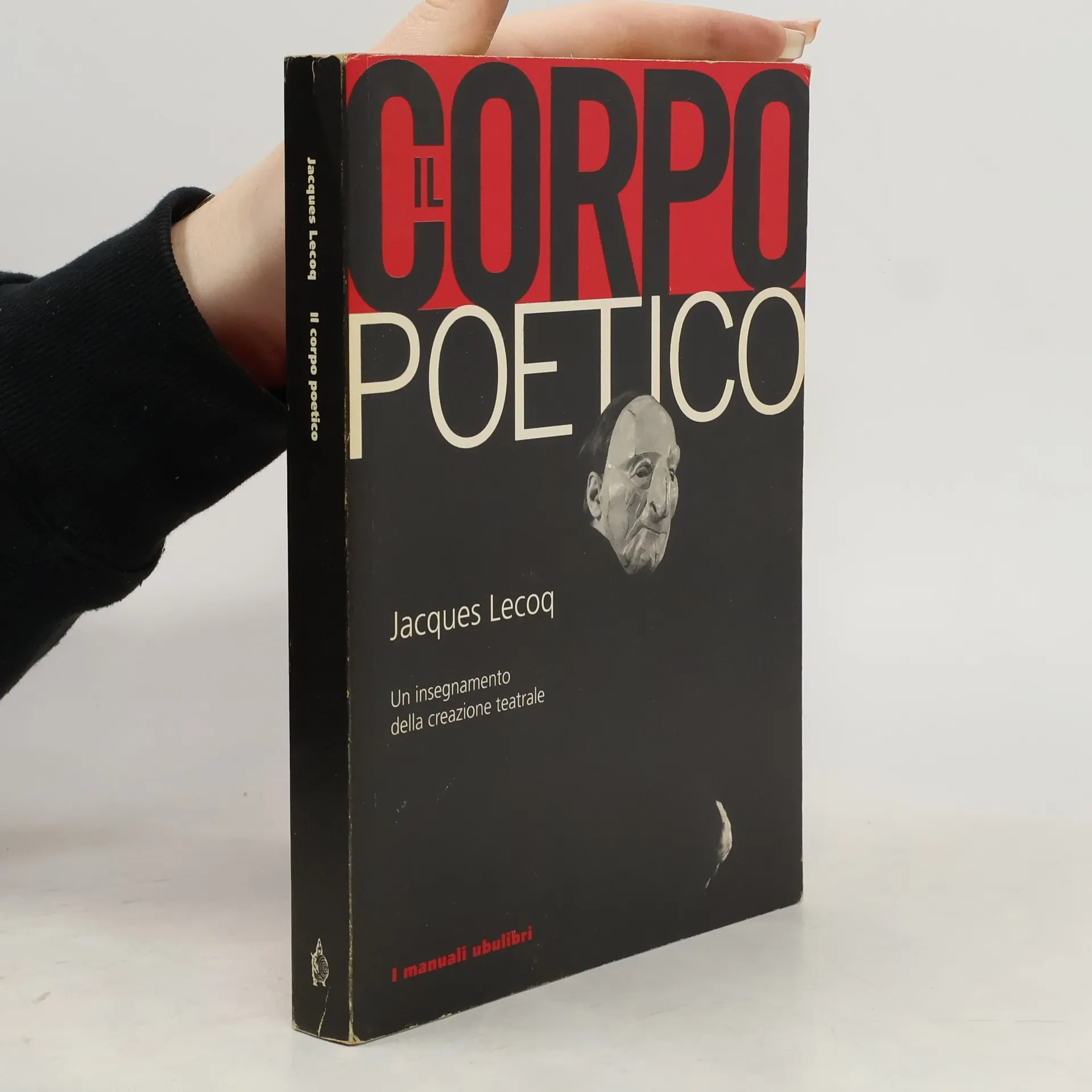
Il corpo poetico
- 188 stránek
- 7 hodin čtení
Jacques Lecoq (1921 - 1999) attore, mimo, pedagogo, ha fondato a Parigi la Scuola Internazionale di Teatro Jacques Lecoq (École Internationale de Théâtre Jacques Lecoq); è considerato uno dei più significativi pensatori del teatro contemporaneo. Lecoq è un poeta dell'insegnamento e il suo unico libro "Il corpo poetico", licenziato nel 1998 dopo quarant'anni di insegnamento, ne è seppur parzialmente - la testimonianza. Né manuale né metodo, esso è piuttosto il tentativo di restituire il senso profondo di una ricerca, di un pensiero, del suo divenire, i suoi dubbi creatori, le sue scoperte, le sue domande. È un libro profondo, scritto in un linguaggio apparentemente semplice, e anche là dove il pensiero è quasi inesprimibile a parole si avverte lo sforzo di cercare la maggior chiarezza possibile. La continua ricerca delle radici della vita, indagate attraverso l'uso del corpo e il movimento - "il movimento con la M maiuscola!" come diceva Jacques -, nutrono il libro e lo rendono vivo al di là del tempo che passa.