The Station
- 290 stránek
- 11 hodin čtení
The Station follows three high-spirited young men as they visit twenty monasteries on Mount Athos in 1927.


Robert Byron byl britský cestovatel a spisovatel, jehož díla jsou ceněna pro své pronikavé postřehy a vytříbený styl. Jeho literární odkaz je silně spjat s cestopisem, v němž zkoumá nejen geografické krajiny, ale i kulturní a architektonické dědictví. Byronův styl se vyznačuje precizním pozorováním a hlubokým porozuměním pro historii a umění. Jeho spisy dodnes inspirují čtenáře svým originálním pohledem na svět a důrazem na krásu a zachování historických památek.


The Station follows three high-spirited young men as they visit twenty monasteries on Mount Athos in 1927.
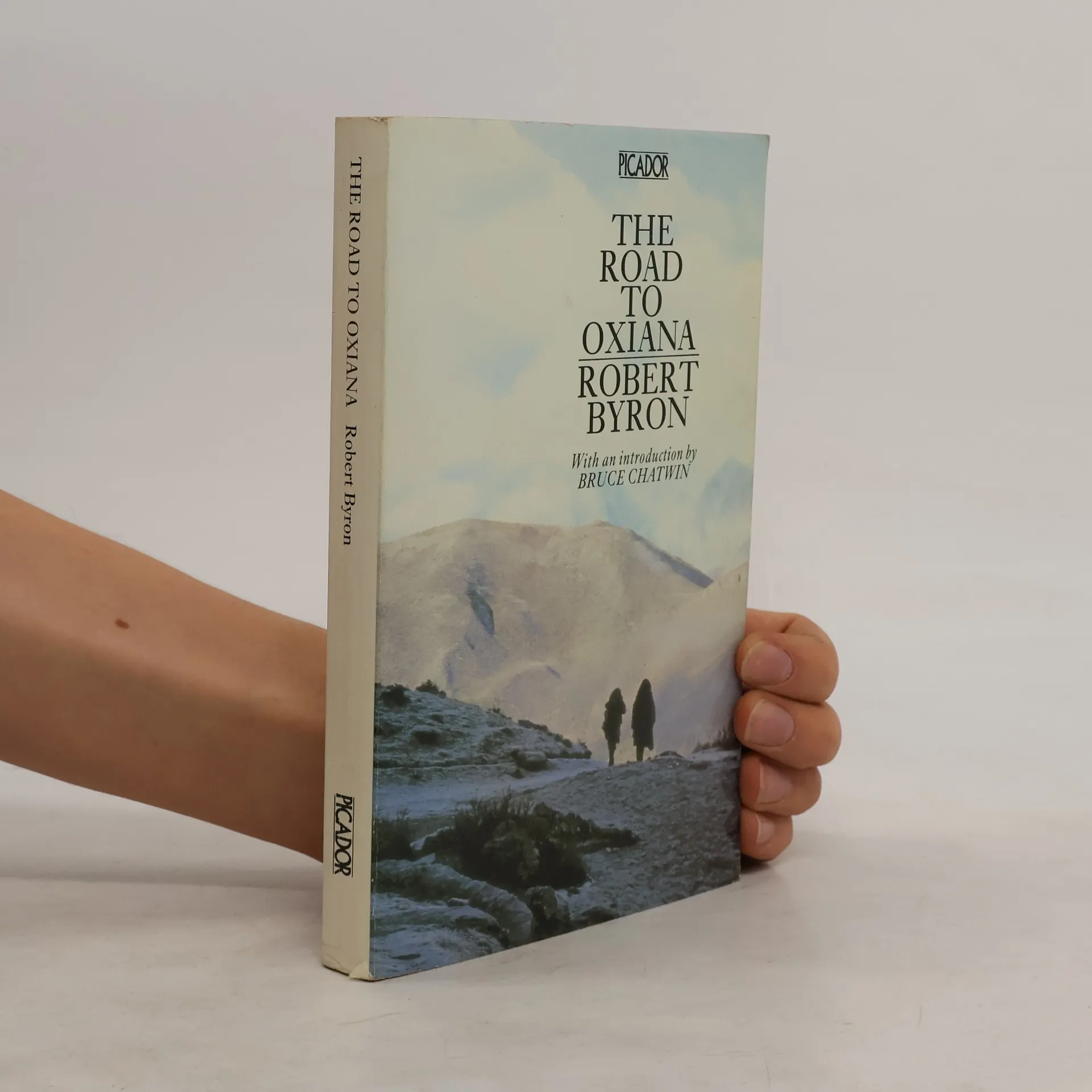
In 1933 the delightfully eccentric Robert Byron set out on a journey through the Middle East via Beirut, Jerusalem, Baghdad, and Teheran to Oxiana-the country of the Oxus, the ancient name for the river Amu Darya which forms part of the border between Afghanistan and the Soviet Union. His arrival at his destination, the legendary tower of Qabus, although a wonder in itself, is not nearly so amazing as the thoroughly captivating, at times zany, record of his adventures. His story would become a best-selling travel book throughout the English-speaking world. When Paul Fussell published his own book Abroad, in 1982, he wrote that The Road to Oxiana is to the travel book what "Ulysses is to the novel between the wars, and what The Waste Land is to poetry." His statements revived the public's interest in the book, and for the first time, it was widely available in American bookstores. Now this long-overdue reprint will introduce Byron's classic to a whole new generation of readers, at a time when interest in the Middle East has never been greater. Book jacket.
A History of Colour, Form and Iconography
Byzantine art is explored as a vital part of the broader narrative of European painting, highlighting its influence on the evolution of artistic styles. This groundbreaking work, first published in 1930, presents scientifically established theories that were previously speculative, making it a significant contribution to the history of European art. The book emphasizes the interconnectedness of artistic movements and the lasting impact of Byzantine aesthetics on later developments in painting.
Aus dem Englischen von Niklas Hoffmann-Walbeck, mit einem Nachwort von Wieland Freund
Auf dem heiligen Berg Athos ist die Zeit seit dem byzantinischen Reich stehen geblieben - von dort berichtet der exzentrische Klassiker der europäischen Reiseliteratur mit scharfer Zunge und britischem Witz. Im Privatabteil eines Nachtzugs durch Frankreich und in der ersten Klasse eines Dampfschiffs von Marseille weiter nach Piräus: Robert Byron reist standesgemäß. Er ist gerade 22 Jahre alt und hat soeben sein erstes Buch veröffentlicht, Europa 1925, für das er sich auf die Grand Tour von London über Deutschland und Italien bis nach Griechenland begeben hat. Noch immer steht er ganz unter dem Bann der Eindrücke seines Reiseziels, der Schätze byzantinischer Kunst in dem Land, das einst Hellas hieß. Mit Freunden aus Oxford bricht er erneut auf und reist diesmal auf die Athos-Halbinsel, das spirituelle Herz des orthodoxen Christentums
Der Weg nach Oxiana ist Byrons Klassiker. Das Buch seiner ersten Reise haben wir noch nie gelesen. »Diana« tauften drei junge, gebildete Snobs ihren Tourenwagen Marke Sunbeam und machten sich am 1. August 1925 auf den Weg – von Grimsby im nordwestlichen England über Oxford, London nach Hamburg und durch Deutschland nach Athen. Italien und das klassische Griechenland hatten sie als Ziel vor Augen, eine Variante der traditionellen »grand tour« – dazu Alltagsleben. Unter den drei Dandys ein Nach-komme von Lord Byron, der gerade 21-jährige Robert Byron, der 1937 sein viel gerühmtes Reisebuch Der Weg nach Oxiana veröffentlichen wird. Bereits sein erstes Buch Europe in the Looking Glass von 1926, das nun erstmals ins Deutsche übertragen vorliegt, macht Byrons bemerkenswerte Begabung sichtbar: die Kenntnis von Geschichte und Architektur, seine scharfsinnige Beobachtung von Land und Leuten, seine Ausdruckskraft, seinen Stilwillen und die selbstsichere Urteilskraft.
Inhaltsverzeichnis: ADAM VON TROTT ZU SOLZ / Ein böser Traum. Mit Nachbemerkung von Benigna von Krusenstjern S. 5 ROBERT BYRON / Nürnberg 1938. Mit Vorbemerkung von Niklas Hoffmann-Walbeck S. 10 UTA GOSMANN / Die weiße Seite. Gedichte S. 35 CÉCILE WAJSBROT / Verlorene Generation oder Die Macht der Namen S. 37 AGI MISHOL / Schutzraum. Gedichte S. 50 NIKOLA MADZIROV / Poesie der Unzugehörigkeit S. 55 ALEKSANDAR TIŠMA, ACHIM ENGELBERG / Nachruf auf eine kosmopolitische Stadt. Gespräch über Novi Sad und das Schreiben als Obsession S. 59 ALEXANDRU BULUCZ / Symbolische Gleichung. Gedichte S. 71 GABRIELA ADAMEŞTEANU / Die geheime Villa S. 73 MIRCEA CĂRTĂRESCU / Schwarzer Regenbogen. Gedichte. Mit Nachbemerkung von Ernst Wichner S. 80 KLAUS-JÜRGEN LIEDTKE / Lapponia S. 90 AGNE ŽAGRAKALYTĖ / Akropolis. Gedichte S. 98 BENJAMIN FRANKLIN / Das Wörterbuch des Trinkers. Mit Vorbemerkung von Jürgen Overhoff S. 101 CHRISTA BÜRGER / Spröde Individualitäten. Zu Friederike Helene Ungers »Bekenntnissen einer schönen Seele« S. 111 IRIS RADISCH / Die Wand des Lebens und der Literatur. Abschied von Martin Walser S. 121 JÖRG AUFENANGER / Antonin Artaud in Berlin 1930–32 S. 124 SARA RUKAJ / Man darf auch bei Winzigkeiten nicht dumm sein. Über Markus Werner S. 130 SEBASTIAN GUGGOLZ / Akustik und Magie. Über Gisela von Wysocki S. 132 HARTMUT HABERLAND, PETER EISENBERG / Lars Gustafsson – auf der Suche nach gutem Deutsch S. 136 ANMERKUNGEN S. 142 Website