In "Warum existieren wir?" untersucht Stephen Hawking fundamentale Fragen des Seins, wie die Existenz des Universums und die besonderen Gesetze, die es regieren. Das Buch bietet anregende und kühne Antworten auf die letzten Fragen des Lebens und des Universums.
Leonard Mlodinow Pořadí knih (chronologicky)
26. listopad 1954
Leonard Mlodinow je fyzik a autor, jehož díla plynule proplétají složitost vědy s lidskou zkušeností. Jeho psaní, hluboce ovlivněné jeho vlastní zkušeností s přežitím holocaustu a fascinací kvantovou mechanikou, zkoumá fundamentální otázky existence a povahy reality. Mlodinow se vyjadřuje jasným a přístupným stylem, který umožňuje čtenářům orientovat se v komplexních konceptech a nacházet hlubší významy v našem vesmíru. Jeho jedinečná perspektiva nabízí podnětné pohledy na vědecké poznání a jeho místo v lidském životě.



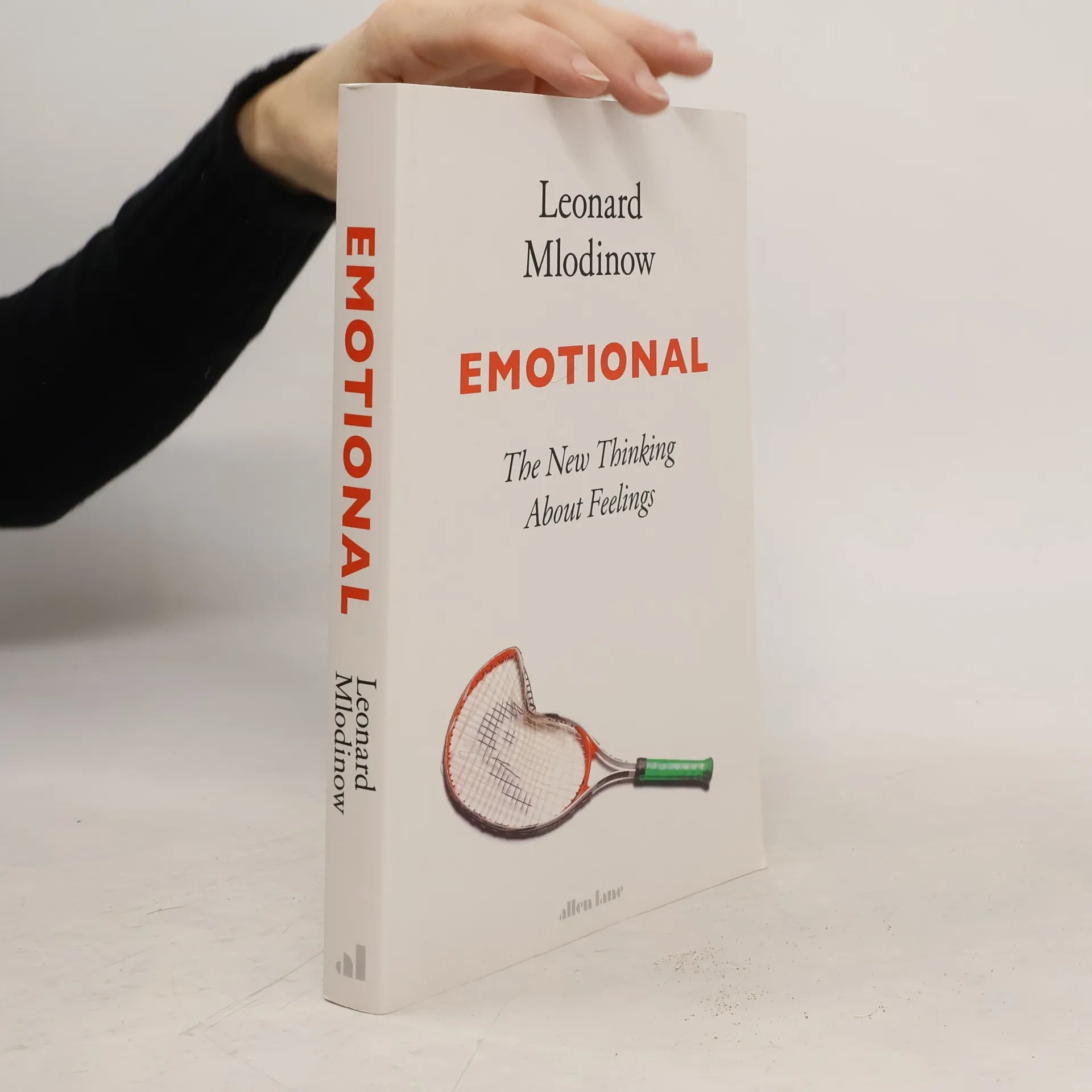
What are emotions? Where do they come from and how do they affect us? How can we control them? For most of human history, our emotions were thought to be a small set of crude states. Someone was angry, or they were sad; they were fearful or they were happy. It was believed that each only caused specific behaviours - the sad would cry, and the happy would laugh. And there was sense that these things called emotions were fundamentally at odds with our reason and logic; that feelings were passionate, unruly and got us in to trouble. But over the last decade, a revolution in science's understanding of the brain has led to a fundamental re-evaluation of the role feelings play in our day-to-day lives. Via maps of the mind, electromagnetic fields, and depression-easing phone apps, acclaimed author and scientist Leonard Mlodinow explores how our emotions are born, the role they play in forming our thoughts and decisions, and how we can harness our feelings to thrive in the modern world. Shot through with wit, lucid insight and extraordinary personal experience, Emotional is at once the definitive guide to the new science of feeling, as well as powerful call to rethink treatment for mental illness, our understanding of personal relationships, and ultimately our view of ourselves.
Stephen Hawking: Paměti o přátelství a fyzice
- 264 stránek
- 10 hodin čtení
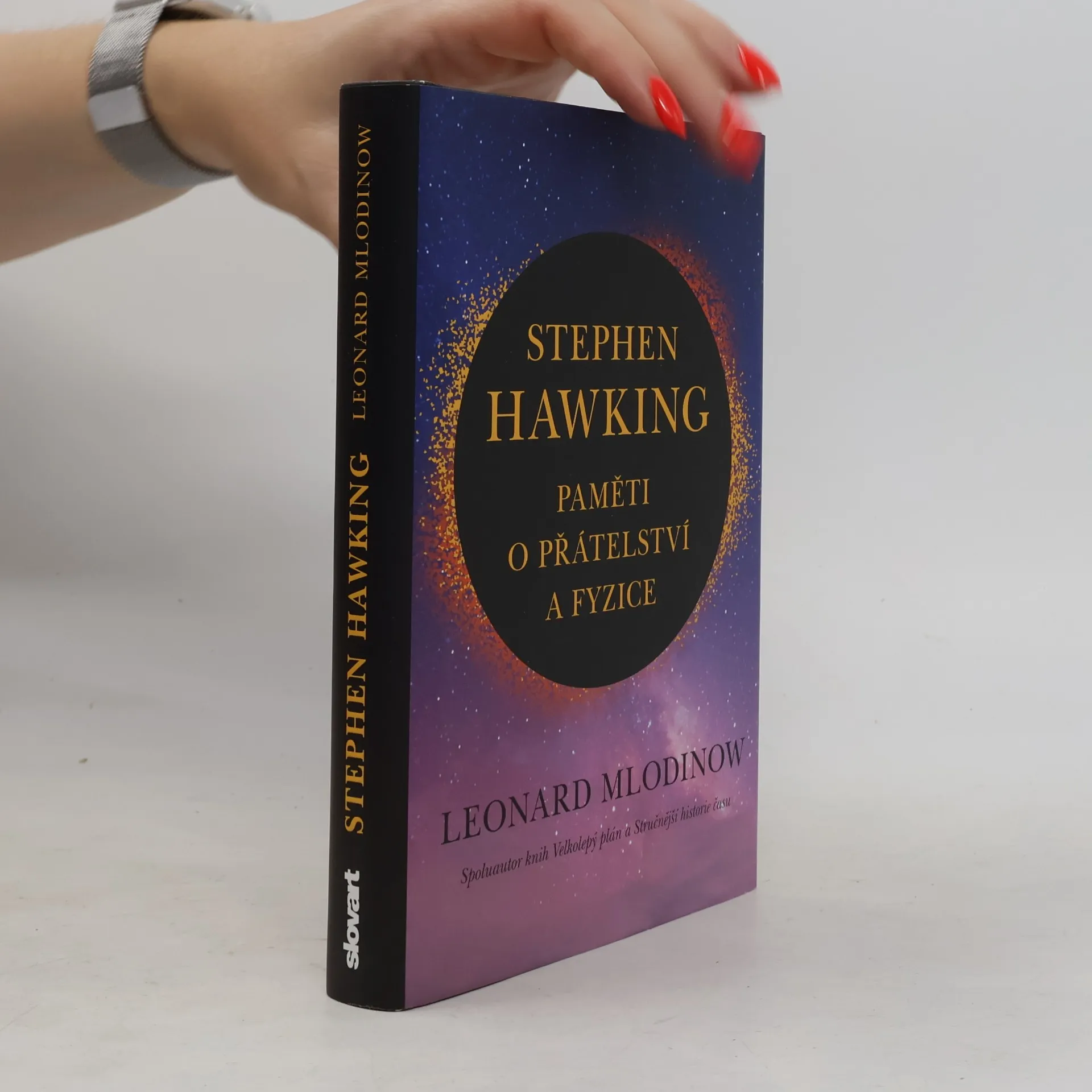
Stephen Hawking byl jedním z nejvýznamnějších fyziků naší doby, který ovlivnil životy milionů lidí. Fyzik a spisovatel Leonard Mlodinow ve své nové knize nabízí unikátní a nanejvýš osobní portrét jedinečného muže, s nímž téměř dvě desetiletí spolupracoval na různých knihách a se kterým ho pojilo vřelé přátelství. Setkáváme se s Hawkingem jako s géniem, který se zaměřuje na odhalení záhad vesmíru a nakonec formuluje průkopnickou teorii černých děr, jež znovu rozvíří vody kosmologie a odkryje zcela nové cesty fyzikům zkoumajícím původ vesmíru. Setkáváme se také s Hawkingem jako kolegou, jemuž jeho nemoc umožňuje komunikovat rychlostí pouze šesti slov za minutu, ale který nikdy nezapomene do těchto rozhovorů začlenit i humor. A setkáváme se s Hawkingem také jako s přítelem, který toho dokáže tolik říct pouhým úsměvem nebo jen zvednutím obočí. Modinow nás seznámí s Hawkingovou vášní pro víno a karí, zasvětí nás do jeho vztahu k lásce, smrti a zdravotnímu postižení, nevyhýbá se ani hlubokým otázkám filozofie a fyziky. Ať už líčí Hawkingovu oddanost práci, nebo barvitě popisuje příběh o tom, jak se Hawking vzdorovitě vymočil u keře na dvorku restaurace, která neměla bezbariérovou toaletu, vždy dokáže skvěle zachytit jeho nezkrotného ducha. Příběh hlubokého přátelství, který máte před sebou, vás naučí mnohé nejen o povaze a užitečnosti fyziky, ale také o životě a schopnostech lidí překonat ty nejtěžší překážky.
Elastic
- 272 stránek
- 10 hodin čtení
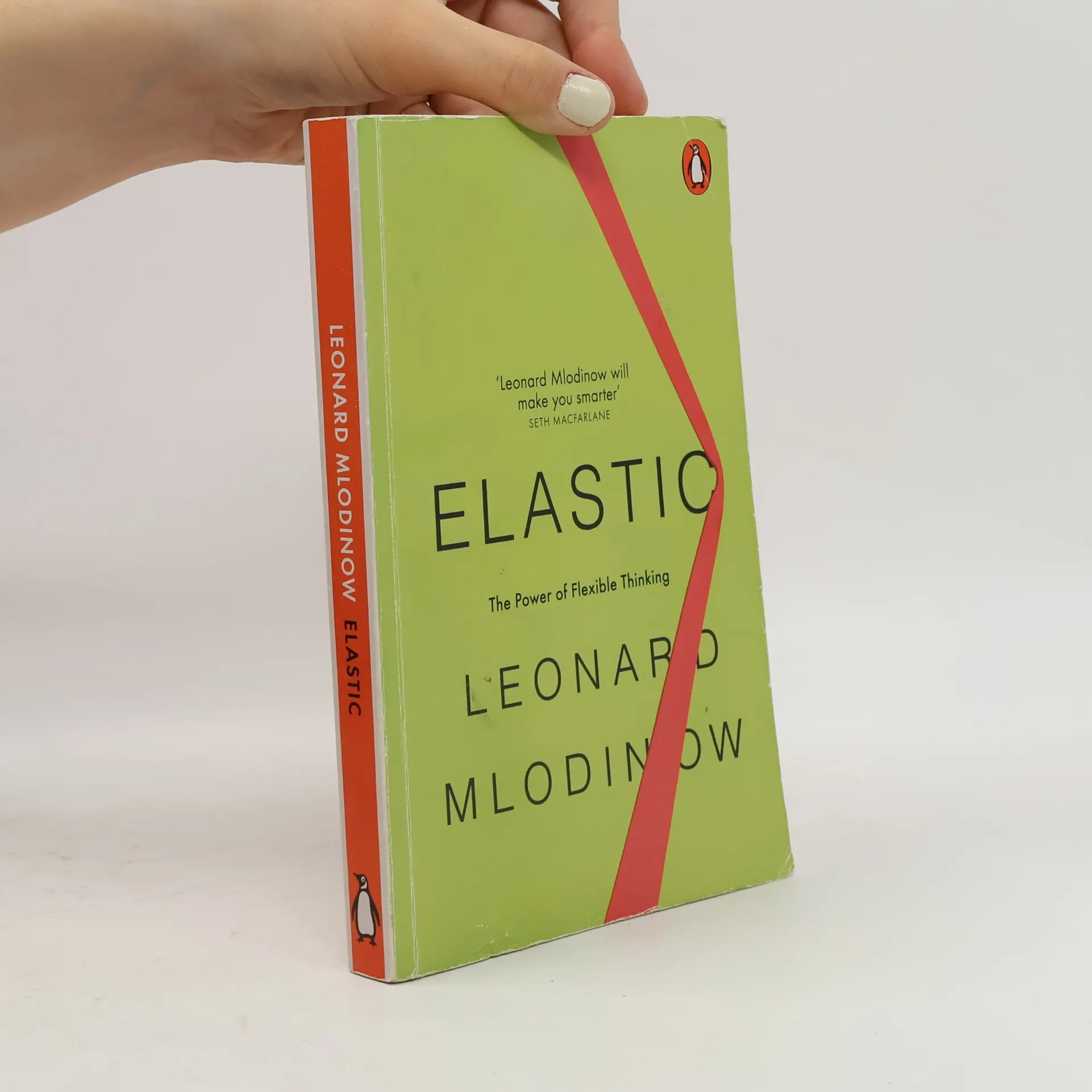
What do Pokemon Go and Mary Shelley's Frankenstein have in common? Why do some businesses survive, and others fail at the first sign of change? What gives the human brain the edge over computers? The answer- Elastic Thinking. It's an ability we all possess, and one that we can all learn to hone in order to succeed, at work and in our everyday lives. Here Mlodinow, whose own flexible thinking has taken him from physics professor to TV scriptwriter and bestselling author, takes us on a revelatory exploration of how elasticity works. He draws on cutting-edge neuroscience to show how, millennia ago, our brains developed an affinity for novelty. He discovers how flexible thinking enabled some of the greatest artists and innovators to create paradigm shifts. He investigates the organisations that have demonstrated an elastic ability to adapt to new technologies. And he shows you how you can test your brain power.
The upright thinkers
- 352 stránek
- 13 hodin čtení
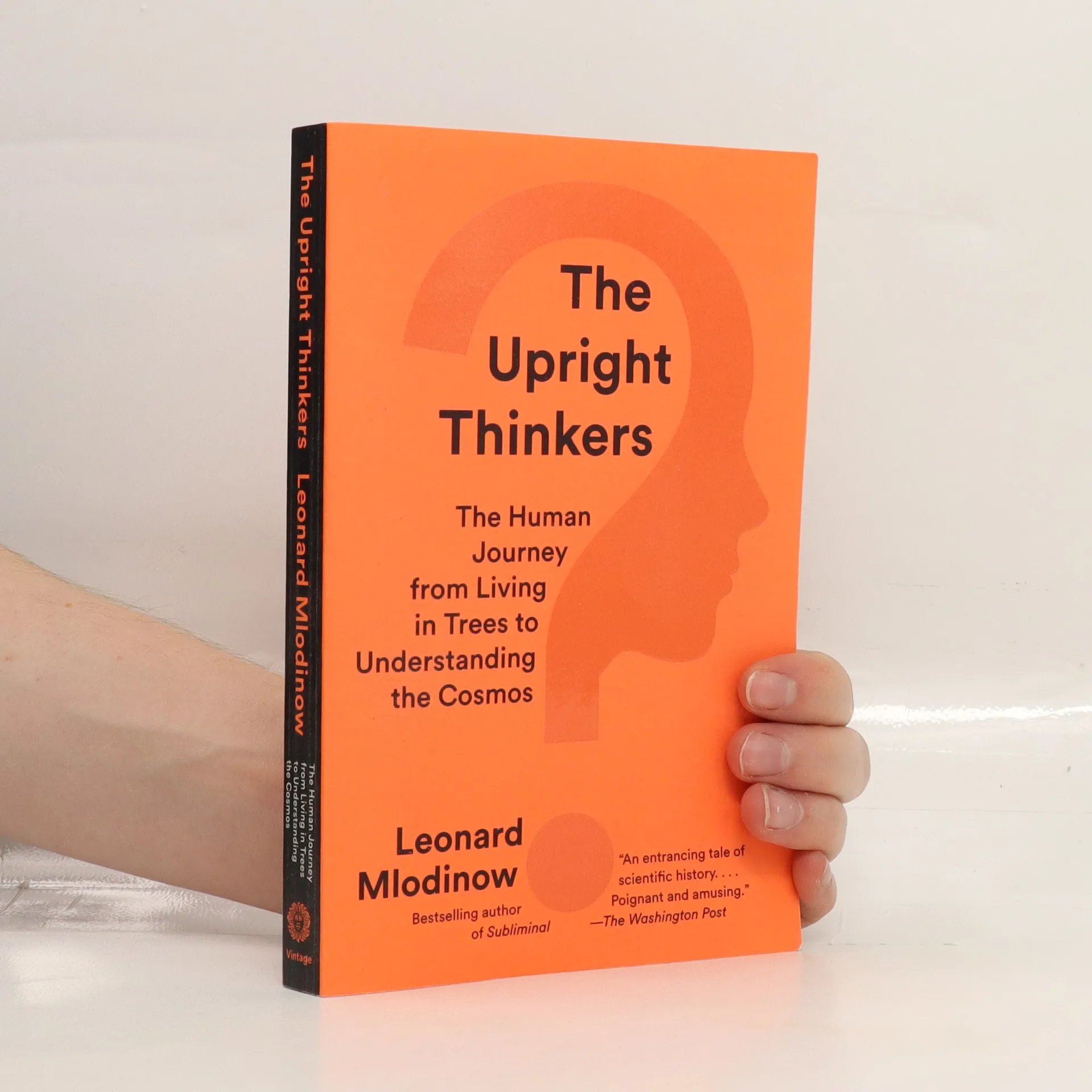
How did a near-extinct species, eking out a meager existence with stone axes, become the dominant power on earth, able to harness a knowledge of nature ranging from tiny atoms to the vast structures of the universe? Leonard Mlodinow takes us on an enthralling tour of the history of human progress, from our time on the African savannah through the invention of written language, all the way to modern quantum physics. Along the way, he explores the colorful personalities of the great philosophers, scientists, and thinkers, and traces the cultural conditions—and the elements of chance—that influenced scientific discovery. Deeply informed, accessible, and infused with the author’s trademark humor and insight, The Upright Thinkers is a stunning tribute to humanity’s intellectual curiosity and an important book for any reader with an interest in the scientific issues of our day.
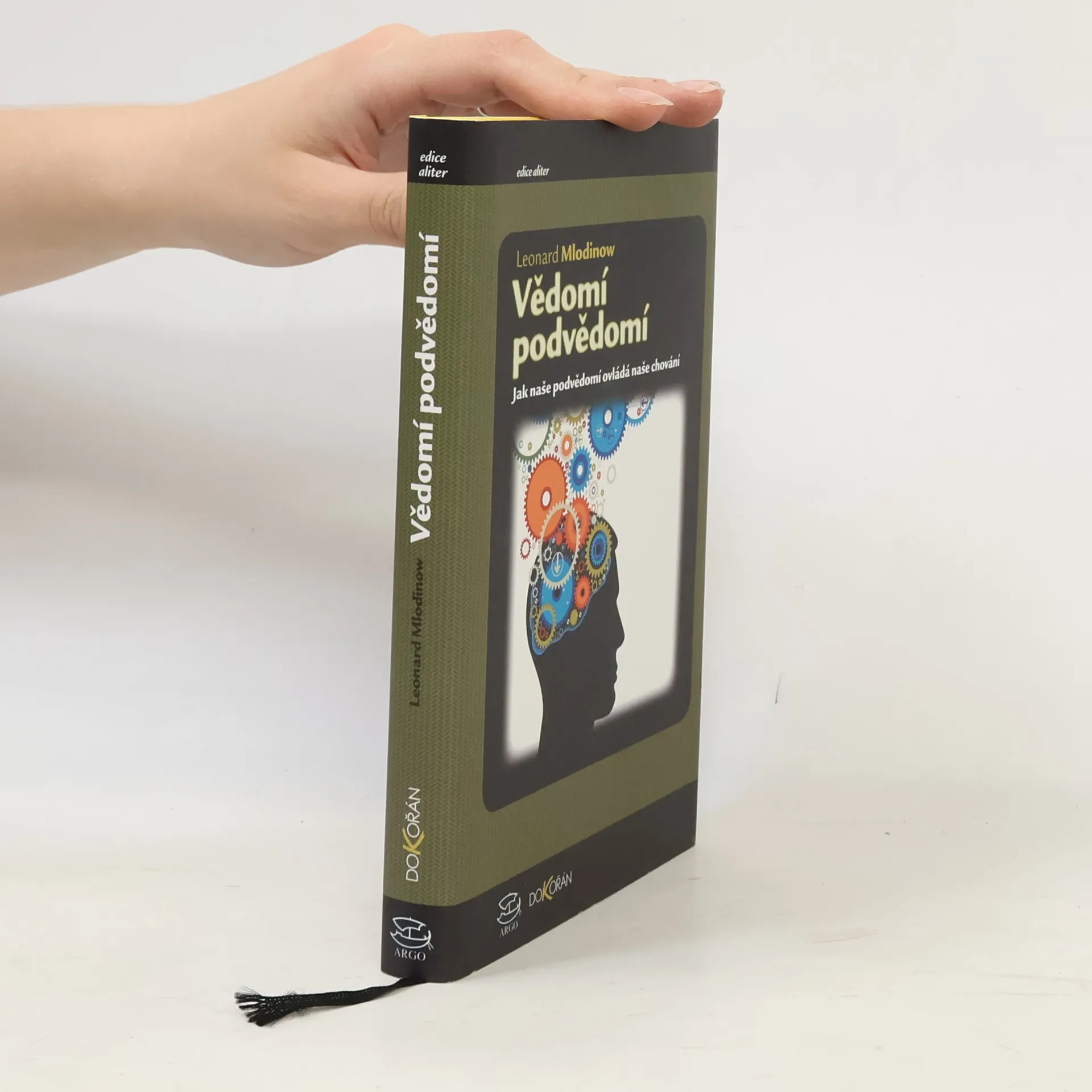
Jak naše podvědomí ovládá naše chování. Podobně jako ve své předchozí knize Život je jen náhoda se Leonard Mlodinow věnuje opět fenoménům, které známe ze své každodenní zkušenosti, ale nemáme je tak docela ve své moci. Hlavním objektem jeho zájmu je lidský mozek – zabývá se jeho stavbou, vývojem, funkcemi, které plní jednotlivé jeho části, a především tím, jak mozek zpracovává smyslové podněty a reaguje na ně. Svou knihu Mlodinow věnuje především nevědomým pochodům, které v lidské psychice probíhají, tomu, jak ovlivňují naše vnímání, uvažování, jednání a rozhodování. Ukazuje mimo jiné, jak nás dokážou klamat naše vlastní smysly a že automatické či neuvědomované procesy v mozku jsou mnohem častější, než si myslíme.
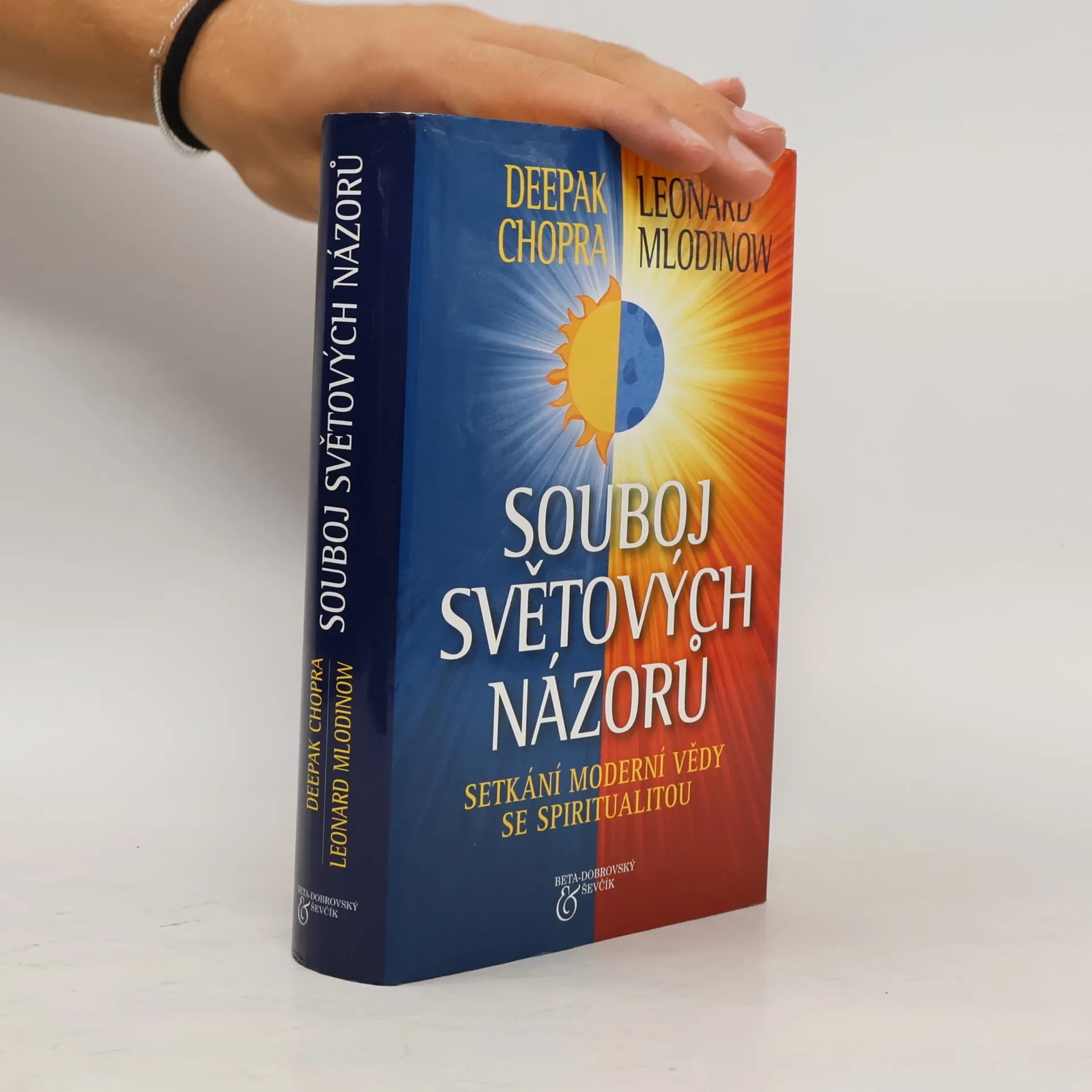
Kniha Souboj světových názorů nabízí poučenou a hlubokou debatu věnující se častým střetům duchovních a vědeckých přístupů k porozumění realitě světa. V tomto po dlouhá staletí trvajícím sporu, jehož závěr je pochopitelně v nedohlednu, bývaly mnohdy užívány mnohem „pádnější“ či hrubší argumenty, než jen poklidná výměna názorů, s níž se setkáváme v této knize. Lékař Deepak Chopra a fyzik Leonard Mlodinow nabízejí čtenářům řadu úvah a snadno srozumitelných výkladů rozličných zásadních otázek, podstatných pro formulaci světového názoru: od podstaty mysli a vědomí přes problematiku vývoje života až po Boha a úlohu našeho mozku.
Hawking a Mlodinow ve své knize přístupným esejistickým stylem hledají odpověď na otázky, které připomínají spíše filozofické pojednání než kosmologický výklad: Proč jsme na světě? Proč vlastně vůbec něco existuje? Jak to, že je vesmír tak přesně vyladěn, že je možné, abychom v něm mohli žít? A nestojí za tím nějaký velký záměr svrchovaného tvůrce? Tyto základní otázky o podstatě vesmíru a samotné existence pojednávají za pomoci nejnovějších fyzikálních poznatků.
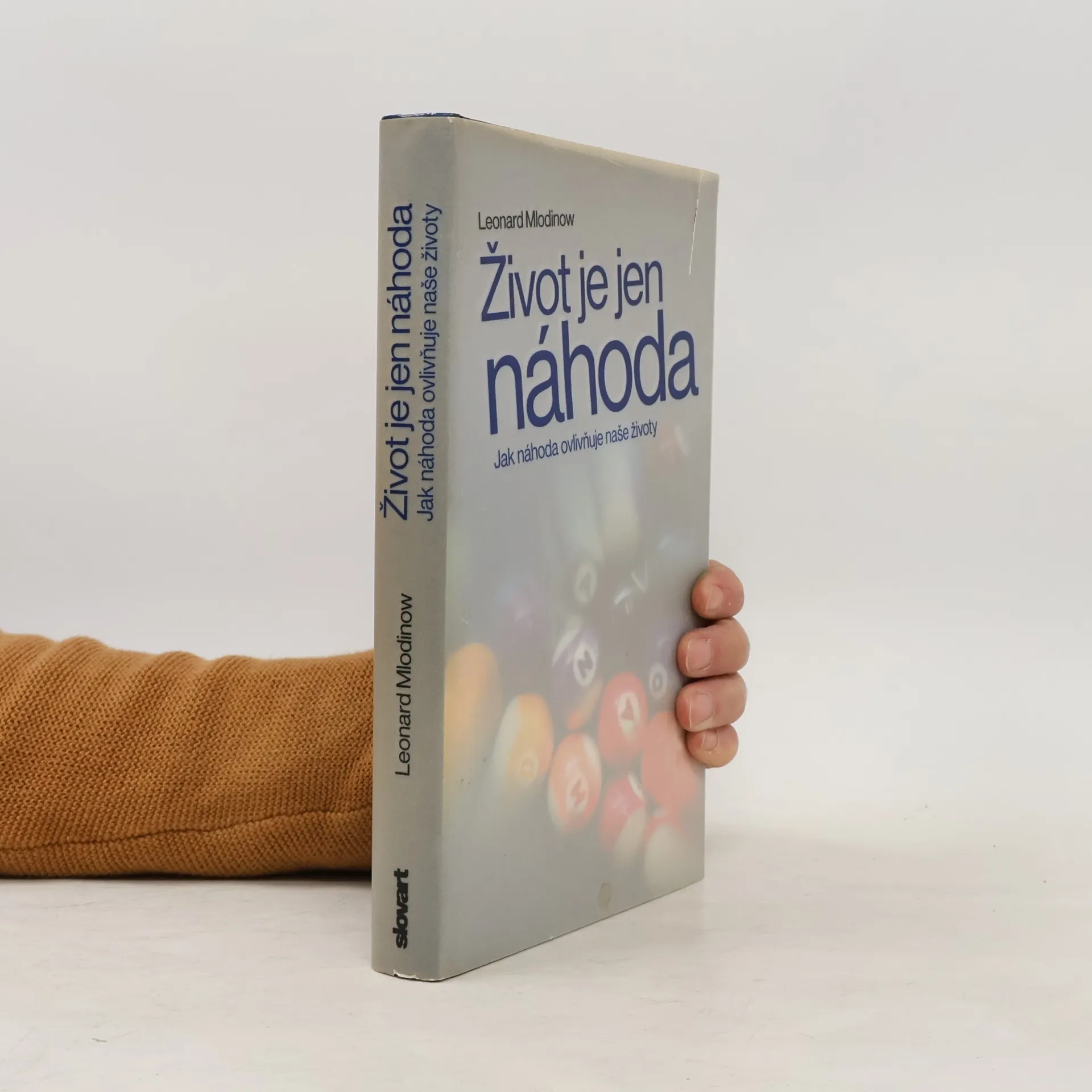
Známý vědec a spisovatel Leonard Mlodinow v této odvážné knize ukazuje, jak náhoda a pravděpodobnost ovlivňuje naše každodenní životy a jak málo významu přikládáme všemu, co nás potkává, od běžného rozhovoru po obrat k horšímu ve finanční oblasti. Úspěchy a selhání v životě, které obvykle připisujeme jasným a samozřejmým příčinám, jsou ve skutečnosti mnohem hlouběji ovlivněny náhodou. Tato originální a neobvyklá cesta světem pravděpodobnosti a náhody nabízí proto čtenářům také nový pohled na svět a na to, že většina věcí v našem životě je předvídatelná stejně jako kroky opilce, který se právě vypotácel z nočního baru.
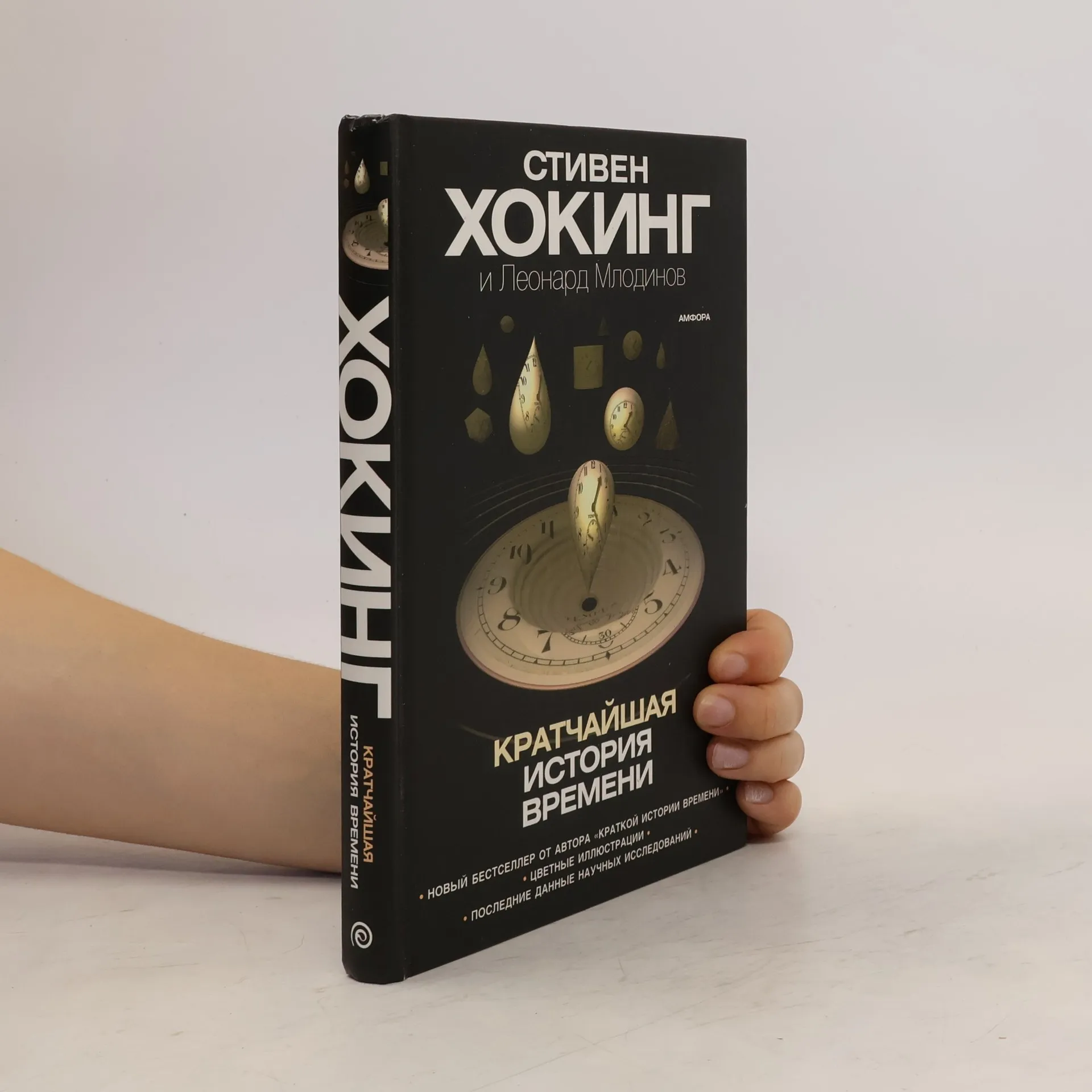
«Кратчайшая история времени» – больше, чем пространный комментарий к сложным понятиям и теориям, описанным в легендарной «Краткой истории». Авторы, Стивен Хокинг и Леонард Млодинов, спустя 17 лет, многое поменявших в астрофизике, новым взглядом смотрят на извечные вопросы: о природе пространства и времени, роли Бога в сотворении мира, о прошлом и будущем Вселенной. Данные, полученные астрономическими обсерваториями, космическими телескопами и физическими лабораториями, стали твердой опорой для теоретической физики, несколько десятилетий подряд сражающейся за стройную, единую теорию поля, должную объединить все известные виды взаимодействий. По убеждению многих, это теория струн, положения и следствия которой развернуто толкуют профессоры Хокинг и Млодинов. Черная материя и черная энергия, о которых мы знаем лишь благодаря гравитационным эффектам, путешествия во времени, на которые, как считаю авторы, «не стоит пока делать ставок» – всё это оказалось в фокусе их внимания. Издание содержит 37 цветных иллюстраций, дополняющих и украшающих текст.
Hledání krásy ve fyzice a v životě. Vzpomínky významného fyzika na začátky akademické dráhy, kdy se setkal s Richardem Feynmanem.
Stručná historie času
- 192 stránek
- 7 hodin čtení
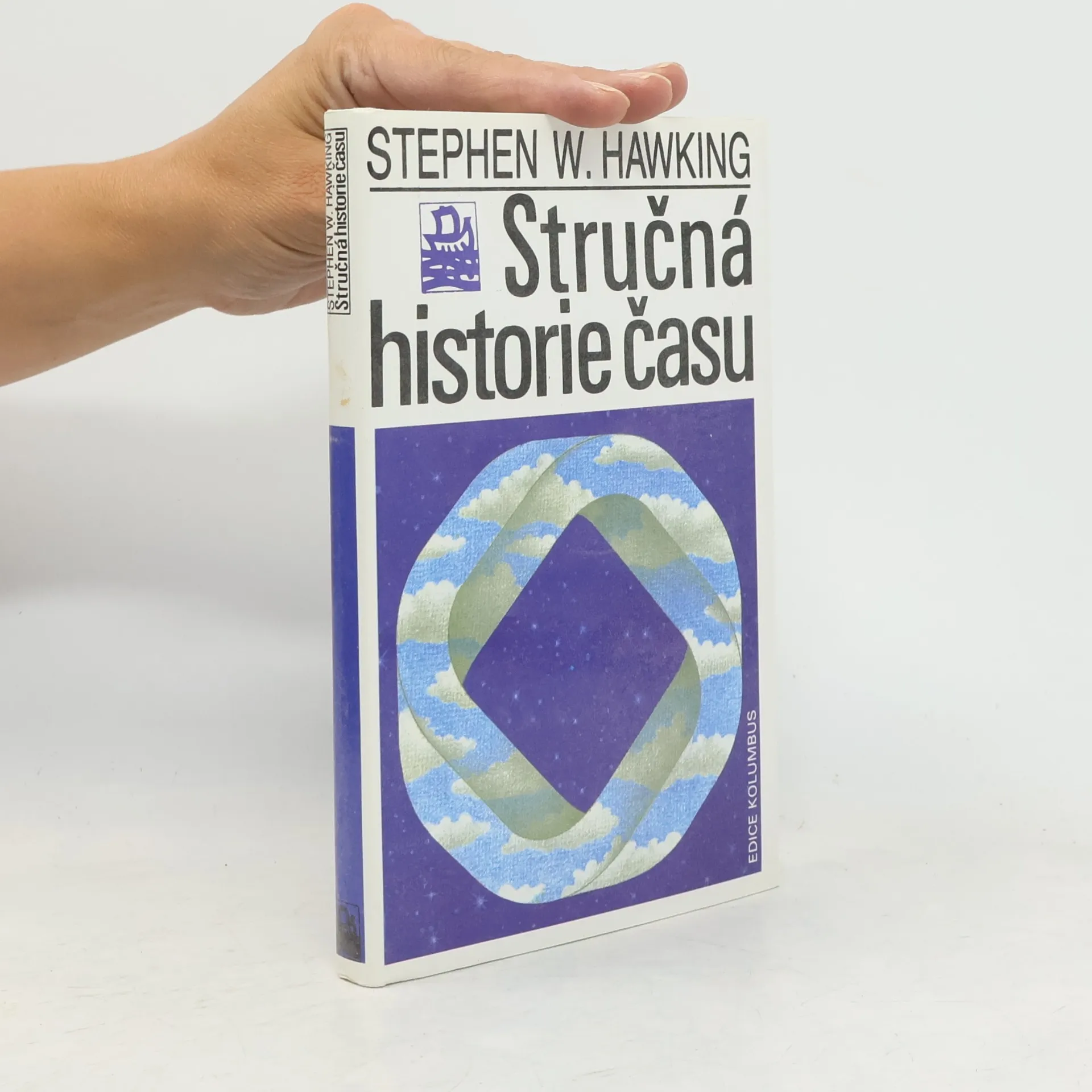
Populárně vědecká publikace anglického fyzika vysvětluje vznik a podstatu vesmíru, problematiku času a prostoru, teorii černých děr a další otázky. Z anglického originálu „A Brief History of Time. From the Big Bang to Black Holes“ vydaného nakladatelstvím Bantam Books Inc v New Yorku roku 1988 přeložil RNDr. Vladimír Karas, CSc. Doslov „Krátce o Stephenu Hawkingovi a jeho pohledu na svět“ napsal doc. RNDr. Jiří Bičák, DrSc. Překlad po odborné stránce přehlédl doc. RNDr. Jiří Langer, CSc. Poznámkami doplnil RNDr. Vladimír Karas, CSc. Přebal (s použitím kresby Jiřího Mocka) , vazbu a grafickou úpravu navrhl Milan Nerad. 1. vydání....
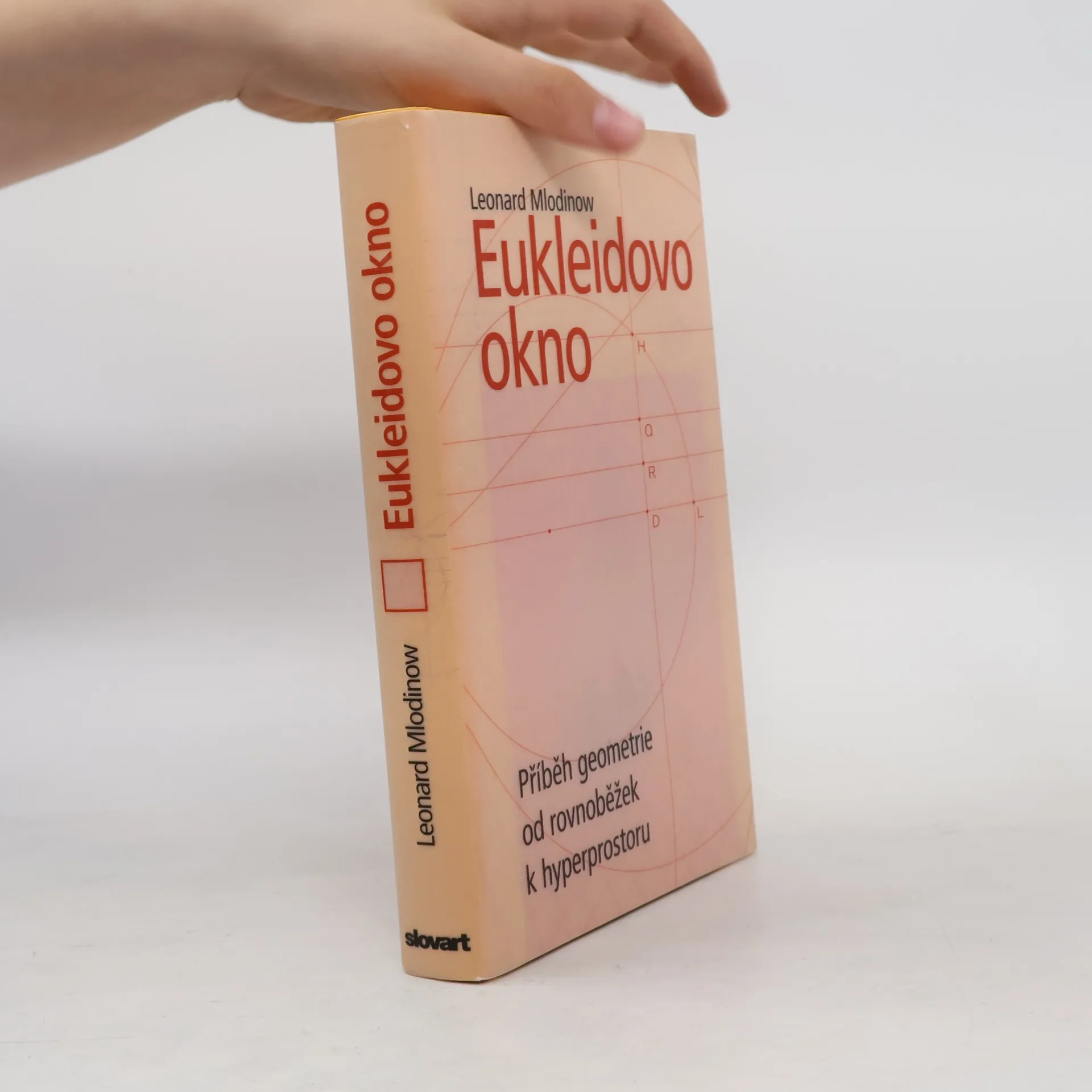
V Euklidově okně nás Leonard Mlodinow jedinečným způsobem seznamuje s pěti revolucemi v geometrii – od řeckého pojetí rovnoběžných přímek až po naše poslední představy o hyperprostoru. Tato zcela nová, neotřelá a netradičně podaná historie matematiky nám odhaluje, jak se jednoduché otázky týkající se prostoru – ať už v obývacím pokoji nebo třeba v jiné galaxii – staly hnacím motorem vrcholných úspěchů ve vědě a technice.