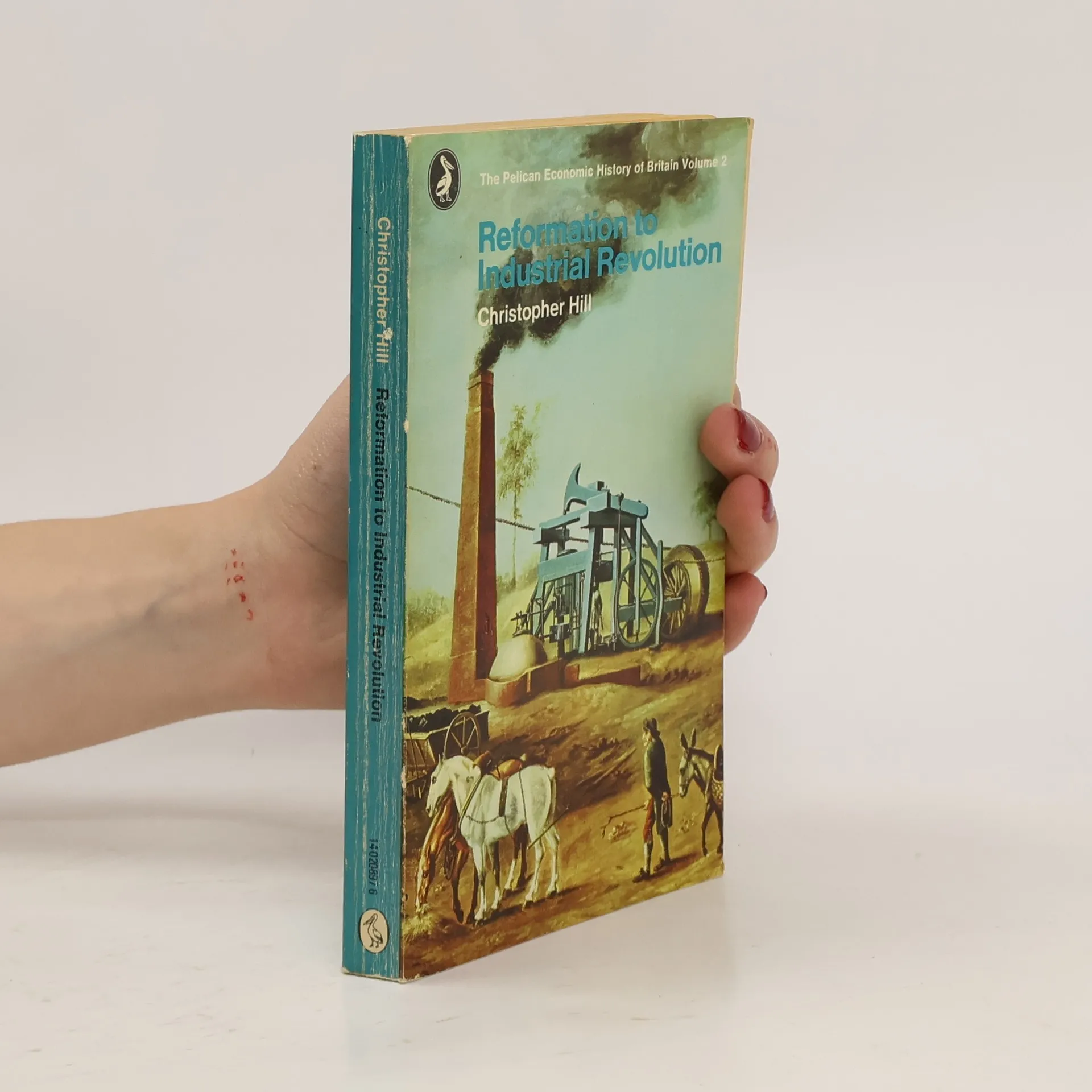
Kniha obsahuje 3 studie tří anglických historiků-marxistů. Jsou v nich objasněny hospodářské a rozebrány politické předpoklady anglické revoluce 1640-1660, která zasáhla převratně do společenských poměrů tehdejší západní Evropy. Revoluce je tu po prvé charakterisována jako sociální hnutí, které násilím odstranilo starý feudální řád a nastolilo nový řád kapitalistický. Byl to boj třídní, neboť církev a feudální statkáři stáli za králem, kdežto parlament se opíral o obchodní a průmyslové vrstvy a nižší šlechtu. Autor správně vytyčuje příživnický charakter dvorské aristokracie ať za Tudorovců nebo za Stuartovců. Po 11 letech Cromwellovy republiky neznamená návrat Stuartovců již starý absolutismus, nýbrž příchod konstituční monarchie. 2. studie M. Jamesové zkoumá názory některých demokratických spisovatelů té doby, hlavně Harringtona (autora spisu "Oceana") a Winstanleye a spatřuje v nich již materialistické rysy.- 3. studie E. Rickwordové "Milton - revoluční intelektuál" stopuje pokrokové rysy v názorech známého filosofa a bojovníka za anglickou republiku.
Christopher Hill Knihy
Christopher Hill byl předním historikem šestnáctého a sedmnáctého století a jedním z nejvýznamnějších historiků nedávné doby. Proslul jako hlavní marxistický historik století revoluce, což mu zajistilo celosvětové uznání mezi generacemi studentů. Jeho dílo se vyznačuje hlubokým porozuměním anglické historie a interpretací klíčových společenských a politických změn.

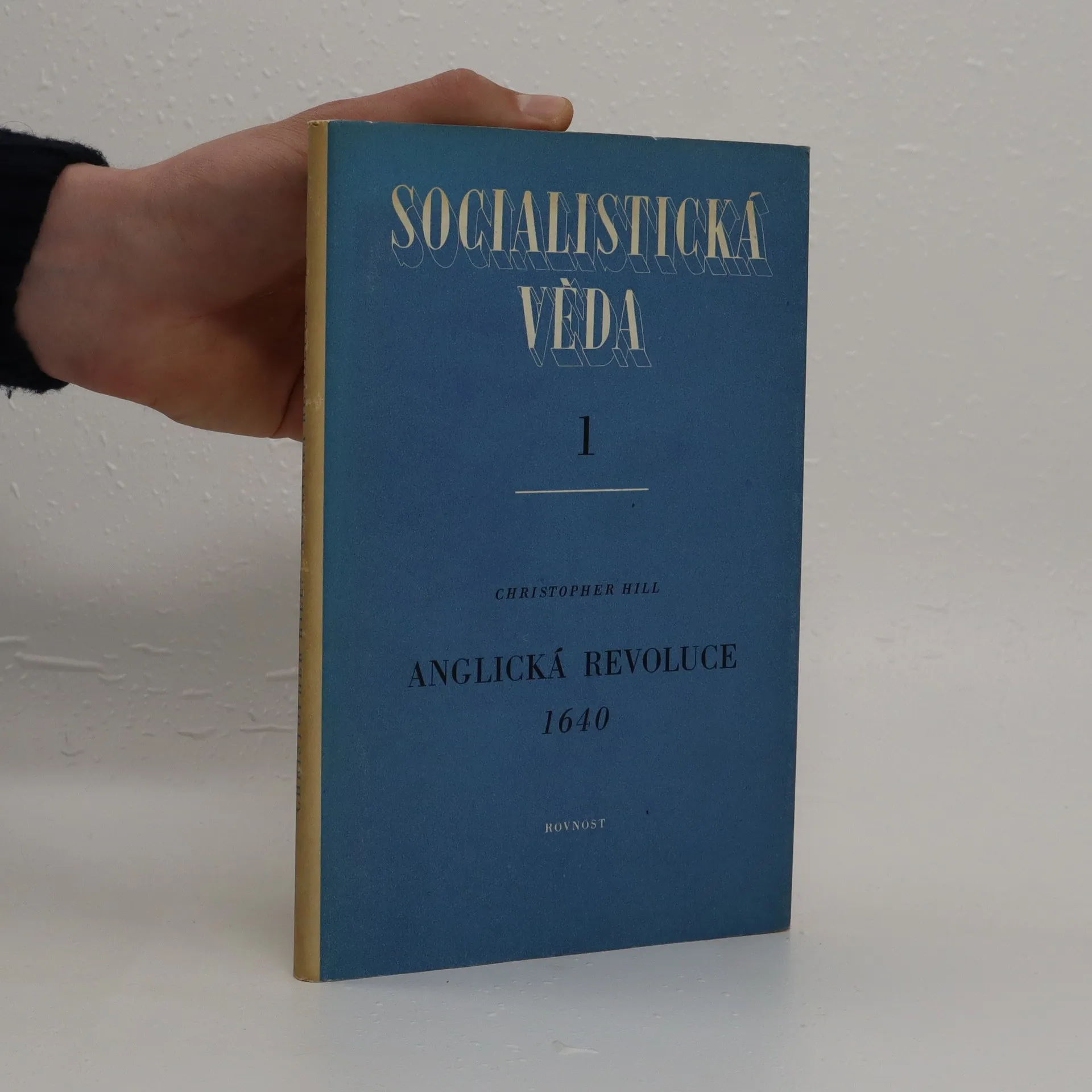
Kniha obsahuje 3 studie tří anglických historiků-marxistů. Jsou v nich objasněny hospodářské a rozebrány politické předpoklady anglické revoluce 1640-1660, která zasáhla převratně do společenských poměrů tehdejší západní Evropy. Revoluce je tu po prvé charakterisována jako sociální hnutí, které násilím odstranilo starý feudální řád a nastolilo nový řád kapitalistický. Byl to boj třídní, neboť církev a feudální statkáři stáli za králem, kdežto parlament se opíral o obchodní a průmyslové vrstvy a nižší šlechtu. Autor správně vytyčuje příživnický charakter dvorské aristokracie ať za Tudorovců nebo za Stuartovců. Po 11 letech Cromwellovy republiky neznamená návrat Stuartovců již starý absolutismus, nýbrž příchod konstituční monarchie. 2. studie M. Jamesové zkoumá názory některých demokratických spisovatelů té doby, hlavně Harringtona (autora spisu "Oceana") a Winstanleye a spatřuje v nich již materialistické rysy.- 3. studie E. Rickwordové "Milton - revoluční intelektuál" stopuje pokrokové rysy v názorech známého filosofa a bojovníka za anglickou republiku.
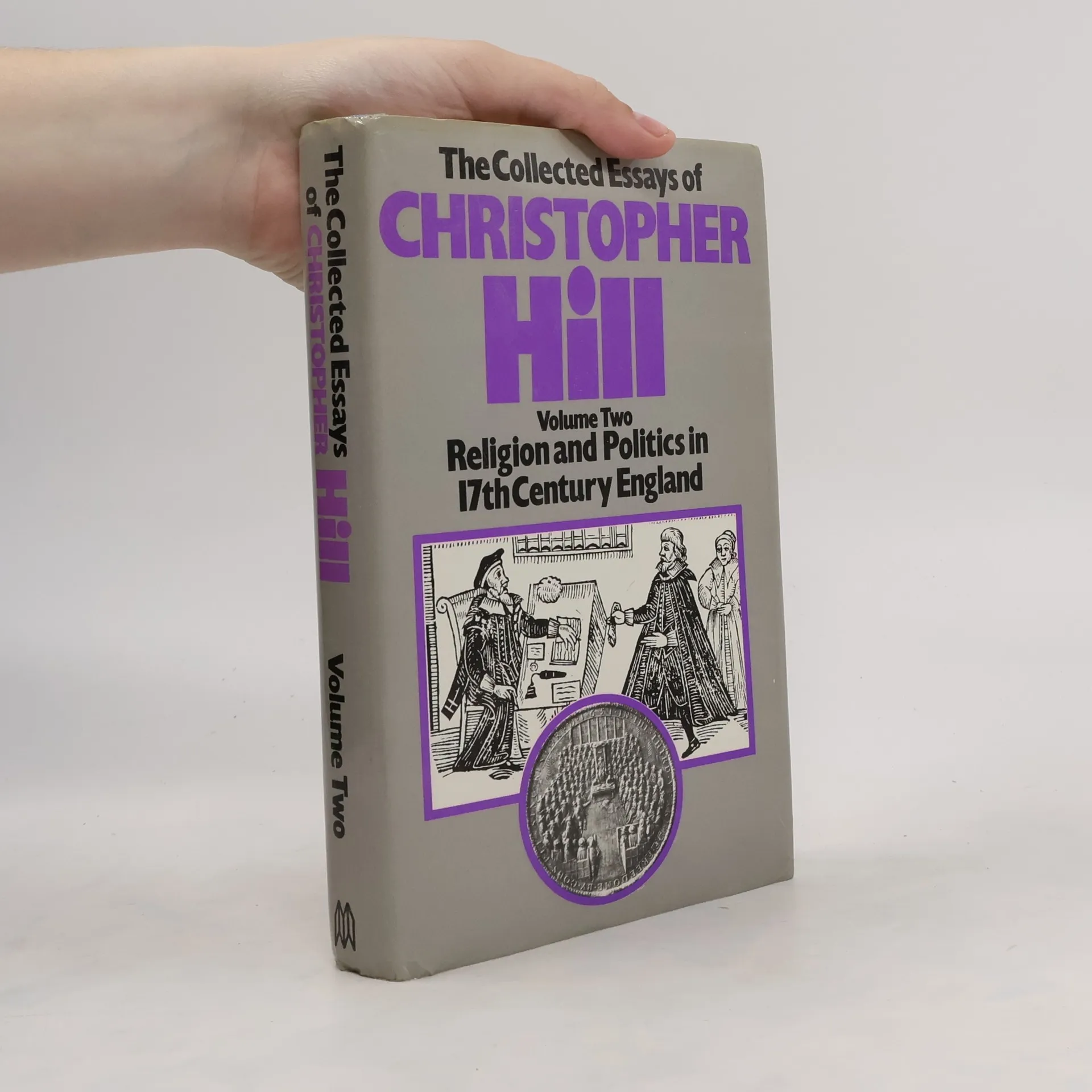
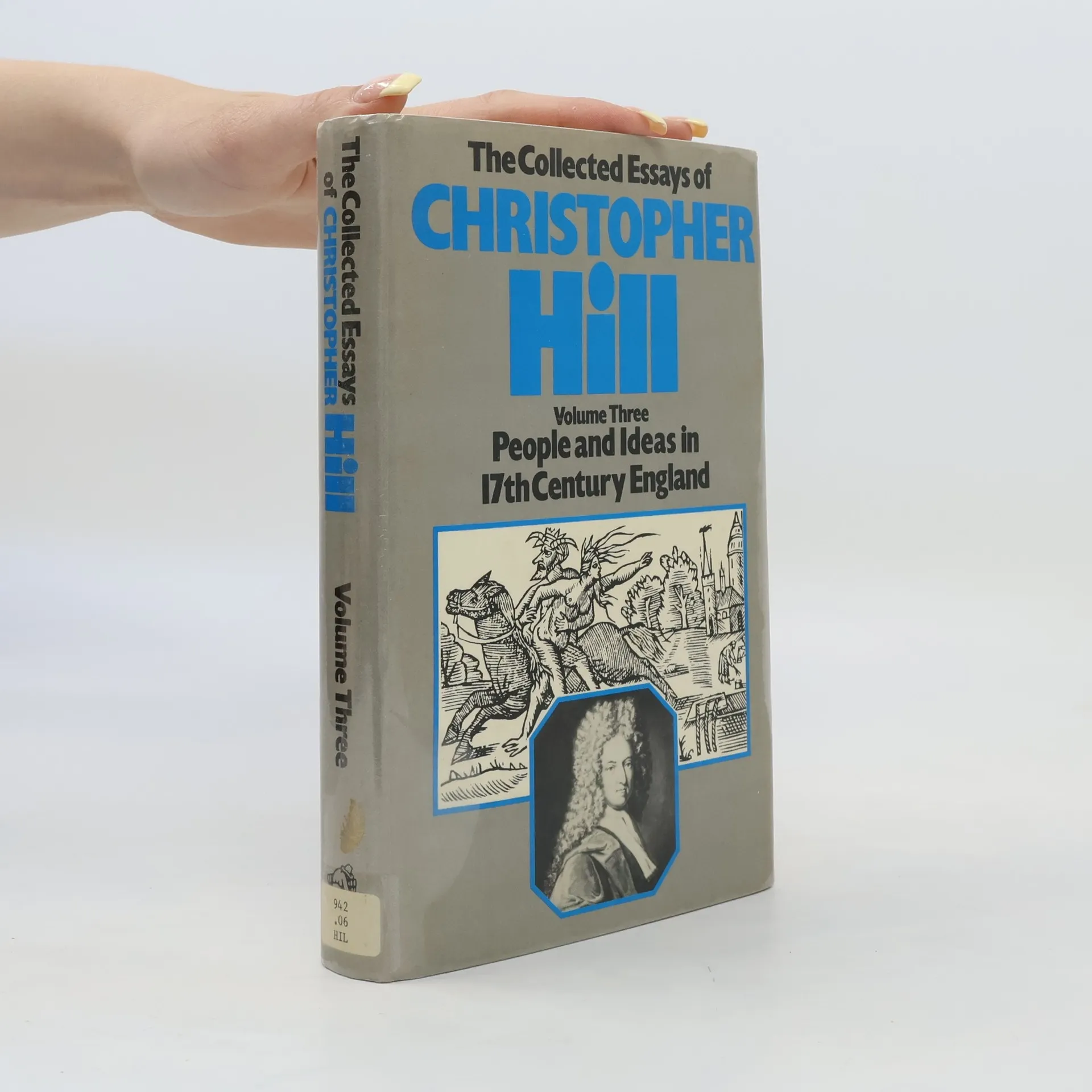
The Collected Essays of Christopher Hill
Writing and revolution in 17th-century England
Essays discuss the work of Defoe, Milton, Marvell, Pepys, and Butler, censorship, and seventeenth-century British thought
Cabinet Decisions on Foreign Policy
The British Experience, October 1938 June 1941
- 384 stránek
- 14 hodin čtení
This book offers an in-depth analysis of the British government's approach to foreign policy, examining key decisions and their implications. It delves into historical contexts, political dynamics, and the influences shaping policy outcomes. Through detailed case studies, readers gain insights into the complexities of international relations and the strategic considerations that guide British diplomacy. The work aims to enhance understanding of the interplay between domestic politics and foreign affairs in the UK.
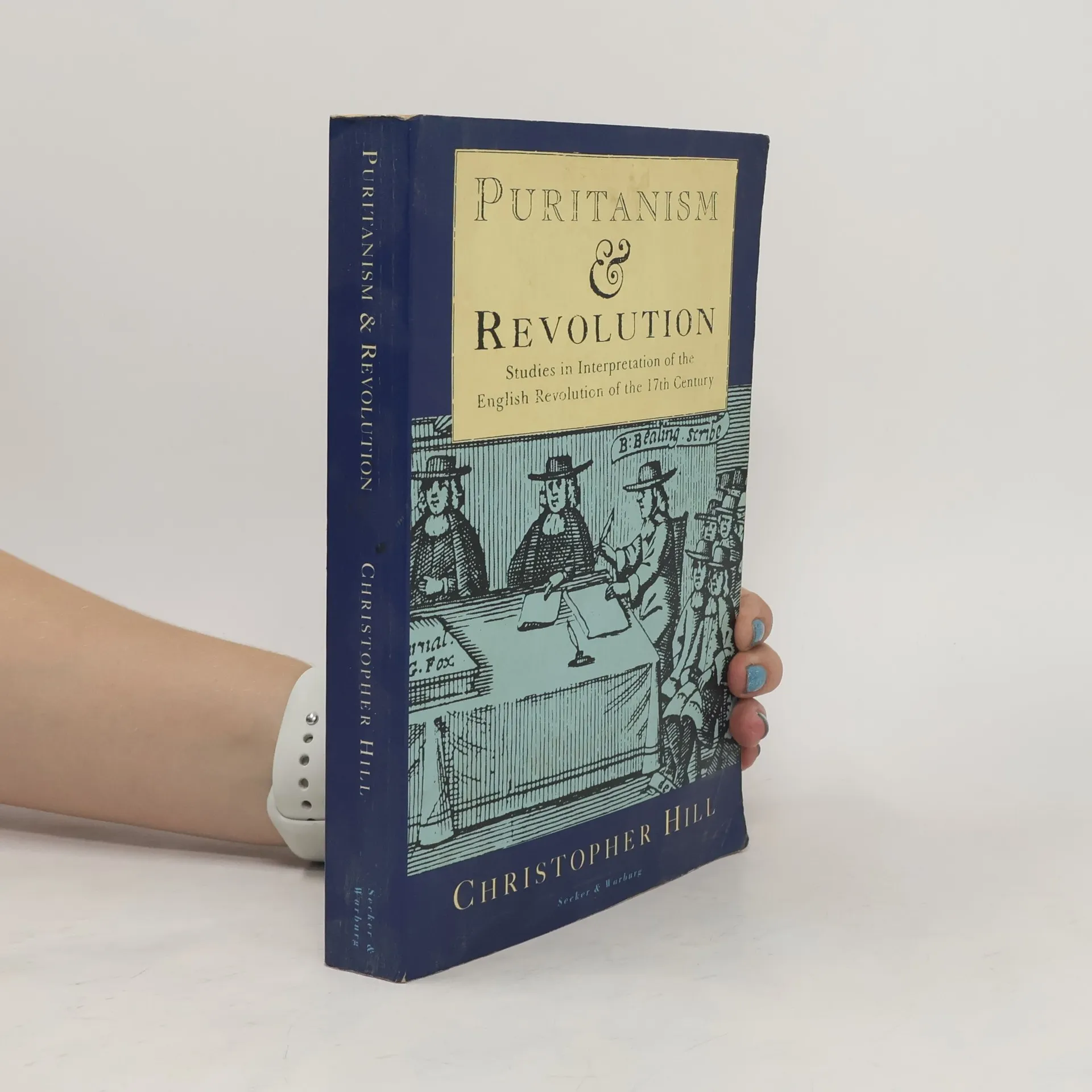
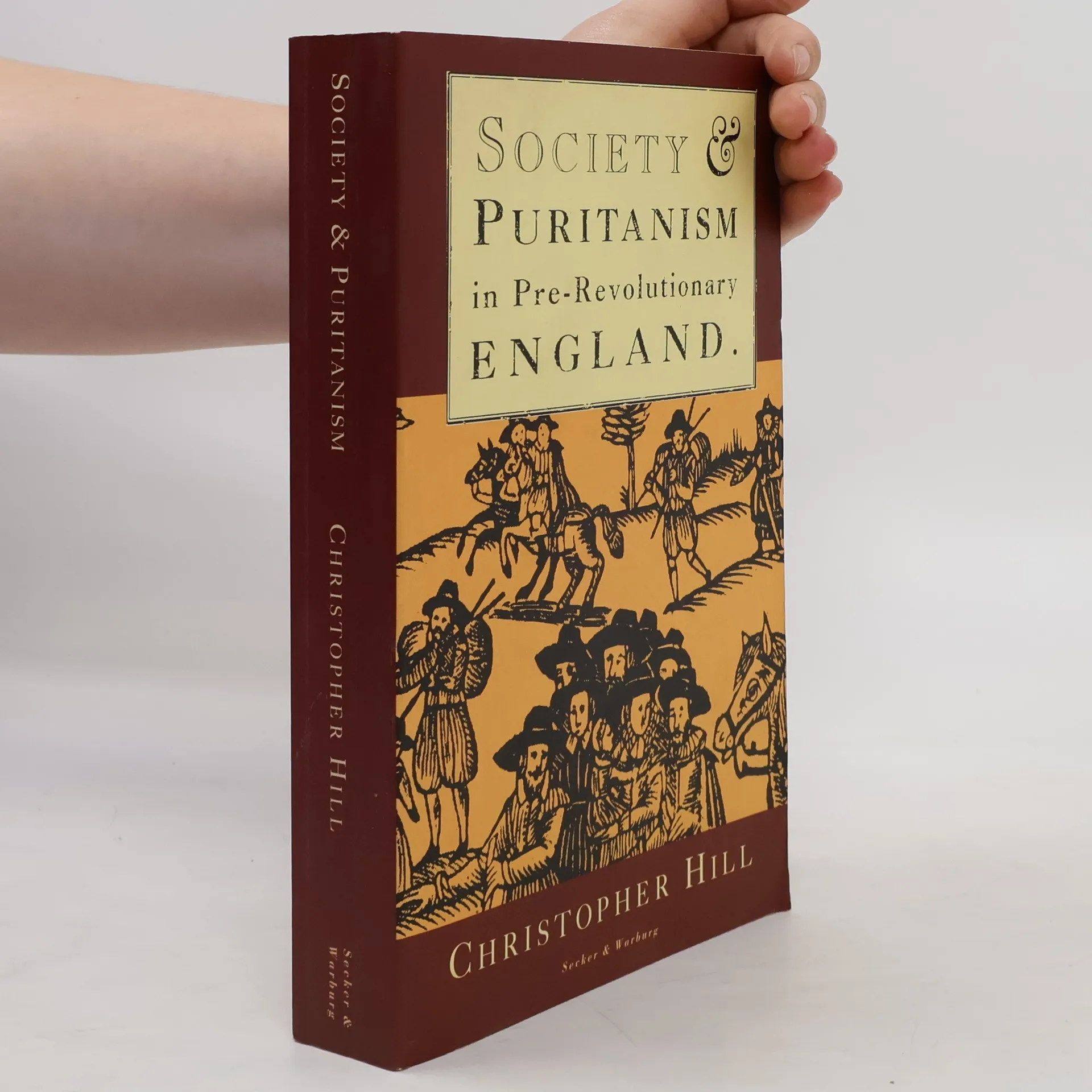
In order to understand the English Revolution and Civil War we need to understand Puritanism. Using his consummate skill as a historian, Professor Hill suggests that there might have been non-theological reasons for supporting the Puritans, or for being a Puritan. He shows Puritanism as a living faith, answering the hopes and fears of yeomen and gentlemen, merchants and artisans. He looks at oath-taking, the Sabbath, bawdy courts, and poor relief and assesses the significance of the household (rather than the Parish) and the dignity of labor. He shows Puritanism in daily life and discusses the emergence of the seemingly paradoxical - Puritan revolutionaries.
The English Bible and the Seventeenth-century Revolution
- 466 stránek
- 17 hodin čtení
Looks at the importance of the Bible in English, new since the 16th century, in all areas of 17th-century culture - history, politics, economics, literature, science and religion.
A classic study of popular resistance to the momentous changes of seventeenth- century England
The masterful account of transformation of Britain into a modern nation by leading Marxist historian
Change and Continuity in Seventeenth-century England
- 370 stránek
- 13 hodin čtení
In this book one of England's most distinguished historians explores the causes and consequences of the English Revolution, the years from 1640 to 1660 when the triumph of Protestantism encouraged a questioning of authority in English political, economic, social, religious and intellectual life. This was a decisive period in the evolution of the modern world, an essential precondition of England's becoming the first industrial nation. Hill considers both material and intellectual aspects of the Revolution, discussing, for example, the relationship between Protestantism and the rise of capitalism; the ideological attacks on divinity, law and medicine; and the entry of the 'Many-Headed Monster' - the masses - into politics. "Like all Hill's work, this volume is not only distinguished and accomplished, but deeply humane." -- John Kenyon, Observer "Hill's contribution to seventeenth-century English history has been enormous. This book, like all his others, is informative, stimulating, provocative, and most welcome." -- John Miller, Times Higher Education Supplement
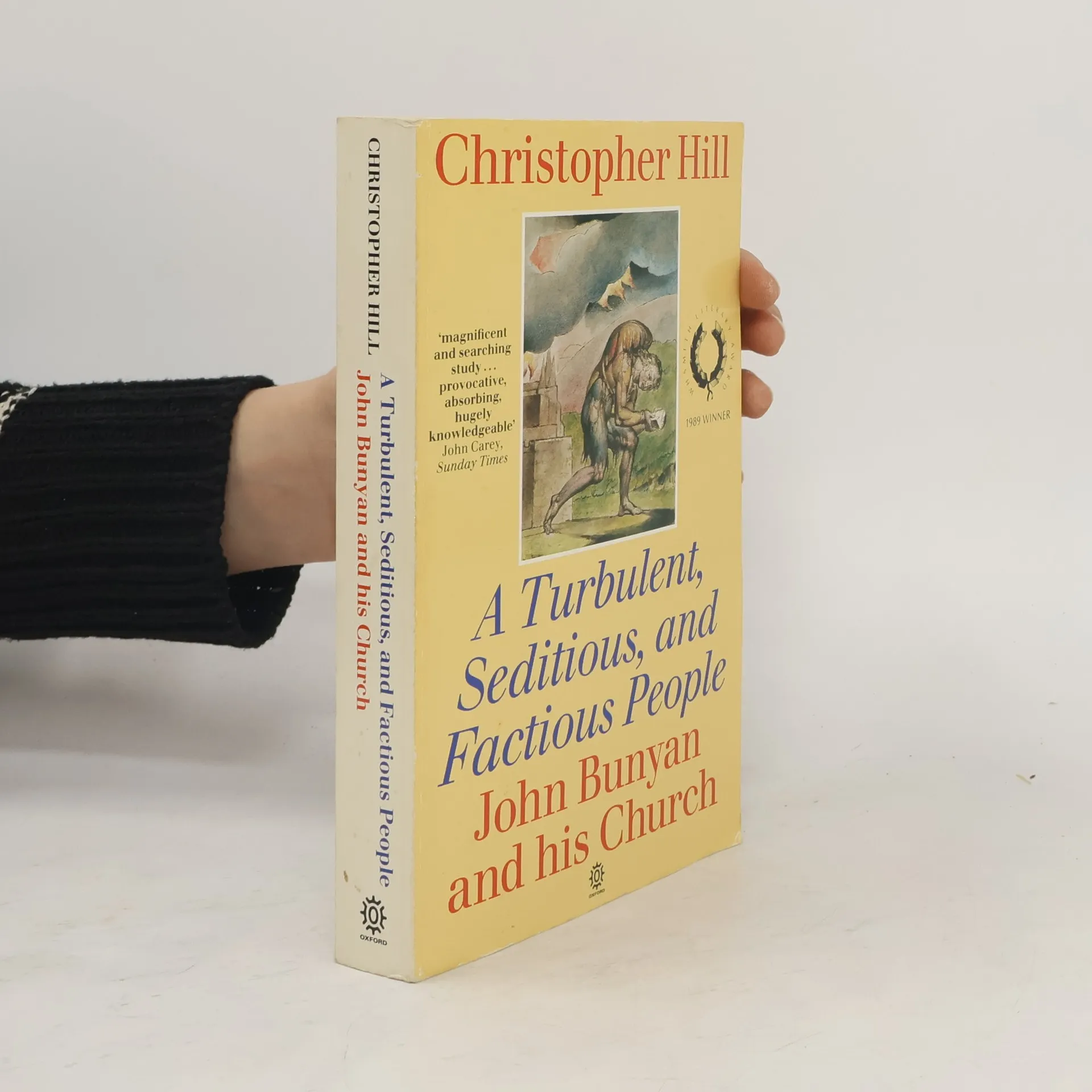
This highly acclaimed biography explores how John Bunyan's writings and personality were influenced by the turbulent times in which he lived. The book examines the reasons why The Pilgrim's Progress holds a unique place in popular literature, and sheds new light on the meaning it held for its original readers. Christopher Hill believes that we should not view Bunyan's works as timeless literary artefacts, but take account of the social, political, and religious forces that acted upon their author. He explores the impact on Bunyan of his humble origins, the revolution of the 1640s and his experience in the Parlimentary army, his twelve-year imprisonment, and his difficulties in writing under censorship and persecution. The Pilgrim's Progress, which soon became the world's best-seller, is shown to derive from Bunyan's personal experience of defeat. - back cover
God's Englishman
- 304 stránek
- 11 hodin čtení
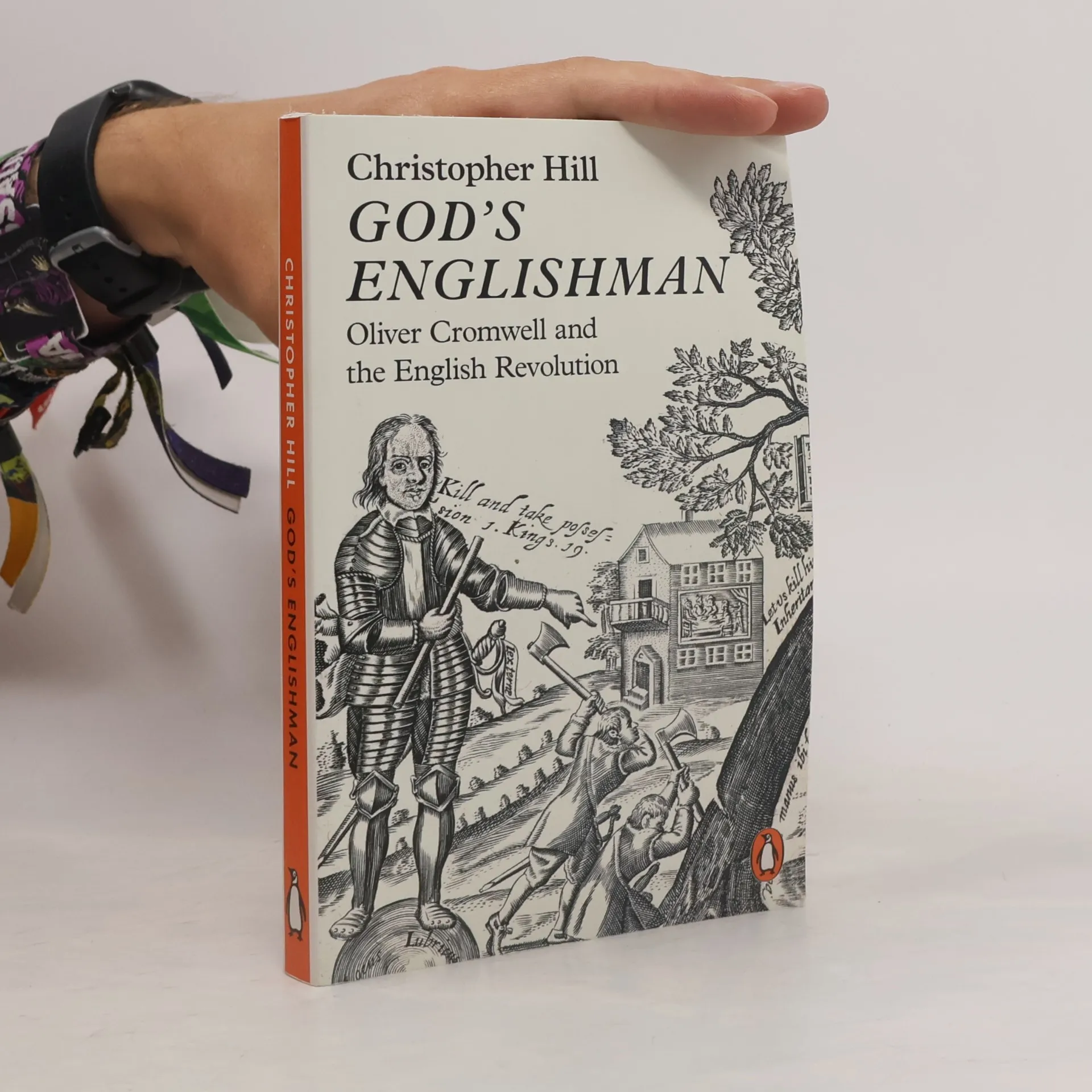
BIOGRAPHY: HISTORICAL, POLITICAL & MILITARY. A nuanced biography of Oliver Cromwell, breaking down Cromwell's life into different parts- fenland farmer and humble backbencher; stalwart of the good old cause and the New Model Army; key figure of the Commonwealth; and finally Lord Protector. Hill leads the reader unsentimentally through Cromwell's life from his beginnings in Huntingdonshire to his brutal end. Hill brings all his considerable knowledge of the period to bear on the relationships 'God's Englishman' had with God and England. Such a detailed understanding of the workings of providence is vital to understanding Cromwell.
Remarkable reinterpretation of Milton and his poetry by one of the most famous historians of the seventeenth century
A Nation of Change and Novelty
Radical Politics, Religion and Literature in Seventeenth-Century England
- 282 stránek
- 10 hodin čtení
The book explores the political and literary landscape of the seventeenth century, emphasizing the English Revolution's significance as a pivotal moment in both English and European history. It delves into the transformative ideas and cultural shifts that emerged during this period, highlighting how these changes shaped national identity and influenced future developments.
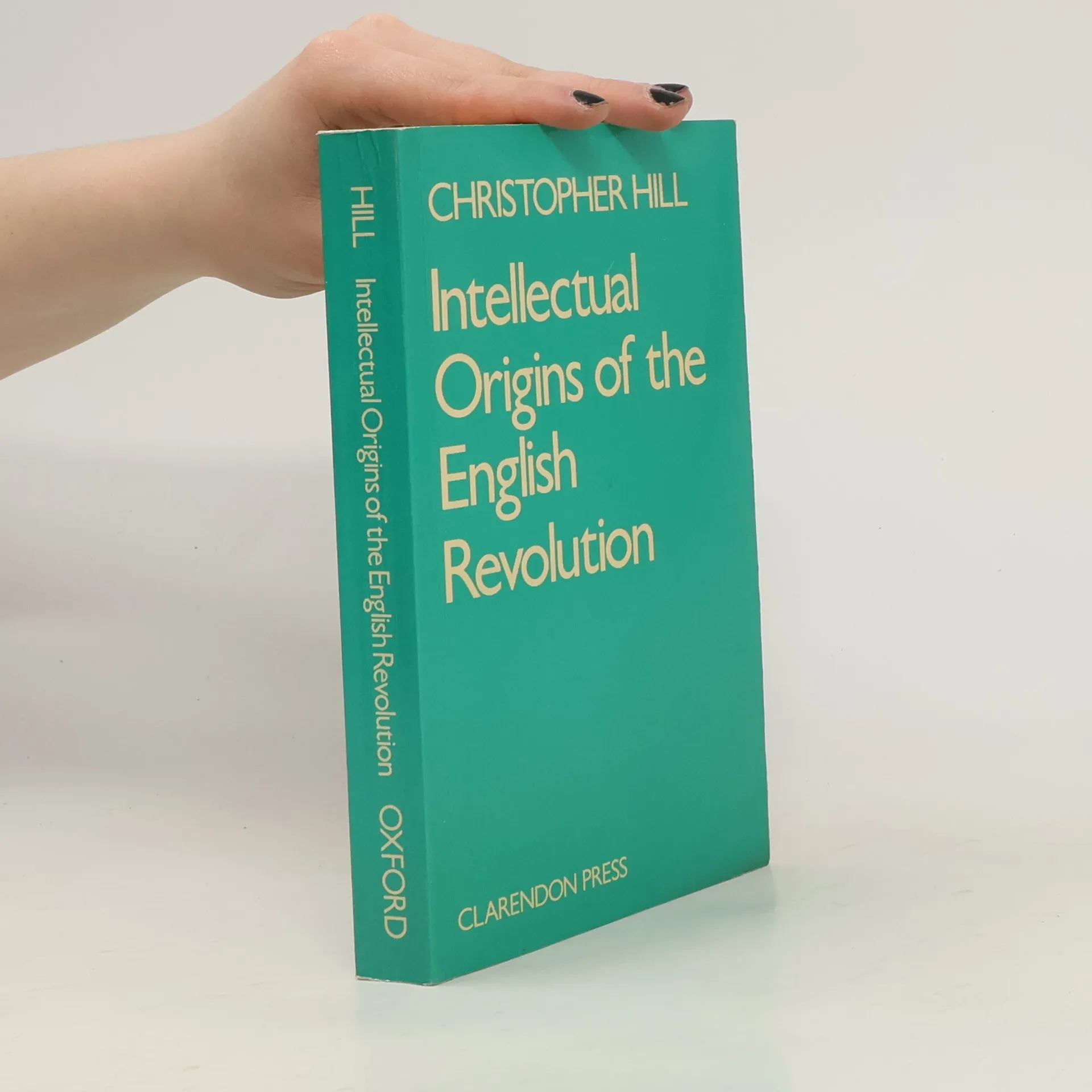
This is a revised edition of Christopher Hill's classic and groundbreaking examination of the motivations behind the English Revolution, first published in 1965. In addition to the text of the original, Dr Hill provides thirteen new chapters which take account of other publications since the first edition, bringing his work up-to-date in a stimulating and enjoyable way.
Some Intellectual Consequences of the English Revolution
- 100 stránek
- 4 hodiny čtení
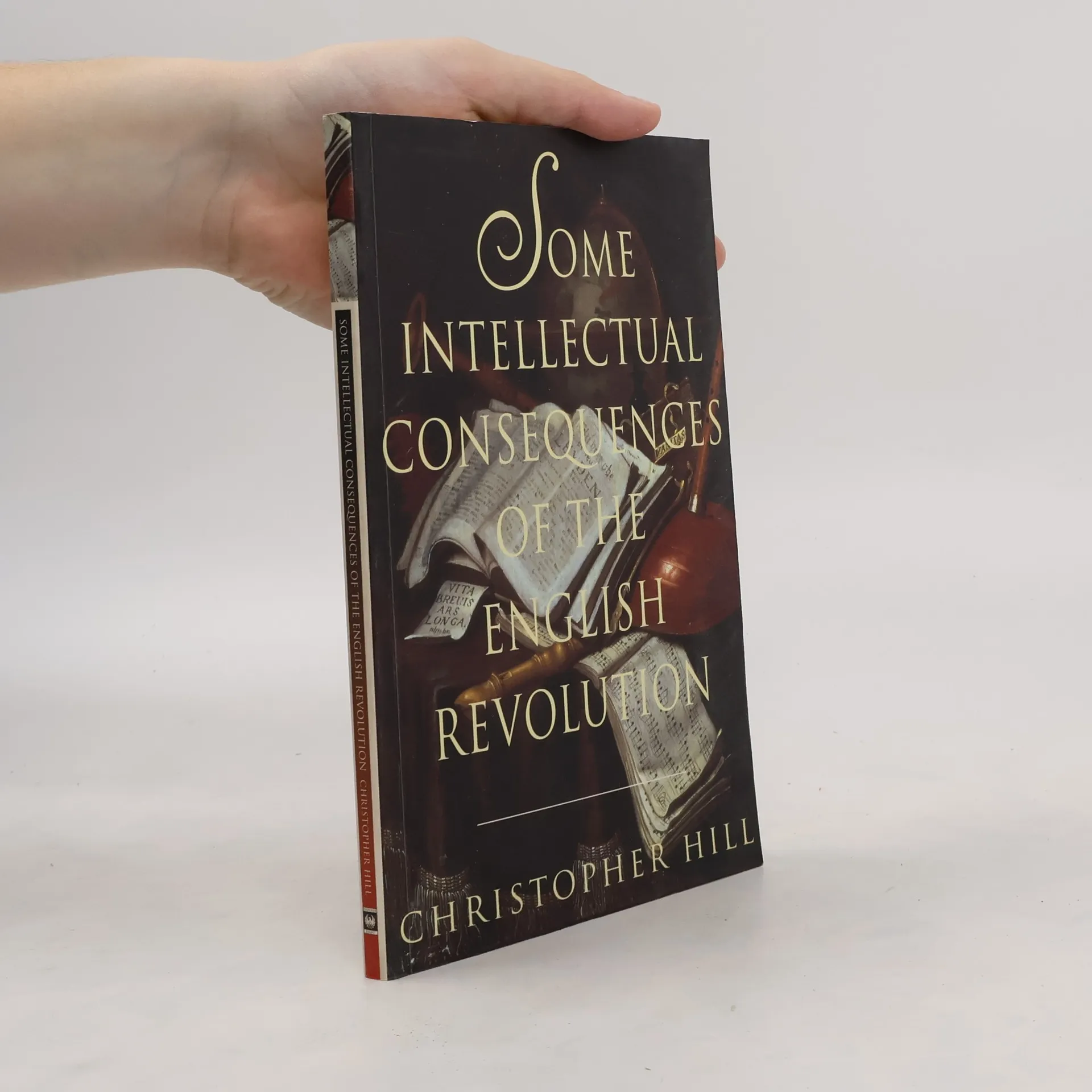
In hthis book chrisopher Hill takes up themes on a lifetimes work on the causes of the English Civil War and extends them to the period following the restoration of the monarchy in 1660.
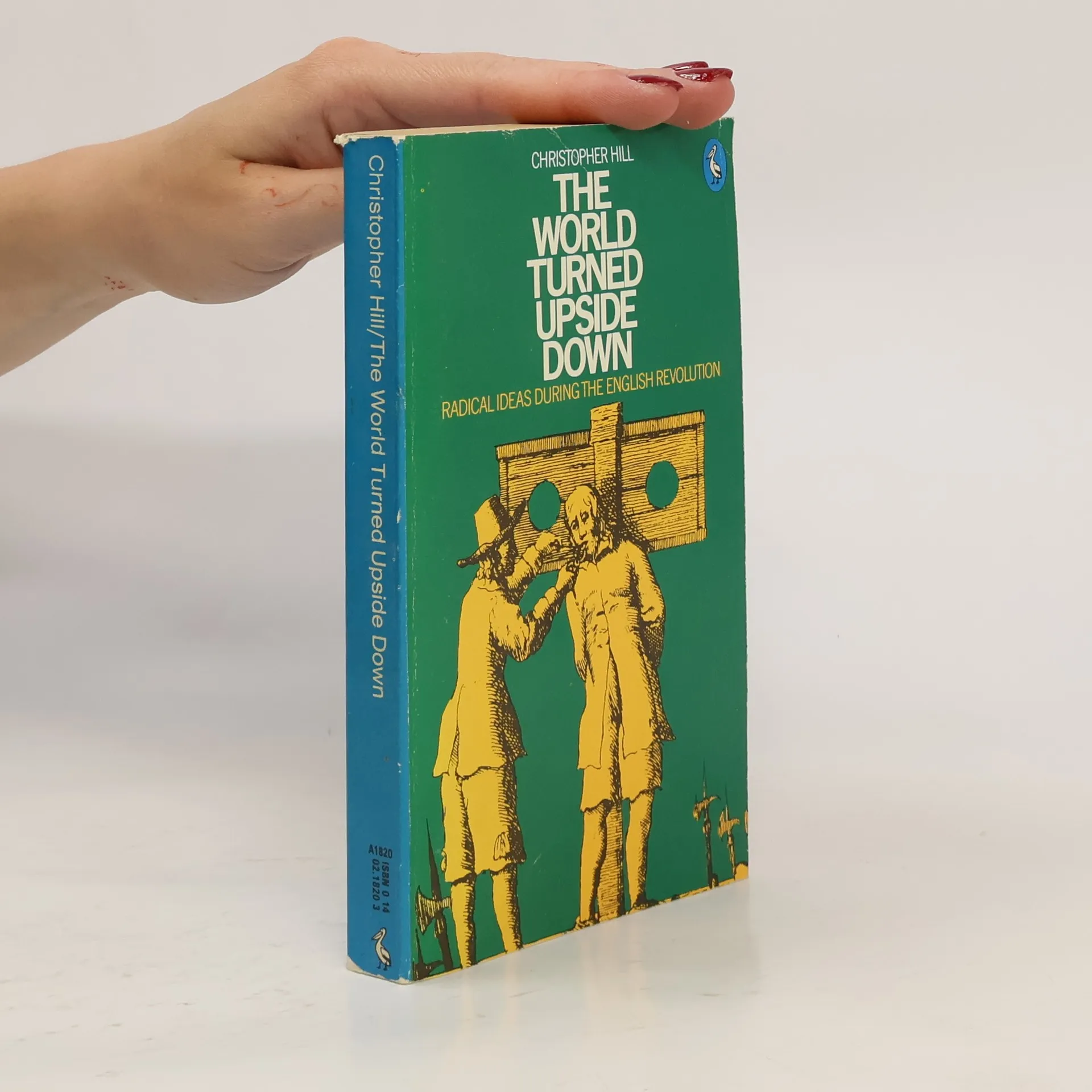
Focuses on the individuals and groups that advocated radical change in English politics and society during the mid-seventeenth century
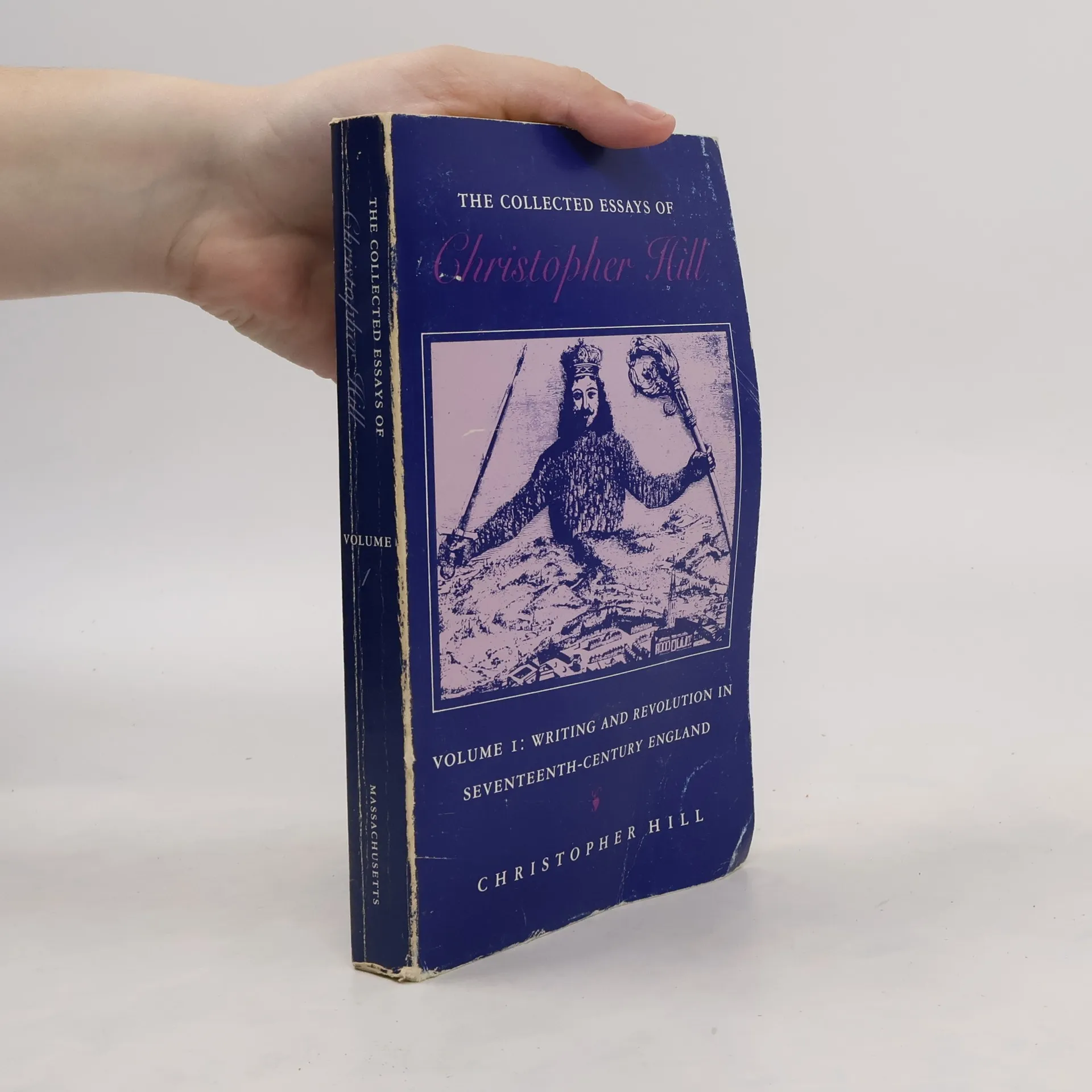
Christopher Hill is widely recognized as the leading historian of seventeenth-century England. This major collection of his work contains previously unpublished essays, with the first part examining the general connections between seventeenth-century historical questions—revolution, censorship, the Levellers—and the literature of the period. This is followed by essays on individual authors such as Milton, Marvell, Butler, Rochester, and Defoe.
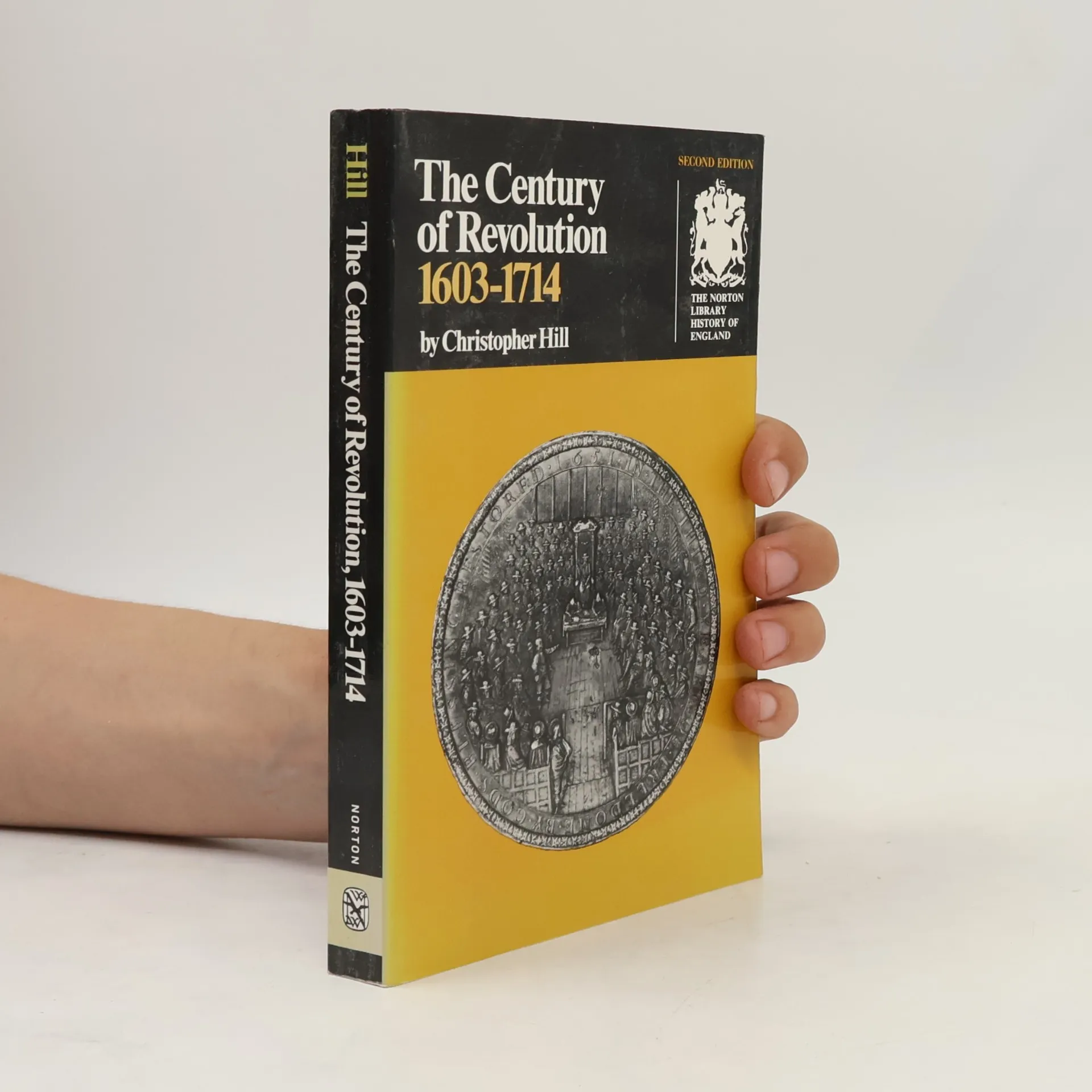
The Norton Library History of England: The Century of Revolution, 1603-1714
Second Edition
- 296 stránek
- 11 hodin čtení
The years between 1603 and 1714 were perhaps the most decisive in English history. During this period modern English society and a modern state began to take shape, and England's position in the world was transformed. The Century of Revolution tries to penetrate below the familiar events to grasp what happened, both to ordinary English men and women as well as to kings and queens or abstractions like 'society' and 'the state'. The first edition of The Century of Revolution was published by Norton in 1966 as part of the Norton Library History of England. It has established itself as a classic and the outstanding book of the series. In this new edition, Dr. Hill includes the most important conclusions of recent research and has added postscripts drawing attention to especially significant books.
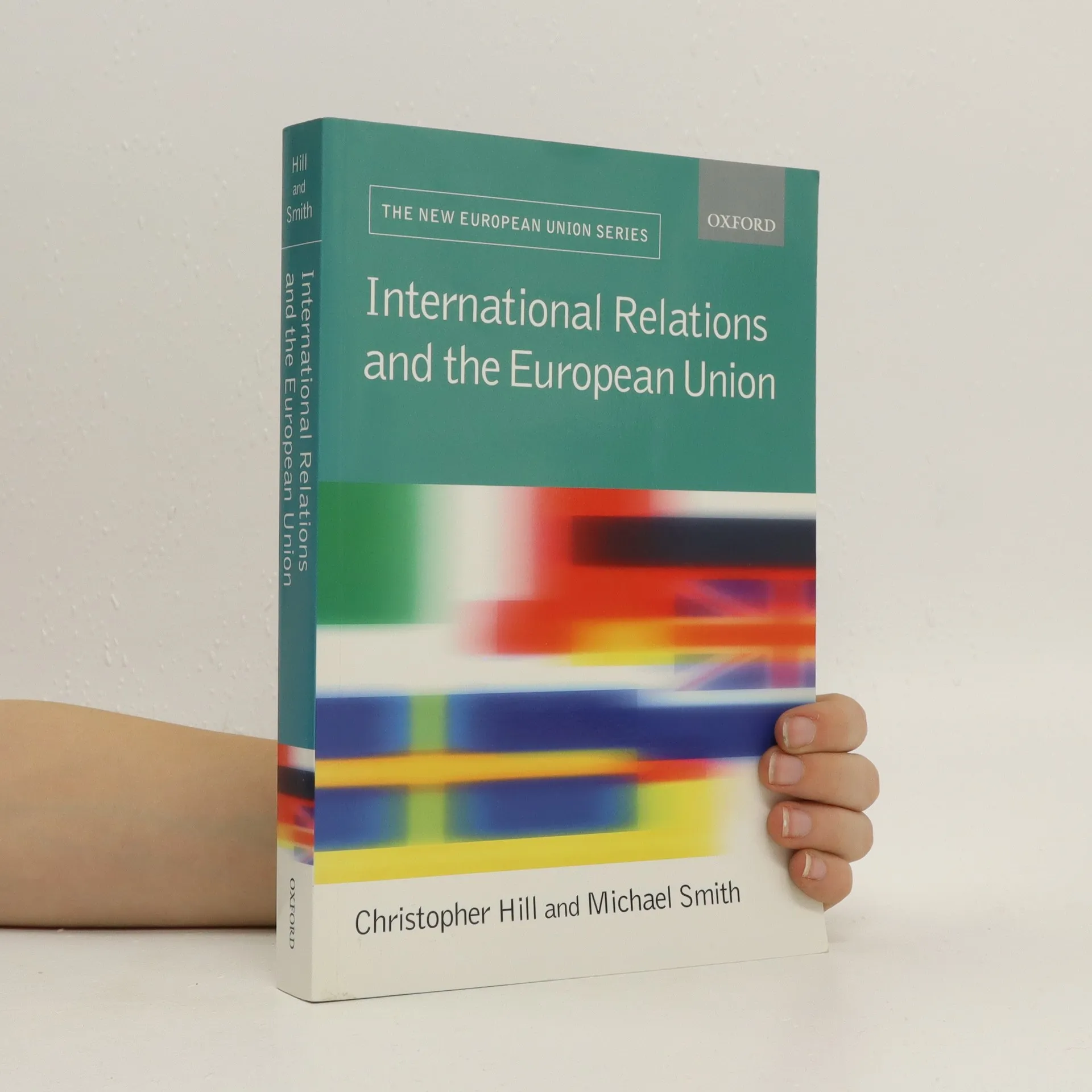
International relations and the European Union
- 492 stránek
- 18 hodin čtení
This text locates the European Union in the context of international relations theory and explores the ways in which the European Union frames and conducts its international relations.
The ever-changing field of foreign policy is explored first by examining the theoretical and historical perspectives, then the variety of actors, context and goals, and concludes with an interesting range of relevant case studies. In this way, the editors take a balanced approach, presenting the theoretical and practical sides of foreign policy. The expert contributors to the text are a mixture of academics and practitioners which supports this balance. Relevant foreign policy issues such as climate change and EU-Russia energy dynamics are explored in the case study section, showing the growing importance of foreign policy in the real world. An Online Resource Centre accompanies the text and includes: For lecturers: key themes from the case studies in the book, PowerPoint slides For students: a timeline showing the evolution of foreign policy analysis, web links, a flashcard glossary
The Good Old Cause
The English Revolution of 1640-60: Its Causes, Course and Consequences
Puritanism and Revolution
- 402 stránek
- 15 hodin čtení
This illuminating collection of essays assesses the 17th century, interpreting what used to be called The Puritan Revolution
The North from Down to Donegal
- 128 stránek
- 5 hodin čtení
The seven counties making up the geographical North of Ireland - Down, Antrim, Derry, Tyrone, Fermanagh, Armagh and Donegal - have some of the most beautiful scenery in Europe. This is an illustrated volume of the North of Ireland.
Über einige geistige Konsequenzen der englischen Revolution
- 76 stránek
- 3 hodiny čtení
Wiegenlied im Morgengrauen
- 155 stránek
- 6 hodin čtení
155 S. N.-A.
Transición del feudalismo al capitalismo, la
- 149 stránek
- 6 hodin čtení