

Knihobot

James Gleick

    1. srpen 1954

    James Gleick je americký autor, jehož práce zkoumají kulturní dopady vědy a technologie. Jeho psaní se vyznačuje pronikavým pohledem na to, jak vědecké koncepty a technologický pokrok formují naši společnost. Prostřednictvím svých esejů a knih analyzuje složité myšlenky, jako je teorie chaosu nebo vývoj internetu, a zpřístupňuje je širokému publiku. Gleickův styl je známý svou srozumitelností, hloubkou a schopností propojit zdánlivě nesourodé oblasti myšlení, čímž nabízí čtenářům nové perspektivy na svět kolem nás.

    James Gleick
    What Just Happened
    Isaac Newton
    Seeing Further
    Genius
    Chaos - Vznik nové vědy
    Informace. Historie, teorie, záplava
    • Informace. Historie, teorie, záplava

      • 400 stránek
      • 14 hodin čtení
      4,1(597)Ohodnotit

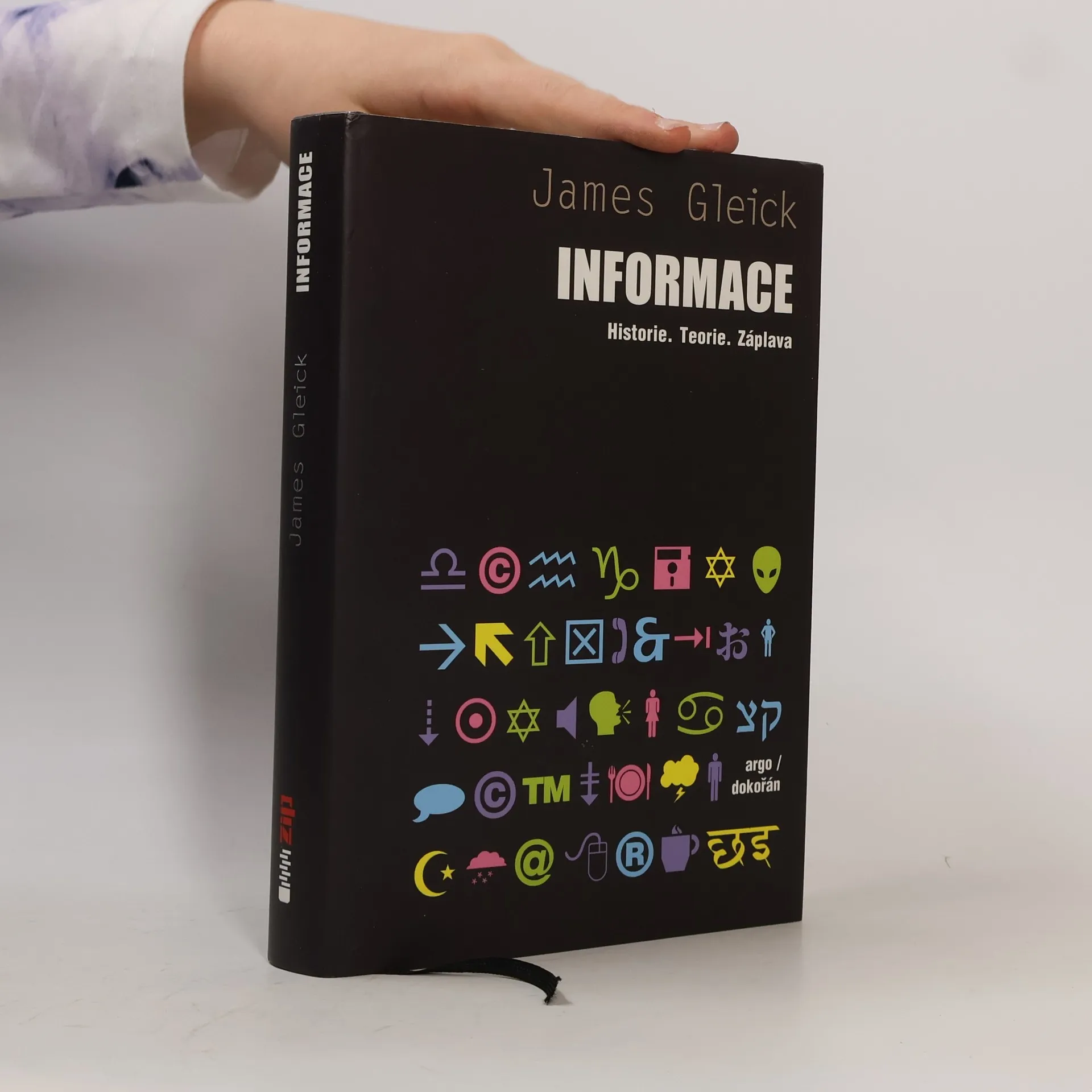
      Informace je v určitém smyslu knihou o všem, co je páteří naší civilizace: o telekomunikaci, ochranných známkách, počítačích, genetice, spamu a memech, kompresi dat, kvantové mechanice i šifrách, slovnících, náhodě, entropii i řetězových dopisech. Zkušený autor kultovní knihy Chaos a řady dalších publikací uchopil téma „informace“ skutečně od základu – knihu otevírá půvabná kapitola o „dálkové řeči“ afrických bubeníků (komunikačnímu kanálu, jehož kapacitě se schopnosti naší civilizace vyrovnaly až ke konci 19. století) a v řadě pestrých kapitol nás seznamuje s historií a hlavními aspekty informačního věku. Co má s moderní civilizací společného klínopis, bizarní projekt francouzských mechanických telegrafů či neméně bizarní mechanický počítač Charlese Babbagea? Uvidíme, že velmi mnoho. Zdánlivě mrtvá historická témata autor oživuje moderním pohledem teorie informace a v často překvapivých paralelách ukazuje, jak se současná civilizace dostala tam, kde nyní je. Informace je pozoruhodná kniha: abyste se do ní mohli ponořit a vychutnat její potenciál, nepotřebujete žádné zvláštní vzdělání, na druhé straně však otevře nikoli jeden, ale celou řadu nových horizontů i ostřílenému profesionálnímu informatikovi.
      Informace. Historie, teorie, záplava
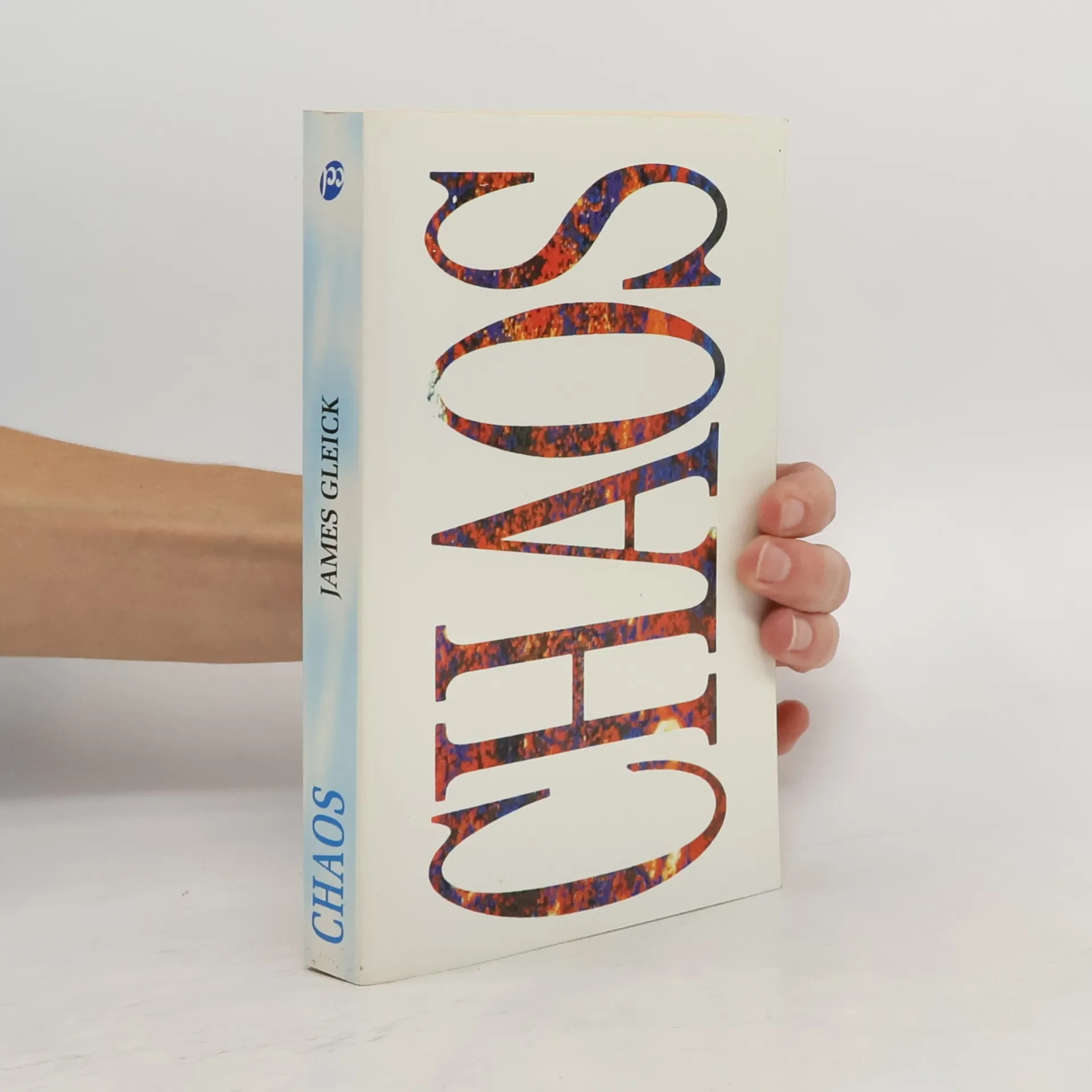
    • Čtivě a srozumitelně napsaná monografie sleduje historii teorie chaosu, vědní disciplíny o běžných věcech (umění, ekonomice, biorytmech, dopravních zácpách a počasí), která se odvrací od příčinně následkového chápání světa a klasické newtonovské fyziky.

      Chaos - Vznik nové vědy
    • Genius

      Richard Feynman and modern physics

      • 544 stránek
      • 20 hodin čtení
      4,1(22389)Ohodnotit

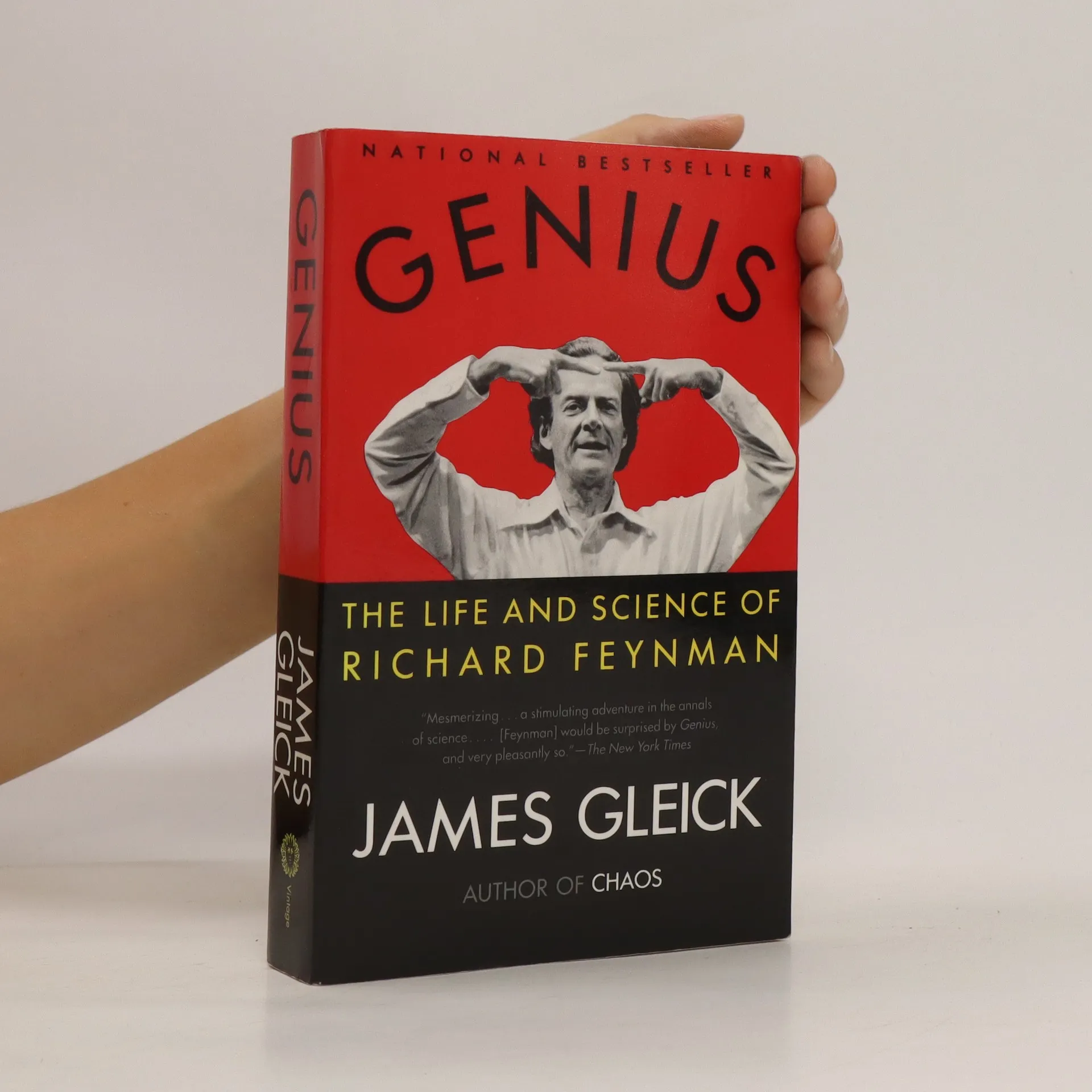
      Richard Feynman was the most brilliant and influential physicist of our time. Architect of quantum theories, enfant terrible of the atomic bomb project, caustic inquisitor on the space shuttle commission, ebulent bongo-player and storyteller - Feynman played a bewildering assortment of roles in the science of the post-war era. A brilliant interweaving of Richard Feynman's colourful life and a detailed and accessible account of his theories and experiments.

      Genius
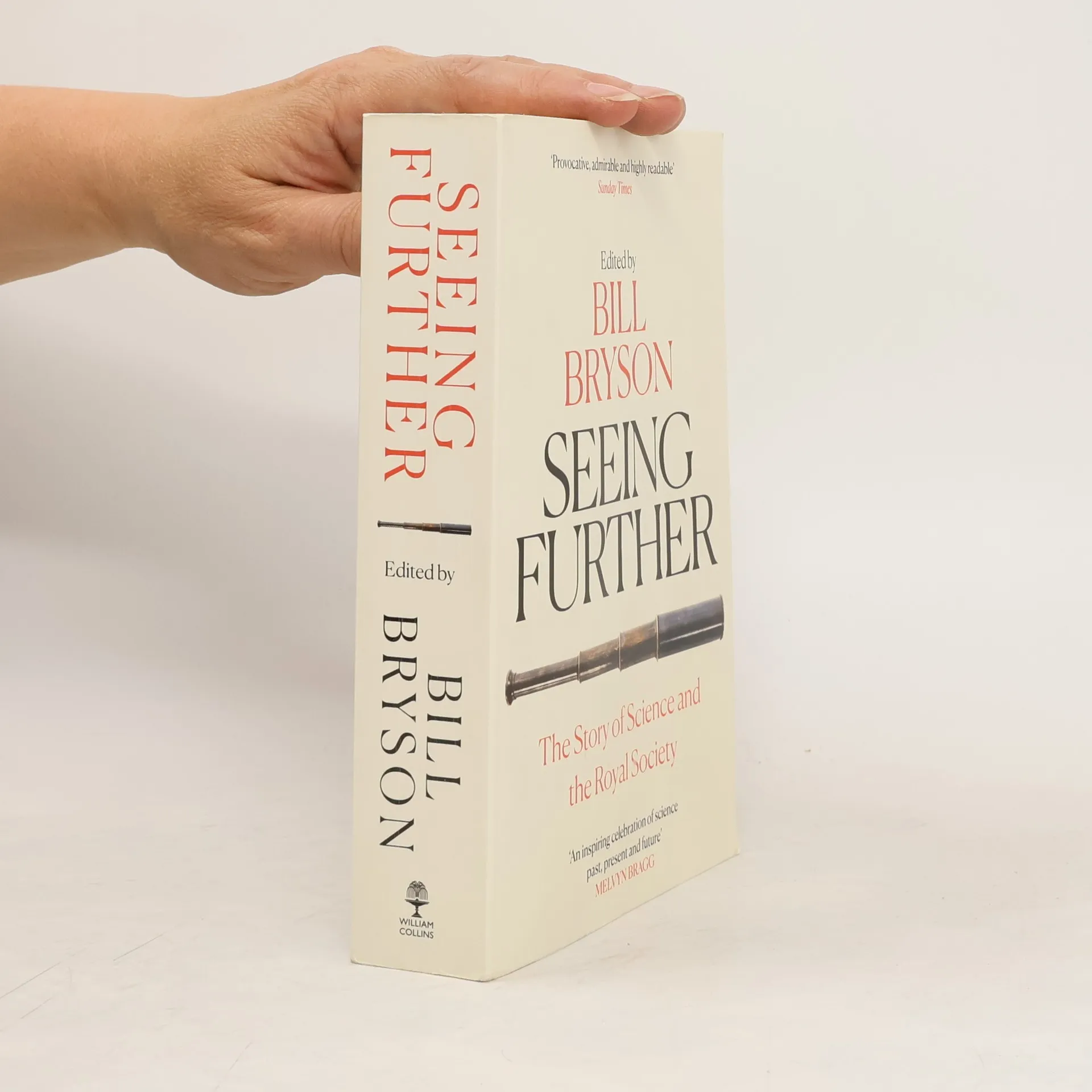
    • Edited and introduced by Bill Bryson, with contributions from Richard Dawkins, Margaret Atwood, Richard Holmes, Martin Rees, Richard Fortey, Steve Jones, James Gleick and Neal Stephenson amongst others, this beautiful, lavishly illustrated book tells the story of science and the Royal Society, from 1660 to the present.

      Seeing Further
    • Isaac Newton

      • 272 stránek
      • 10 hodin čtení
      3,8(8482)Ohodnotit

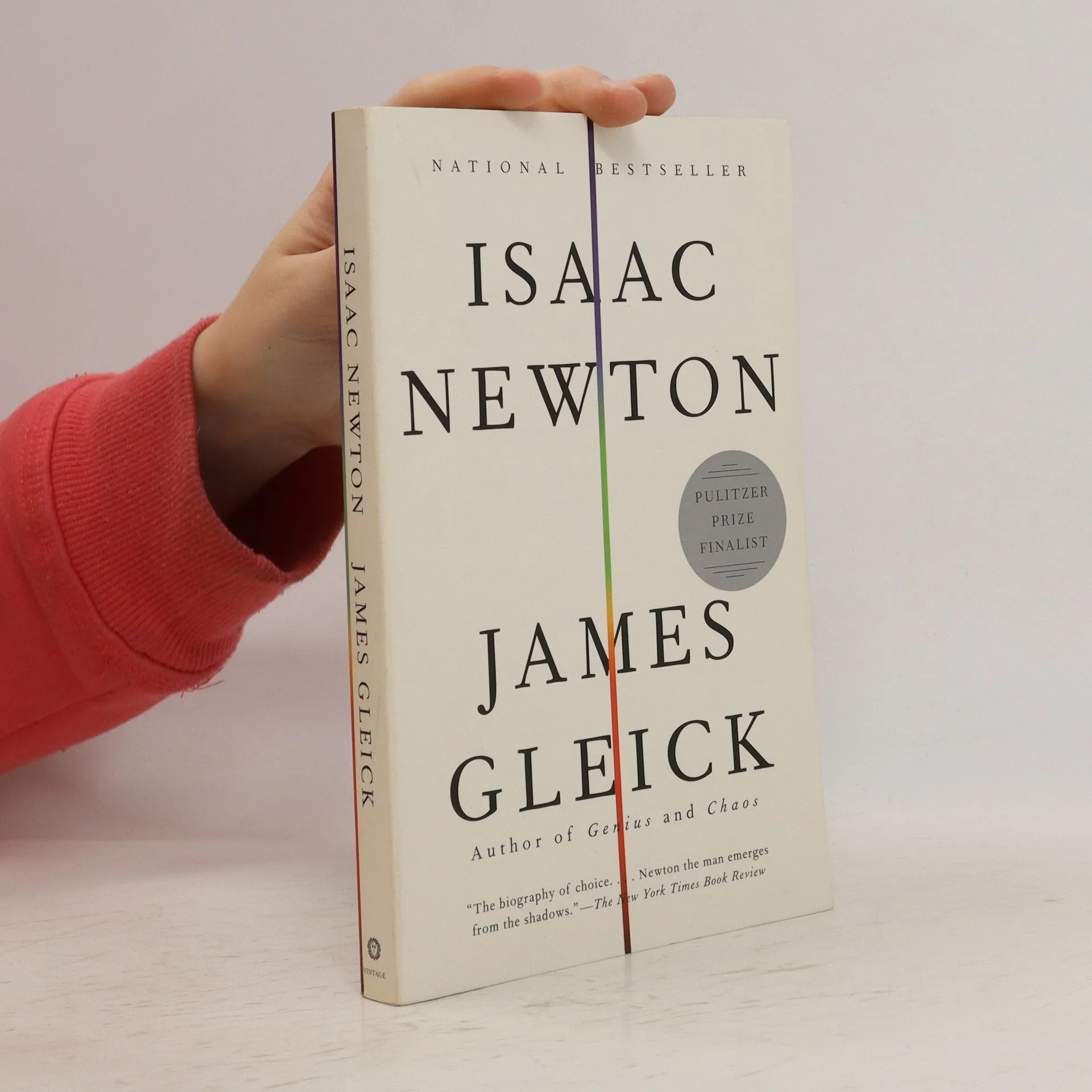
      Isaac Newton was born in a stone farmhouse in 1642, fatherless and unwanted by his mother. When he died in London in 1727 he was so renowned he was given a state funeral—an unheard-of honor for a subject whose achievements were in the realm of the intellect. During the years he was an irascible presence at Trinity College, Cambridge, Newton imagined properties of nature and gave them names—mass, gravity, velocity—things our science now takes for granted. Inspired by Aristotle, spurred on by Galileo’s discoveries and the philosophy of Descartes, Newton grasped the intangible and dared to take its measure, a leap of the mind unparalleled in his generation.James Gleick, the author of Chaos and Genius, and one of the most acclaimed science writers of his generation, brings the reader into Newton’s reclusive life and provides startlingly clear explanations of the concepts that changed forever our perception of bodies, rest, and motion. Ideas so basic to the twenty-first century we literally take them for granted.

      Isaac Newton
    • What Just Happened

      • 301 stránek
      • 11 hodin čtení
      3,6(23)Ohodnotit

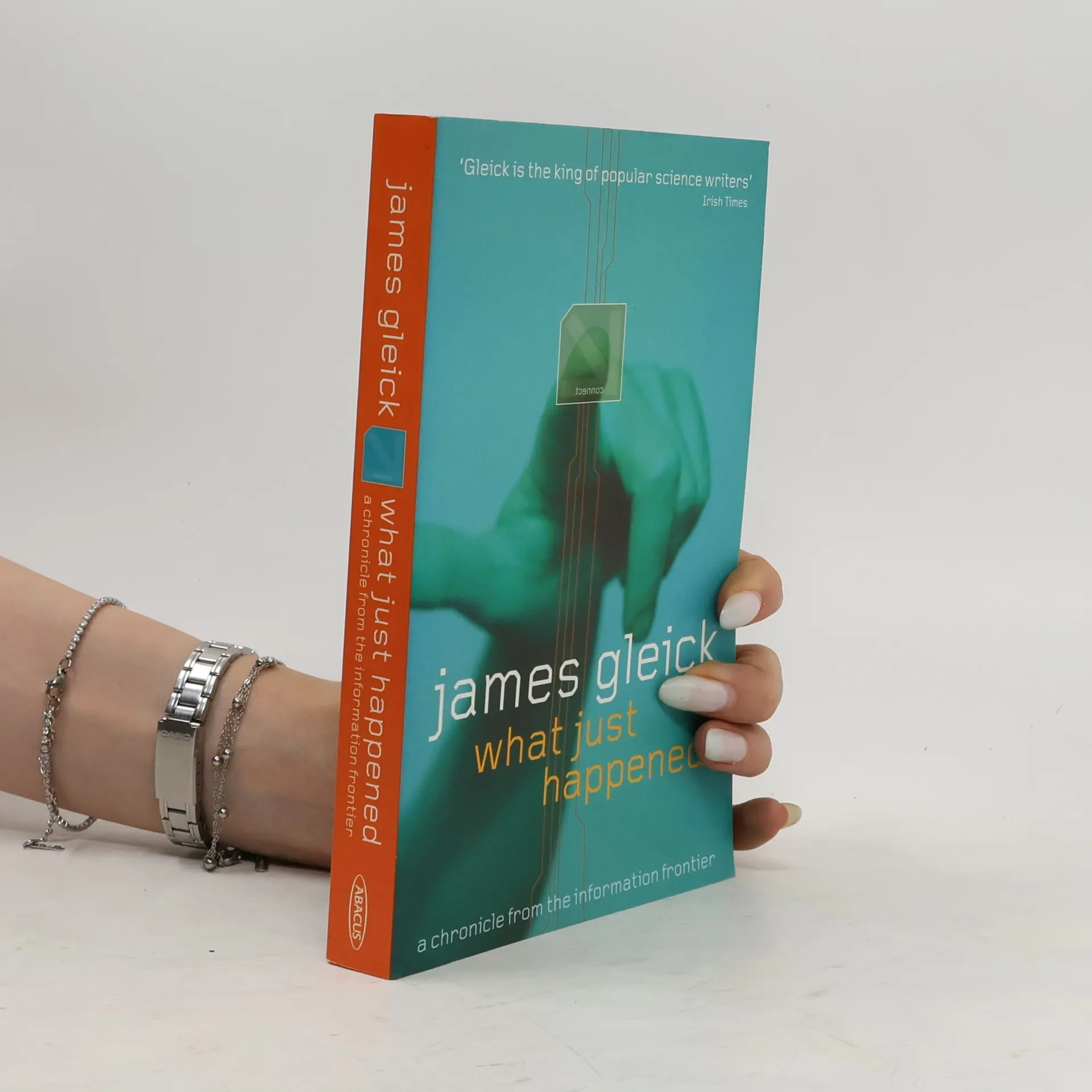
      We are quick to acknowledge that our lives have been transformed by technology over the last ten years - that virtual reality has become as permanent a fixture in our lives as material reality; but the arrival of the electronic world over the last ten years was not a single invention, nor a single event; it could not be encompassed in a single moment. The last ten years can be characterized in three ways: the speed, the hysteria and the remarkable range of devices, aspects, and larger ramifications of what happened. Everyone knows about the accelerated pace of our lives. Everyone recognizes that the clamour has become unprecedented, but as much as we have all lived through the last ten years, it is hard to grasp the extent and expanse of what has happened.

      What Just Happened
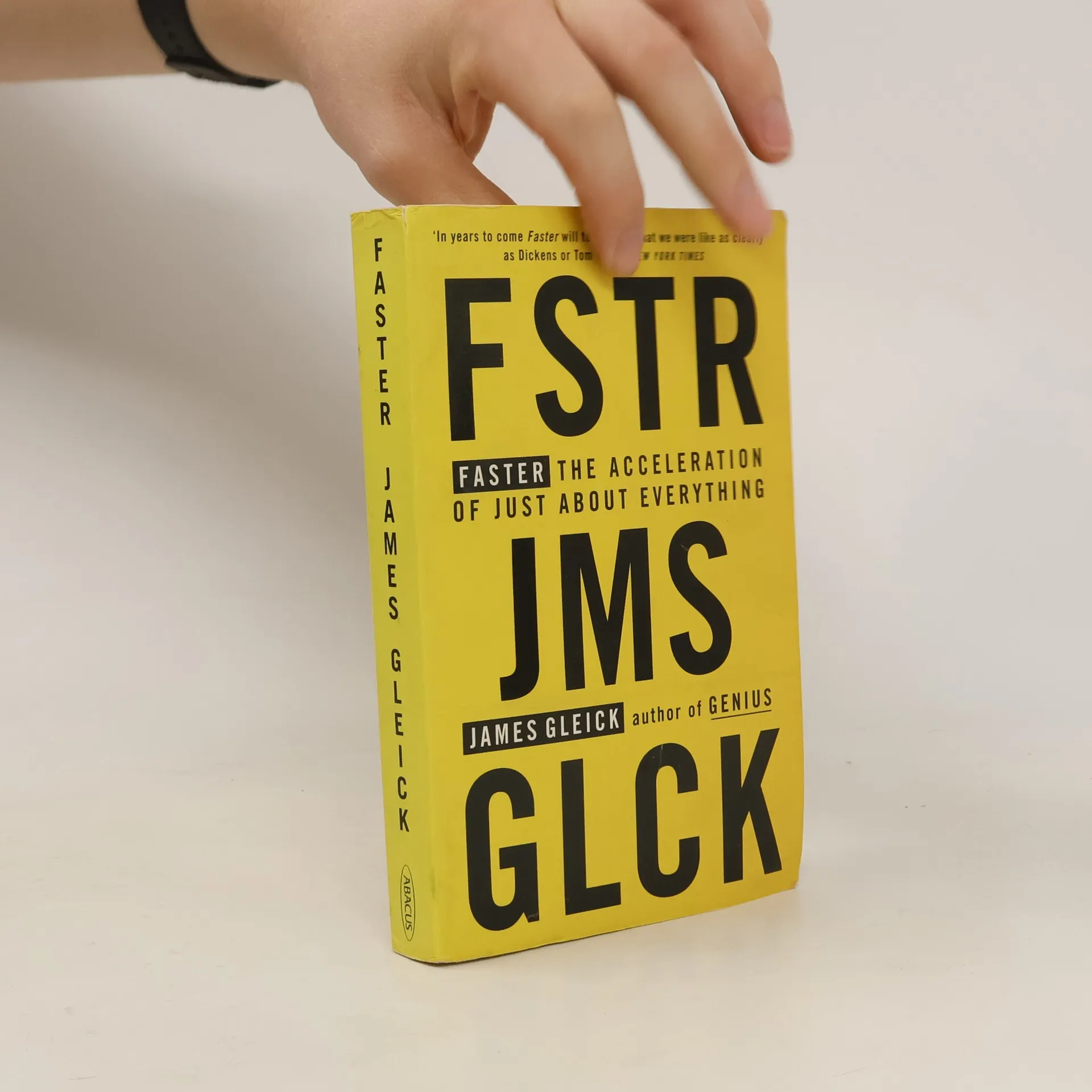
    • Faster

      • 326 stránek
      • 12 hodin čtení
      3,6(118)Ohodnotit

      Time is the datum that rules our lives. The frenetic purpose - more than we want to admit - is to save time. Think of one of those conveniences that best conveys the most elemental feeling of power over the passing the microwave oven. In your "hurry sickness" you may find yourself punching 88 seconds instead of 90 because it is faster to tap the same digit twice. Do you stand at the microwave for that minute and a half? Or is that long enough to make a quick call or run in the next room to finish paying a bill? If haste is the gas pedal for the pace of our lives, then multi-tasking is overdrive. This work dissects our unceasing daily struggle to squeeze as much as we can - but never enough - into the 1440 minutes of each day. Speed is the key strategy for saving time, and James Gleick shows us how in just about every area - from business cycle time to beeper medicine, from Federal Express to quick playback buttons on answering machines, from the pace of television to our growing need to do two things at once, speed has become the experience we all have in common - it, more than the message, is what connects us.

      Faster
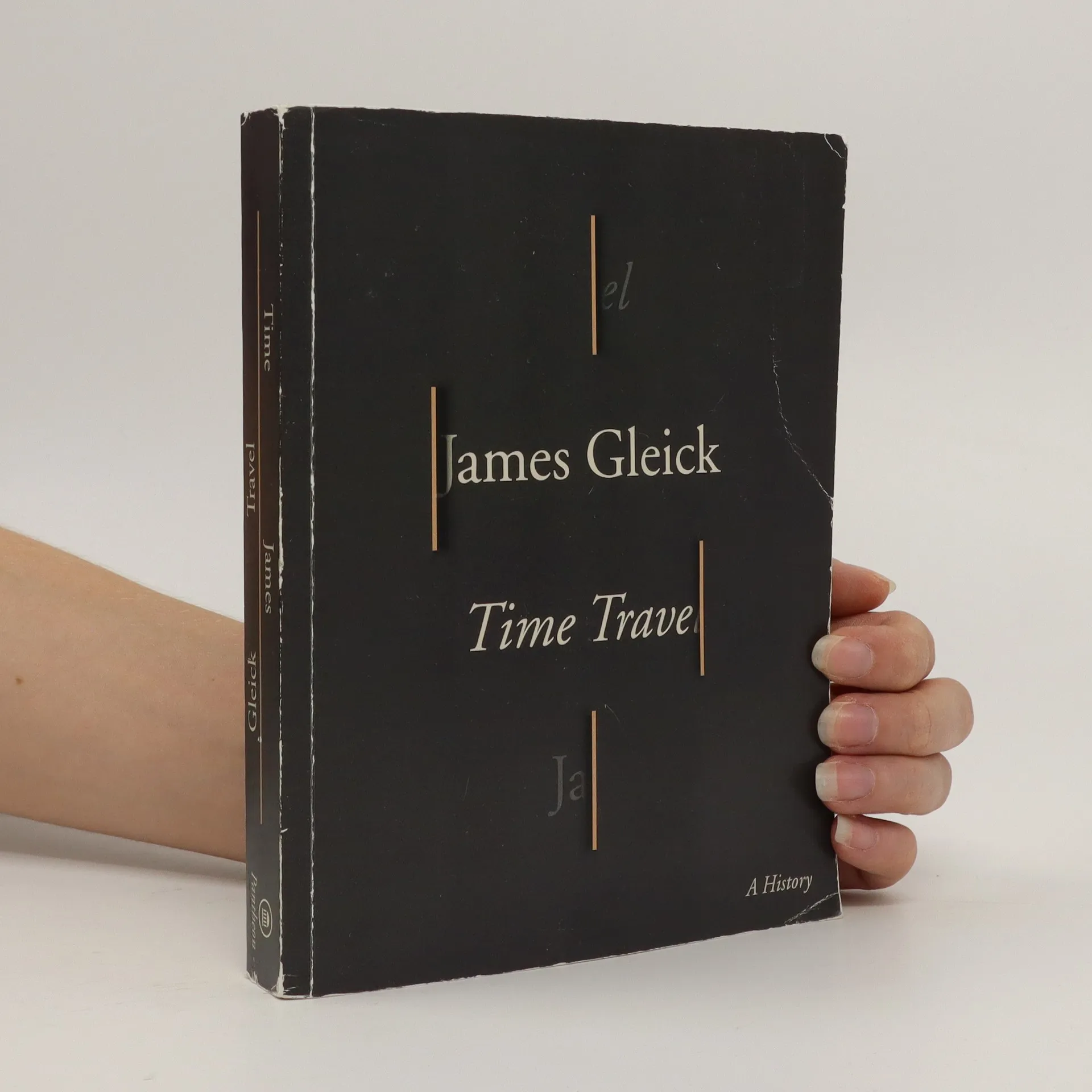
    • Time Travel

      • 352 stránek
      • 13 hodin čtení
      3,6(81)Ohodnotit

      From the acclaimed author of "The Information" and "Chaos, " a mind-bending exploration of time travel: its subversive origins, its evolution in literature and science, and its influence on our understanding of time itself. Gleick's story begins at the turn of the twentieth century with the young H. G. Wells writing and rewriting the fantastic tale that became his first book, an international sensation, "The Time Machine." A host of forces were converging to transmute the human understanding of time, some philosophical and some technological the electric telegraph, the steam railroad, the discovery of buried civilizations, and the perfection of clocks. Gleick tracks the evolution of time travel as an idea in the culture from Marcel Proust to "Doctor Who, " from Woody Allen to Jorge Luis Borges. He explores the inevitable looping paradoxes and examines the porous boundary between pulp fiction and modern physics. Finally, he delves into a temporal shift that is unsettling our own moment: the instantaneous wired world, with its all-consuming present and vanishing future."

      Time Travel
    • Caos

      La nascita di una nuova scienza

      • 348 stránek
      • 13 hodin čtení

      Una goccia che si spande nell'acqua, le fluttuazioni delle popolazioni animali, i ritmi della fibrillazione cardiaca, la Grande Macchia Rossa di Giove, le oscillazioni dei prezzi, gli errori del computer. Sono fenomeni apparentemente assai diversi, con un solo tratto in comune: per la scienza tradizionale appartengono al mondo dell'imprevedibile, al "caos". Ma da due decenni gli scienziati stanno scoprendo che dietro il "caos" c'è un ordine nascosto, cha da origine a fenomeni complessi a partire da regole semplici. Gleick racconta la nascita e l'evoluzione della "scienza del caos" seguendone le tappe attraverso i ritratti dei suoi protagonisti. Ed in questo percorso appassionante riesce a suggerire un diverso modo di osservare il mondo.ou will never look at the world in quite the same way again.

      Caos