
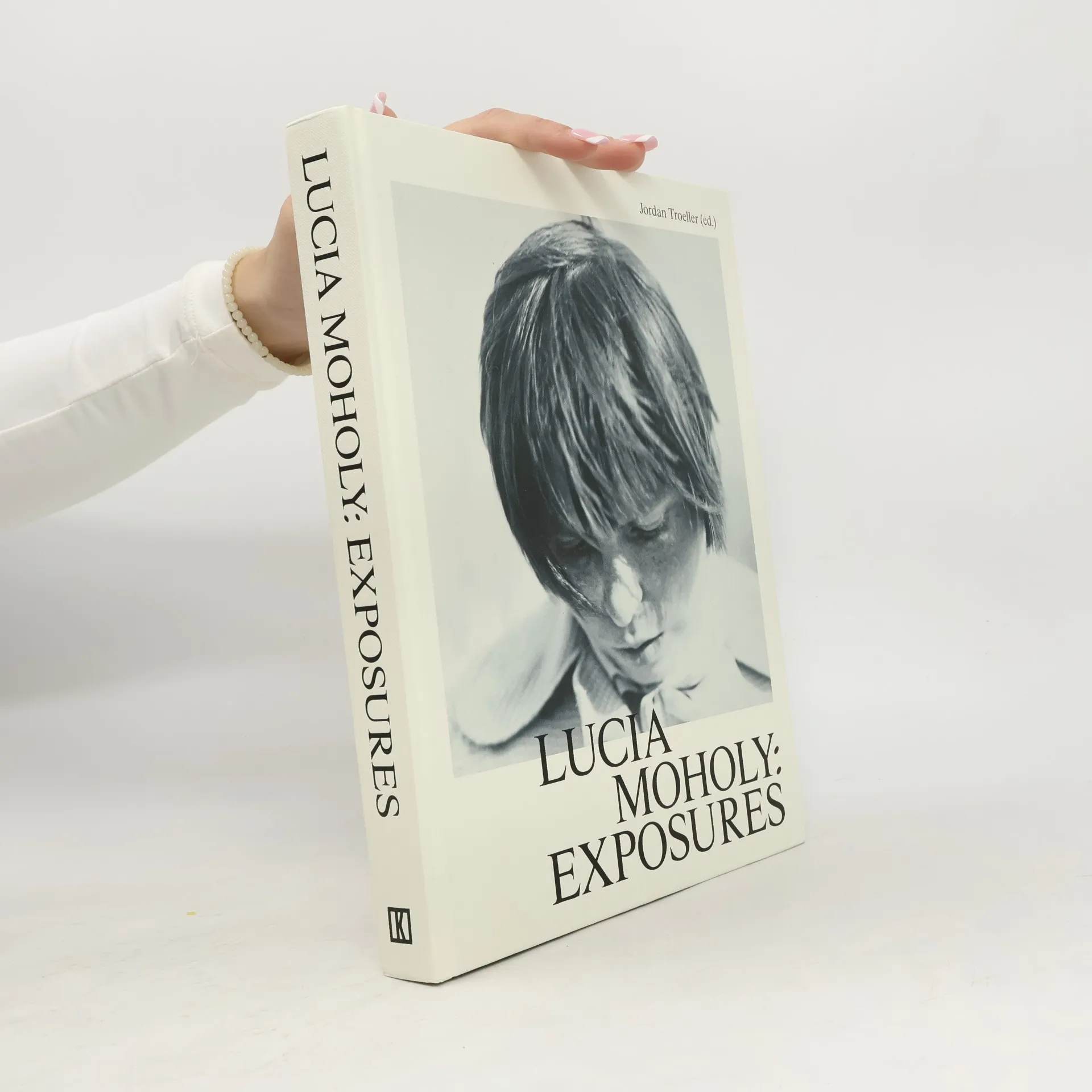
Jako fotografka, portrétistka, odbornice na dokumentační činnost a autorka mnoha publicistických textů se Lucia Moholy (1894–1989) vzpírá jasné kategorizaci. Působila aktivně jak v avantgardních kruzích, tak na poli informační vědy, kde přispívala k prohloubení porozumění vizuální reprodukci. Oproti předchozím titulům věnovaným Lucii Moholy, které omezovaly její úspěchy na pětileté působení na Bauhausu, publikace Lucia Moholy: Exposures poprvé zachycuje celou šíři její publikační i fotografické činnosti. Obsáhlé eseje čerpající z nových archivních nálezů odhalují její mládí v Praze na přelomu století, zapojení v radikálních sociálních hnutích ve dvacátých letech 20. století v Německu v období Výmarské republiky, emigraci do Londýna, kde se jejími kolegy a přáteli stali i členové skupiny Bloomsbury, dále její působení v oblasti mikrofilmové a vědecké dokumentace za druhé světové války, pracovní působení v Turecku pro UNESCO i její přijetí mladší uměleckou generací, včetně Jana Tichého. Publikace přibližuje, jak mezioborový přístup k fotografii uplatňovaný Moholy ve všech těchto kontextech předznamenal postanalogovou současnost tohoto média.
Oliver A. I. Botar Knihy


Sensing the Future: Moholy-Nagy, Media and the Arts
- 191 stránek
- 7 hodin čtení
Life in the digital economy of information and images enriches us but often induces a sense of being overwhelmed. Sensing the Future: Moholy-Nagy, Media and the Arts considers the impact of technology by exploring ways it was addressed in the practice of the Hungarian polymath artist László Moholy-Nagy (1895-1946), a prominent professor at the Bauhaus and a key figure in the history of Modernism. Moholy-Nagy felt that people needed guidance to cope with the onslaught of sensory input in an increasingly technologized, mediatized, hyper-stimulating environment. His ideas informed media theorists such as Walter Benjamin, John Cage, Sigfried Giedion, and Marshall McLuhan, who anticipated digital culture as it emerged. Should we then regard Moholy-Nagy as a pioneer of the digital? His aesthetic engagement with the technology/body problematic broached the notions of immersion, interactivity and bodily participation, innately offering a critique of today’s disembodiment. Was he then both a pioneer and a proto-critic of the digital? This book is intended to introduce this seminal figure of post-medial practices to younger generations and, by including responses to his work by contemporary artists, to reflect on the ways in which his work is relevant to artistic practice now. Having been highly praised by experts, this classic receives a second and slightly revised edition.