Menandros Knihy
Menandros, nejvýznamnější představitel nové atické komedie, pocházel z majetné rodiny a své nadání pro komediální drama zřejmě zdědil po svém strýci Alexidovi. Jeho díla se vyznačovala bystrým pozorováním lidských povah a společenských vztahů, přičemž často zkoumala témata lásky, rodiny a osudu. Prostřednictvím vtipných dialogů a propracovaných zápletek nabízel Menandros nadčasový pohled na lidskou povahu, který rezonuje i v dnešní době. Jeho vliv na pozdější vývoj komedie je nesporný, neboť položil základy pro mnoho dramatických prvků, které se staly standardem v evropském divadle.

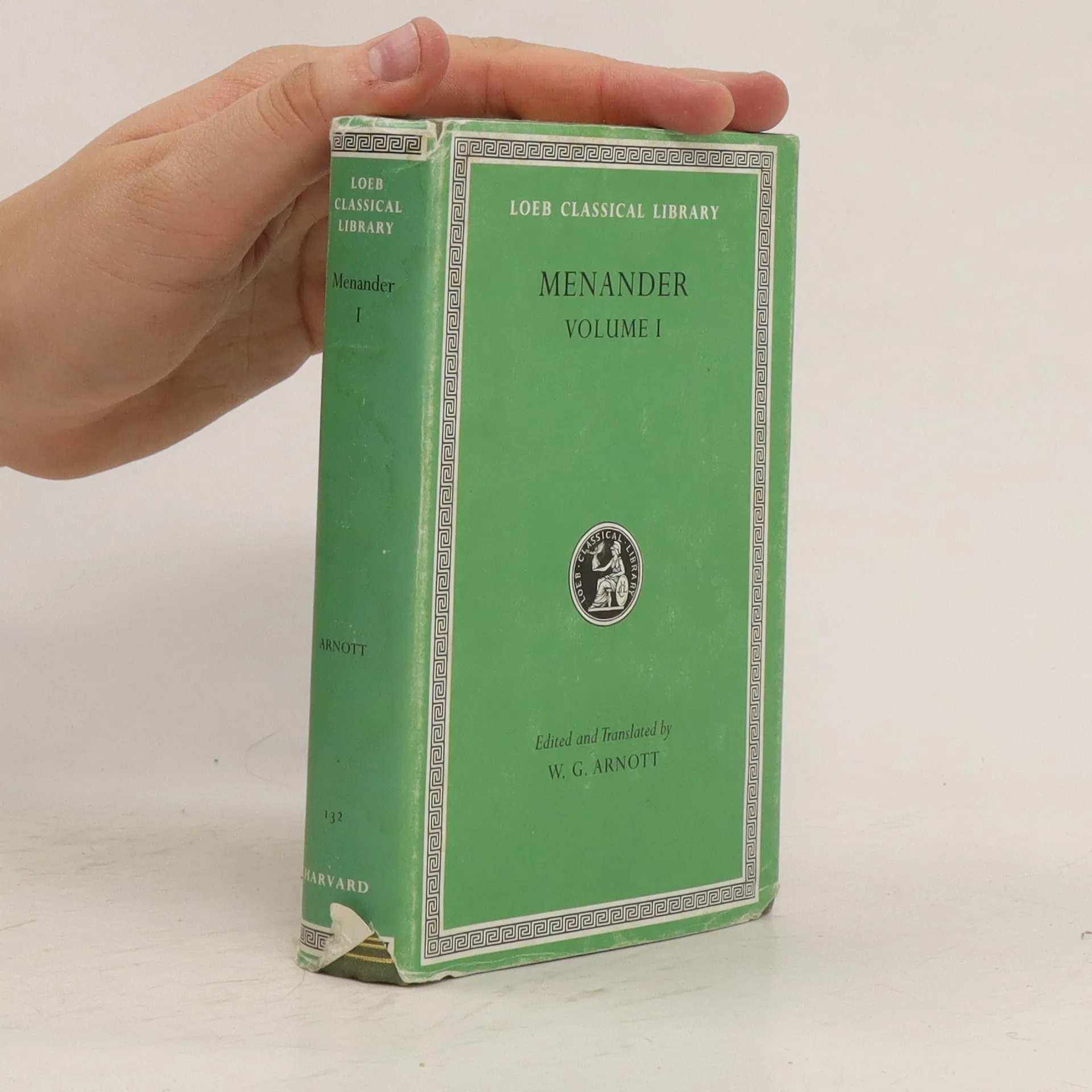
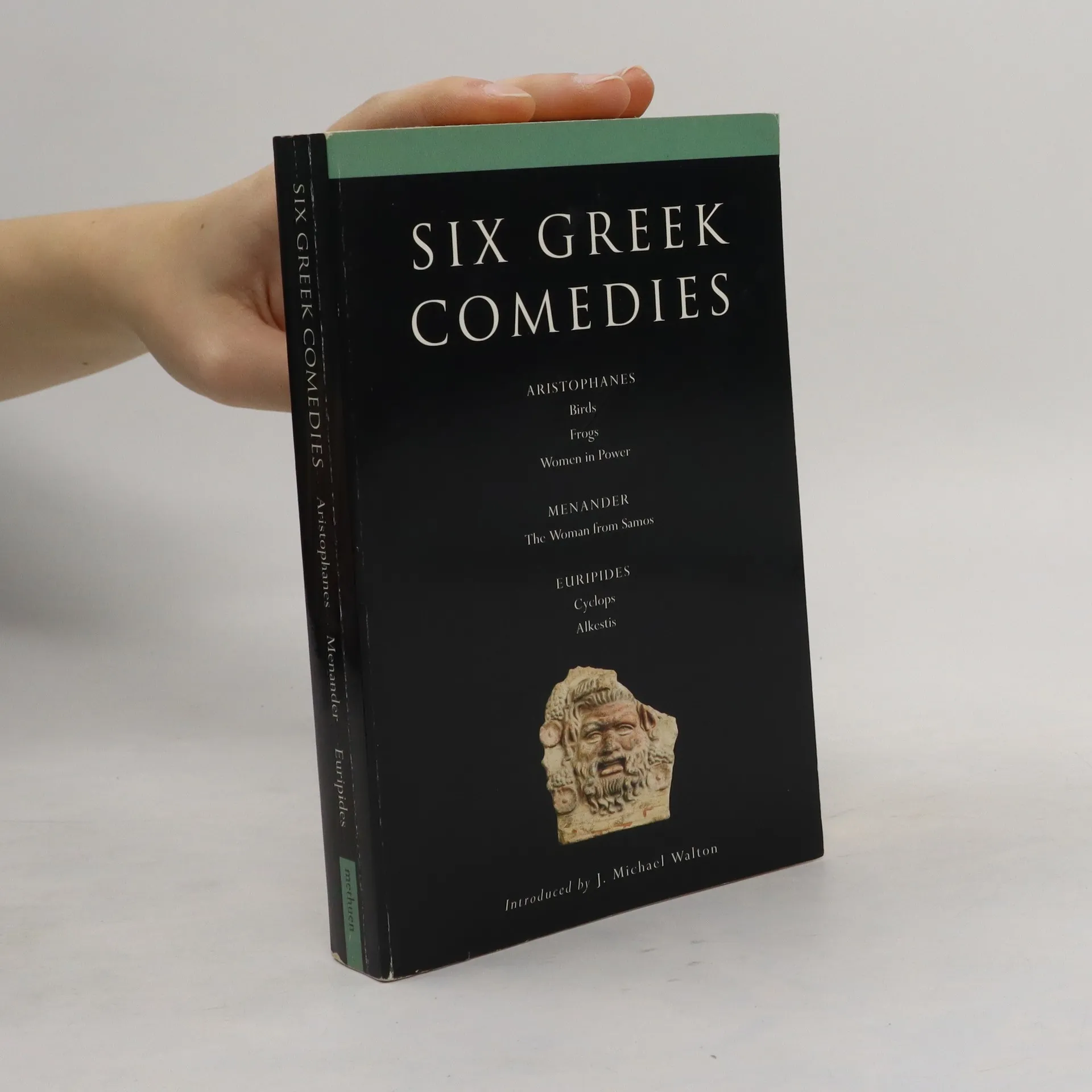
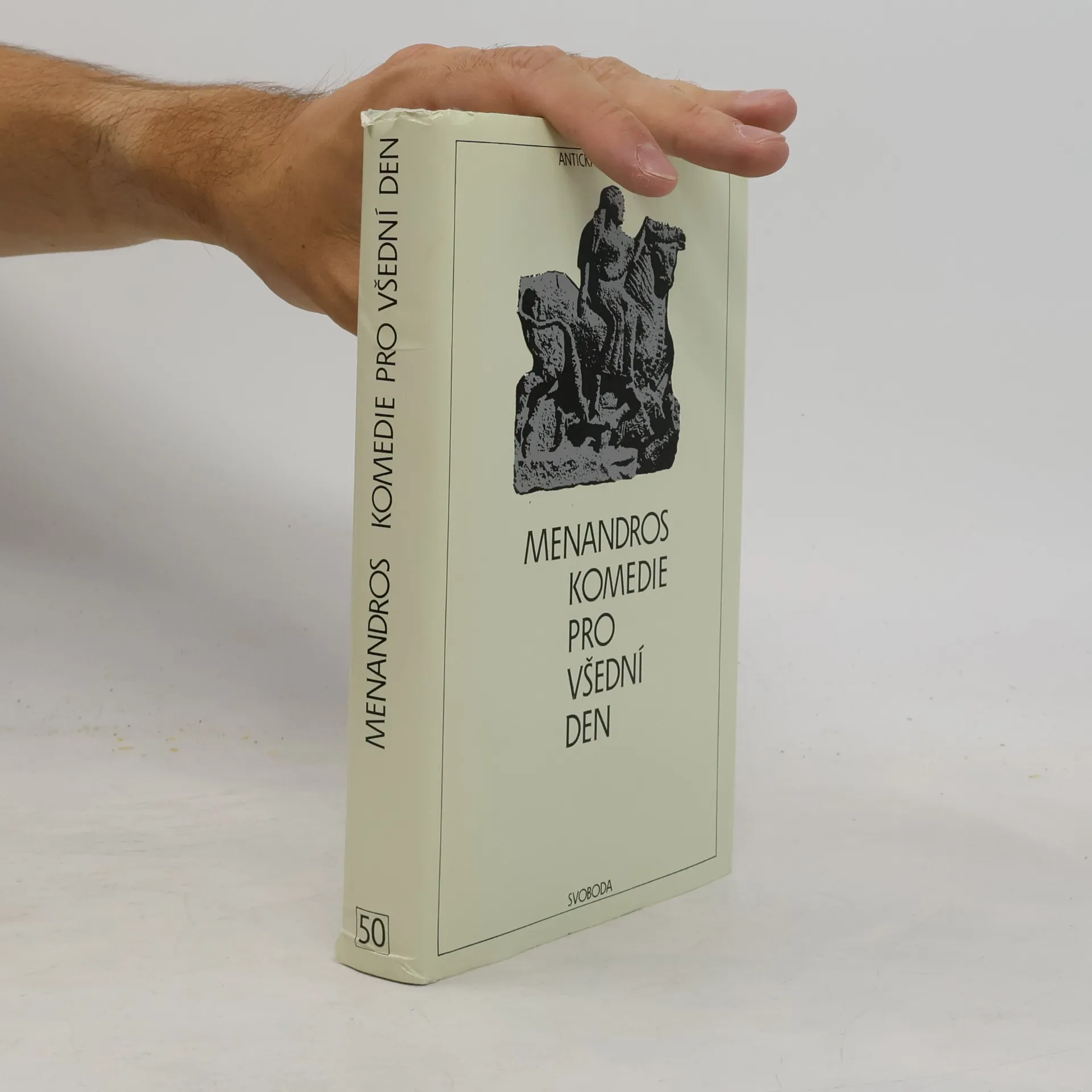
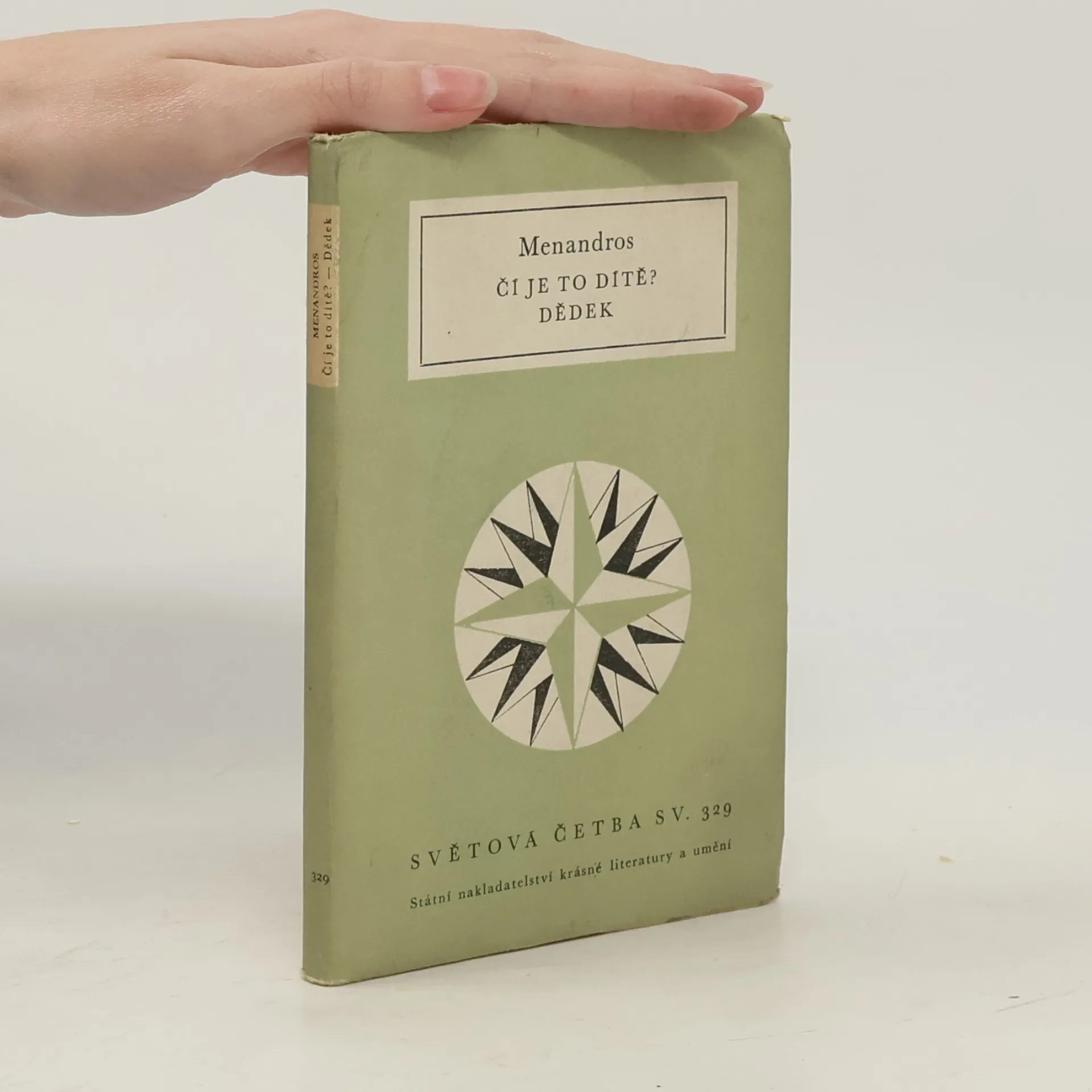
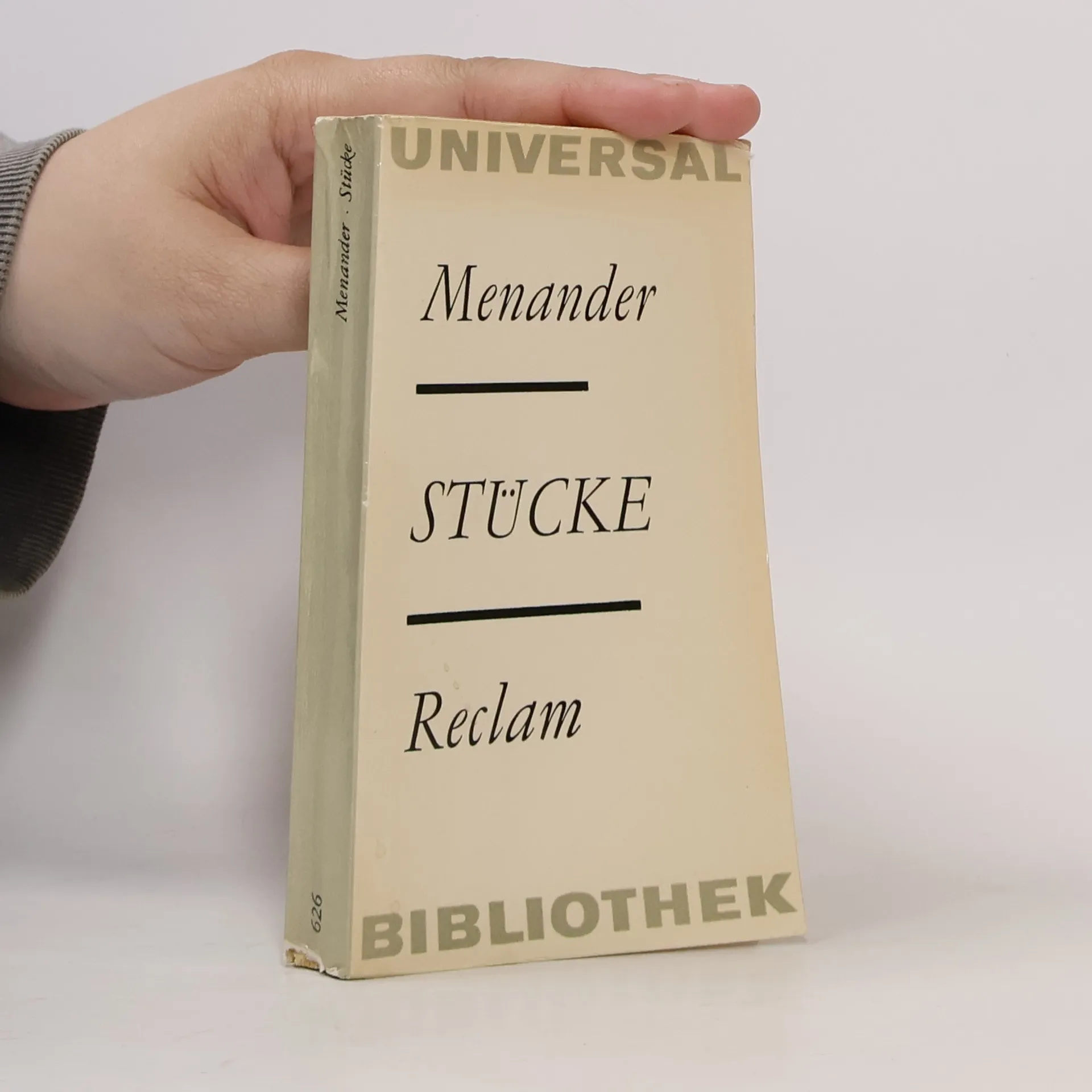
Tento reprezentativní soubor Menandrova díla obsahuje téměř vše, co se z Menandrova díla dochovalo - a to nejen komedie, ale i výbor z tzv. menandrovských úsloví. Český čtenář má příležitost seznámit se z výše zmíněnými nálezy, jež patří k největším literárním objevům 20. století, a dostatečně nahlédnout do dílny autora, který ve své době nebyl příliš úspěšný, ale zásadně ovlivnil římskou komedii prostřednictvím Plauta a Terentia i komedii moderní.
Six Greek Comedies
Birds. Frogs. Women in Power. The Woman from Samos. Cyclops. Alkestis
- 256 stránek
- 9 hodin čtení
Six wide ranging classic plays with introduction by the editorThe comedies of the Athenian theatre not only lie at the root of Western drama, they also offer a unique insight into everyday life in ancient Greece. This selection of six wide ranging plays includes the comic fantasies of Aristophanes, which combine the ridiculous with serious satirical comment (Birds, Frogs, Women in Power); Menander's The Woman from Samos, a recognisable forebear of today's situation comedy; Euripides ribald satyr play, Cyclops, the only surviving example of the genre, and his Alkestis, a complex romance which gave a new face to comedy.The volume is edited and introduced by J. Michael Walton, Professor of Drama at the University of Hull and founder/director of the Performance Translation Centre there.
Menander. Vol. 1
- 592 stránek
- 21 hodin čtení
MENANDER (?344/3-292/1 B.C.) of Athens was the leading playright of the 'New Comedy', a type of drama which has influenced the modern 'Comedy of Manners' and (indirectly at least writers as disparate as Oscar Wilde and P.G. Wodehouse. Menander wrote more than 100 plays, but did not become a star until after his death. Many of his comedies were adapted by Roman dramatists. By the middle ages, however, his works were lost, apart from quotations like 'He whom the gods love dies while still a youngster.' Then at the end of the nineteenth century, papyrus texts, preserved from antiquity by the dry heat of Egypt, began to be discovered. These have yielded so far one play virtually complete (Dyskolos), large continuous portions of four more (Aspis, Epitrepontes, Perikeiromene, Samia), and sizable chunks of many others. Menander remains a paradox: artificial plots based on unlikely but conventional coincidences, enlivened by individualised characters, realistic situations and at times deeply moving dialogue. 'Menander and life, which of you imitated the other?'
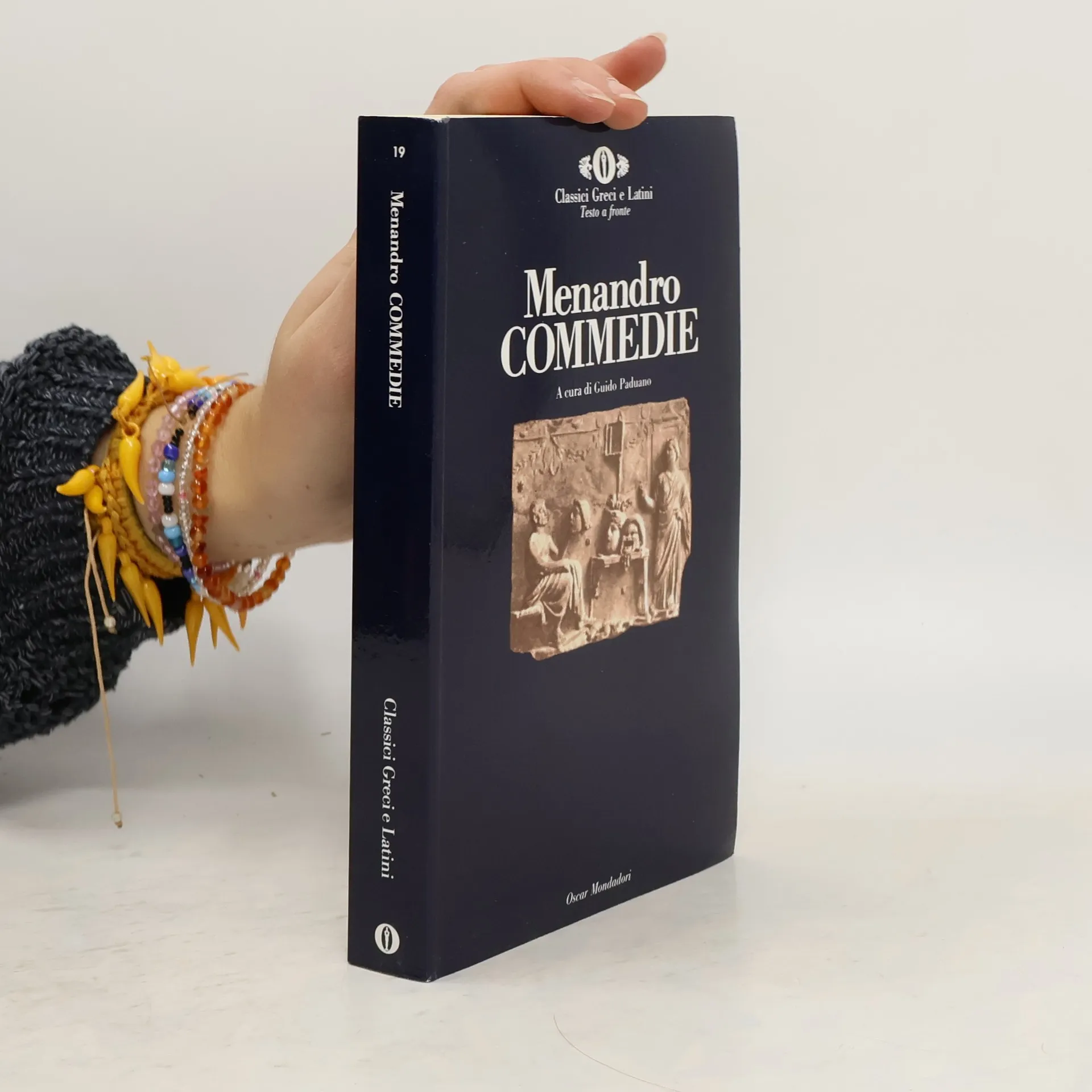
Commedie
- 430 stránek
- 16 hodin čtení
Contiene: Lo scudo, Il misantropo, L'arbitrato, La donna tosata, La donna di Samo Testo greco a fronte L’opera di Menandro, che sembrava essere completamente perduta, è stata in parte recuperata nel nostro secolo grazie a ricerche papirologiche. Questo volume raccoglie le cinque commedie in cui è recepibile una struttura drammatica chiara e consistente. In una Atene definitivamente sottomessa ad Alessandro e nella quale il distacco dalla politica accentua l'individualismo e le quiete aspirazioni borghesi, Menandro porta sempre sulla scena tensioni e turbamenti del nucleo familiare: una fanciulla sedotta, un matrimonio contrastato, la gelosia tra coniugi. Non più quindi la robusta comicità di Aristofane, ma il tenue sorriso del poeta per il quale l’individuo, la cui vita è dominata dal capriccio del caso, può solo esercitare un equilibrato raziocinio che trovi conferma nella solidarietà umana.
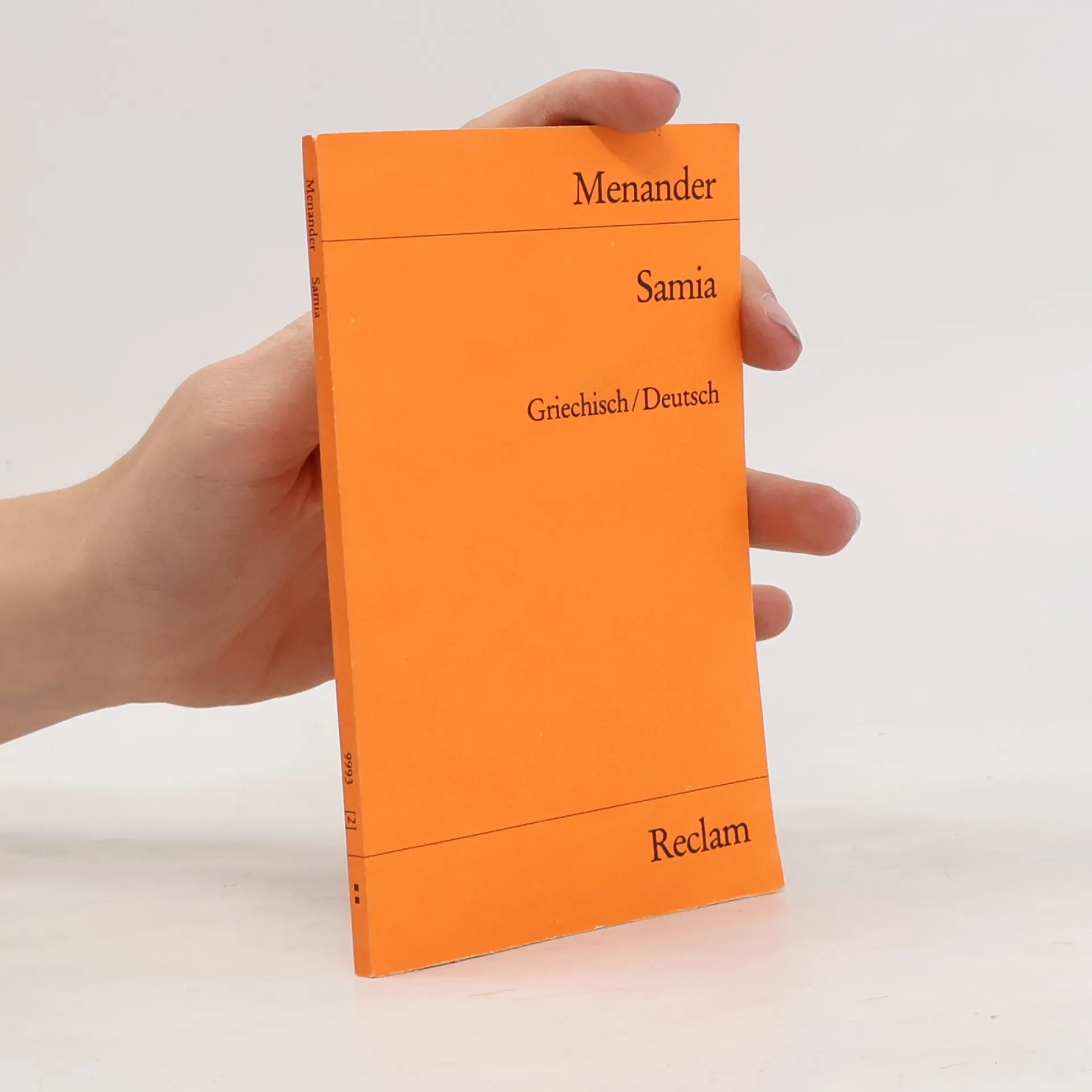
Samia
- 112 stránek
- 4 hodiny čtení
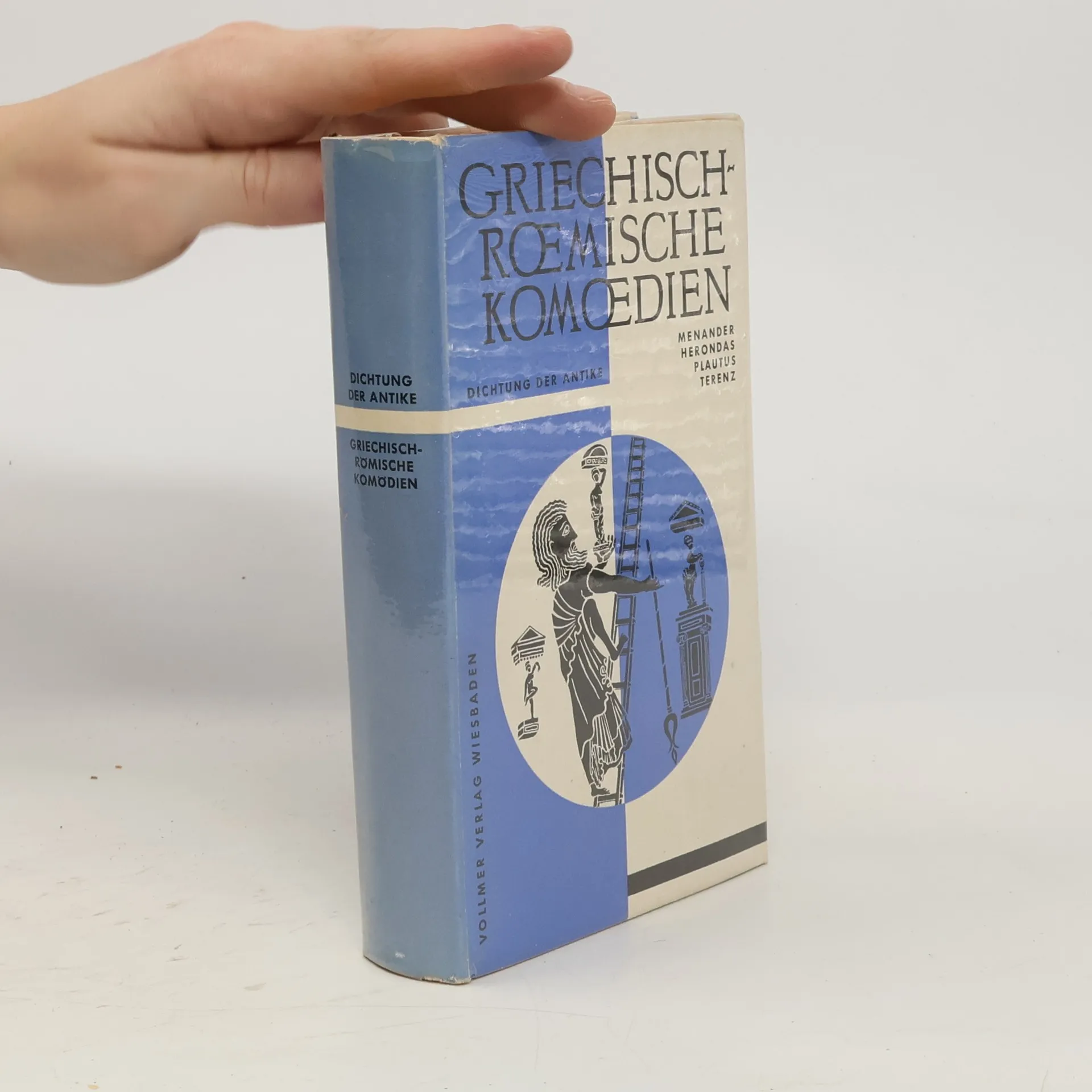
Antike Komödien
- 685 stránek
- 24 hodin čtení
Sammlung von Werken antiker Komödienschreiber wie Aristophanes, Menander und Plautus, herausgegeben von Jürgen Werner. 685 Seiten, 3. Auflage.
Mythos und Logos 2. Menander: Samia
- 72 stránek
- 3 hodiny čtení
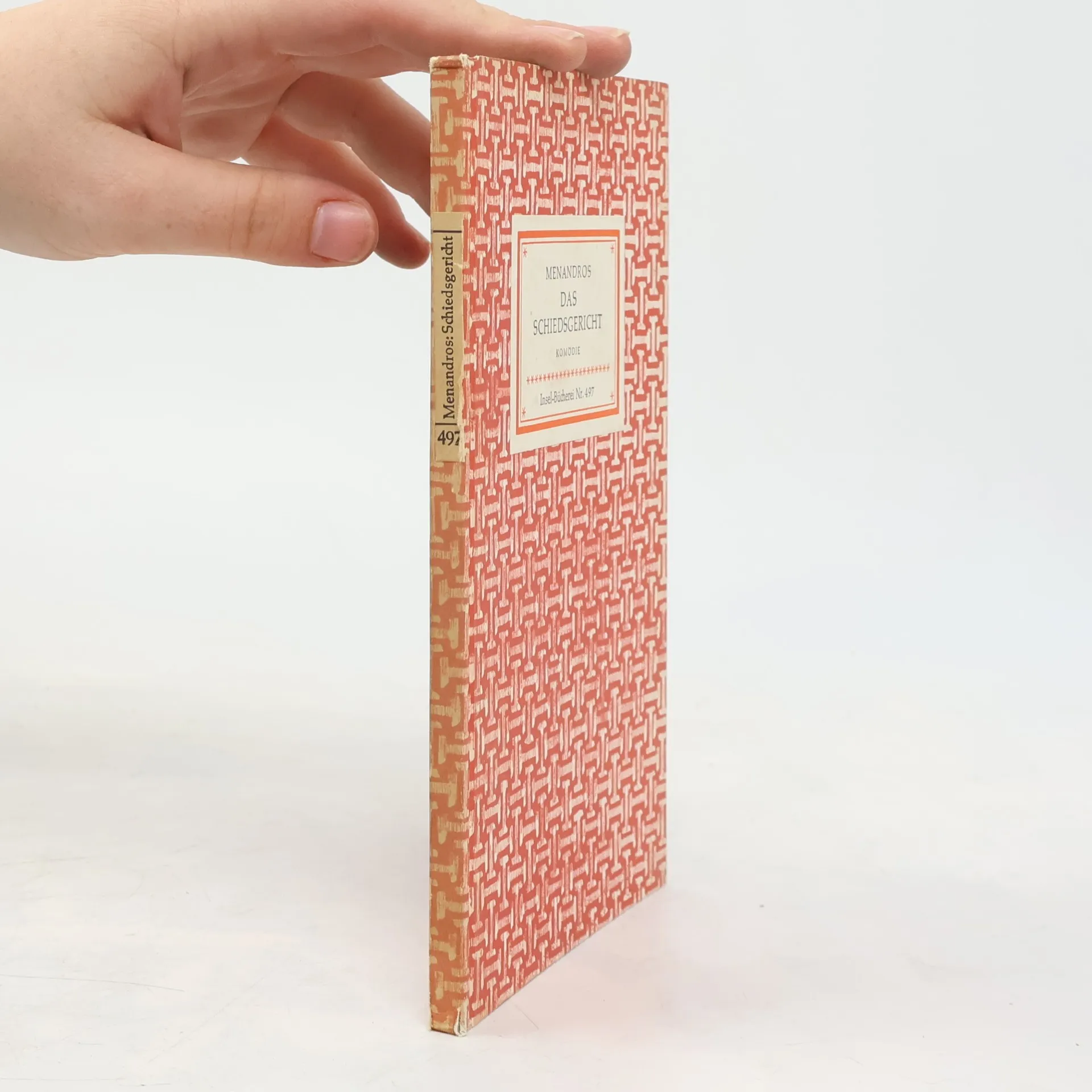
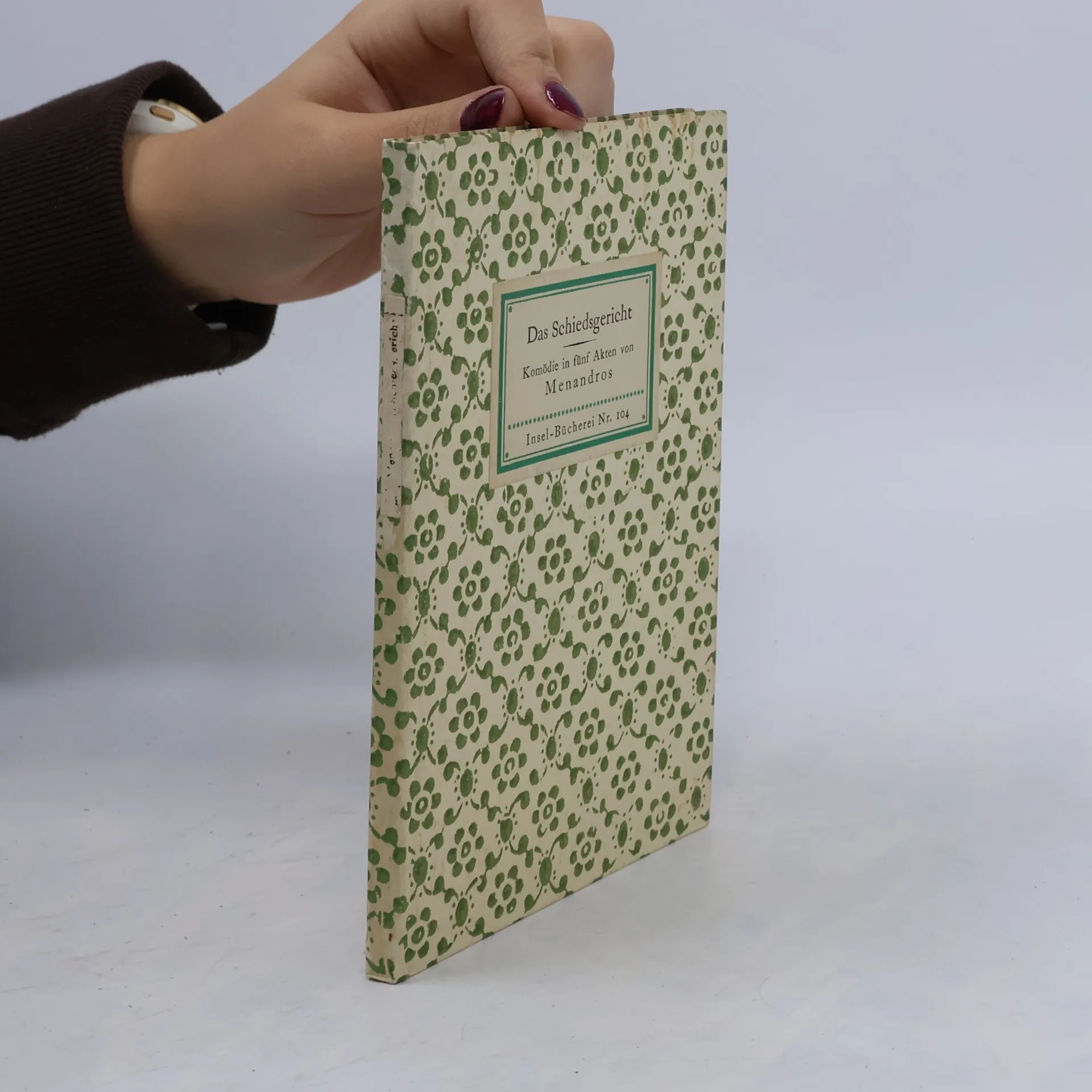
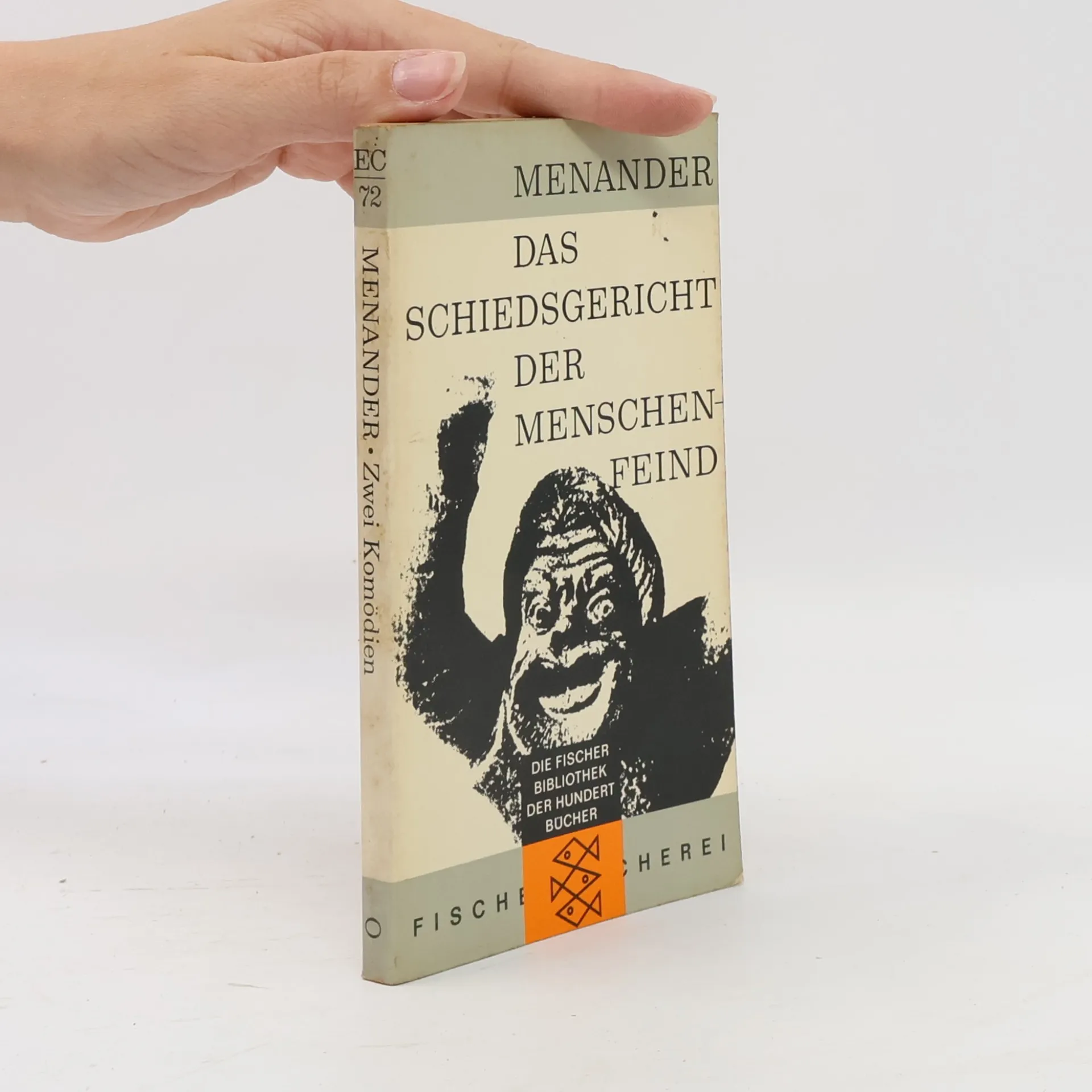
Das Schiedsgericht
Komödie in fünf Akten
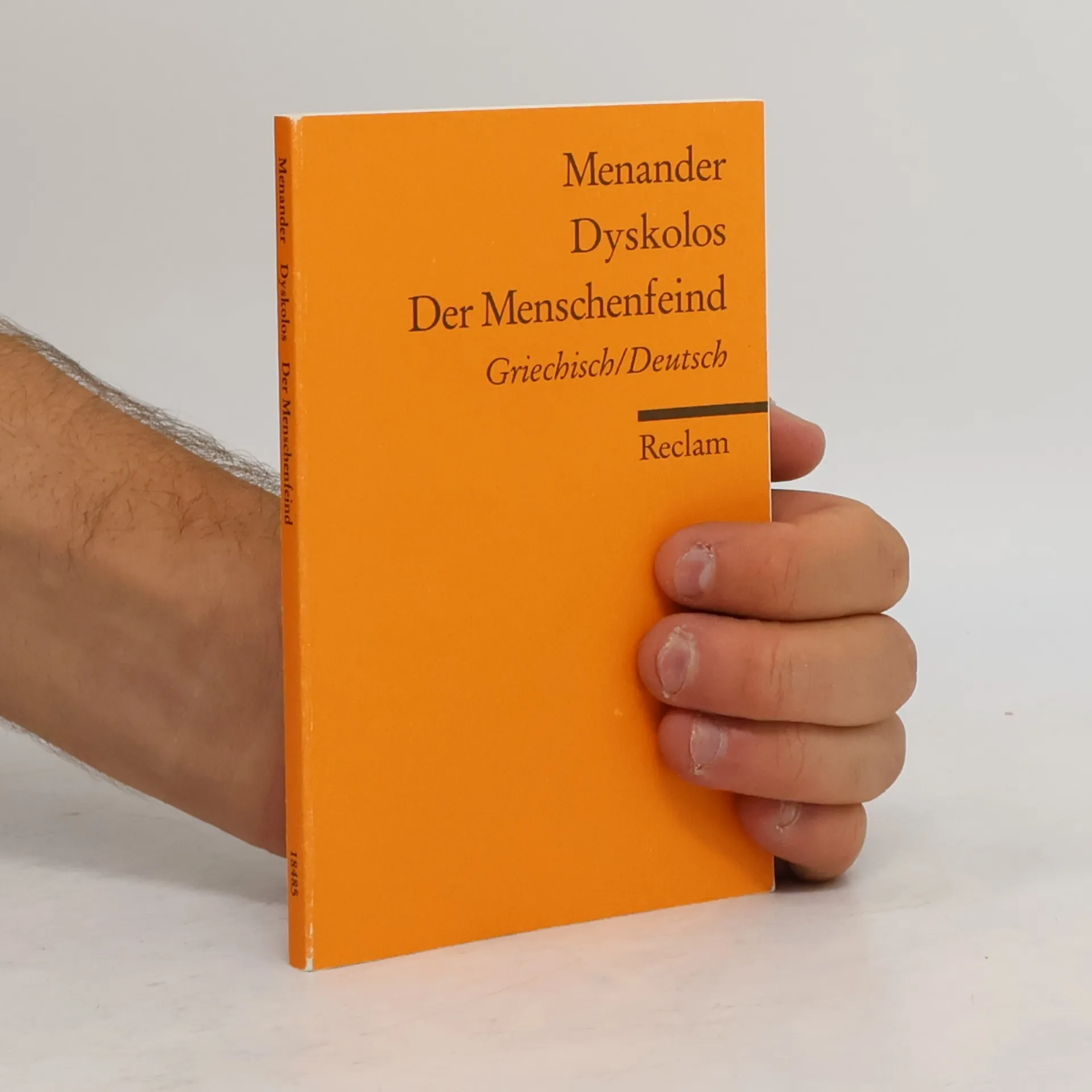
Der Menschenfeind. Dyskolos
- 120 stránek
- 5 hodin čtení
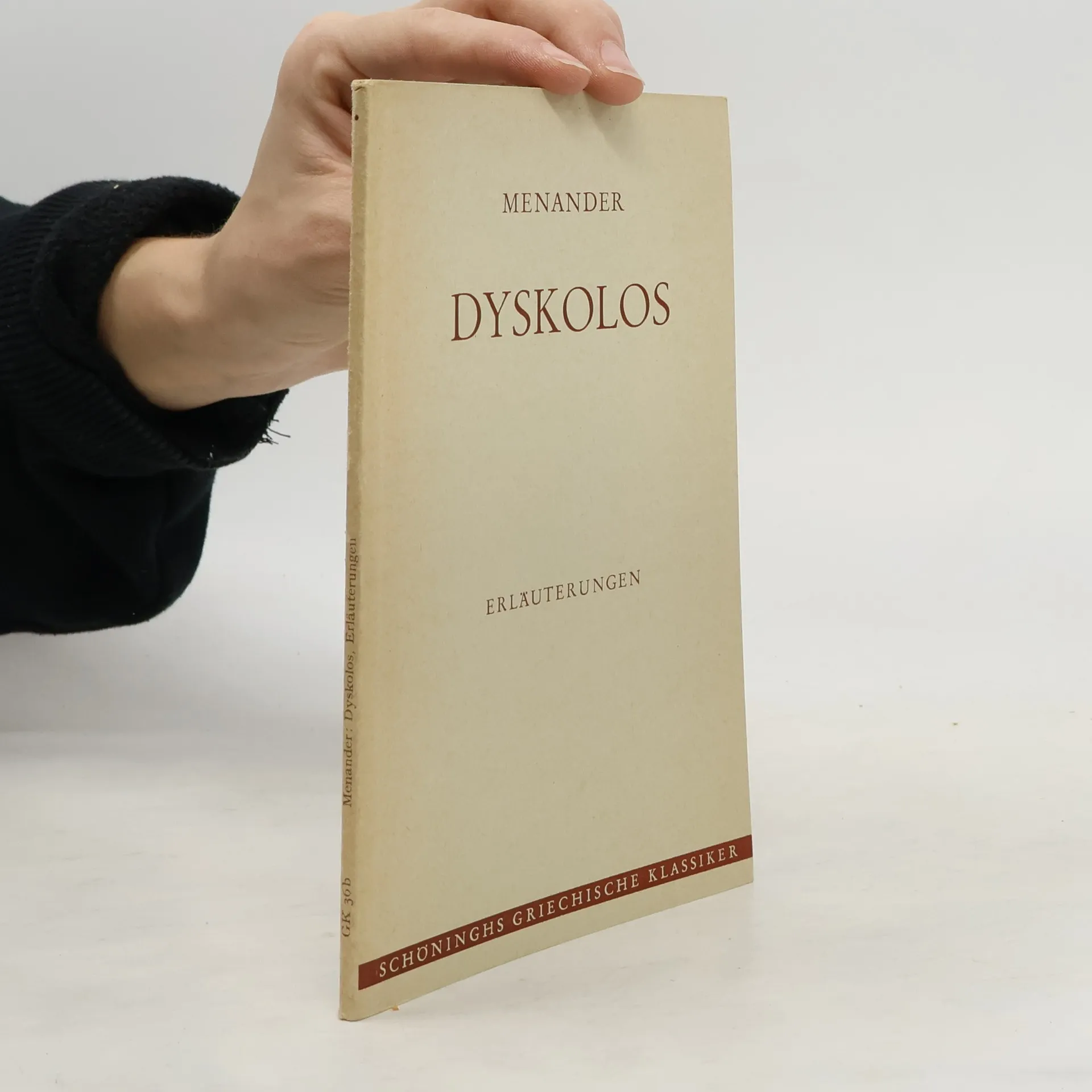
Wer kennt ihn nicht, den Typus des Menschenfeindes, des Griesgrams, der an nichts ein gutes Haar lassen kann? Menander, der letzte "Klassiker" unter den griechischen Dramatikern und der Hauptvertreter der so genannten Neuen Komödie, die von der scharfen Zeichnung ihrer Charaktere lebt, hat diesen Typus in seinem Dyskolos, dem einzigen, nahezu vollständig erhaltene Stück dieser Gattung, verewigt.
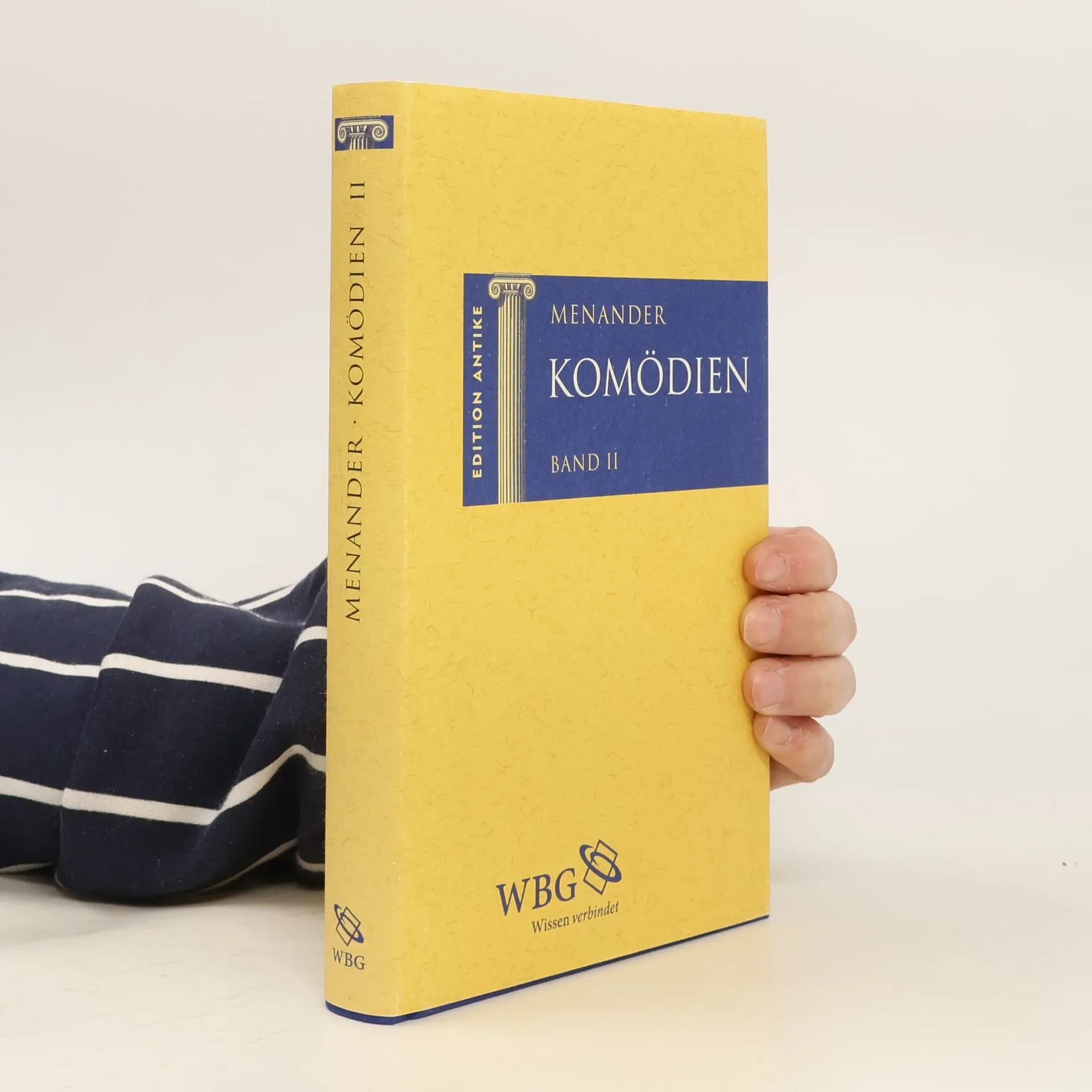
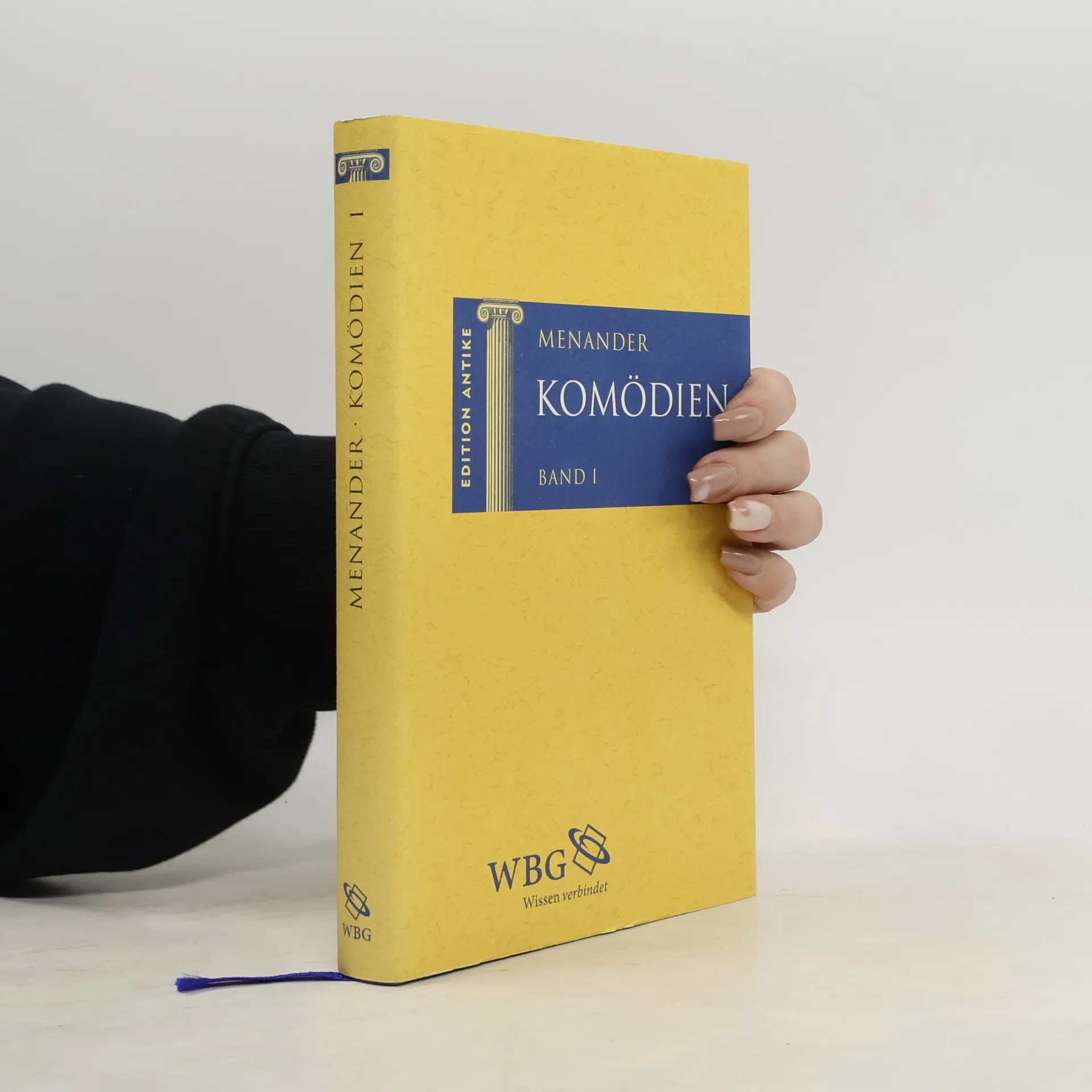
Komödien
- 262 stránek
- 10 hodin čtení
Das Schiedsgericht
Der Menschenfeind