Playmakers
The Jewish Entrepreneurs Who Created the Toy Industry in America
The untold story of the first-generation Jewish American toymakers who literally manufactured "the century of the child."


Michael Kimmel se jako sociolog zaměřuje na genderová studia a je předním světovým výzkumníkem a spisovatelem v oblasti mužství. Jeho práce pronikavě zkoumá, jak jsou mužské identity formovány a jak se vyvíjejí v průběhu historie i v současnosti. S odkazem na rozsáhlý výzkum a rozhovory s mladými muži odhaluje komplexní a často nebezpečný svět, ve kterém chlapci dospívají v muže. Jeho analýzy nabízejí hluboký vhled do kulturních sil ovlivňujících mužské zkušenosti.




The Jewish Entrepreneurs Who Created the Toy Industry in America
The untold story of the first-generation Jewish American toymakers who literally manufactured "the century of the child."
The book explores the tradition of progressive populism through detailed historical case studies, shedding light on its significance and impact. By examining these movements, it draws parallels to contemporary societal challenges, emphasizing the lessons that can be learned from the past. This insightful analysis aims to rekindle interest in progressive populism and its potential to address current issues.
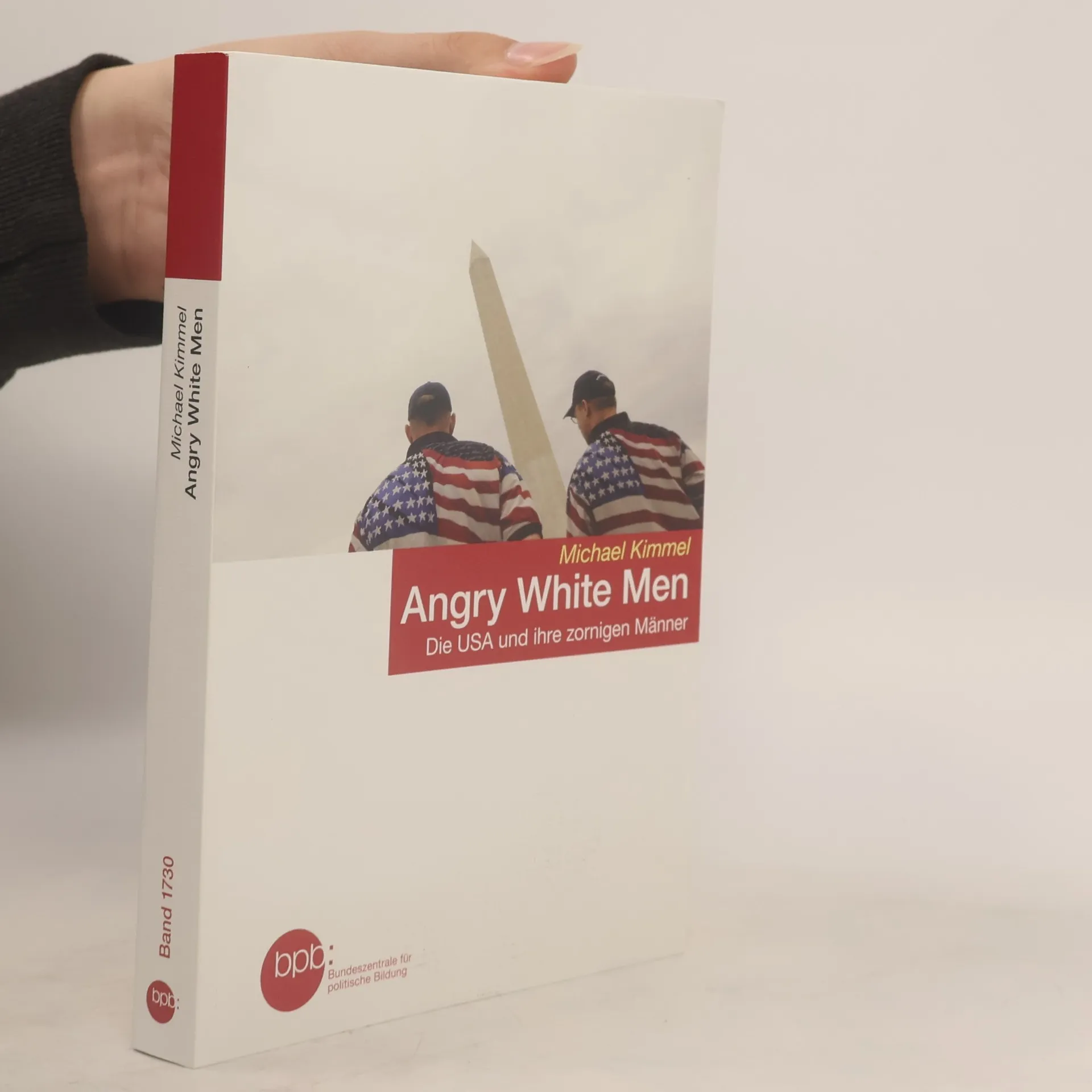
Die USA und ihre zornigen Männer
Die Supermacht USA befindet sich in einer tiefen Identitätskrise. Einst berühmt für ihre pragmatische Kompromissbereitschaft stehen sich Republikaner und Demokraten unversöhnlich gegenüber, gewinnen ehemals politische Randgruppen wie die Tea Party enormen politischen und gesellschaftlichen Einfluss. Das Land radikalisiert sich und die weiße männliche Bevölkerung spielt dabei eine entscheidende Rolle. Wer sind die zornigen weißen Amerikaner, die ihren „Way of Life“ so gefährdet sehen, dass sie zum radikalen Widerstand gegen jeden bereit sind, der ihre Anschauungen nicht teilt? Woher rührt die Wut auf Frauenemanzipation und Immigranten, auf Farbige und Homosexuelle, auf die Gleichstellung der Geschlechter und generell auf „die im Weißen Haus“? Dieses Buch zeichnet das beklemmende Porträt einer vorrangig männlichen Bewegung, deren Angst vor dem eigenen Bedeutungsverlust, vor dem Verlust amerikanischer Männlichkeit und Dominanz nicht nur die kommenden Präsidentschaftswahlen bestimmen wird, sondern darüber hinaus auch die amerikanische Außenpolitik ? also uns.
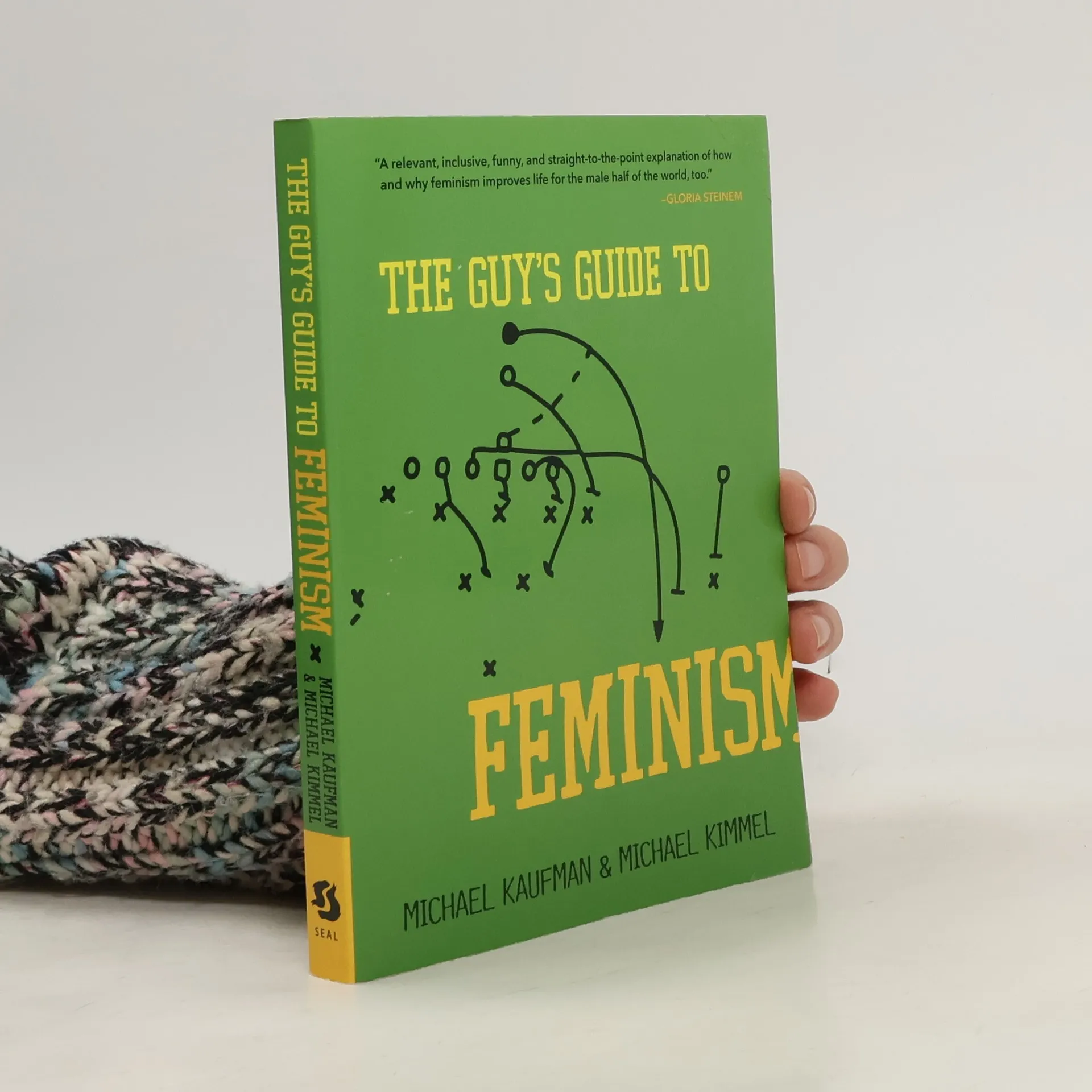
In just one generation, age-old ideas about women have been swept aside . . . but what does that have to do with men? Authors Michael Kaufman and Michael Kimmel, two of the world’s leading male advocates of gender equality, believe it has everything to do with themand that it’s crucial to educate men about feminism in order for them to fully understand just how important and positive these changes have been for them. Kaufman and Kimmel address these issues in The Guy’s Guide to Feminism. Hip and accessible, it contains nearly a hundred entriesfrom Autonomy” to Zero Tolerance”written in varying tones (humorous, satirical, irreverent, thoughtful, and serious) and in many forms (top ten” lists, comics, interviews, mini-stories, and more). Each topic celebrates the ongoing gains that are improving the lives of women and girlsand what that really means for men. Informal and fun yet substantive and intelligent, The Guy’s Guide to Feminism illustrates how understanding and supporting feminism can help men live richer, fuller, and happier lives.
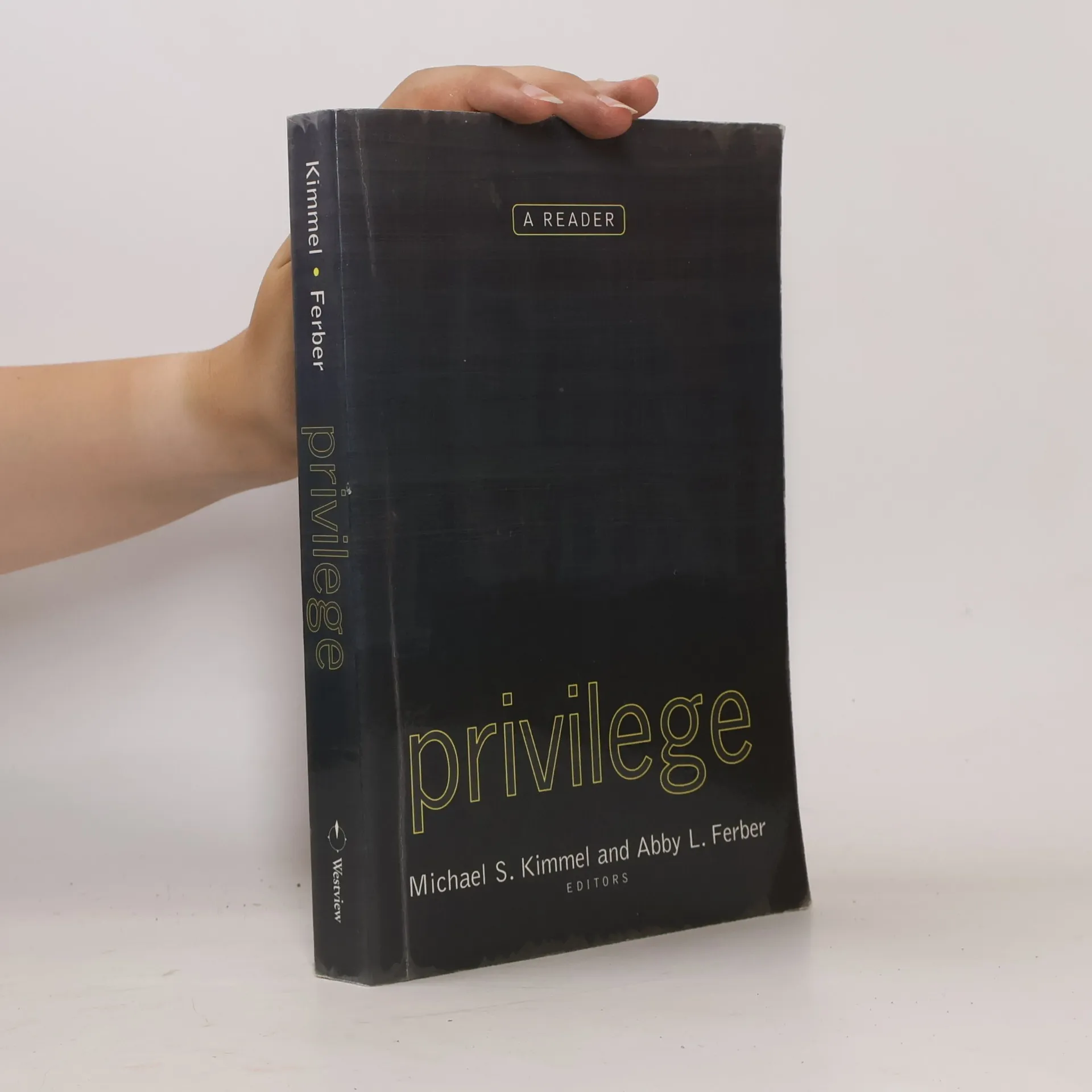
In this new and timely anthology on the experience of privilege in America—as it relates to holding the identity of the dominant gender, class, race, and sexual preference—sociologists Michael Kimmel and Abby Ferber, along with a wide range of contributors, challenge students to think more critically about the myriad inequalities in society and especially to become more aware of how the dynamics that create inequality for some also benefit others. Designed to be used in both introductory sociology and race, gender, and class courses, this exciting volume asks that privilege—and students’ own role in it—become more visible. With both well-known and previously published pieces as well as new contributions, Privilege uses an “intersectional approach” to explore the ways in which race, class, gender and sexuality interact in the lives of those who are privileged by one or more of these identities. Kimmel and Ferber have brought together leading thinkers and writers on all of these dimensions, to examine both the parallels and the ruptures among these different but connected relationships. Writing both personally and analytically, these essays can bring students inside the experiences, and enable us all to begin to theorize our own lives, as well as to explore the ways in which these systems intersect in people’s lives.
Men are often overlooked in gender and development policy, yet critiques highlight the necessity of understanding men and masculinities and the social dynamics between genders. This book advocates for focusing on men within gender and development frameworks, emphasizing arguments rooted in equality, social justice, and the unique vulnerabilities faced by men. It addresses the crisis of masculinity and the importance of involving men as partners in strategic development efforts. Incorporating men necessitates a reevaluation of existing theories and concepts that inform policies. The book explores various debates, such as the relationship between modernization, development, and gender, the suitability of feminist frameworks for addressing men's issues, and the relevance of hegemonic masculinity in diverse cultural contexts. It also emphasizes the need to connect micro-level social relations with macro-level trends. Chapters draw on experiences from different regions and development initiatives, analyzing men and masculinities while highlighting implications for policy and practice. Topics include working with children and schools, influencing sexual health and intimate relationships, and engaging men in women's groups. Other discussions focus on gender relations in contexts of violence and conflict, the state's role in shaping masculinities, and the intersections of gender with race and class. Collectively, these insights unde
Changing Men's Practices in a Globalized World
This book extends the dialogue on masculinity into an international context, providing a broad critical analysis of men's practices across a range of socio-cultural settings.