The Gods of Roman Britain
- 76 stránek
- 3 hodiny čtení
An examination of the religious beliefs of the people of the Roman province of Britain, from the Celtic background to the composite religion which eventually emerged.




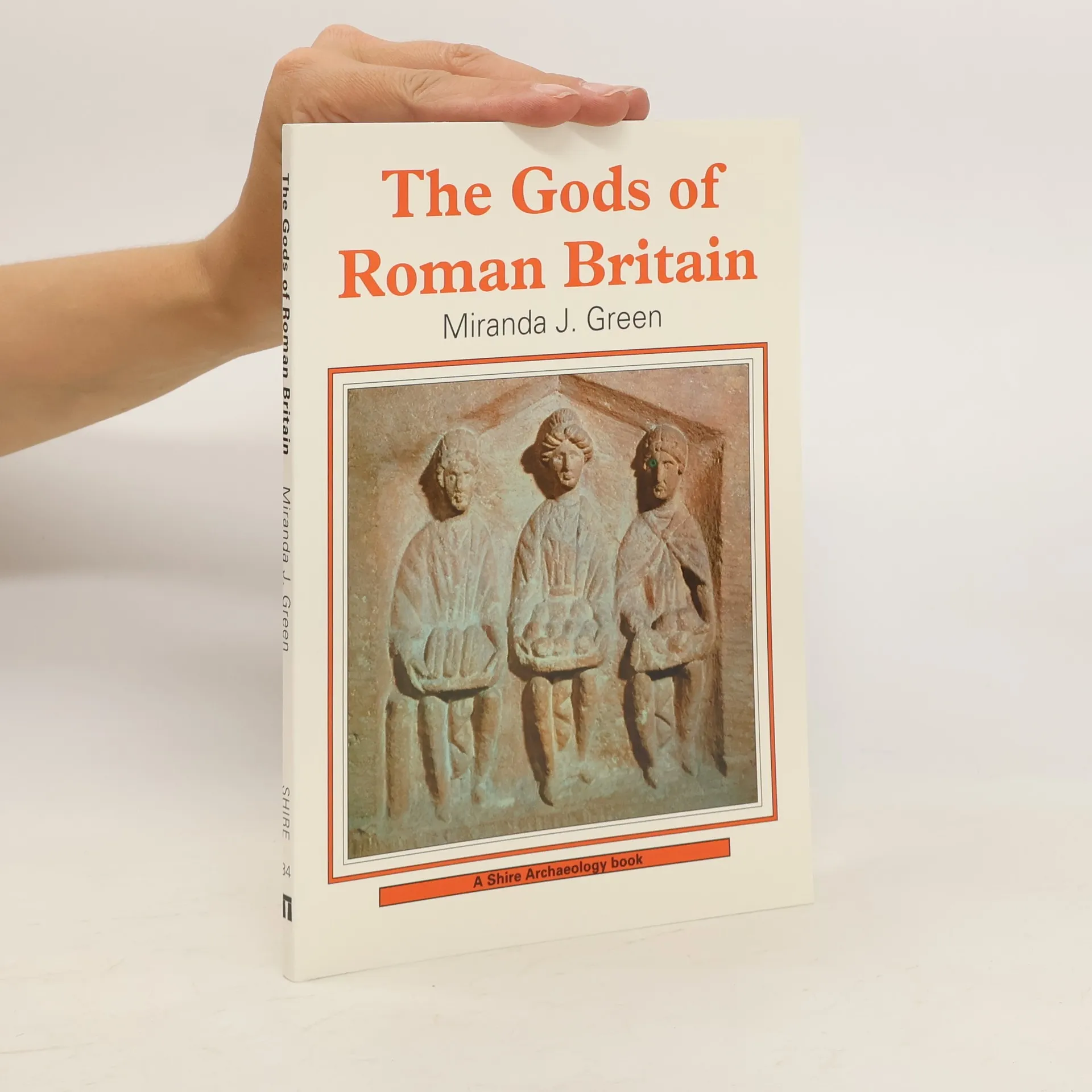
An examination of the religious beliefs of the people of the Roman province of Britain, from the Celtic background to the composite religion which eventually emerged.
This is a fascinating book about the Celts and their religion, which covers all aspects of the gods, ritual customs, cult-objects and sacred places of the ancient Celtic peoples.
Ellie s Davidem jsou živým důkazem rčení, že protivy se přitahují. On se vždy řídí návody, ona je odhazuje do koše. On miluje sport, Ellie je na jakoukoli formu pohybu alergická. Ellie nemá matku. Dan matku má - matku, která chce vládnout všemu a všem. Zpočátku je Ellie nadšená, že v ní získává "adoptivní" matku, a stává se tak členem klanu milující rodiny. Ale postupem času se začíná ptát: Je normální, aby dospělý syn telefonoval se svou matkou dvakrát denně? A koho si vůbec bere, Dana, nebo jeho matku? Tím problémy teprve začínají.
Contains entries on every aspect of Celtic myth, religion and folklore in Britain and Europe between 500 BC and AD 400.
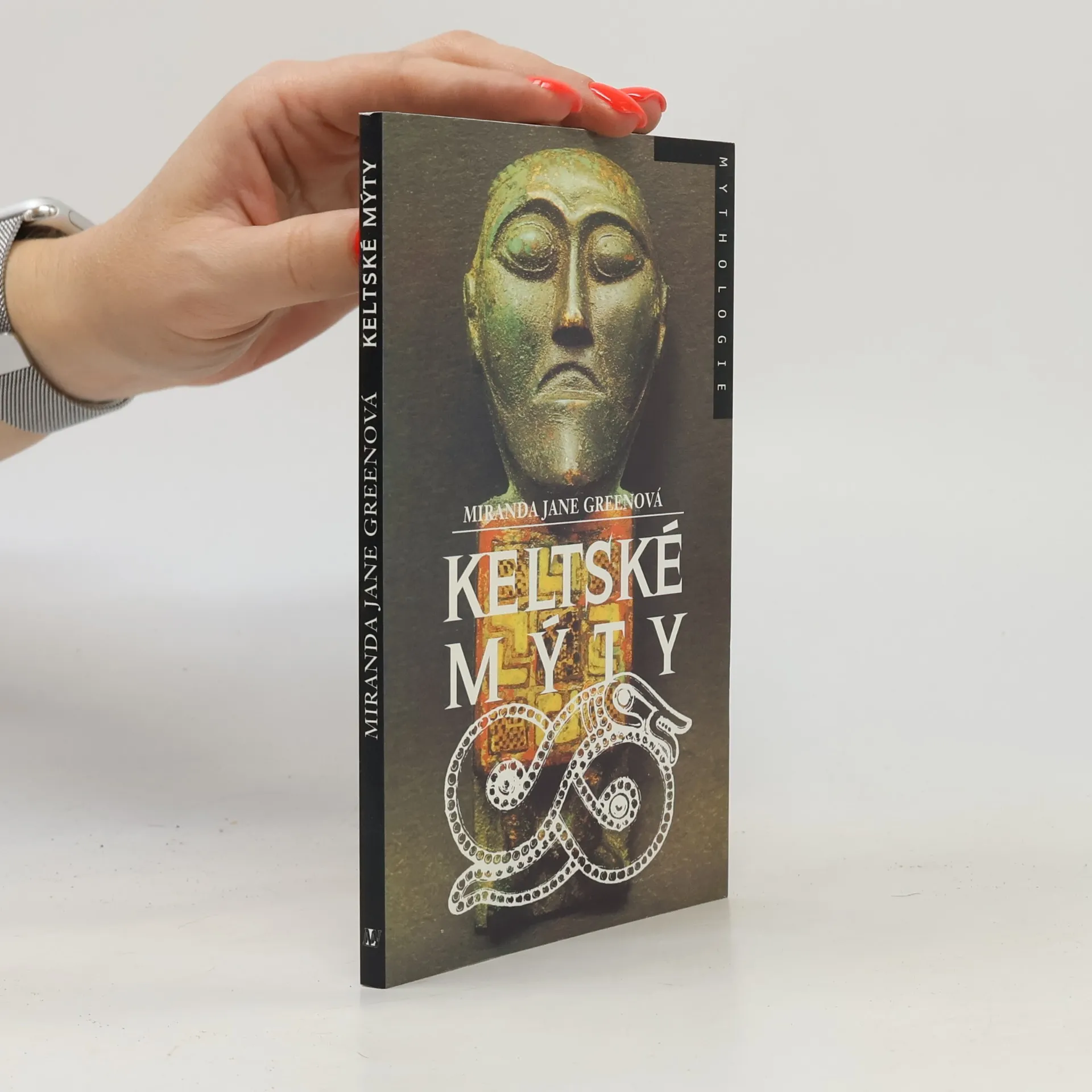
Divoké bohyně války, sluneční božstva, lidské oběti či tajemství Onoho světa jsou jen některá z témat zkoumaných v této knize. Starověcí Keltové mezi lety 600 př. n. l. a 400 n. l. obývali většinu Evropy. Nezanechali nám písemné památky, přesto keltské legendy a mýty přetrvaly věky. Irské a velšské mýty - vzrušující příběhy božstev, nadlidských hrdinů a magických příšer - byly zaznamenány křesťanskými písaři, kteří tak uchovali velkou část pohanské mytologie. Díky archeologii a výkladům antických autorů před námi defiluje fascinující soubor keltských jmen, obrazů a symbolů, stejně jako doklady o obřadech a rituálech, jejichž prostřednictvím Keltové komunikovali s říší nadpřirozena.
In this authoritative account, Miranda Green unravels the truth about the Druids. Examining the archaeological evidence, Classical commentaries and early Welsh and Irish myths, she shows that the Druids were fully integrated into Celtic societyfulfilling varied and necessary roles, both secular and religious. The Roman writers are seen to reflect the double standards of an invading society: condemning as barbaric the public sacrifice of enemies by the Druids while accepting as civilized their own practice of slaughter for sport in the arena. Yet the Classical sources can be used to help reveal the real Druids. We learn of their multiple roles as judges, teachers, healers, magicians, philosophers, religious leaders and fomenters of rebellion
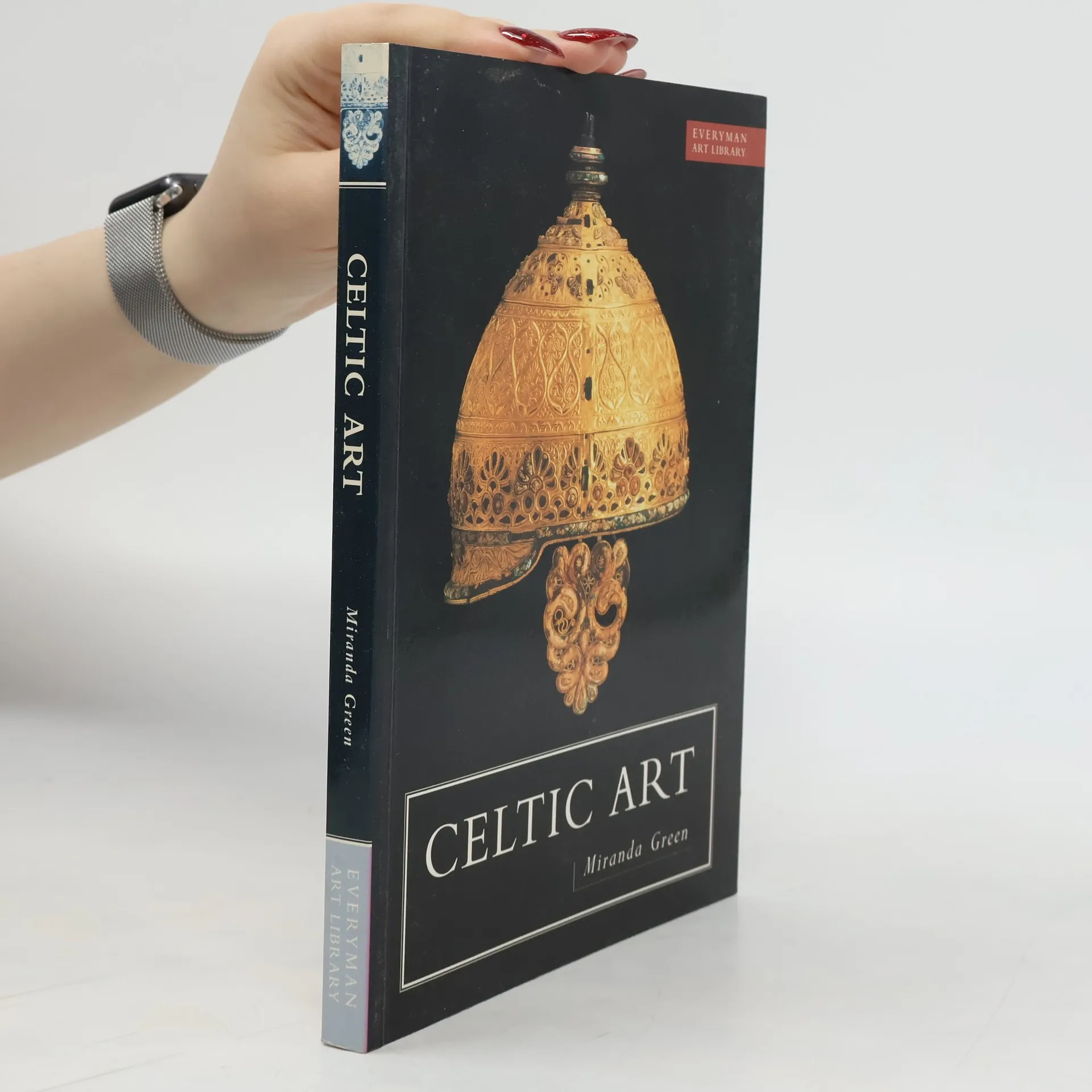
"Green...is a superlative researcher and a clear, often eloquent writer. In this gorgeously-illustrated volume, she approaches Celtic art in terms of what it expresses about Celtic culture's spiritual beliefs and social organization. After an excellent, concise introduction...Green explores class and gender through an examination of jewelry...and reveals a Celtic world in which rich princesses enjoyed wine and song with male counterparts....A fine addition wherever interest in matters Celtic runs high."-- "Booklist. 176 pages, 118 color illus., 6 b/w illus., 6 1/2 x 9 1/4.
As well as vividly exploring the tales, the author brings her expertise in the archaeology of the Iron Age and particularly shamanism to bear on the mythical worlds she describes, with evidence as diverse as the Gundestrup Cauldron and the famous bog bodies. She also asks how the myths survived the Christianization of Europe.