
Knihobot

Gaia Vince

    Gaia Vince je britská novinářka a autorka, která se zaměřuje na životní prostředí. Její práce zkoumá složité propojení lidstva a přírody v době rychlých změn. Vince nabízí pronikavý pohled na environmentální výzvy a možné cesty vpřed. Její psaní je informativní a poutavé, vybízí k zamyšlení nad naší společnou budoucností.

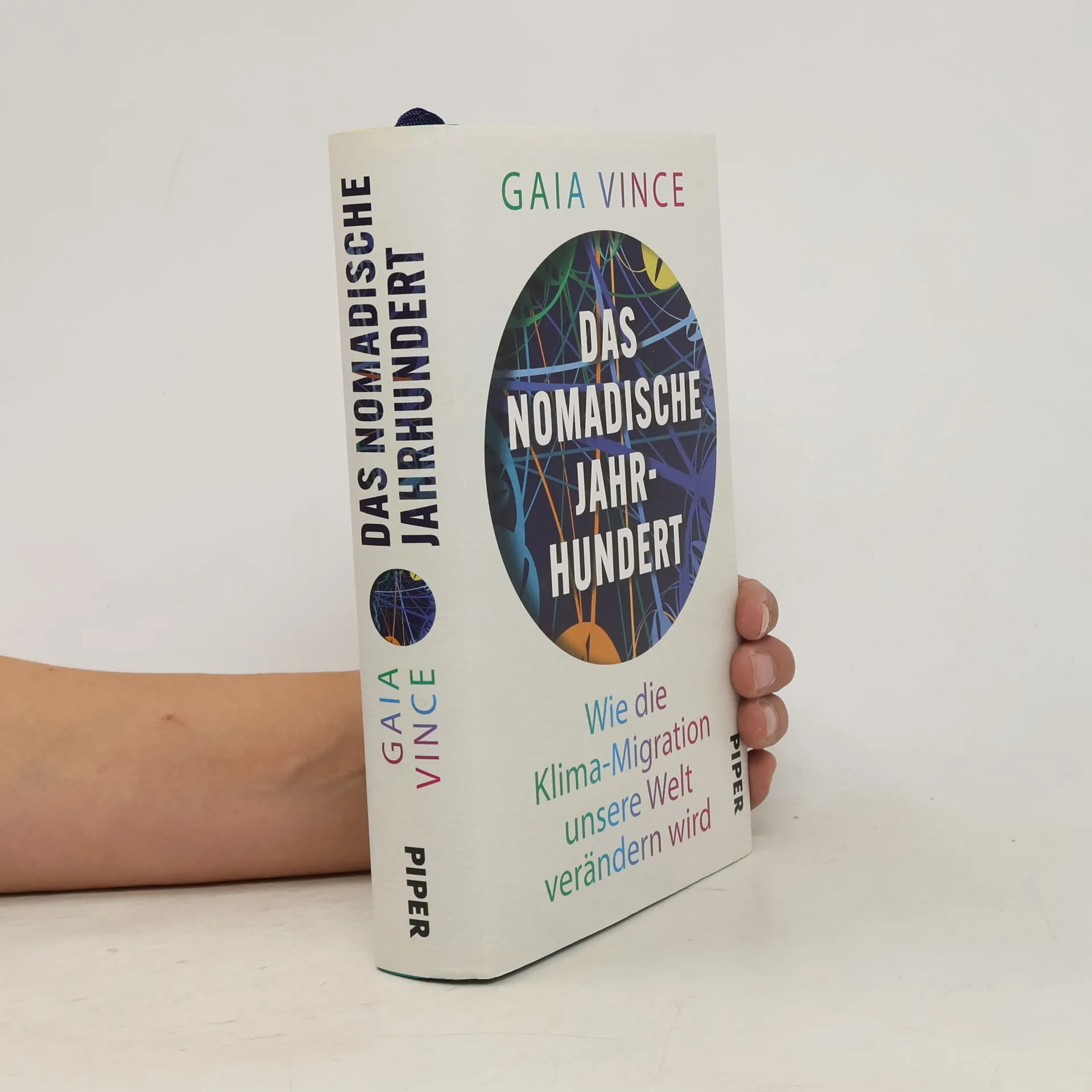
    Das nomadische Jahrhundert
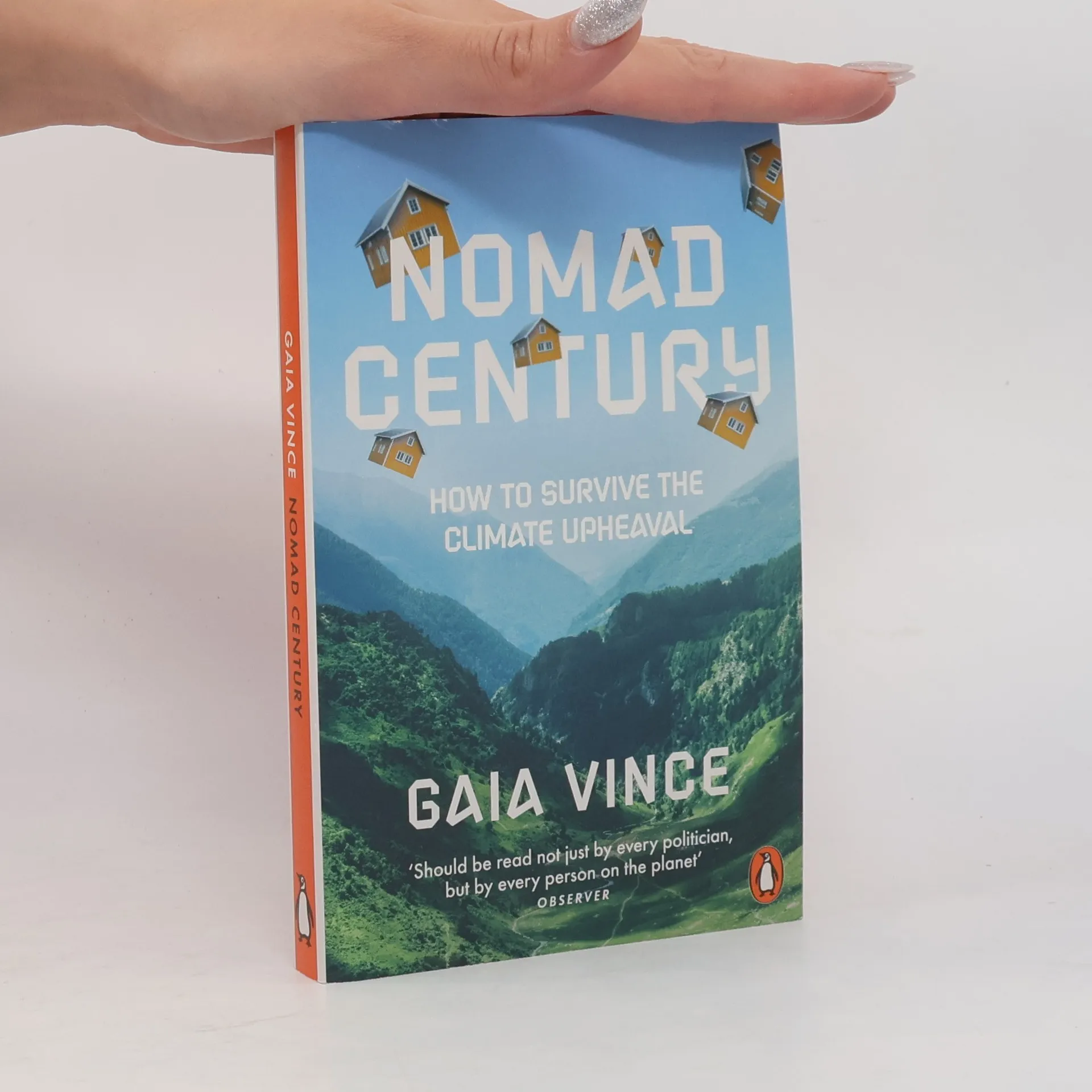
    Nomad Century
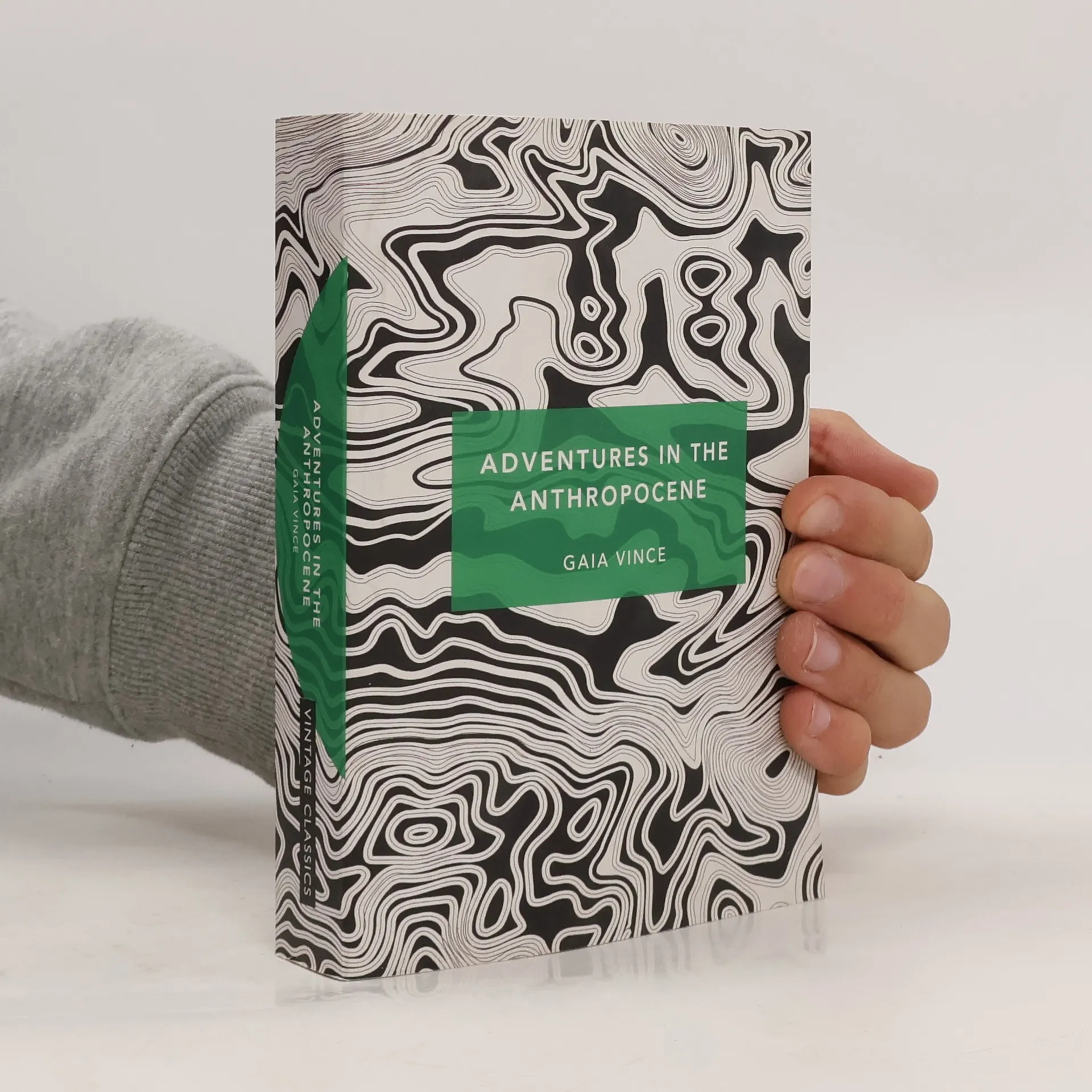
    Adventures in the Anthropocene
    • Adventures in the Anthropocene

      • 448 stránek
      • 16 hodin čtení

      Explore the impact of humans on the planet in this beautiful new edition of Gaia Vincent’s powerful work. In recent decades human beings have altered the planet beyond anything it has experienced in its 4.5 billion-year history. We have become a force on a par with earth-shattering asteroids and planet-cloaking volcanoes. As a result, our planet is said to be crossing a geological boundary – from the Holocene into the Anthropocene, or the Age of Man. Gaia Vince quit her job to travel the world and to explore what all these changes really mean to our daily lives. She discovers the shocking ways in which we have reshaped our living planet and reveals the ingenious solutions we’ve evolved to engineer Earth for the future. PATTERNS OF LIFE: SPECIAL EDITIONS OF GROUNDBREAKING SCIENCE BOOKS

      Adventures in the Anthropocene
      4,1
    • Nomad Century

      • 288 stránek
      • 11 hodin čtení

      “We are facing a species emergency. We can survive, but to do so will require a planned and deliberate migration of a kind humanity has never before undertaken. This is the biggest human crisis you’ve never heard of.”Drought-hit regions bleeding those for whom a rural life has become untenable. Coastlines diminishing year on year. Wildfires and hurricanes leaving widening swaths of destruction. The culprit, most of us accept, is climate change, but not enough of us are confronting one of its biggest, and most present, consequences: a total reshaping of the earth’s human geography. As Gaia Vince points out early in Nomad Century , global migration has doubled in the past decade, on track to see literal billions displaced in the coming decades. What exactly is happening, Vince asks? And how will this new great migration reshape us all?In this deeply-reported clarion call, Vince draws on a career of environmental reporting and over two years of travel to the front lines of climate migration across the globe, to tell us how the changes already in play will transform our food, our cities, our politics, and much more. Her findings are answers we all need, now more than ever.

      Nomad Century
      3,8
    • Das nomadische Jahrhundert

      Wie die Klima-Migration unsere Welt verändern wird | Vince bietet einen realistischen Blick auf Migration als Antwort auf Umweltveränderungen und die damit verbundenen Chancen. Ein Aufruf zur globalen Kooperation.

      Waldbrände und Wirbelstürme verursachen zunehmend Verwüstung, während Regenfälle verheerende Fluten auslösen und Dürregebiete unfruchtbar werden. Der Klimawandel ist allgegenwärtig, was in den letzten zehn Jahren zu einer Verdopplung der weltweiten Migration geführt hat. In den kommenden Jahrzehnten werden Milliarden von Menschen aus ihrer Heimat vertrieben. Die preisgekrönte Journalistin Gaia Vince untersucht, wie Klimamigration unsere Nahrungsmittelversorgung, Städte und Politik beeinflussen wird und bietet dringend benötigte Antworten. Ihr Werk ist aufwendig recherchiert, brillant geschrieben und vereint erschreckende sowie hoffnungsvolle Aspekte. Es thematisiert den Klimanotstand und Migration, die jeden von uns betreffen werden. Die Autorin liefert Fakten, Lösungen und Optimismus. Bill Bryson bezeichnet sie als eine der besten Wissenschaftsautorinnen, während die Financial Times das Buch als Pflichtlektüre für das Überleben der Menschheit lobt. Vince hinterlässt den Leser mit mehr als nur einem Funken Hoffnung und bietet eine mitfühlende Erklärung der Unvermeidbarkeit von Migration. Ihr Werk ist eine unverzichtbare Lektüre zu einem lebenswichtigen Thema.

      Das nomadische Jahrhundert