
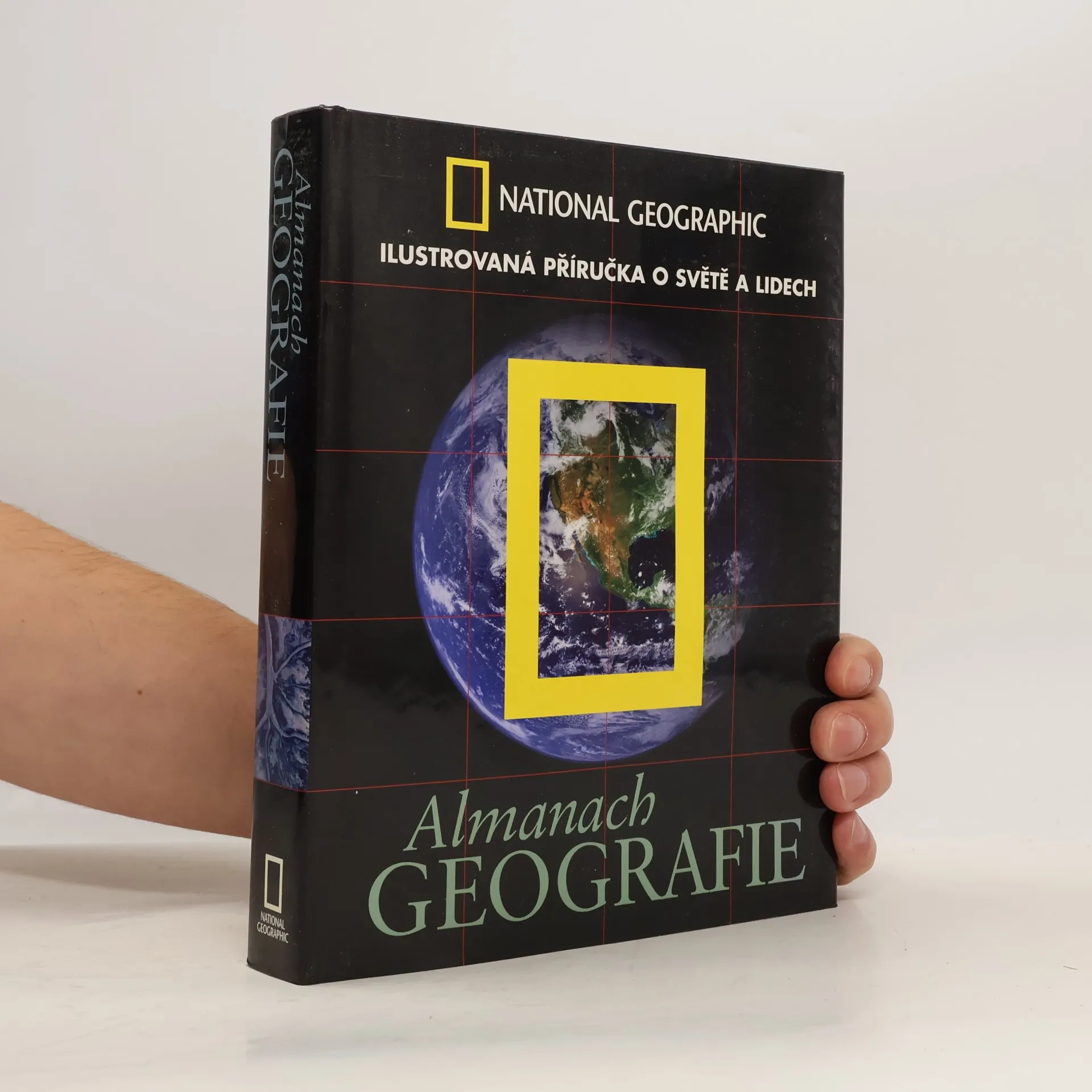
„Die große National Geographic Enzyklopädie Geographie“ - das Standardwerk der Geographie - zeigt die Erde in all ihren Facetten und zeichnet so ein lebendiges, aktuelles Porträt der Welt, in der wir leben. Die Enzyklopädie macht deutlich, dass Geographie mehr ist als die bloße Beschreibung von Städten, Flüssen, Bergen und Meeren. Geographie zeigt auch, wie der Mensch durch seine Umbebung geprägt wird und wie er andererseits seine Umgebung formt. Sie erklärt, wie die Erde und die für sie typischen Phänomene entstanden sind, wie Meeresströmungen unser Klima beeinflussen, wo die Bevölkerung wächst und wo sie abnimmt. Die rund 4000-jährige Geschichte der Wissenschaft von der Geographie wird ebenso beschrieben wie der Bereich der physischen Geographie: von der Plattentektonik über das Erdklima bis zu den verschiedenen Landschaftsformen. Dem Leser wird klar, dass sich heute kaum eine Wissenschaft isoliert betrachten lässt - und dass alles, was der Mensch tut, Folgen hat.
Roger M. Downs Pořadí knih


- 2006
- 2006
Almanach geografie
- 496 stránek
- 18 hodin čtení
Přehledný a ilustrovaný Almanach geografie je naplněn fascinujícími informacemi o celém světě i jeho obyvatelích. Obsahuje stovky fotografií, ilustrativních náčrtků, grafů, tabulek a map. Tato kniha přináší odpovědi na všechny otázky týkající se Země: užitečné informace o světové populaci, rozšíření náboženství, růst měst, globální ekonomie, využívání přírodních zdrojů. Kniha zahrnuje také přehlednou část s podrobnými fakty o jednotlivých státech. Almanach geografie z edice National Geographic přináší nejnovější informace, které potřebujete, abyste porozuměli našemu světu a všemu, co je v něm.
- 2005
Image & Environment
- 439 stránek
- 16 hodin čtení
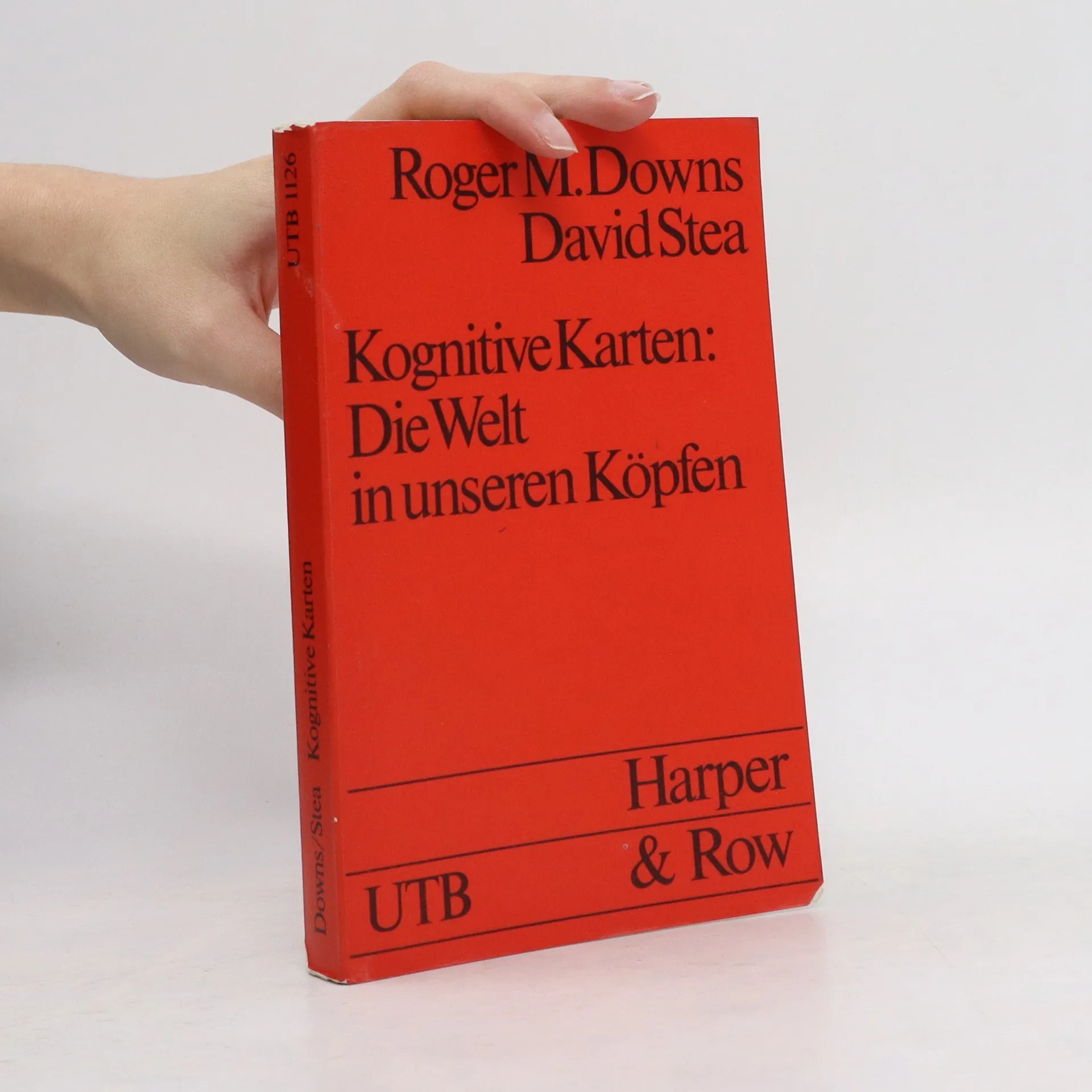
Cognitive mapping encompasses the processes that allow individuals to acquire, code, store, recall, and manipulate information about their spatial environment. It involves understanding the attributes and locations of people and objects, playing a crucial role in spatial decision-making, such as finding safe routes, identifying potential sites for homes or businesses, and planning vacations. These cognitive processes evolve with age and experience. This pioneering study introduces a new academic discipline to a broad audience, organized into six sections: "Theory," "Cognitive Representations," "Spatial Preferences," "The Development of Spatial Cognition," "Geographical and Spatial Orientation," and "Cognitive Distance." Notable contributors include Edward Tolman, James Blaut, Stephen Kaplan, and many others. Roger M. Downs, head of the Department of Geography at Pennsylvania State University, and David Stea, professor at Southwest Texas State University, lead the work. Downs holds a Ph.D. in geography from the University of Bristol, while Stea earned his Ph.D. in psychology from Stanford University. The volume aims to provide a comprehensive understanding of cognitive mapping and its implications for spatial awareness and decision-making.
- 1991
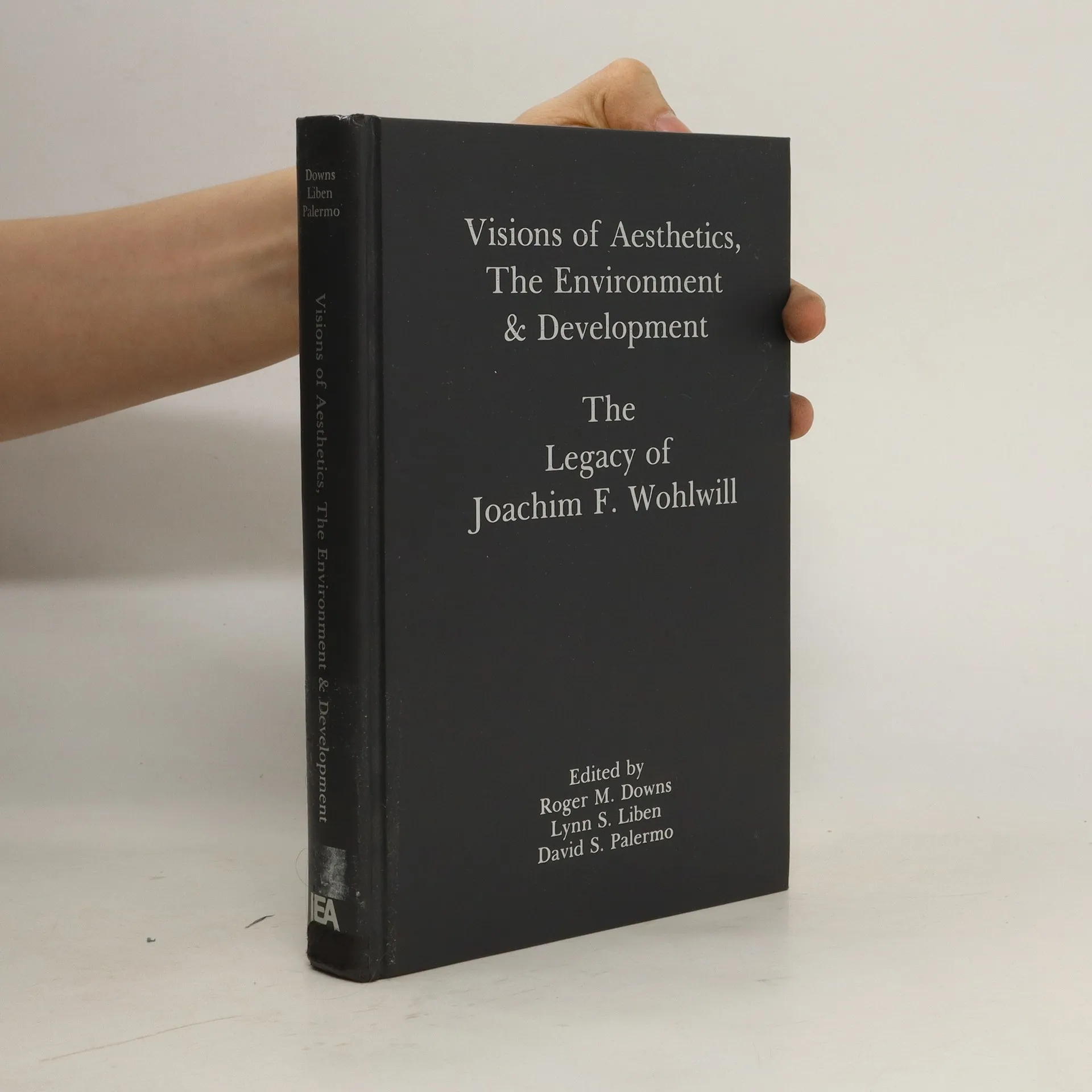
Derived from a conference honoring the legacy of Joachim Wohlwill, this volume is designed to reflect as many facets of the late scholar's wide-ranging work as possible. As its title indicates, the book identifies three broad areas in which Wohlwill made significant contributions: art and aesthetics, human-environment interaction, and concepts of development. In each of these areas Wohlwill made seminal contributions, helping to shape, maintain, and even change the direction of research and thought. Specific topics addressed here by his colleagues, students, and contemporaries include: the shape of development, the intermingling of perception and cognition, the balance between innate and acquired processes, the relation between environmental and ecological psychology, the development of the ability to use external representations of the physical environment, and the way world views underpin beliefs about the nature of development.
- 1982